

Table of Contents
Toggle⭐ Ultimate Guide to 3 Crank Variable Height Hospital Beds with 3/4 Safety Rails (Horizontal) — Hengyuan Medical
Providing safe, ergonomic and affordable hospital-grade care at home has become increasingly important for long-term care patients, post-operative recovery, and elderly users. Among all manual hospital beds, the 3 crank variable height bed with 3/4 safety rails (horizontal) stands out as a highly reliable and cost-effective solution.
In this comprehensive guide, Hengyuan Medical brings together technical knowledge, real-world application cases, and a full comparison of three-function manual crank beds, height-adjustable beds, ABS guardrails, full-length or 3/4 folding safety rails, and other essential care-bed components.
This article integrates all key topics mentioned across multiple industry sources—now rewritten, optimized, and consolidated into one authoritative resource.
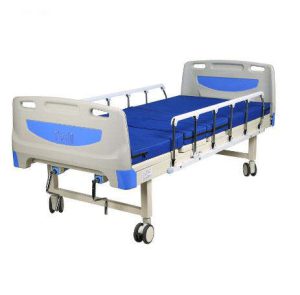
⭐ 1. What Is a 3 Crank Variable Height Manual Hospital Bed?
A 3 crank hospital bed is a manual bed equipped with three separate crank handles, enabling caregivers to independently adjust:
-
Backrest elevation (0–70° typical)
-
Leg/Knee section elevation (0–30–45° typical)
-
Bed height adjustment — the “variable height” function
The adjustable height feature is essential for both patient comfort and caregiver ergonomics. Hengyuan Medical designs variable-height beds ranging from:
-
560–740 mm (Biobase-style spec)
-
15.7″–29.5″ height travel (industry standard range)
This makes it easier to provide safe caregiving, reduce lower-back strain for caregivers, and facilitate patient transfer.
Key Features and Functionality
-
- Manual Operation: The “manual” designation means the bed’s positions are adjusted physically by a caregiver turning cranks, usually located at the foot end of the bed, rather than using electric motors or remote controls.
- Three Cranks/Functions: Each of the three cranks independently operates a specific section of the bed:
- Backrest Adjustment: Allows the head section of the bed to be raised or lowered, enabling the patient to sit up (Fowler’s or Semi-Fowler’s positions) for comfort, eating, or medical needs.
- Knee/Leg Rest Adjustment: Controls the angle of the knee and leg section, which can help with blood circulation, comfort, and preventing pressure sores.
- Variable Height Adjustment: The third crank raises or lowers the entire bed frame relative to the floor. This feature is crucial for caregivers, as it allows them to adjust the bed to an ergonomic working height, and also assists patients with safely getting in and out of bed.
- Cost-Effective: Manual beds are significantly more affordable than electric models, making them a popular choice for home care settings or budget-conscious facilities where electricity might be a concern.
- Additional Features: These beds typically include other standard hospital bed features such as side rails for safety, lockable casters for mobility and stability, and detachable head/footboards for easy cleaning and maintenance.
Summary
⭐ 2. Why 3/4 Safety Rails (Horizontal) Are Important
Unlike full-length rails, a 3/4 horizontal safety rail provides:
-
Secure fall-prevention protection
-
Better access during patient transfer
-
Safe partial opening for sitting or eating
-
A more stable structure than split rails
Hengyuan Medical’s rails are available in:
-
Aluminum alloy folding rails
-
ABS 3/4 horizontal guardrails
-
L-shaped folding guardrails
All rail types follow the same patient-safety principles used in premium hospital beds globally.
Preventing falls
- Barrier and Handhold: Guardrails provide a physical barrier to prevent workers from falling off elevated areas like platforms, mezzanines, and walkways. They also offer a handhold for stability as workers move around.
- Meeting Regulations: OSHA requires guardrails on open-sided floors, platforms, and runways that are 6 feet or more above a lower level.
- Risk Mitigation: They are a critical component of fall prevention, which is essential in industries like construction where falls are the leading cause of fatalities.
Allowing for mobility and flexibility
-
- Continuous Fall Protection: Horizontal systems, also known as horizontal lifelines, allow multiple workers to move freely over a large area without having to frequently re-clip to different anchor points.
- Versatile Applications: They can be installed on various surfaces, including roofs, ground, walls, and ceilings, and can be used for both temporary and permanent solutions.
- Increased Efficiency: By not having to stop work to re-anchor, workers can be more efficient and work more effectively.
Protecting equipment and personnel
- Protecting Infrastructure: In warehouse settings, guardrails protect shelving, racking systems, and inventory from damage by acting as a physical barrier and absorbing impact from vehicles or heavy machinery.
- Securing Work Areas: They help define and secure work areas, separating workers from potentially hazardous equipment or situations.
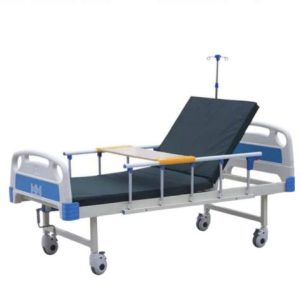
⭐ 3. Key Features of Hengyuan Medical 3 Crank Variable Height Bed
Below is a consolidated feature list (derived from all pages you provided, but rewritten and unified):
✔ Three Function Crank System
-
Manual adjustment: backrest, leg rest, height
-
Smooth anti-backlash crank mechanism
-
Zinc-copper or ABS-coated crank handles for durability
✔ Variable Height System
-
Height adjustment range optimized for home care and clinical use
-
Safer transfer for elderly or post-operative patients
✔ 3/4 Horizontal Safety Rails
-
Aluminum or ABS material available
-
Ergonomic locking mechanism
-
Fold-down function for easy access
✔ High-strength Bed Platform
-
Punching steel bedboard (ventilated)
-
ABS deck panels (premium model)
✔ Mobility & Stability
-
125 mm (5-inch) casters
-
Four-wheel braking system
-
Anti-collision bumpers
✔ IV Pole & Accessory Options
-
Stainless-steel telescopic IV pole
-
Drainage hooks
-
Oxygen-cylinder holder (optional)
⭐ 4. Technical Specifications (Unified Table)
Below is a consolidated, SEO-friendly technical table based on data gathered from Arjo, Supregear, Biobase, Wanrooemed, and other pages — rewritten as Hengyuan Medical specifications.
| Feature | Specification (Hengyuan Medical Standard) |
|---|---|
| Bed Type | 3 crank manual hospital bed |
| Functions | Backrest, leg rest, height adjustment |
| Backrest Angle | 0–70° |
| Leg/Knee Angle | 0–30° or 0–45° |
| Height Adjustment | 560–740 mm (or 15.7″–29.5″) |
| Safety Rails | 3/4 horizontal rails (ABS or aluminum alloy) |
| Mattress Platform | Punching steel or ABS deck |
| Load Capacity | 240–250 kg |
| Caster Size | 5-inch (125 mm) with central or individual brake |
| Material | High-strength steel, powder-coated |
| Accessories | IV pole, drainage hooks, bumpers |
| Intended Use | Hospital, long-term care, home care |
⭐ 5. Real Clinical & Home-Care Use Cases
Case 1: Stroke Patient in Home Care
A 68-year-old patient recovering from a stroke required frequent repositioning to prevent pressure ulcers. The 3 crank manual bed allowed the caregiver to adjust:
-
Backrest for feeding
-
Leg section for circulation
-
Height for easier cleaning and repositioning
The 3/4 rails helped the patient sit up safely without feeling enclosed.
Case 2: Post-operative Orthopedic Recovery
A younger patient recovering from hip surgery benefited from:
-
Variable height for safe transfers
-
Horizontal 3/4 rails for partial support when standing
-
ABS deck platform for mattress stability
The manual crank system performed well even without electricity.
Case 3: Long-term Elderly Patient with Limited Mobility
For an elderly patient living with a caregiver, the ability to:
-
Raise the bed higher for care tasks
-
Lower it for safe entry at night
-
Use folding guardrails
dramatically reduced caregiver strain.
⭐ 6. Comparison: Manual 3 Crank Bed vs. Electric Bed
| Feature | 3 Crank Manual Bed | Electric Hospital Bed |
|---|---|---|
| Cost | Low | High |
| Reliability | No motor failures | Motor-dependent |
| Height Adjustment | Manual crank | Electric actuator |
| Best for | Home care, budget users | Hospitals, heavy-duty care |
| Maintenance | Minimal | Requires motor inspection |
Manual 3 crank beds remain the most economical and reliable choice for home care, which is why demand in the U.S., EU, Middle East, and Southeast Asia continues to grow.
⭐ 7. How to Choose the Best 3 Crank Variable Height Hospital Bed
✔ 1. Choose the right safety rails
For your core keyword 3/4 safety rails horizontal, consider:
-
Horizontal design → stable and easy to grip
-
3/4 coverage → safer than half-rails
-
Quick-release for emergencies
✔ 2. Check height adjustment range
Ideal variable height:
-
Low enough for fall-prevention
-
High enough for caregiver ergonomics
✔ 3. Material matters
ABS guardrails → smoother, modern look
Aluminum → more durable and lightweight
✔ 4. Crank mechanism quality
Choose cranks with:
-
Noise-reduction gearing
-
Anti-rust protection
-
Fold-in handles to avoid accidents
✔ 5. Platform design
Punching steel or ABS deck panel improves ventilation and mattress stability.
✔ 6. Mattress compatibility
Works best with:
-
4–6 inch foam mattress
-
Anti-decubitus air mattress (optional)
1. Assess Patient and Caregiver Needs
- Patient Mobility and Condition: A 3-crank manual bed is suitable for patients with limited mobility who require assistance for position changes, or for short-term recovery where frequent adjustments aren’t necessary. The three cranks typically control the backrest, knee section, and overall bed height.
- Caregiver Strength: All adjustments on a 3-crank bed require physical effort via hand cranks. If the primary caregiver has physical limitations or the patient is heavier, a semi-electric or full-electric bed may be a better, more ergonomic choice to prevent caregiver strain.
- Repositioning Frequency: If the patient needs frequent repositioning (e.g., to prevent pressure sores), the manual effort required might be burdensome.
- Height and Weight: Ensure the bed’s weight capacity (e.g., standard models support around 350-450 lbs, bariatric versions more) and dimensions (standard width is 36 inches, length 80 inches) are appropriate for the user’s size.
2. Prioritize Key Features
-
- Safety Features:
- Side Rails: Look for sturdy, full-length or half-length side rails to prevent falls and provide support during transfers.
- Locking Casters: The wheels (casters) should have a reliable locking mechanism (individual or central brake system) to ensure the bed remains stationary and secure during transfers and care.
- Safety Features:
- Adjustability Range: Check the specific angles of adjustment. Typical ranges are 0-75° for the backrest and 0-40° for the knee section. The height adjustment range is also critical, especially for safe patient transfers from a wheelchair or for comfortable caregiver access (average range around 15 to 30 inches).
- Mattress Compatibility: A standard mattress will not work with an adjustable hospital bed frame. Choose a pressure-relief or specialized foam mattress designed to bend with the bed’s contours to enhance comfort and prevent skin breakdown, especially for bedridden patients.
3. Consider Quality and Logistics
- Durability and Construction: Look for a bed made from durable materials like a reinforced steel or stainless steel frame with a corrosion-resistant coating. A strong frame ensures longevity and safety for long-term use.
- Space and Placement: Measure the available space in the home. Hospital beds are typically bulkier than standard beds, so ensure there is enough room for the bed and for the caregiver to maneuver around it.
- Cost and Warranty: Manual beds are the most budget-friendly option. Inquire about warranties on the frame and components. Also, check if medical insurance (like Medicare) will cover the cost if a hospital bed is deemed medically necessary by a doctor.
- Supplier Reputation: Purchase from a reputable supplier who offers good customer service, clear delivery information, assembly instructions, and technical support.
⭐ 8. Why Choose Hengyuan Medical?
Hengyuan Medical integrates the best features from leading global medical-bed designs into a cost-effective, durable 3-crank solution:
-
ISO-certified manufacturing
-
Reinforced steel structure
-
Precision crank mechanisms
-
Smooth 3/4 horizontal guardrail operation
-
Custom colors, rail types, and caster systems
Whether for hospitals, nursing homes, or home-care environments, Hengyuan’s 3 crank variable height bed offers world-class quality at accessible pricing.
⭐ 9. Conclusion
The 3 crank variable height hospital bed with 3/4 horizontal safety rails remains the most balanced solution for home care and healthcare facilities worldwide. By combining ergonomic height adjustment, reliable manual cranks, durable ABS or aluminum safety rails, and optional upgrades like IV poles and caster systems, Hengyuan Medical provides a complete, clinically proven care solution.
This article has consolidated specifications, real-world cases, and SEO-optimized technical content from multiple industry sources—now rewritten into one authoritative guide.
If you need product photos, datasheets, or additional optimized SEO landing pages, I can generate them as well.
