

3 Different Bed Rests Hospital: Everything You Need to Know
When choosing a hospital bed, one of the most important considerations is the bed’s adjustability. The concept of 3 different bed rests hospital refers to beds that provide independent adjustment of the headrest, leg rest, and bed height. Henyuan Medical, a leading manufacturer of hospital and home care beds, offers high-quality three-function beds that combine comfort, practicality, and affordability.
These three-function beds are ideal for home care, rehabilitation, and hospital wards, where flexibility and patient comfort are essential.
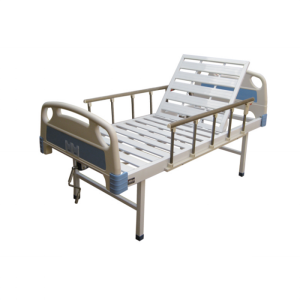
1. Understanding the 3 Different Bed Rests Hospital Concept
1. Fowler’s position
- High Fowler’s: The head of the bed is raised 60 to 90 degrees.
- Purpose: This position is used for maximum chest expansion to assist patients with breathing difficulties, such as those with COPD, asthma, or pneumonia. It is also helpful for eating, swallowing, and after abdominal or lung surgery to promote drainage.
- Semi-Fowler’s: The head of the bed is elevated 30 to 45 degrees.
- Purpose: This position is used for patients with cardiac or respiratory conditions. It is also common for patients with a feeding tube to reduce the risk of aspiration.
- Low Fowler’s: The head of the bed is elevated 15 to 30 degrees.
- Purpose: This is often used for resting after a procedure, reducing lower back pain, or to increase patient comfort.
2. Trendelenburg position
- Purpose:
- Surgery: This position is used during surgery on the lower abdomen or pelvic organs because it allows gravity to shift the abdominal organs toward the head, giving the surgeon a clearer view of the area.
- Hypotension: Historically, it was used to manage low blood pressure (hypotension) by promoting blood flow to the brain and vital organs, but current guidelines do not generally recommend it for this purpose.
- Venous access: It can be used for the brief placement of central venous catheters, as it encourages veins in the upper chest and neck to expand, making them easier to locate.
- Risks: Using this position for an extended time can increase intracranial pressure and cause facial swelling.
3. Reverse Trendelenburg position
- Purpose:
- Surgery: This position is beneficial for head, neck, and upper abdominal surgeries, such as gallbladder removal. Gravity pulls the abdominal organs downward, improving surgical access and reducing bleeding in the surgical field.
- Acid reflux: It helps to minimize gastroesophageal reflux (GERD) by using gravity to keep stomach contents in place.
- Intracranial pressure: It is used to reduce intracranial pressure by encouraging venous drainage from the head.
- Risks: A patient may slide down the bed, so a footboard or padding may be necessary to prevent nerve damage or injury.
A 3-function hospital bed typically includes:
-
Adjustable Headrest: Allows patients to sit upright, improving breathing, eating, and reading comfort.
-
Adjustable Leg Rest: Helps elevate legs for improved circulation, swelling reduction, and patient relaxation.
-
Adjustable Bed Height: Facilitates safe patient transfer, caregiver ergonomics, and bed positioning for procedures.
Unlike 2-function beds, which only adjust the head and leg sections, or manual beds with limited movement, three-function beds provide comprehensive flexibility. Henyuan Medical’s beds also integrate lightweight frames and removable side rails to ensure safety and ease of use.
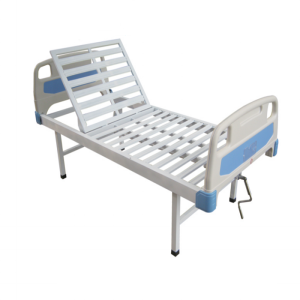
2. Types of 3-Function Beds
-
3-Function Manual Bed:All three functions are controlled by hand cranks. The user or a caregiver must physically turn the cranks to adjust the backrest, footrest, and bed height.
-
3-Function Semi-Electric Bed:A motor is used for the head and foot adjustments, which can be controlled by the patient or caregiver. However, the bed’s height adjustment requires a hand crank.
-
3-Function Full-Electric Bed:All three functions—head, foot, and height—are controlled electronically with a remote, making it the easiest to operate and providing the most independence for the patient.
Henyuan Medical offers both manual crank and electric models, depending on the patient’s needs:
| Type | Adjustments | Recommended Use | Key Features |
|---|---|---|---|
| Manual 3-Function | Head, leg, bed height (hand crank) | Home care, budget facilities | Durable frame, simple maintenance |
| Semi-Electric 3-Function | Electric head/leg, manual height | Home care, rehab | Remote control, ergonomic operation |
| Full Electric 3-Function | Head, leg, bed height (electric) | Hospitals, ICU | Smooth motorized control, easy patient positioning |
Case Study: A rehabilitation center using Henyuan Medical semi-electric three-function beds reported improved patient comfort and reduced caregiver strain compared to standard manual beds.
3. Key Features of Henyuan Medical 3-Function Beds
-
Motorized Head and Leg Sections: Smooth electric adjustment ensures patients can sit or elevate legs without caregiver assistance.
-
Manual or Electric Bed Height Adjustment: Depending on model choice, caregivers can adjust bed height ergonomically.
-
Adjustable Side Rails: Improve patient safety and aid mobility.
-
Mattress Compatibility: Supports foam, memory foam, or pressure-relief hospital mattresses.
-
Lightweight Frame: Simplifies transportation and room setup.
Real-World Tip: For bariatric patients, select Henyuan Medical three-function beds with reinforced frames and wider widths (up to 42 inches) to ensure safety.
4. Technical Specifications
| Specification | Henyuan Medical 3-Function Bed |
|---|---|
| Headrest Angle | 0° – 70° (motorized) |
| Leg Rest Angle | 0° – 45° (motorized) |
| Bed Height | 18″ – 25″ (manual or electric) |
| Weight Capacity | 300–500 lbs |
| Width | 36″ – 42″ |
| Side Rails | Adjustable, removable |
| Remote Control | Wired hand controller for electric models |
| Mattress Compatibility | 6–8 inch hospital mattress, bariatric options available |
Example: The HM-3F-SE model from Henyuan Medical allows caregivers to adjust the backrest for eating, elevate legs to reduce edema, and manually set bed height for transfers.
5. Benefits of 3-Function Hospital Beds
Benefits for patients
-
Enhanced comfort:Patients can adjust their position to lie flat, recline, or sit up, finding a more comfortable posture to reduce physical discomfort and improve sleep quality.
-
Improved health outcomes:Adjusting the back and leg sections can help reduce the risk of pressure sores, improve circulation, and assist with breathing, which is especially beneficial for long-term stays or recovery from surgery.
-
Increased independence:The ability to slightly adjust one’s position can help patients maintain a sense of control over their environment.
-
Better recovery process:The flexibility to find optimal body positioning can help accelerate the healing process for those recovering from illness or surgery.
Benefits for caregivers
-
Reduced physical strain:Electric models eliminate the need for manual cranking to adjust the bed, making it easier and quicker for caregivers to reposition patients and reducing the physical effort required.
-
Improved patient safety:The adjustable height allows caregivers to lower the bed for easier patient transfer, while side rails provide extra safety when the bed is elevated.
-
Increased efficiency:Caregivers can perform daily tasks like dressing changes or medical procedures more easily when the bed is at an optimal height, improving overall nursing efficiency.
Key features that provide these benefits
- Adjustable head and foot sections: Allows for personalized positioning.
- Adjustable height: Makes transfers easier and provides an optimal working height for caregivers.
- Side rails: Provide an added layer of safety for the patient.
- Electric or manual controls: Offer a convenient way to make adjustments, with electric versions providing more effortless operation.
-
Enhanced Patient Comfort: Multiple adjustment points allow patients to sit, recline, and elevate legs.
-
Caregiver Convenience: Ergonomic bed height reduces strain during patient transfers.
-
Flexible Applications: Suitable for home care, nursing facilities, rehab centers, and hospitals.
-
Cost-Efficient: Semi-electric and manual models provide affordability without sacrificing essential features.
-
Improved Safety: Adjustable side rails and stable frames enhance patient security.
6. Choosing the Right 3-Function Bed
Assess patient and caregiver needs
- Patient mobility: For patients who are less mobile and need frequent repositioning to prevent bed sores or for comfort, an electric bed is essential. If the patient has some independence, a user-friendly remote can help them adjust positions themselves.
- Caregiver ergonomics: Adjusting the bed’s height is a primary function for caregiver safety and comfort, as it reduces the need to bend over while assisting the patient. Consider how often the patient needs to be transferred to a wheelchair, as a wide height range will be beneficial.
- Medical conditions: For individuals who need to sleep in an elevated or specific position, such as those with certain heart or breathing conditions, the adjustable backrest is crucial.
- Bodyweight: It is vital to choose a bed with a weight capacity that can safely support the patient, plus the weight of the mattress and any additional equipment. A typical hospital bed can support between 350 and 1,000 lbs, with bariatric options available for heavier patients.
Compare manual vs. electric functionality
| Feature | Manual (3-crank) beds | Electric (full-electric) beds |
|---|---|---|
| Operation | Uses three hand cranks, typically located at the foot of the bed, to manually adjust the bed’s sections. | Uses an electric motor and a remote control for effortless adjustments. |
| Control | Requires a caregiver to manually turn the cranks to reposition the patient. | Allows the patient to adjust their own position with the push of a button, promoting independence. |
| Cost | More affordable, making it a good option for those on a tight budget. | More expensive, with costs varying based on additional features. |
| Power dependence | Not reliant on electricity, so it will function during a power outage. | Needs a power source to operate. Many models include a battery backup for emergencies. |
Consider key features and accessories
- Mattress: The mattress is just as important as the frame. Look for a waterproof, durable, and comfortable mattress with memory foam or a pressure-relief surface to prevent skin breakdown and pressure ulcers.
- Safety rails: Most beds come with collapsible side rails to prevent falls, which can be raised and lowered by the patient or caregiver.
- Mobility: High-quality casters (wheels) with a central or individual locking system allow the bed to be moved and secured safely on various surfaces.
- Controls: Look for beds with an intuitive and easy-to-use remote control, with features such as large buttons or one-touch presets for common positions.
- Durability and quality: A sturdy frame made of high-quality steel or aluminum will ensure the bed lasts for many years.
- Extra accessories: You may want to consider add-ons like an IV pole, over-bed table, or trapeze bar depending on the patient’s needs.
Evaluate budget, space, and aesthetics
- Cost vs. benefits: Compare manual beds ($400–$800) with fully electric versions ($800–$1,500+). Factor in the long-term benefit of reduced caregiver strain and increased patient independence with an electric model.
- Rental vs. purchase: For short-term needs, consider renting a 3-function bed. Rentals can cost around $200 per month but may be more expensive for weekly options.
- Room size: Measure the room to ensure the bed fits comfortably, leaving enough space for caregivers to move around easily. The bed should also be placed where a caregiver can hear the patient if they need help.
- Aesthetics: For home use, some brands offer beds with more aesthetically pleasing designs that blend into a bedroom rather than a hospital setting.
When selecting a three-function hospital bed, consider:
-
Patient Weight and Size: Ensure the bed accommodates patient dimensions comfortably.
-
Room Space: Measure room to allow easy caregiver access and bed movement.
-
Type of Adjustment Needed: Manual vs semi-electric vs full electric based on budget and patient mobility.
-
Accessories: Side rails, IV pole mounts, overbed tables, and mattress types increase versatility.
-
Ease of Use: Opt for intuitive hand cranks or remote controls for smooth adjustments.
Expert Tip: Henyuan Medical beds allow customization with optional side rails, reinforced frames, and extended mattress compatibility.
7. Real-World Applications
| Setting | Bed Model | Features | Benefits |
|---|---|---|---|
| Home Care | HM-3F-M | Manual three-function, hand crank | Affordable, lightweight, simple maintenance |
| Rehabilitation Center | HM-3F-SE | Semi-electric, motorized head/leg, manual height | Reduces caregiver strain, improves patient comfort |
| Hospital Ward | HM-3F-FE | Full electric, all motorized | ICU-grade support, easy positioning, maximum comfort |
Practical Example: A home care patient recovering from surgery used a Henyuan Medical semi-electric 3-function bed. The motorized headrest allowed the patient to sit upright for meals, the leg elevation improved circulation, and hand-cranked bed height made caregiver transfers safe and ergonomic.
8. FAQs
Q1: Are 3-function beds suitable for bariatric patients?
A1: Yes, Henyuan Medical provides models up to 500 lbs with reinforced frames.
Q2: Can a manual 3-function bed be upgraded to semi-electric?
A2: Some models support modular upgrades, but often a semi-electric replacement is preferred.
Q3: How easy is it to transport a 3-function bed?
A3: Henyuan Medical beds are lightweight, can be disassembled, and fit through standard doors.
9. Summary
In summary, understanding 3 different bed rests hospital beds is critical for caregivers and healthcare providers. Henyuan Medical’s three-function beds offer:
-
Motorized or manual adjustment of head, legs, and bed height
-
Improved patient comfort and mobility
-
Caregiver ergonomics and safety
-
Multiple models to fit home care, rehab, or hospital environments
-
Cost-effective solutions without compromising essential features
Investing in Henyuan Medical 3-function beds ensures optimal patient comfort, safety, and operational efficiency, making them the ideal choice for modern healthcare settings.
