

The Ultimate Guide to Electric Hospital Beds by Henyuan Medical
In today’s healthcare and home care environments, an electric hospital bed is no longer a luxury—it’s a necessity. Whether for long-term care, short-term recovery, or home-based patient support, Henyuan Medical provides state-of-the-art electric hospital beds that combine safety, comfort, and efficiency. In this comprehensive guide, we will explore their features, benefits, technical specifications, real-life applications, and tips for selecting the best electric hospital bed for your needs.
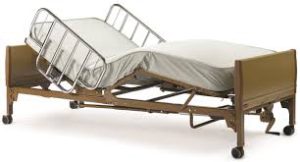
1. What is an Electric Hospital Bed?
Key Features of Electric Hospital Bed
-
Motorized Adjustments:
Electric Hospital beds use motors to raise and lower the headrest, knee section, and the overall bed platform.
-
Remote Control:
A handheld remote pendant allows the patient or caregiver to control all adjustments.
-
Height Adjustability:
The ability to raise and lower the entire bed’s height is crucial for safe transfers, caregiver tasks, and patient comfort.
-
Safety Features:
Many models include safety features like locking casters for mobility and battery backups in case of a power outage.
Types of Electric Hospital Beds
-
Full-Electric Hospital Beds:
These beds offer motorized control for head, foot, and height adjustments, providing maximum convenience and functionality for both patient and caregiver.
-
Semi-Electric Hospital Beds:
These beds combine electric adjustments for the head and foot sections with a manual hand crank for the overall bed height.
Benefits of Electric Hospital Beds
-
For Patients:
Increased comfort, improved sleep, better circulation, assistance with breathing, and enhanced independence.
-
For Caregivers:Reduced physical strain when assisting with patient care, making tasks like feeding, bathing, and transfers safer and more efficient.
An electric hospital bed is a bed equipped with a motorized system that allows patients and caregivers to adjust bed positions, height, and angles electronically. Unlike traditional manual beds, these beds offer:
-
Motorized height adjustment: Facilitates easier patient transfers and reduces caregiver strain.
-
Backrest and legrest control: Improves patient comfort and helps prevent bedsores.
-
Side rails and safety features: Ensures patient security, especially for the elderly or immobile.
Related Keywords: adjustable bed, patient care, comfort, safety, caregiver assistance
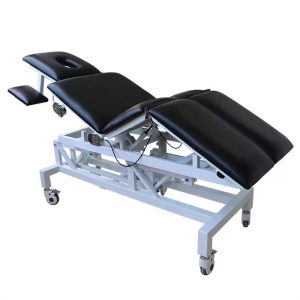
2. Key Features of Henyuan Medical Electric Hospital Beds
Henyuan Medical designs electric hospital beds with the following features, integrating the advantages identified from industry-leading brands:
| Feature | Description | Benefit |
|---|---|---|
| Motorized Adjustment | Backrest, legrest, and height can be controlled electronically | Enhances patient comfort, eases caregiver tasks |
| Side Rails | Sturdy, retractable rails | Prevents falls and injuries |
| Sleep Surface | High-density foam or mattress options | Reduces risk of bedsores, improves sleep quality |
| Emergency CPR Function | Quick flat position via button | Enhances patient safety during emergencies |
| Remote Control | Wired or wireless | Simple, intuitive operation |
| Weight Capacity | Up to 450 kg for bariatric models | Accommodates all patient types |
| Accessory Compatibility | IV poles, overbed tables, oxygen tank holders | Customizable for various medical needs |
Related Keywords: fully electric, height adjustable, patient comfort, caregiver ease, safety
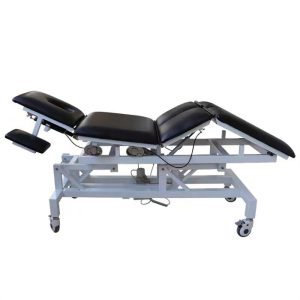
3. Applications and Use Cases of Electric Hospital Beds
In-patient hospital and clinical care
- Intensive Care Units (ICUs) and Critical Care: Advanced electric beds in these units offer features like integrated weighing scales, continuous vital sign monitoring, and specialized positioning such as Trendelenburg and reverse Trendelenburg. This allows for rapid response during medical emergencies and the management of critically ill patients.
- Preventing Pressure Ulcers: By allowing easy and frequent repositioning of patients, electric beds improve blood circulation and relieve pressure on vulnerable areas, significantly reducing the risk of bedsores. Advanced “smart beds” can even use pressure sensors to help predict and prevent these injuries automatically.
- Surgical and Post-operative Recovery: Electric beds aid in faster recovery by providing proper support and making it easy for patients to adjust their positions for better breathing and circulation. They are also used to properly position patients during examinations and treatments.
- Specialty Care Units: Electric beds are essential in specialized units for conditions like heart failure or spinal injuries, where specific positioning is required. Certain beds offer kinetic or rotational therapy to improve outcomes for immobile patients.
- Emergency Situations: Quick-release actuators on some electric beds enable caregivers to rapidly lower the bed, such as during a power outage or for emergency procedures like CPR.
In-home healthcare
- Elderly and Mobility-Impaired Patients: Electric beds are a critical tool for seniors and others with limited mobility, promoting independence by allowing them to adjust their bed with a remote control. The ability to lower the bed’s height makes it safer and easier to get in and out.
- Long-Term Illnesses and Disability: For patients with chronic conditions that require long-term rest, an electric bed provides customizable comfort to alleviate symptoms and improve quality of life. This can significantly benefit those with respiratory issues, edema, or severe arthritis.
- Caregiver Assistance: Electric beds reduce the physical strain on caregivers by eliminating the need for manual lifting and repositioning. The adjustable height is particularly useful when performing daily tasks like changing linens or assisting with personal care.
Integrated technology and specialized beds
- Smart Beds: These advanced electric beds go beyond basic positioning to incorporate sensor technology for real-time monitoring of vital signs and patient movement. They can wirelessly transmit clinical data to healthcare providers and include features like fall-risk alarms.
- Bariatric Beds: Heavy-duty electric beds are specially engineered to accommodate overweight and obese patients, ensuring their safety and comfort.
- Therapeutic Mattresses: Some electric beds are equipped with specialized mattresses that can automatically redistribute pressure or circulate air to heal wounds and prevent new ones from forming.
- Integrated Patient Entertainment: Some modern electric beds and adjustable beds include luxury features like built-in speakers and USB charging ports to enhance patient satisfaction.
Home Care
For patients recovering at home, Henyuan Medical electric beds provide a comfortable solution with adjustable positions to alleviate back pain, aid in mobility, and improve sleep quality. Families often choose these beds for short-term use after surgery or for patients with chronic conditions.
Example: Mr. Johnson, recovering from knee surgery, benefited from an electric hospital bed with motorized backrest and height adjustment, enabling him to move in and out of bed independently while reducing caregiver strain.
Medical Facilities
In hospitals and clinics, electric hospital beds are essential for patient safety, comfort, and efficient nursing care. Features like CPR flat positioning, adjustable height, and side rails help medical staff provide rapid interventions and maintain hygiene standards.
Example: A rehabilitation center equipped with Henyuan Medical electric beds reported a 30% improvement in patient mobility and satisfaction due to customizable positioning options.
Related Keywords: home hospital beds, long-term care beds, short-term use, medical equipment, patient safety
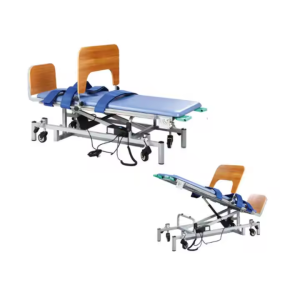
4. Choosing the Right Electric Hospital Bed: A Step-by-Step Guide
Selecting a hospital bed for home use involves more than comfort—it plays a key role in daily mobility, safety, and recovery. Families caring for aging loved ones often find that a standard mattress lacks the support and flexibility needed during long-term recovery or chronic illness. A hospital bed offers multiple adjustments, ease of transfers, and safer positioning for both patients and caregivers. Selecting the right model can help reduce physical strain and enhance the quality of life at home.
Types of Hospital Bed: Understanding Key Differences
Understanding the differences between bed types helps families make informed decisions based on the user’s mobility and condition. Manual hospital beds require hand cranks to adjust height and position, offering basic functionality at a lower cost. Semi-electric beds utilize a motorized system for head and foot adjustments, while maintaining manual height changes. Fully electric beds offer complete positioning control via a handheld remote, reducing strain for both users and caregivers.
Bariatric beds offer additional width and reinforced frames to support higher weight capacities without compromising safety or durability. These beds are ideal for users who need extra space or require long-term care support. Pediatric beds are scaled for children but often feature the same motorized options as adult beds. Knowing the purpose of each bed type ensures the model matches the care environment at home.
Specialty beds include low hospital beds designed to reduce the risk of falls, especially for individuals who are prone to rolling or becoming disoriented during the night. Some models come with advanced features, such as Trendelenburg positioning or lateral rotation, which are used in more complex care settings. Choosing such models depends on medical guidance and home care needs. For many families, a fully electric bed with essential safety features is often the most practical and versatile choice.
Durability, motor noise, and ease of control should also be considered when making your selection. Beds with quieter motors support restful sleep and reduce disturbances during night adjustments. Intuitive hand controls enhance independence for users who can adjust their position. Support rail compatibility, frame strength, and long-term maintenance options round out the decision-making process. Reviewing features alongside care requirements creates clarity in the selection process.
Mattress Options: Comfort and Clinical Support
A hospital bed is only as effective as the mattress it supports. Foam mattresses are a standard feature in many home setups due to their balance of comfort and effective pressure distribution. Alternating pressure mattresses help prevent bed sores by continually redistributing pressure points, making them ideal for users with limited mobility. Gel-infused options add cooling properties for enhanced temperature control during extended use.
Low-air-loss mattresses use a constant flow of air through tiny holes to minimize skin moisture and reduce heat buildup. These models are often recommended for individuals who are bedridden or have a high risk of skin breakdown. Hybrid mattresses combine foam and air technology to offer adjustable pressure relief with firmer edge support. Selection should depend on the user’s skin integrity, weight, and time spent in bed.
Some mattresses include perimeter guards to reduce rolling or unintentional movement, which adds an extra layer of safety during sleep. Waterproof covers protect the mattress core from spills or incontinence, ensuring longer product life and easier cleaning. Non-slip bottoms keep the mattress stable during movement and adjustment cycles. Combining proper support with hygiene features ensures long-term comfort and confidence.
Caregivers should also consider ease of rotation and cleaning when choosing a mattress. A lighter mattress allows for quicker changes and better accessibility during repositioning. Breathable materials help reduce odors and moisture buildup over time. Matching the right mattress to the hospital bed frame provides the best outcome for users needing supportive rest and recovery.
Safety Features to Consider for In-Home Use
Hospital beds in home settings must integrate safety features without creating a clinical or intimidating environment. Side rails prevent falls and assist with repositioning, making them critical for users with limited mobility. Some rails are full-length for complete protection, while others are half-length to allow easier access to the bed. Choosing the correct type depends on the user’s ability to transfer in and out of bed.
Locking wheels are essential for beds that need to be mobile yet stable during transfers or cleaning. A bed should remain stationary during movement to prevent shifting that could cause injuries. Emergency hand cranks provide manual operation in the event of a power failure, ensuring the user remains safe and adjustable. The strength and stability of the bed frame contribute to its long-term reliability during daily use.
Automatic stop mechanisms prevent the bed from descending below a safe threshold, reducing the risk of foot or hand entrapment. Some models offer nightlights or under-bed lighting to help users navigate dark rooms safely. Power cord organizers and tangle-free motor systems reduce trip hazards and maintenance issues. Built-in backup batteries provide added security during short-term outages.
Proper positioning with adjustable height also prevents back strain for caregivers. Raising the bed allows easier diaper changes, dressing, and patient transfers. Smooth motor movement ensures transitions happen without sudden shifts or jerks. A safe hospital bed setup benefits both the user and the family members assisting with care.
Ease of Operation and Maintenance
User-friendly hospital beds are designed with intuitive controls and low maintenance requirements. Handheld remotes with labeled buttons enable users or caregivers to easily adjust positions. Beds with programmable settings save preferred positions for quick use, reducing the need for constant manual input. Backlit controls help during nighttime adjustments without disturbing sleep.
Many beds offer quick-release rail systems and modular components, making them easier to repair or upgrade. Parts like motors, control boxes, and actuators are often designed for quick servicing or replacement. Scheduled maintenance keeps the bed operating smoothly, while warranty coverage provides peace of mind for families. The availability of loaner equipment during servicing ensures that users never go without essential care.
Cleaning and disinfecting are also critical considerations for daily use. Smooth surfaces and removable mattress covers make it easier to maintain hygiene without excessive effort. Waterproof materials and antimicrobial finishes prevent the buildup of bacteria or odor over time. Beds designed with caregiver efficiency in mind save time and reduce physical strain.
Transporting and adjusting the bed should also be taken into consideration. Foldable frames and locking casters make moving the bed from room to room more manageable. Lightweight designs with reinforced joints allow frequent repositioning without compromising strength. Families gain more flexibility when equipment integrates seamlessly with daily routines and living space layouts.
Choosing the Right Accessories for Added Comfort
Accessories can enhance the usefulness and comfort of any hospital bed used at home. Overbed tables provide a stable surface for eating, reading, or using electronic devices, offering a convenient and ergonomic solution for these tasks. Some models tilt or swivel for easier use while lying down, adding functionality without requiring you to leave the bed. Storage baskets or pouches help users keep personal items within reach.
Bed rails with padding improve grip while protecting skin from pressure injuries. Some accessories include built-in organizers for glasses, remotes, or medication. Adjustable reading lamps and clip-on fans increase comfort without needing room-wide adjustments. Every added feature helps personalize the bed setup to match daily living habits.
Lifting poles or trapeze bars allow users to reposition themselves using upper body strength. These supports improve autonomy during transfers and reduce reliance on caregivers. Built-in scales enable daily weight tracking without requiring users to switch to a separate standing scale. The right combination of accessories creates a safer and more user-centered environment.
A quality hospital bed should blend seamlessly with its surroundings. Adding mattress elevators, remote-controlled lighting, or bed-step units makes care easier without disrupting home aesthetics. Thoughtful integration of tools around the bed space supports the overall care plan and reduces stress for everyone involved.
Making the Right Hospital Bed Choice for Home
Hospital beds are essential tools that enhance safety, comfort, and quality of care in the home. Understanding features, comfort levels, and accessories helps families choose equipment that supports long-term wellness. Each selection should reflect the user’s condition, home environment, and caregiving capabilities. Investing in the right bed setup provides stability and peace of mind.
Selecting the perfect electric hospital bed depends on multiple factors:
Step 1: Define the Purpose
-
Home Care: Focus on comfort, ease of operation, and quiet motors.
-
Hospital/Clinic: Prioritize durability, safety features, and compatibility with medical equipment.
Step 2: Check Weight Capacity
-
Standard beds support 150–200 kg.
-
Bariatric models handle 250–450 kg.
Step 3: Evaluate Adjustable Features
-
Backrest, legrest, and height controls.
-
Ability to integrate accessories like IV poles or overbed tables.
Step 4: Assess Safety Features
-
Side rails, lockable wheels, emergency CPR functionality.
Step 5: Consider Mattress Options
-
High-density foam for home use.
-
Pressure-relief mattresses for long-term care or ICU beds.
Step 6: Confirm Warranty and Support
-
Henyuan Medical provides full warranty and after-sales support, ensuring peace of mind.
Related Keywords: electric beds, bed accessories, patient comfort, caregiver assistance, home care
5. Technical Specifications Table
| Model | Motor Type | Height Range | Weight Capacity | Side Rails | Mattress Type |
|---|---|---|---|---|---|
| HEB-100 | Dual motors | 40–80 cm | 200 kg | Retractable | High-density foam |
| HEB-200 | Triple motors | 38–80 cm | 250 kg | Retractable | Pressure-relief |
| HEB-300 (Bariatric) | Heavy-duty motors | 40–85 cm | 450 kg | Retractable | Pressure-relief + gel topper |
Related Keywords: motor controls, height adjustment, bed rails, patient safety, comfort
6. Tips for Maintaining Your Electric Hospital Bed
Daily & Weekly Maintenance
-
Daily:
Wipe high-touch surfaces like side rails, bed controls, and the remote with a damp cloth and mild disinfectant.
-
Weekly:
- Change and wash bedding.
- Clean the entire bed frame, mattress, and control panel with a hospital-grade disinfectant.
- Wipe down the mattress cover.
- Inspect electrical cords and cables for any signs of fraying or damage.
- Change and wash bedding.
Monthly & Less Frequent Maintenance
-
Monthly:
- Perform a visual inspection of the bed frame, motors, and actuators for rust, cracks, or other damage.
- Lubricate moving parts using the lubricant recommended in the manufacturer’s manual.
- Test the functionality of the Hi-Lo and lockout controls.
- Check and securely reattach all electrical connections and ensure the ground wire is secure.
- Perform a visual inspection of the bed frame, motors, and actuators for rust, cracks, or other damage.
-
Periodically:
- Rotate or flip the mattress to ensure even wear and prolong its life.
- Conduct deep cleaning sessions, including removing the mattress, to thoroughly clean the frame and components.
- Test the backup battery function for power outages.
- Rotate or flip the mattress to ensure even wear and prolong its life.
Key Safety & Usage Tips
-
Disconnect Power:
Always unplug the bed before cleaning electrical components or performing maintenance.
-
Manufacturer’s Manual:
Consult the owner’s manual for specific cleaning instructions, approved disinfectants, and recommended lubrication points.
-
Report Malfunctions:
If you notice any electrical issues, such as unusual noises, slow response times, or inconsistent operation, discontinue use and contact a trained technician or professional immediately.
-
Protect the Mattress:Use a protective mattress cover to prevent stains and protect against bodily fluids, making cleaning easier.
-
Regular Cleaning: Wipe bed frame and mattress to prevent infections.
-
Motor Maintenance: Inspect motors monthly and check for unusual noises.
-
Battery Backup: Some models include UPS backup for temporary power loss.
-
Lubricate Wheels: Ensures smooth mobility.
-
Check Safety Features: Test side rails, brakes, and emergency CPR function regularly.
7. Why Choose Henyuan Medical?
Henyuan Medical stands out for its commitment to quality, safety, and comfort. By combining features from leading industry beds with customized solutions for home and clinical environments, Henyuan Medical ensures every electric hospital bed enhances patient care and caregiver efficiency.
-
Advanced Motorized Controls
-
Multiple Safety Features
-
Customizable Mattress Options
-
Bariatric and Standard Models
-
Full After-Sales Support
Conclusion
Investing in a Henyuan Medical electric hospital bed is an investment in patient comfort, caregiver convenience, and overall safety. Whether for home care, short-term recovery, or hospital use, these beds offer unparalleled flexibility, advanced features, and proven reliability. With this guide, you now have the knowledge to select the perfect electric hospital bed, ensuring the best care for yourself or your loved ones.
