

? Hospital Bed at Home: A Complete Guide for Home Care and Comfort
As healthcare evolves, more patients are receiving care in the comfort of their own homes. One essential piece of equipment for home-based care is the hospital bed at home. These beds provide safety, comfort, and support for patients with limited mobility, chronic conditions, or post-surgical recovery needs. In this guide, we will explore key features, technical specifications, benefits, and Henyuan Medical recommendations for home hospital beds, ensuring both patient and caregiver satisfaction.
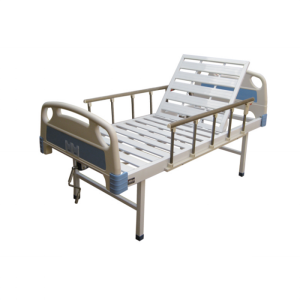
? Key Features of Hospital Beds at Home
Adjustable Features
-
Adjustable Height:
The ability to raise or lower the entire bed frame improves caregiver ergonomics by allowing the bed to be set at waist height and helps with safe transfers of the patient.
-
Head and Foot Elevation:
Independent adjustments for the head and foot sections allow for personalized comfort and position changes, which can help relieve pressure, promote good circulation, and improve breathing.
-
Trendelenburg Positioning:
Some beds offer a tilt feature that positions the entire bed at an angle, which can be beneficial for certain medical procedures or conditions affecting blood circulation.
Safety & Mobility
-
Side Rails:
These can be raised to prevent falls and provide support for the patient to get in and out of bed, enhancing independence and safety.
-
Brake System:
Wheels with secure brakes prevent the bed from moving unintentionally, ensuring stability and safety.
-
Assist Rails:
Handrails and grab supports help with mobility, allowing patients to maneuver more easily.
Patient Support & Comfort
-
Pressure Relief:
Adjusting the bed’s position helps relieve pressure on the body, preventing the formation of bedsores.
-
Improved Mobility:
The combination of adjustable height and side rails can make it easier for patients to get in and out of bed, supporting their autonomy.
-
Ergonomics for Caregivers:Lowering the bed for transfers and raising it to a comfortable height for procedures makes the care process safer and more comfortable for caregivers.
1. Manual, Semi-Electric, and Full Electric Beds
Home hospital beds come in different types:
-
Manual Beds: Adjusted using mechanical cranks; suitable for budget-conscious home care scenarios.
-
Semi-Electric Beds: Head and foot adjustments are electric, while height adjustments remain manual.
-
Full Electric Beds: Height, head, and foot sections are fully motorized for maximum convenience.
Henyuan Medical provides full-electric beds with smooth motorized adjustments, enabling patients to independently change positions without caregiver assistance.
2. Adjustability and Profiling Functions
A critical feature of hospital beds at home is adjustability. Patients can elevate the head, foot, or entire bed, which improves comfort, promotes circulation, and assists in rehabilitation. Advanced beds often feature Trendelenburg and reverse Trendelenburg positions, commonly used in post-surgical recovery and ICU-level care at home.
3. Safety Features
Safety is paramount. Home hospital beds should include:
-
Reinforced Side Rails: Prevent falls and assist patients when moving.
-
Lockable Wheels: Ensure the bed stays in place during transfers.
-
Emergency Lowering Mechanisms: Allow caregivers to adjust the bed quickly in urgent situations.
Henyuan Medical beds are designed with reinforced rails and high-strength frames to ensure both patient safety and caregiver efficiency.
4. Compatibility with Accessories
To enhance home care, hospital beds can accommodate a variety of accessories:
-
Specialized mattresses to prevent pressure ulcers
-
Overbed tables for meals and therapy
-
Patient lifts and hoists for mobility support
-
Bedside storage and monitoring equipment
Henyuan Medical offers a complete ecosystem of compatible home care accessories, ensuring comfort and convenience.
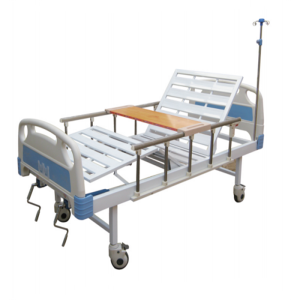
? Technical Specifications: Henyuan Medical Home Hospital Beds
| Feature | Henyuan Model A | Henyuan Model B | Notes |
|---|---|---|---|
| Bed Type | Full Electric | Semi-Electric | Full electric recommended for independent adjustments |
| Height Adjustment | 16–30 inches | 18–28 inches | Adjustable height for caregiver ergonomics |
| Weight Capacity | 600 lbs | 500 lbs | Suitable for most home patients |
| Dimensions | 42″x84″ | 42″x82″ | Fits standard home rooms |
| Side Rails | Reinforced, foldable | Standard | Safety and patient mobility |
| Trendelenburg Positions | Yes | No | Optional for post-surgical care |
| Accessories Compatibility | Mattress, lift, overbed table | Mattress, overbed table | Enhances home care functionality |
?️ Benefits of Hospital Beds at Home
Improved health and recovery
- Prevent pressure sores: Adjustability allows for frequent repositioning, which helps prevent painful pressure ulcers that can develop from prolonged time spent in one position.
- Enhance circulation: Elevating the head or legs improves blood flow, reducing swelling (edema), preventing blood clots, and aiding in recovery from surgery or other medical conditions.
- Ease breathing issues: An elevated head position opens airways, which is beneficial for those with respiratory conditions like sleep apnea, COPD, or asthma.
- Reduce pain: The ability to find a custom position relieves pressure on joints, the spine, and specific pain points, helping with conditions like arthritis or sciatica.
Increased comfort and independence
- Personalized comfort: Patients can use a remote to adjust the head, foot, and height of the bed to find the most comfortable position for sleeping, reading, or watching television.
- Better mobility: Adjusting the bed height makes it easier and safer for patients to get in and out of bed, promoting independence and dignity.
- Accommodate specific conditions: Features like Trendelenburg positioning (head down, feet up) or a cardiac chair position can help manage specific medical issues.
- Support emotional well-being: Recovering in a familiar home setting, surrounded by loved ones, can positively affect a patient’s emotional health and contribute to a faster recovery.
Benefits for caregivers
- Easier transfers: The ability to raise and lower the bed to an appropriate working height minimizes the physical strain and risk of back injury when helping a patient in or out of bed.
- Simpler daily tasks: Adjustable height makes it easier for caregivers to assist with daily tasks such as bathing, repositioning, and administering medication or meals.
Enhanced peace of mind and efficiency
- Fall prevention: Features like adjustable side rails provide a physical barrier to prevent patients from falling out of bed, offering peace of mind, especially for those with limited mobility.
- Greater safety: Locking casters secure the bed in place during transfers and care, preventing unintended movement.
- Easier access to equipment: The design of hospital beds accommodates medical equipment and accessories like overbed tables and trapeze bars.
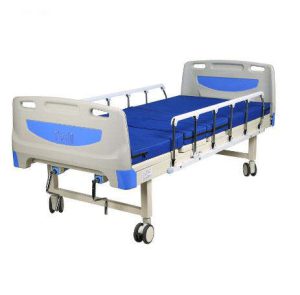
Enhanced Patient Comfort
Adjustable beds allow patients to achieve optimal positioning for sleeping, reading, or rehabilitation, reducing discomfort and pressure sores. Full-electric Henyuan Medical beds empower patients with independent control over their positioning.
Improved Caregiver Efficiency
Caregivers can perform repositioning, transfers, and daily care tasks safely thanks to adjustable height, reinforced rails, and smooth electric operation. This reduces physical strain and improves care efficiency.
Flexibility Across Settings
Whether in a home care, rehabilitation, or post-surgical recovery setting, hospital beds at home adapt to different patient needs, providing ICU-level functionality in a domestic environment.
? Buying Guide: Choosing the Right Home Hospital Bed
1. User and Caregiver Needs
-
Mobility & Assistance:
- For limited mobility: Look for beds with electric, adjustable frames and head/foot sections controlled by a hand remote.
- For transfer needs: A high-low elevation feature is crucial for easier transfers to wheelchairs or canes.
- For fall prevention: Lower the bed to less than 10 inches off the floor, and ensure the side rails can be raised and lowered as needed for safety and support.
-
Weight Capacity:Ensure the bed’s weight capacity is sufficient to safely support the user, preventing frame collapse.
2. Space & Aesthetics
-
Room Dimensions:
Measure the available room space to ensure the bed fits comfortably and allows at least 3 feet of clearance on three sides for patient movement and caregiver access.
-
Aesthetics:
Choose headboard and footboard options with colors and finishes that complement your home’s décor.
3. Features & Power Types
-
Power Types:
- Manual Beds: Require a hand crank to adjust the bed.
- Semi-Electric Beds: Allow the head and foot of the bed to be adjusted with a button-powered hand control.
- Full-Electric Beds: Offer full adjustability of the frame, head, and foot sections via an electric hand control.
- Manual Beds: Require a hand crank to adjust the bed.
-
Safety Features:
- Side Rails: Provide a safety barrier against falls and support for repositioning.
- Locking Wheels: Ensure the bed is stable and secure when in place.
- Emergency Controls: An emergency stop function on motorized beds can be essential.
- Side Rails: Provide a safety barrier against falls and support for repositioning.
-
Mattress Compatibility:Select a mattress designed to work with your specific hospital bed to ensure proper support and function.
4. Cost & Practicalities
-
Cost:
Prices for a new home hospital bed can range from around $500 to over $5,000, depending on features and the model.
-
Insurance Coverage:
Medicare may cover the cost of a hospital bed if your doctor deems it medically necessary for your condition and provides a prescription detailing the need for the bed.
-
Renting:Consider renting for short-term use if the bed is only needed for a few weeks or months, which can be more cost-effective than purchasing.
-
Bed Type: Choose between manual, semi-electric, and full-electric depending on patient independence and budget.
-
Weight Capacity: Ensure the bed supports the patient’s weight safely.
-
Adjustability: Check head, foot, and height adjustments; Trendelenburg function is useful for clinical care.
-
Space Considerations: Measure the room to ensure proper fit and caregiver access.
-
Accessories: Evaluate mattress type, overbed tables, side rails, and compatibility with lifts or hoists.
-
Safety Features: Confirm lockable wheels, reinforced rails, and emergency lowering mechanisms.
? Real-Life Case Studies
1. Obtain a Prescription
-
Medical Need:Your healthcare provider must document that your medical condition makes a standard bed unsafe or insufficient.
-
Prescription Details:The prescription should specify why an adjustable hospital bed is medically required for your treatment.
2. Arrange for Delivery & Assembly
-
Delivery:
Once you have the prescription, you can order the bed through your insurance provider, a medical supply company, or a rental service.
-
Assembly:
The bed will arrive in boxes and requires assembly, which can be done by following manufacturer instructions or by a delivery engineer.
-
Tools Needed:
You’ll need basic tools like a box cutter, scissors, and the wrench provided with the bed.
3. Set Up for Safe Use
-
Space Planning:
Allow at least 3 feet of clearance around the bed for movement and medical equipment.
-
Positioning:
Place the bed where you can see both the window and the door, and ensure you have easy access to a telephone and a bell within reach.
-
Locking Casters:
Lock the bed’s wheels at all times, except when a patient is getting in or out of it, to prevent unwanted movement.
-
Secure Rails:
Keep the side rails up for safety, removing them only when someone is getting in or out of the bed.
-
Hand Control:Place the hand control within easy reach to allow for convenient adjustment of the head, knees, and overall bed height.
Case Study 1: Post-Surgery Recovery
Patient: Mrs. Johnson, recovering from hip surgery at home
Solution: Henyuan Medical Full Electric bed with reinforced side rails and adjustable height
Outcome: Enabled safe transfers, reduced pain, and improved sleep quality
Case Study 2: Home Care for Chronic Illness
Patient: Mr. Lee, 450 lbs, limited mobility
Solution: Henyuan Model B semi-electric bed with compatible pressure-relief mattress
Outcome: Improved comfort, easier caregiver access, and reduced pressure sore risk
Case Study 3: Elderly Care at Home
Patient: Mrs. Smith, 78 years old, requires frequent repositioning
Solution: Henyuan Full Electric bed with Trendelenburg positioning
Outcome: Assisted with circulation, eased caregiver tasks, and provided patient independence
⚙️ Accessories and Additional Recommendations
-
Mattresses: Foam, air, or alternating pressure for pressure sore prevention
-
Overbed Tables: For meals, reading, or therapy
-
Patient Lifts/Hoists: Assist in safe transfers for immobile patients
-
Bedside Storage: Convenient for personal items and medical supplies
Henyuan Medical offers a full suite of accessories compatible with their home hospital beds.
? Conclusion
A hospital bed at home is not just a piece of furniture; it is an essential healthcare tool for ensuring safety, comfort, and efficient caregiving. Henyuan Medical provides heavy-duty, fully adjustable, and accessory-compatible beds suitable for diverse home care settings. By considering weight capacity, adjustability, accessories, and safety features, families can create a home environment that promotes recovery, independence, and quality of life.
This guide integrates comprehensive insights on manual, semi-electric, and full-electric beds, adjustable beds, home care accessories, patient handling, and Henyuan Medical products, maximizing SEO value for the keyword hospital bed at home while naturally covering related terms.
