

Henyuan Medical Hospital Bed Cost: Your Complete Guide
Choosing the right hospital bed for home or healthcare settings is critical for patient comfort, safety, and efficient care. Among the key considerations, understanding the hospital bed cost is essential for budgeting and selecting the right bed type. Henyuan Medical offers a wide range of hospital beds for home care, long-term care, and post-surgery recovery, ensuring optimal performance and safety.
This comprehensive guide covers pricing, bed types, key features, technical specifications, real-life case studies, and expert tips to help you make an informed choice.
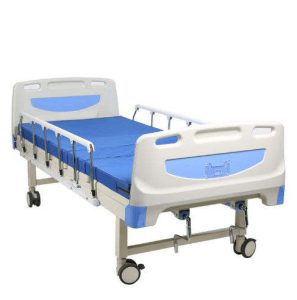
1. Understanding Hospital Bed Cost
Factors Influencing Cost
-
Bed Type:
- Manual: Most budget-friendly, relying on hand cranks for adjustments.
- Semi-Electric: Combines manual height adjustment with electric head/foot adjustments, offering a balance of convenience and cost.
- Fully-Electric: Features motorized adjustments for head, foot, and height, controlled by a remote.
- Manual: Most budget-friendly, relying on hand cranks for adjustments.
-
Specialized Features:
- Bariatric Beds: Designed to hold heavier weights, these are more expensive due to their heavy-duty frames.
- Low Hospital Beds: Engineered to help prevent falls, with prices varying by additional features.
- Specialty Beds: Hospital-grade beds with advanced clinical features, pressure ulcer prevention surfaces, or integrated monitoring systems are the most expensive.
- Bariatric Beds: Designed to hold heavier weights, these are more expensive due to their heavy-duty frames.
-
Accessories:Items like side rails, mattresses, and specialized support surfaces add to the total cost.
-
Brand and Quality:Reputable brands known for durability may have higher upfront costs but offer better long-term value.
-
Rental vs. Purchase:For short-term needs, renting a bed can be more cost-effective, while long-term ownership might justify the higher investment in a quality bed.
How to Budget for a Hospital Bed
-
Assess Patient Needs:Determine if manual, semi-electric, or fully-electric features are necessary.
-
Consider Insurance:Check with your insurance provider, like Medicare, to see which types of beds and features are covered as durable medical equipment (DME).
-
Compare Rental and Purchase:Explore rental options for temporary use, and compare them to the long-term cost of purchasing a bed.
-
Factor in Accessories:Don’t forget to budget for essential accessories like mattresses and side rails.
Hospital bed costs vary widely depending on type, features, and additional accessories. Based on industry research and market comparisons, here’s an overview:
| Bed Type | Typical Cost Range | Notes |
|---|---|---|
| Manual Bed | $270 – $700 | Hand-crank adjustable, simplest design, ideal for budget-conscious home care |
| Semi-Electric Bed | $900 – $2,500 | Motorized head/foot adjustment, manual height, balance of cost and convenience |
| Fully Electric Bed | $2,500 – $5,000+ | Motorized height, head, and foot adjustments, remote control, low-floor safety |
| Bariatric Bed | $3,000 – $9,000 | Heavy-duty frame, wider surface, reinforced rails for higher weight capacity |
Note: Prices may vary based on mattress inclusion, safety rails, accessories, shipping, and taxes. Henyuan Medical offers competitive pricing without compromising quality.
Related Keywords: home hospital bed, full electric bed, semi-electric bed, manual bed, bariatric bed, adjustable bed, bed accessories, rental, insurance coverage.
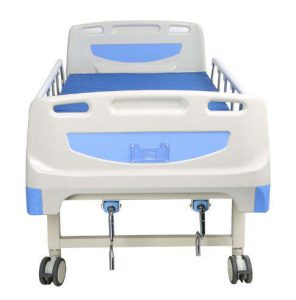
2. Types of Henyuan Medical Hospital Beds
Henyuan Medical provides multiple types of hospital beds tailored for home and healthcare environments:
-
Manual Beds
-
Hand-crank adjustments for head and foot
-
Lightweight, easy to transport
-
Cost-effective, ideal for short-term or budget-conscious care
-
-
Semi-Electric Beds
-
Motorized head and foot adjustment
-
Manual height adjustment
-
Simple remote control, safe and easy to operate
-
-
Fully Electric Beds
-
Motorized height, head, and foot adjustments
-
Low-floor option reduces fall risk
-
Whisper-quiet motors for patient comfort
-
-
Bariatric Beds
-
Heavy-duty frame for higher weight capacity
-
Wider surface area
-
Reinforced rails and high-quality mattress support
-
-
Low Beds for Fall Prevention
-
Floor-level bed to minimize fall injuries
-
Adjustable head and foot
-
Safety rails included
-
3. Key Features of Henyuan Medical Hospital Beds
Safety & Fall Prevention
-
Side rails for patient support and movement
-
Low-floor designs for elderly or high-fall-risk patients
-
Sturdy frames with anti-slip mechanisms
Comfort & Ergonomics
-
Adjustable head, foot, and bed height
-
Pressure-relieving mattresses for long-term use
-
Whisper-quiet motors for minimal disturbance
Convenience & Accessibility
-
Easy-to-use remote control for fully electric beds
-
Optional accessories: overbed table, IV pole, mattress pad
-
Simple assembly and maintenance
4. Technical Specifications Table
| Feature | Manual | Semi-Electric | Fully Electric | Bariatric | Low Bed |
|---|---|---|---|---|---|
| Head/Foot Adjustment | Crank | Electric | Electric | Electric | Electric |
| Height Adjustment | Manual | Manual | Electric | Electric | Electric |
| Weight Capacity | 250–300 lbs | 300–400 lbs | 300–400 lbs | 400–600 lbs | 300 lbs |
| Safety Rails | Optional | Optional | Included | Included | Included |
| Mattress | Optional | Optional | Included | Included | Included |
| Motor Noise | None | Low | Whisper-Quiet | Whisper-Quiet | Whisper-Quiet |
| Suitable for Home Use | ✔ | ✔ | ✔ | ✔ | ✔ |
5. Factors Influencing Hospital Bed Cost
Factors Related to the Bed Itself
-
Type and Features:
- Manual Beds: These are generally the most affordable, requiring manual effort to adjust.
- Semi-Electric/Fully-Electric Beds: Motorized adjustments for back, legs, and height significantly increase costs.
- Specialty Beds: Beds designed for specific conditions, such as bariatric beds for heavier patients, orthopedic beds, or beds with built-in scales, are more expensive due to their specialized design and features.
- Manual Beds: These are generally the most affordable, requiring manual effort to adjust.
-
Materials and Construction:The quality and durability of materials, such as carbon steel frames and sturdy side rails, impact the bed’s cost and longevity.
-
Accessories:The price increases with accessories like specialty mattresses, side rails, and overbed tables.
-
Brand Reputation:Established brands known for quality, reliability, and strong warranties often command higher prices.
-
Weight Capacity:Beds designed to support higher weight capacities require stronger, more expensive components and materials.
Factors Related to Institutional Costs (for hospital-owned beds)
-
Quality of Facilities and Services:High-level medical services require significant investment in equipment and training, which gets reflected in bed prices.
-
Investment in Technology:Hospitals must continuously invest in advanced medical equipment to improve treatment and service quality, contributing to higher costs.
-
Human Resource Costs:Recruitment, training, and compensation for highly skilled medical staff are a significant component of the overall hospital cost.
-
Maintenance and Facility Costs:The ongoing costs associated with maintaining hospital facilities and equipment also influence bed prices.
-
Insurance and Payment Mechanisms:The prevailing medical insurance system and payment mechanisms directly impact the final price of hospital beds and services.
-
Bed Type: Manual < Semi-Electric < Fully Electric < Bariatric
-
Additional Features: Rails, IV poles, mattress type, remote control
-
Accessories: Overbed tables, mattress pads, protective covers
-
Delivery & Installation: Shipping costs vary by region
-
Insurance Coverage: Medicare or private insurance may cover part of the cost if prescribed
6. How to Choose the Right Bed
Factors Affecting Hospital Bed Cost
-
Type and Adjustment Mechanism:
- Manual beds: are the least expensive, requiring hand cranks for adjustments.
- Semi-electric beds: offer powered head and foot adjustments but have a manual height crank.
- Full-electric beds: provide complete remote-controlled adjustments for head, foot, and height, making them the most expensive option.
- Manual beds: are the least expensive, requiring hand cranks for adjustments.
-
Features and Specifications:
- Specialized Beds: Beds for specific conditions, such as bariatric beds for heavier individuals or low beds to prevent falls, are more expensive due to reinforced frames and specialized designs.
- Advanced Functionality: Beds with integrated scales, specific positioning capabilities like Trendelenburg, or extended height ranges command higher prices.
- Specialized Beds: Beds for specific conditions, such as bariatric beds for heavier individuals or low beds to prevent falls, are more expensive due to reinforced frames and specialized designs.
-
Brand Reputation and Quality:
- Well-known brands often charge a premium for their reputation for durability, quality, and better warranty/customer support.
- Well-known brands often charge a premium for their reputation for durability, quality, and better warranty/customer support.
-
Accessories:
- Beds that include mattresses, side rails, overbed tables, or storage add to the upfront cost but can provide significant long-term value.
- Beds that include mattresses, side rails, overbed tables, or storage add to the upfront cost but can provide significant long-term value.
-
New vs. Reconditioned:
- New: beds offer the latest features and warranties but come at a higher price point.
- Reconditioned: (or pre-owned) beds can provide significant savings and are a good option for budget-conscious buyers.
- New: beds offer the latest features and warranties but come at a higher price point.
How to Choose the Right Bed
-
Assess Medical Needs:Consult with a healthcare provider to determine the essential features and type of bed (e.g., manual, electric, bariatric) needed for the user’s specific condition and level of mobility.
-
Consider the Duration of Use:Decide whether to rent or buy. Renting is ideal for short-term needs, while purchasing may be more cost-effective for long-term care.
-
Factor in Accessories and Installation:Determine which accessories (like side rails) are essential and compare the total cost, including potential fees for shipping and installation, which can vary significantly by retailer.
-
Compare Prices:Research different medical supply stores and online retailers to find competitive pricing for similar models.
-
Look for Financial Assistance:If the cost is prohibitive, inquire about programs or organizations that may offer low-cost or free beds for those in need.
Step 1: Assess Patient Needs
-
Mobility level, chronic conditions, post-surgery recovery
-
Safety requirements, such as fall risk
Step 2: Determine Home Fit
-
Measure room space, door width, and ceiling clearance
-
Check power outlets for electric beds
Step 3: Set Budget
-
Decide between purchase, rental, or insurance coverage options
-
Consider long-term maintenance costs
Step 4: Select Features
-
Adjustable height, side rails, mattress type, bariatric support
-
Compatibility with home healthcare equipment
7. Real-Life Case Studies
- Traditional model: Patients were moved between the intensive care unit (ICU), a telemetry floor, and other units during their hospital stay.
- Universal bed model: Patients remained in a single specialized room throughout their entire stay.
- The universal bed model achieved an average cost savings of between $6,200 and $9,500 per patient.
- Cost savings were a result of a shorter ICU and total hospital length of stay, which offset the higher cost of a specialized ICU bed.
- The new model improved outcomes, including decreased ventilation time and lower rates of atrial fibrillation and infections.
- Patient satisfaction was in the 99th percentile, suggesting that better care correlated with greater efficiency.
- Problem: The hospital was renting a large number of beds, including pressure-relieving “skin beds” and bariatric models.
- Solution: A quality improvement initiative was launched to reduce facility-acquired pressure injuries (PSI-03 rates).
- Results:
- By focusing on prevention, the hospital reduced its PSI-03 rates by 66%.
- This led to an 83% reduction in skin bed rentals, and a 39% reduction in miscellaneous bed rentals, resulting in total savings of $654,955 in 2019.
- Context: Many high-income countries reduced hospital bed capacity over two decades, often citing increased efficiency.
- Analysis: The study correlated changes in bed capacity and mortality rates across 21 Swedish regions.
- Results:
- Regions that retained more beds experienced greater decreases in mortality.
- The researchers estimated that retaining three extra beds was associated with one less death per year.
- The opportunity cost of reducing bed capacity was determined to be significant, highlighting that insufficient capacity can degrade quality of care.
Key takeaways from these case studies
- Bed selection matters: The cost of a hospital bed varies dramatically by type, ranging from standard frames ($4,500–$7,000) to ICU beds ($25,000–$30,000) and bariatric beds ($35,000–$40,000). Specialty mattresses can add an extra $1,200 to $4,000.
- Capacity strain is costly: When hospitals face capacity strain, it negatively impacts patient care and increases costs, a problem that worsened during the COVID-19 pandemic.
- Investment can reduce total cost: While high-quality beds have higher upfront costs, they can reduce overall expenses by shortening a patient’s stay, improving outcomes, and decreasing the need for costly specialty bed rentals.
- Secondhand equipment as an option: For hospitals with tight budgets, such as Critical Access Hospitals, purchasing high-quality refurbished beds can significantly reduce upfront investment (by 50% or more) and free up capital for other areas of patient care.
- Short-term rentals can be a false economy: Renting beds is an option for short-term needs, but for longer-term use, buying is often the more economical choice.
Case 1: Post-Surgery Recovery
A patient recovering from hip surgery used a Henyuan fully electric bed. Adjustable height and head positioning helped caregivers provide support while promoting comfort.
Case 2: Elderly Care
An elderly patient used a low bed with safety rails, reducing fall risk while allowing safe mobility.
Case 3: Bariatric Home Care
A bariatric patient benefited from a reinforced heavy-duty bed with wide surface and strong rails, supporting long-term home care safely.
8. FAQs
Q1: Does insurance cover hospital beds at home?
A: Medicare Part B and some private insurers may cover beds if prescribed by a doctor for medical necessity.
Q2: Are fully electric beds necessary?
A: Fully electric beds offer maximum convenience and safety but come at a higher cost. Semi-electric or manual beds may suffice for lower-risk patients.
Q3: What’s the typical lifespan of a hospital bed?
A: With proper use and maintenance, Henyuan Medical beds last 7–10 years or longer.
9. Conclusion
Understanding hospital bed cost is crucial for making an informed decision about home or healthcare use. Henyuan Medical offers a full range of options from manual, semi-electric, fully electric, bariatric, to low beds, ensuring safety, comfort, and value.
By considering patient needs, home fit, features, and budget, you can select the perfect bed that enhances care quality and provides peace of mind for both patients and caregivers.
