

Wholesale Manual Hospital Beds: Reliable and Affordable Solutions from HENYUAN Medical
In the healthcare industry, the demand for durable and affordable manual hospital beds has grown rapidly, particularly among hospitals, nursing homes, and rehabilitation centers. HENYUAN Medical, a leading wholesale supplier of manual hospital beds, provides a wide range of models that combine ergonomic design, safety, and cost-effectiveness.
Whether you manage a large healthcare institution or a small clinic, choosing the right wholesale manual hospital bed is essential for patient comfort and long-term operational efficiency.
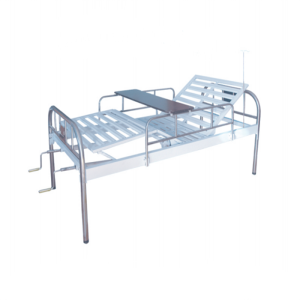
1. What Is a Manual Hospital Bed?
A manual hospital bed is a type of medical bed operated by hand cranks to adjust the head, foot, or overall height of the bed. Unlike electric models, manual beds do not rely on motors—making them cost-effective, reliable, and easy to maintain.
Key Benefits of Manual Beds:
-
No risk of motor failure – ideal for regions with unstable electricity supply.
-
Lower maintenance cost – simple structure and easy parts replacement.
-
High durability – strong steel frame for long-term use.
-
Affordable pricing – ideal for bulk procurement and home care applications.
HENYUAN Medical’s manual beds are designed to meet ISO and CE standards, ensuring safety, stability, and long service life.
Key features
-
Manual operation:Adjustable positions are controlled by turning hand cranks, not by electric motors.
-
Adjustable positions:Most can adjust the head and foot of the bed; three-crank models can also adjust the overall height.
-
Caregiver-operated:Patients cannot change the bed’s position themselves; it requires a caregiver to operate the cranks.
-
Durable and reliable:They have fewer electrical components, which means they are generally more durable and require less maintenance.
-
No electricity needed:The bed functions even during power outages.
Advantages
- Cost-effective: Manual beds are typically less expensive than electric models.
- Low maintenance: The lack of electrical parts leads to a longer lifespan and easier repairs.
- Power outage-proof: They will continue to function without electricity, making them ideal for areas with unreliable power.
Potential drawbacks
- Requires physical effort: A caregiver must physically turn the cranks to make adjustments.
- Can be slow: The adjustment process can be slow and may not be as comfortable for the patient as an electric bed.
- Patient dependency: The patient must wait for a caregiver to change their position for comfort or other needs.
2. Types of Manual Hospital Beds Offered by HENYUAN Medical
HENYUAN Medical supplies various types of wholesale manual hospital beds, catering to diverse medical environments:
| Type | Description | Adjustment Functions | Ideal For |
|---|---|---|---|
| 1-Function Manual Bed | Simple backrest adjustment | Head up/down | Home care, basic wards |
| 2-Function Manual Bed | Back and leg elevation | Head & foot crank | Nursing homes, clinics |
| 3-Function Manual Bed | Back, leg, and height adjustment | 3 hand cranks | Hospitals, ICUs |
| Manual Crank Pediatric Bed | Designed for children | Safety side rails | Pediatric wards |
| Manual Home Care Bed | Foldable & portable | Head & foot | Private patients, home care |
All models feature powder-coated steel frames, removable headboards, IV poles, and locking castors for smooth mobility and safety.
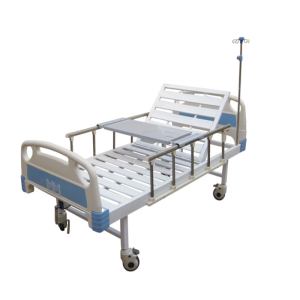
3. Why Choose HENYUAN Medical for Wholesale Manual Beds?
As a trusted hospital furniture manufacturer, HENYUAN Medical integrates advanced design, mass production, and strict quality control.
Advantages at a Glance:
-
Factory-direct wholesale pricing
-
OEM/ODM customization available
-
Bulk export experience to 80+ countries
-
CE & ISO 13485 certified production lines
-
Professional packaging and fast shipment
HENYUAN Medical’s manual hospital beds are not only popular in hospitals but also widely used in rehabilitation centers, emergency rooms, and home nursing facilities.
- Lower price per unit: Buying manual beds in bulk from wholesalers drastically reduces the per-unit cost compared to retail purchases. This allows facilities to manage their budget more efficiently.
- Reduced operational costs: Manual beds do not rely on electricity, which eliminates ongoing energy expenses. They also have fewer mechanical parts than electric beds, resulting in lower maintenance and repair costs over the long term.
High reliability and durability
- Low risk of failure: Manual beds use hand cranks or levers, so they are not susceptible to motor failure or electrical malfunctions. This ensures uninterrupted patient care, especially in areas with unreliable power.
- Sturdy construction: Built with durable materials like steel, manual beds are robust and built to last. Their longevity makes them a sound investment for healthcare institutions.
Strategic procurement benefits
- Streamlined process: Consolidating purchases through a single wholesaler simplifies administrative tasks and logistics. Wholesalers often hold larger inventories, allowing for faster delivery and easier inventory management.
- Consistent supply and quality: Establishing a relationship with a reputable wholesaler ensures a steady supply of high-quality equipment that meets consistent standards. This protects against supply chain disruptions and ensures patient safety.
Considerations for patients and caregivers
For patients
- Basic functionality and comfort: Manual beds allow for essential adjustments to the head and foot sections to improve patient comfort. However, they are best suited for patients who do not require frequent or independent repositioning.
- Safety and mobility: The adjustable height assists caregivers in repositioning patients and with transfers. Side rails are a standard safety feature that helps prevent falls.
For caregivers
- Physical effort is required: Caregivers must manually operate hand cranks to adjust the bed’s position, which can be physically demanding. This is a primary disadvantage compared to the effortless, remote-controlled adjustments of electric beds.
- Increased safety for transfers: The ability to adjust the height minimizes the strain on caregivers during patient transfers, reducing the risk of injury.
Ideal uses for wholesale manual beds
- Healthcare facilities: Hospitals, nursing homes, and long-term care facilities with budget constraints or for patients who do not need frequent repositioning.
- Home care settings: A practical choice for short-term recovery from surgery or injury, or for patients with capable caregivers and less complex needs.
- Areas with unreliable electricity: Excellent for use in settings where power outages are common, ensuring bed functions remain available at all times.
4. Technical Specifications Example
Below is a sample specification for a 3-function manual hospital bed offered by HENYUAN Medical:
| Specification | Details |
|---|---|
| Model | HENYUAN-MB03 |
| Frame Material | Cold-rolled steel, epoxy powder coating |
| Dimensions | 2150 × 950 × 500–750 mm |
| Backrest Adjustment | 0–75° |
| Leg Adjustment | 0–40° |
| Height Adjustment | 500–750 mm |
| Crank System | 3 hand cranks (back, leg, height) |
| Load Capacity | 250 kg |
| Side Rails | Collapsible aluminum alloy |
| Mattress | Optional PU waterproof foam |
| Castors | 125 mm central locking system |
| Certification | CE, ISO 13485 |
5. Comparison: Manual vs. Electric Hospital Beds
| Feature | Manual Bed | Electric Bed |
|---|---|---|
| Operation | Hand cranks | Motorized |
| Power Requirement | None | Requires electricity |
| Maintenance | Very low | Moderate to high |
| Cost | Low | Higher |
| Durability | High | Moderate |
| Best For | Developing regions, budget-conscious buyers | ICU, advanced medical facilities |
HENYUAN Medical offers both types, but manual beds remain a preferred choice for healthcare institutions looking for reliability and budget efficiency.
Manual hospital beds
-
Adjustment:Require physical effort using hand cranks to adjust the head, foot, and height.
-
Cost:Less expensive than electric models.
-
Maintenance:Simpler to maintain because there are fewer electronic parts to break down.
-
Best for:Patients with minor needs, situations where cost is a primary concern, or as a backup where power outages are a risk.
Electric hospital beds
- Adjustment: Use electric motors to allow patients or caregivers to adjust the bed’s height, head, and feet with a remote or control panel.
- Comfort: Offer enhanced comfort and are ideal for patients who need to change positions frequently, providing features like zero-gravity or Trendelenburg positions.
- Convenience: Make it easier for caregivers to reposition patients without strain.
- Cost: Higher initial cost.
- Maintenance: More complex maintenance is required due to electronic components.
- Best for: Patients with limited mobility, those with chronic conditions, or in long-term care where comfort and ease of use are priorities.
How to choose
- Consider the patient’s specific needs. A bed for a patient who needs frequent repositioning will benefit from an electric model, while someone with a minor injury may only need a manual one.
- Factor in your budget. Manual beds are a more affordable option upfront.
- Think about the caregiver’s capabilities. An electric bed reduces the physical strain on caregivers.
- Be aware of power dependency. Electric beds will not work during a power outage unless there is a battery backup, so a plan is needed for those situations.
6. How to Choose the Right Manual Hospital Bed
When selecting a wholesale manual hospital bed, consider the following:
-
Adjustability Requirements – Determine if you need a 1-, 2-, or 3-function model.
-
Bed Frame Material – Choose steel or stainless steel for long-term durability.
-
Load Capacity – Ensure the bed supports at least 200 kg for safety.
-
Mattress Compatibility – Check if PU waterproof mattress or foam type is included.
-
Patient Mobility – Beds with collapsible side rails and wheels enhance safety.
-
Certifications – Always verify CE and ISO compliance for export quality.
To choose the right manual hospital bed, assess the user’s weight and height, the available space, and any safety requirements like side rails and lockable wheels. You should also consider the bed’s adjustability, especially for the head and foot, and its overall durability and mobility for your needs.
-
User’s size:
- Check the bed’s weight capacity to ensure it can safely support the user.
- Consider bed width and length for comfort, especially for taller or heavier individuals.
- Look for bariatric options if needed.
- Check the bed’s weight capacity to ensure it can safely support the user.
-
Safety:
- Ensure the bed has sturdy side rails to prevent falls.
- Confirm the bed has lockable wheels or casters for stability.
- Look for other features like emergency controls if needed.
- Ensure the bed has sturdy side rails to prevent falls.
-
Adjustability:
- Choose a bed with adjustable head, foot, and height settings to improve comfort and aid with transfers.
- Verify that the adjustments are easy to make manually.
- Choose a bed with adjustable head, foot, and height settings to improve comfort and aid with transfers.
-
Mobility:
- If you plan to move the bed, check for casters with a good locking mechanism.
- Ensure there is enough space around the bed for movement and access for caregivers.
- If you plan to move the bed, check for casters with a good locking mechanism.
-
Mattress compatibility:
- Make sure the bed can accommodate the type of mattress needed, such as a pressure-relief or specialized mattress.
- The mattress should fit the frame properly to avoid safety hazards.
- Make sure the bed can accommodate the type of mattress needed, such as a pressure-relief or specialized mattress.
How to make the final decision
-
Consult a healthcare provider:Ask a doctor or physical therapist for recommendations to ensure the bed meets the user’s specific medical needs.
-
Measure the space:Accurately measure the room to ensure the bed will fit comfortably, with enough space for caregivers to move around it.
-
Try before you buy:If possible, try the bed out at a medical supply store to check for comfort and ease of use.
-
Read reviews:Thoroughly research the bed and read customer reviews to get feedback on durability and performance.
-
Consider add-ons:Think about accessories like trapeze bars, overbed tables, or IV poles that may be needed in the future.
7. Global Market and Applications
The global hospital furniture market is expanding, with rising demand for manual adjustable beds across Asia, Africa, and Latin America.
HENYUAN Medical supplies bulk manual hospital beds to medical distributors, NGOs, and government tenders in more than 80 countries.
Applications include:
-
Public hospitals
-
Private clinics
-
Rehabilitation centers
-
Home nursing
-
Disaster relief facilities
8. Case Example: Supplying 500 Manual Beds to a Regional Hospital
In 2024, HENYUAN Medical successfully supplied 500 units of 3-function manual hospital beds to a regional medical center in Southeast Asia.
The beds were customized with anti-bacterial coating, waterproof mattresses, and double-lock castors, meeting local Ministry of Health standards.
This project demonstrated HENYUAN’s ability to provide bulk manual bed solutions that balance affordability and functionality.
9. Accessories and Optional Features
HENYUAN Medical also provides a full range of hospital bed accessories, including:
-
IV poles & overbed tables
-
Mattresses (PU / foam / waterproof)
-
Oxygen cylinder holders
-
Stainless steel bedside cabinets
-
Patient lifting poles
These options make manual hospital beds more versatile for different clinical environments.
10. Conclusion: Reliable Partner for Wholesale Manual Beds
HENYUAN Medical combines engineering expertise, strict quality control, and cost-effective production to deliver high-quality wholesale manual hospital beds worldwide.
If you’re a hospital equipment distributor, importer, or healthcare facility manager, HENYUAN Medical can provide customized manual hospital bed solutions that meet your local market needs.
? Contact HENYUAN Medical today to get your quotation for bulk hospital furniture and learn how our beds can improve patient care and comfort.
