

Hospital Remote Control Systems: Enhancing Patient Comfort and Operational Efficiency
In modern healthcare environments, hospital remote controls play a vital role in improving both patient experience and caregiver efficiency. From hospital bed remote controllers to clean TV remotes and patient control stations, these small devices are essential tools that connect patients, caregivers, and technology seamlessly.
At HENYUAN MEDICAL, we focus on developing advanced, durable, and hygienic control systems designed specifically for clinical use.
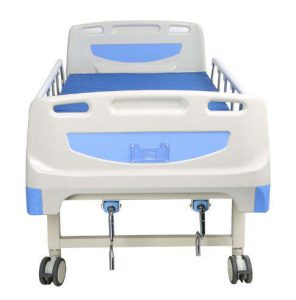
1. What Is a Hospital Remote Control?
A hospital remote control is a multifunctional device that allows patients to manage various aspects of their environment — such as adjusting bed positions, calling for assistance, or operating entertainment systems.
Unlike standard home remotes, medical-grade models are engineered for infection control, ease of cleaning, and durability in continuous-use environments.
Types include:
-
Hospital bed hand control remotes (pendant-style, wired control)
-
Hospital TV remotes / pillow speakers
-
Patient control stations integrated with nurse call systems
-
Smart TV remotes for healthcare entertainment systems
Common features and functions
-
Patient control:Allows patients to manage functions like adjusting hospital bed height, head, and feet positions without needing staff assistance.
-
Nurse call:Often includes a dedicated button to alert a nurse or other medical staff for assistance.
-
Entertainment:Includes functions to control a TV, such as changing channels, adjusting volume, and accessing the TV guide.
-
Environmental control:Some advanced models can also control other room features like lighting and window shades.
-
Safety features:Some hospital bed remotes include a bed exit alarm to notify staff if a patient attempts to get out of bed, helping to prevent falls.
-
Durability and hygiene:Designed for frequent use and easy cleaning, with many featuring spill-proof and antibacterial surfaces to prevent the spread of germs.
-
Ease of use:Built with large, clearly labeled buttons and often with glowing or dark-resistant markings for visibility in low-light conditions.
-
Security features:May include button locks to prevent accidental changes to settings, which is particularly useful for patients who may accidentally press buttons.
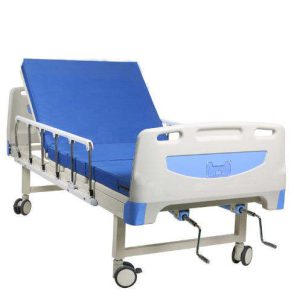
2. Key Benefits of Hospital Remote Control Systems
Benefits for patients
- Improved health outcomes: Continuous, real-time monitoring allows for the early detection of health issues before they become critical. For instance, a patient’s worsening symptoms can be flagged for timely intervention, which can help prevent emergency room visits and hospital readmissions.
- Enhanced patient engagement and empowerment: RPM gives patients an active role in managing their own health. By using devices that track their vitals, patients gain a better understanding of their condition and how lifestyle choices affect their well-being. This can lead to better adherence to care plans.
- Greater convenience and comfort: Patients, particularly those with mobility issues or living in rural areas, can receive quality care from the comfort of their home. This saves them time and money by reducing the need for frequent in-person appointments and travel.
- Peace of mind: The ability to be monitored continuously by a healthcare team provides patients and their families with a sense of security and reduces anxiety. Knowing that help is available if a critical threshold is crossed can be very reassuring.
- Reduced infection risk: Particularly relevant during pandemics or for immunocompromised individuals, RPM reduces potential exposure to infectious diseases by minimizing in-person contact.
Benefits for providers and health systems
- Proactive, data-driven decision-making: Instead of relying on snapshots of health during periodic visits, providers receive a continuous flow of data. RPM software can help analyze this data for trends and set automated alerts, enabling providers to make more informed, personalized, and proactive care decisions.
- Increased operational efficiency: RPM can help optimize staff workflow by automating routine data collection and allowing staff to prioritize patients who need immediate attention. It also reduces the administrative burden of scheduling and managing in-person visits.
- Reduced costs: By preventing complications and avoidable hospital visits, readmissions, and extended stays, RPM can significantly lower healthcare costs for both providers and patients.
- Improved resource utilization: RPM helps health systems better manage their resources by reducing the demand for in-person visits and hospital beds, allowing them to focus on acute and critical cases.
- Expanded access to care: RPM helps address geographical barriers, allowing health systems to extend their reach to underserved communities and patients in remote areas.
- New revenue opportunities: Health systems can create new, sustainable revenue streams by billing for remote patient monitoring services.
| Feature | Description | Benefits |
|---|---|---|
| Patient Independence | Allows patients to adjust bed position, lighting, and TV without assistance | Improves comfort and dignity |
| Caregiver Efficiency | Reduces repetitive manual tasks for nurses | Increases workflow productivity |
| Infection Control | Sealed, sanitizable materials prevent bacteria build-up | Enhances hygiene in shared environments |
| Durability | Designed for continuous hospital use, impact and fluid resistant | Ensures long product life |
| Easy Operation | Large, intuitive buttons suitable for elderly or low-mobility users | Minimizes user confusion |
| System Integration | Compatible with nurse call systems and smart medical beds | Streamlines operations |
3. Technical Specifications: HENYUAN MEDICAL Remote Control Series
| Model | Type | Buttons | Connection | Compatibility | Safety Features |
|---|---|---|---|---|---|
| HYR-100 | Bed Hand Control | 6 buttons | Wired | Electric & Manual Beds | IPX6 waterproof, anti-static |
| HYR-200 | Pillow Speaker TV Remote | 8 buttons | Wired / Nurse call compatible | All hospital TV systems | Antimicrobial housing |
| HYR-300 | Universal Remote | 4 programmable | IR / RF | Smart TVs, monitors | Easy-clean silicone buttons |
| HYR-400 | Patient Control Station | Touch panel | Wall-mounted | Bed + Light + Nurse Call | Fire-resistant ABS enclosure |
All HENYUAN MEDICAL hospital remotes comply with IEC 60601-1 safety standards and are tested for over 100,000 button cycles to ensure reliability.
4. Clean and Infection-Controlled Design
In hospital settings, maintaining hygiene is as important as functionality.
HENYUAN MEDICAL’s clean remote controls use:
-
Sealed membrane keypads for fluid resistance
-
Antimicrobial plastic materials tested against Staphylococcus aureus and E. coli
-
Smooth surface design for easy disinfectant wiping
-
No open seams to prevent dirt accumulation
These design elements are essential for infection control in patient rooms, reducing cross-contamination between staff and patients.
5. Real-World Application Cases
Remote Patient Monitoring (RPM)
- Chronic disease management: Clinicians monitor patients with conditions like heart disease, diabetes, and COPD using connected devices like blood pressure cuffs, continuous glucose monitors, and pulse oximeters. This allows for early intervention and better long-term management.
- Post-operative care: Patients recovering from surgery can be sent home with remote monitoring devices that track vital signs, body temperature, and movement. This helps prevent readmissions by enabling care teams to intervene if complications arise.
- Maternal and fetal monitoring: Smartphone apps and remote devices allow providers to monitor pregnant patients’ health metrics, such as fetal heart rate and uterine contractions, which is especially useful in rural areas.
- Medication management: Automated reminders and smart pill boxes track medication adherence and send alerts to caregivers if a dose is missed, improving treatment effectiveness.
- Postpartum care: Remote devices like blood pressure monitors and wearable heart trackers help monitor high-risk pregnancies after delivery to detect signs of postpartum complications like preeclampsia.
- Elderly care: Remote systems for seniors can include motion and bed sensors to detect falls or other ambulatory issues, allowing for faster intervention.
Tele-Intensive Care Units (Tele-ICUs)
- 24/7/365 monitoring: Critical care specialists can oversee patients in ICUs at multiple locations using real-time audio, video, and electronic data.
- Access to expertise: This enables smaller or rural hospitals without in-house intensivists to access critical care expertise, reducing unnecessary patient transfers.
- Early intervention: Algorithms and analytics can help remote teams proactively identify critical issues and guide on-site staff with timely interventions, including medication adjustments or ventilator settings.
- Reduced clinician burnout: Tele-ICUs provide an extra set of eyes and support for bedside teams, helping to alleviate the workload of local staff.
Remote surgical and procedural support
- Teleproctoring and telementoring: Experienced surgeons can remotely guide or train less-experienced staff on surgical techniques, or provide real-time guidance on procedures.
- Remote equipment control: Technicians and device manufacturers can remotely control medical equipment in the operating room, such as surgical lights or imaging devices, to assist with a procedure without being physically present.
- Telesurgery: While still developing, technologies like 5G can enable surgeons to perform robotic-assisted surgery from a remote location.
Building management systems (BMS)
- HVAC management: Remote control over heating, ventilation, and air conditioning systems helps regulate temperature and air quality, which is vital in sensitive areas like operating rooms and isolation rooms.
- Energy efficiency: Administrators can remotely monitor and manage energy consumption to reduce costs and implement energy-saving strategies.
- Security and access control: Remote monitoring of surveillance cameras, access points, and intrusion detection systems enhances security and restricts access to sensitive areas.
- Fire and life safety: BMS can remotely initiate fire alarms and automated evacuation procedures, coordinating with other systems like emergency lighting.
Patient room controls
In-room remote controls improve the patient experience and convenience.
- Bedside entertainment: Pillow speaker remotes or other handheld devices allow patients to independently control televisions and radio stations.
- Room environment: Remote controls can give patients command over their lighting, temperature, and window blinds, enhancing their comfort.
- Staff communication: Some remotes feature buttons to call staff, reducing the need for bedside visits for non-critical requests.
? Case Study 1: Long-Term Care Center, Singapore
The center installed HENYUAN MEDICAL’s HYR-100 bed remote system in 120 patient rooms.
Results after 3 months:
-
30% fewer nurse call requests for manual bed adjustment
-
Improved patient satisfaction scores by 25%
-
Maintenance downtime reduced by 40%
? Case Study 2: Private Hospital, Germany
Adopted HYR-200 pillow speaker TV remotes compatible with their IPTV system.
-
Enabled seamless nurse call integration
-
Reduced infection risk via sanitizable housing
-
Achieved 99.9% bacteria-free surfaces after daily cleaning cycles
6. Buying Guide: How to Choose the Right Hospital Remote Control
For television remotes
Key features
- Antimicrobial coating: Some brands are made from materials clinically proven to be 99% cleaner than standard remotes by inhibiting the growth of bacteria and viruses.
- Sealed, non-porous surface: Remotes should be designed without crevices or screw holes to prevent debris from getting trapped and to allow for easy, complete disinfection.
- Simple controls: An uncluttered layout with large, well-labeled buttons for essential functions like power, channel, and volume minimizes patient confusion and frustration.
- Compatibility: Universal remotes can be programmed to work with most television brands, reducing the need for facility-specific replacements.
- Reinforced battery door: A hidden or screw-secured battery compartment prevents patients from taking batteries and simplifies management for staff.
- Accessibility options: Look for high-contrast text, backlighting for low-light conditions, and compatibility with pillow speakers—which deliver sound directly to a patient’s ear—for inclusivity.
For hospital bed remotes
Key features
- Ergonomic design: The remote should be easy to grip and hold, especially for patients with limited dexterity.
- IP-rated durability: An IP66 rating or higher confirms that the controller is resistant to wear, drops, and water, ensuring a long service life.
- Clear, simple interface: Bed remotes should feature large, easy-to-understand buttons or icons for adjusting the head, foot, and overall height of the bed.
- Multiple functions: Modern bed remotes offer a variety of programmable settings for patient comfort and care. Look for options that control:
- Backrest and leg rest: Adjusts the patient’s position for comfort and to prevent bedsores.
- Trendelenburg/Reverse Trendelenburg: Tilts the entire bed for specialized medical needs.
- Programmable positions: Allows staff to preset common positions for different procedures.
- Patient safety: Some remotes include safety mechanisms like an automatic stop to prevent accidental adjustments.
- Practical design: Features like a hook for hanging the controller can prevent loss and make it easily accessible to the patient.
General considerations for any hospital remote
- Wireless vs. Wired: Wireless remotes offer greater freedom of movement for the patient. Wired remotes, like the kind attached to a bed, are harder to lose and don’t require battery changes.
- User evaluation: Before a bulk purchase, have a diverse set of patients and staff test potential devices to ensure they are user-friendly for all.
- Vendor and support: Choose a reputable vendor with strong customer support and a proven track record in healthcare settings.
- Initial vs. long-term cost: A more durable, feature-rich remote may have a higher upfront cost but can save money over time by reducing the frequency of replacements.
When selecting a hospital remote control, consider the following factors:
-
Device Compatibility
Ensure the remote matches your bed system (manual, semi-electric, or fully electric).
Compatibility with nurse call systems is crucial. -
Ease of Cleaning
Choose sealed, waterproof models that can withstand hospital-grade disinfectants. -
Button Layout
Large, tactile buttons improve usability for elderly or post-surgery patients. -
Connectivity
Decide between wired, infrared (IR), or wireless (RF) systems depending on your infrastructure. -
Durability Rating
Look for remotes with IPX6 or higher waterproofing and impact resistance. -
Customization Options
HENYUAN MEDICAL offers logo printing, color-coding, and programmable button configurations.
7. Comparison with Consumer-Grade Remotes
Unlike consumer remotes, hospital remote controls are medical-grade devices.
| Feature | Consumer Remote | Hospital Remote |
|---|---|---|
| Build Quality | Plastic, light-use | Industrial-grade, fluid resistant |
| Cleanability | Not disinfectant-safe | Antimicrobial, waterproof |
| Function | Entertainment only | Bed, light, nurse call, TV |
| Target Users | General | Patients, healthcare staff |
| Durability | 1-2 years | 5+ years |
8. The Future of Smart Hospital Control Systems
With the rise of IoT (Internet of Things) in healthcare, hospital remotes are evolving into smart control hubs.
HENYUAN MEDICAL is developing AI-integrated systems that enable:
-
Voice control for immobile patients
-
Remote monitoring for caregivers
-
Integration with EHR (Electronic Health Records)
-
Bluetooth & Wi-Fi communication for device pairing
These technologies will redefine patient comfort and medical efficiency in the next generation of hospital environments.
9. Conclusion
The hospital remote control is no longer a simple accessory — it’s an integral part of patient-centered healthcare.
By combining comfort, safety, hygiene, and technology, HENYUAN MEDICAL provides advanced remote control systems that empower patients and streamline caregiver operations.
Whether you need a hospital bed remote, TV pillow speaker, or a smart control station, our solutions are engineered for reliability and infection-safe performance in every clinical setting.
