

The Ultimate Guide to Henyuan Medical Hospital Beds with Air Mattress
In modern healthcare, ensuring patient comfort while preventing pressure ulcers has become a top priority. Henyuan Medical hospital beds with air mattress offer innovative solutions that enhance patient care, reduce risks, and improve recovery outcomes. This comprehensive guide will help you understand the features, types, and selection criteria of these essential hospital bed systems.
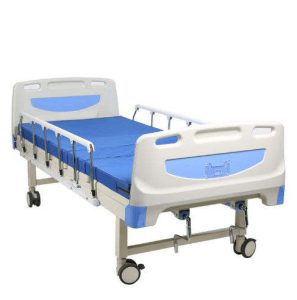
Why Choose Hospital Beds with Air Mattress?
Prevention and Healing
-
Pressure injury prevention:The core benefit is preventing pressure sores, also known as bedsores, by continuously and gently changing pressure points.
-
Circulation improvement:By inflating and deflating different air cells, the mattress promotes better blood flow throughout the body.
-
Healing support:Air mattresses can aid in the healing process for patients with existing skin breakdown by increasing circulation and alleviating pressure.
Comfort and Adjustability
-
Customizable firmness:Caregivers can adjust the air pressure to meet individual needs, offering a level of comfort that is hard to achieve with traditional mattresses.
-
Enhanced comfort:The gentle, moving surface can be more soothing for patients who spend long periods in bed.
Specific Features for Different Needs
-
Low air loss mattresses:These are ideal for patients with moisture-related issues. Tiny holes in the air cells allow cool air to pass through, which wicks away heat and moisture and helps manage conditions like excessive sweating.
-
Lateral rotation mattresses:For patients with circulatory or pulmonary problems, these mattresses gently rotate the patient from side to side, which helps encourage proper breathing and blood circulation.
Traditional hospital mattresses often fail to distribute pressure evenly, leading to discomfort and potential complications such as pressure ulcers. Air mattresses for hospital beds are designed to:
-
Distribute pressure evenly to reduce stress on the skin and soft tissues
-
Enhance comfort for bedridden or long-term patients
-
Support patient mobility and safety with adjustable settings
-
Prevent pressure ulcers through alternating pressure systems
Henyuan Medical specializes in a wide range of hospital beds integrated with advanced air mattress technology, ensuring superior patient care.
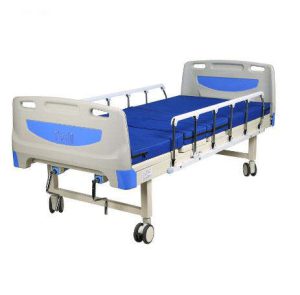
Types of Henyuan Medical Air Mattresses
Alternating Pressure
-
How it works:A pump cycles air through the mattress’s air cells, which inflate and deflate in an alternating pattern.
-
Benefit:This constant shifting of pressure points helps prevent pressure ulcers by redistributing weight across the body.
Low Air Loss
-
How it works:Features air cells with small openings that allow for gentle, continuous airflow to be circulated over the skin.
-
Benefit:This helps manage moisture by keeping the skin dry and cool, which is important for patients with incontinence or who are at high risk for skin breakdown.
Hybrid Systems
- How it works: Combines both alternating pressure and low air loss technologies.
- Benefit: Offers the advantages of both systems, such as pressure redistribution and skin-drying capabilities.
Static or Non-Powered
-
How it works:These are often gel-foam combinations or other static air-filled products that do not use a pump. They are non-powered and do not shift pressure points.
-
Benefit:Provide a more basic level of pressure relief and are often a more budget-friendly option for those at a lower risk of pressure ulcers.
Other Types
-
Bariatric:Specifically designed to support higher weights, often featuring a wider surface area.
-
Lateral Rotation:These systems slowly and continuously rotate the patient from side to side to help prevent fluid buildup and improve lung function.
-
Alternating Pressure Mattress
Alternating pressure mattresses periodically inflate and deflate air cells to reduce prolonged pressure points. These mattresses are ideal for patients at high risk of pressure ulcers. -
Pressure Relief Air Mattress
Pressure relief mattresses provide consistent support across the patient’s body, relieving stress on bony prominences and ensuring maximum comfort. -
Inflatable Hospital Bed Mattress
These are versatile mattresses suitable for both hospital and home care, providing customizable firmness and easy cleaning. -
Overlay Air Mattress
Overlay air mattresses can be added on top of standard hospital beds, enhancing comfort without replacing the original mattress.
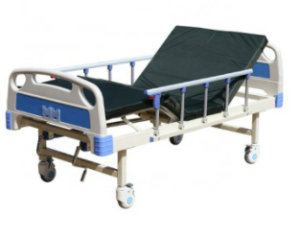
Technical Specifications and Features
| Feature | Specification | Benefit |
|---|---|---|
| Air Cells | 130-200 cells depending on size | Uniform pressure distribution |
| Material | Medical-grade PVC or TPU | Durable and waterproof |
| Pump System | Electric or manual | Adjustable pressure levels |
| Weight Capacity | 150-250 kg | Suitable for most patients |
| Mattress Size | Twin, Full, Queen | Compatible with standard hospital beds |
| Alternating Cycle | 10-12 min per cycle | Effective prevention of pressure ulcers |
| Power Backup | Battery or manual override | Continuous support during power outage |
These parameters ensure that Henyuan Medical hospital beds with air mattress are both safe and effective for patient care.
Real-World Applications and Case Studies
1. Hospital intensive care units (ICUs)
- Critically ill and immobilized patients in the ICU are at very high risk for pressure injuries.
- ICU case studies have demonstrated reduced pressure injury rates in patients using advanced medical air mattresses.
- In one urban hospital, a prospective study on neurosurgery patients found that those using an alternating pressure (AP) overlay in the operating room and ICU had a significantly lower incidence of hospital-acquired pressure injuries (HAPI) than the control group (0.96% vs. 6.48%).
2. Long-term care and nursing homes
- Medical air mattresses are standard practice in long-term care settings to maintain the skin integrity of residents with chronic mobility issues.
- One senior care provider reported a 40% decrease in pressure-related skin issues after deploying alternating pressure mattresses.
- A qualitative study explored residents’ experiences with non-powered static air mattress overlays and found they had a far-reaching impact on rest, sleep, and overall comfort.
3. Home care
- Home health agencies recommend medical air mattresses for patients with limited mobility or chronic illnesses who require long-term bed rest.
- For home use, these mattresses offer a cost-effective way to manage pressure ulcer risk and provide continuous pressure redistribution, which reduces the need for constant repositioning by family caregivers.
- Users often report improved comfort, better sleep quality, and fewer skin issues.
4. Post-surgical recovery
- Air mattresses provide adjustable and therapeutic support for patients recovering from surgery that involves prolonged immobility, such as orthopedic or spinal procedures.
- In hospitals, their use in recovery wards has been linked to increased patient satisfaction and a lower incidence of wound-related complications.
5. Emergency and disaster response
- Portable medical air mattresses can be used in emergency shelters or disaster zones as temporary beds for displaced or injured individuals.
- Their lightweight and easy-to-set-up design makes them ideal for rapid deployment, helping to prevent pressure injuries during extended stays.
6. Patient handling and transfers
- Air-assisted transfer mattresses, also known as HoverMatts, leverage low-friction technology to create an air cushion that helps caregivers move patients with significantly less exertion.
- Case studies on these devices have found a reduction in staff injuries and a marked decrease in patient transfer times, improving hospital efficiency.
Case studies on healing and cost-effectiveness
In a study comparing support surfaces, a patient with a pressure ulcer showed significant improvement after being placed on a hybrid air-cushion mattress. The device provided minimum pressure to the affected sacral area, allowing the wound to heal while improving the patient’s overall comfort and mobility.
A comprehensive analysis of hospital data showed that using medical air mattresses resulted in substantial long-term savings for healthcare facilities. The reduced incidence of pressure ulcers led to:
- Shorter hospital stays
- Less need for additional treatments and medication
- Reduced nursing time for patient repositioning
- An average cost savings of $3,000 per patient over a typical hospital stay.
Case Study 1: ICU Patient Recovery
A 65-year-old patient recovering from surgery required extended bed rest. Using a Henyuan Medical alternating pressure mattress, the ICU team observed a 40% reduction in skin redness and discomfort within one week, compared to traditional foam mattresses.
Case Study 2: Long-Term Care Facilities
In a nursing home, residents were experiencing discomfort with standard beds. After replacing them with pressure relief air mattresses, staff reported improved sleep quality, reduced skin breakdown, and fewer incidences of pressure ulcers over a three-month period.
Buying Guide for Hospital Beds with Air Mattress
When buying a hospital bed with an air mattress, focus on the mattress type, pump, weight capacity, and durability. Choose an air mattress with an alternating pressure system to prevent pressure sores, ensure it has adjustable pressure settings, and check the material for quality and ease of cleaning. Also, consider the bed frame’s power features, frame height adjustability, and safety options like side rails.
Choosing the air mattress system
Alternating pressure mattresses
- Best for: Patients at a high risk of pressure ulcers or with existing sores.
- How it works: An electric pump automatically and periodically inflates and deflates individual air cells within the mattress. This cycles the pressure points on the body to promote circulation and prevent skin breakdown.
- Example product: The
Meridian SatinAir II Alternating Pressure Mattress & Pump MER-SAPM2
has a variable pressure setting for firmness and a fluid-resistant, vapor-permeable cover.
Low air loss mattresses
- Best for: Patients who are bedridden for long periods and need help with moisture management and heat regulation.
- How it works: The system uses a continuous, low-pressure flow of air through tiny holes in the mattress’s surface to keep the patient’s skin cool and dry. This helps prevent the skin maceration that can lead to skin breakdown.
- Example product: The
Invacare microAir MA800 Alternating Pressure Low Air Loss Mattress System
includes both alternating pressure and a true low air loss feature for moisture management.
Lateral rotation mattresses
- Best for: Patients who need continuous, automatic repositioning to prevent complications associated with immobility.
- How it works: This system gently and automatically turns the patient from side to side at timed intervals, which aids in circulation and helps prevent respiratory issues.
- Example product: The
ObboMed UltraAir 12″ Deep Alternating Pressure 3 Layer Mattress OB-3682
provides a 15-degree self-lateral rotation feature, according to Med Mart.
Selecting the hospital bed frame
Common features
- Adjustability: Look for a fully electric bed with a remote control to adjust the head, foot, and overall height of the bed. This is easier for both patients and caregivers.
- Weight capacity: Standard hospital beds typically support up to 450 pounds. Bariatric beds are designed for higher weight limits, often accommodating up to 1,000 pounds or more.
- Bed size: The standard hospital bed size is a twin XL (36 inches wide by 80 inches long). Wider or longer beds are available for larger individuals.
- Safety features: Ensure the bed has reliable features like sturdy side rails and locking caster wheels to prevent falls and secure the bed during patient transfers.
- For home use: The
Naipo 5 Functions Electric Hospital Bed
has a weight capacity of 550 pounds, a remote control, and a quiet motor system for use in a home setting.
- For high-acuity patients: The
Hill-Rom VersaCare P3200 Hospital Bed
offers advanced features for mid- to high-acuity patients and incorporates multiple safety measures like fall prevention systems.
Important considerations
- Insurance coverage: Hospital beds and therapeutic mattresses are often covered by insurance or Medicare, so check with your provider regarding financing options and eligibility.
- Durability and warranty: High-quality construction and a solid warranty are important for a product that will see consistent, long-term use. Compare warranty coverage for the frame, motor, and other mechanical parts.
- Maintenance and cleaning: The mattress cover should be water-resistant and easy to remove and wash for good hygiene and hassle-free care.
Selecting the right mattress depends on patient needs and hospital requirements. Here are key considerations:
-
Patient Risk Level
-
High-risk patients (immobile or post-surgery) benefit from alternating pressure mattresses.
-
Moderate-risk patients may use pressure relief mattresses.
-
-
Bed Compatibility
Ensure the mattress fits the bed frame dimensions. Overlay mattresses are versatile for retrofitting existing beds. -
Pump Type
-
Electric pumps offer automatic inflation and deflation cycles.
-
Manual pumps can be a backup option in case of power outages.
-
-
Ease of Cleaning and Maintenance
Medical-grade air mattresses should be waterproof and easy to sanitize to maintain hygiene standards. -
Budget and Durability
While advanced mattresses cost more, they provide long-term savings by reducing complications and hospital stays.
Tips for Maximizing Mattress Performance
Maintenance for longevity
- Use a mattress protector: A quality protector is a critical barrier against spills, dirt, stains, and allergens like dust mites and dead skin cells. Keeping the mattress clean prevents materials from degrading over time and can help preserve your warranty.
- Ensure proper support: A sagging mattress can create discomfort and poor spinal alignment. Use a sturdy bed frame and foundation (such as a box spring, platform, or slatted base) designed for your mattress type. For foam mattresses, a solid platform or close-set slats are best, while innerspring mattresses may benefit from a traditional box spring.
- Rotate and flip regularly: Routinely rotating your mattress 180 degrees—or flipping it if it’s double-sided—prevents uneven wear and sagging from pressure points. Manufacturers typically recommend doing this every three to six months.
- Clean and air it out: To remove dust and allergens, vacuum your mattress every few months. If you have a spill, spot-clean it immediately with mild detergent and cold water to prevent permanent damage. Letting the mattress air out periodically also helps reduce moisture build-up.
- Avoid heavy impact: Refrain from jumping on the bed or placing excessive weight on the mattress, as this can damage the internal components and accelerate wear and tear.
Adjustments for better comfort
- Change the firmness with a topper: A mattress topper is a simple, cost-effective way to customize your bed’s feel.
- To soften a firm mattress: Use a plush topper made of memory foam, latex, or down alternative.
- To firm up a soft mattress: Choose a firm latex or memory foam topper, or place a thin sheet of plywood or a bunkie board between your mattress and the bed frame for extra support.
- Upgrade your bedding: High-quality sheets can regulate temperature and improve comfort. For hot sleepers, look for breathable materials like linen or bamboo. For cold sleepers, opt for flannel or high-thread-count cotton.
- Add supportive pillows: The right pillow for your sleep position is crucial for neck and spinal alignment. A pillow that is too firm, soft, or old can undo the benefits of a good mattress.
- Adjust your room’s temperature: Many foam mattresses are temperature-sensitive. Keeping your room cooler will make the mattress feel firmer, while a warmer room will soften the foam.
- Break in a new mattress: It can take up to 60 nights for a new mattress to soften to its intended feel. To speed up the process, walk on the mattress and use the entire sleeping surface to promote even softening.
-
Regularly check air pressure levels to ensure optimal support.
-
Rotate mattresses if applicable to maintain even wear.
-
Follow manufacturer guidelines for cleaning and disinfecting.
-
Train staff in adjusting mattress settings to patient needs.
Conclusion
Investing in Henyuan Medical hospital beds with air mattress is an investment in patient care. With options ranging from alternating pressure systems to pressure relief and inflatable mattresses, these beds improve comfort, prevent pressure ulcers, and enhance recovery outcomes. By considering patient needs, bed compatibility, and mattress features, healthcare facilities can make informed decisions that benefit both patients and caregivers.
Whether in ICU, long-term care, or home healthcare settings, Henyuan Medical provides innovative and reliable solutions for hospital bed air mattresses, ensuring a healthier and more comfortable environment for patients.
