

Hospital Bed 2 Cranks vs 3 Cranks: Henyuan Medical Complete Guide
Choosing the right hospital bed is critical for patient comfort, safety, and caregiver convenience. Among manual hospital beds, one common decision is whether to select a 2-crank or 3-crank model. In this comprehensive guide, we will explore Henyuan Medical 2-crank and 3-crank hospital beds, their uses, technical specifications, benefits, and provide practical selection advice.
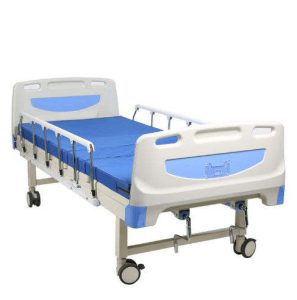
Understanding the Difference: 2 Cranks vs 3 Cranks
2-Crank Hospital Bed
- Adjustments: Backrest and leg/knee rest
- Function: The first crank typically adjusts the head or back section, while the second adjusts the leg section.
- Best for: Basic patient positioning and comfort without the need for height adjustment.
3-Crank Hospital Bed
- Adjustments: Backrest, leg/knee rest, and overall height
- Function: The first two cranks adjust the back and leg rests, similar to a 2-crank bed. The third crank controls the elevation of the entire bed frame.
- Best for: Patients who require more complex positioning, or for caregivers who need to adjust the bed’s height to make it easier to transfer the patient or perform other care tasks.
Henyuan Medical 2-Crank Hospital Bed
-
Functionality: Adjusts backrest and knee section using two manual cranks.
-
Use Cases: Ideal for patients needing basic position adjustments for comfort, sitting, or light rehabilitation.
-
Advantages: Cost-effective, simple to operate, reliable for home care or hospital wards.
Henyuan Medical 3-Crank Hospital Bed
-
Functionality: In addition to backrest and knee section adjustments, includes a height adjustment crank for the entire bed frame.
-
Use Cases: Suited for patients requiring frequent repositioning, easier caregiver access, or post-surgery care.
-
Advantages: Greater flexibility, safer patient handling, improved caregiver convenience, suitable for home or hospital use.
Key Difference: The primary distinction lies in the third crank, which adjusts the bed’s height. This feature improves ergonomics for caregivers, enhances patient comfort, and facilitates safe transfers.
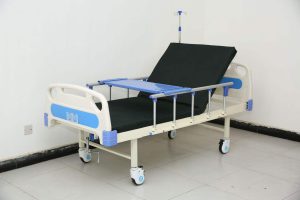
Technical Specifications: Henyuan Medical 2-Crank vs 3-Crank Beds
| Feature | 2-Crank Bed | 3-Crank Bed |
|---|---|---|
| Adjustment Functions | Backrest, Knee Section | Backrest, Knee Section, Height |
| Cranks | 2 Manual Cranks | 3 Manual Cranks |
| Mattress Type | Standard foam or air mattress | Standard foam or air mattress |
| Max Weight Capacity | 250 kg (550 lbs) | 250 kg (550 lbs) |
| Frame Material | Powder-coated steel | Powder-coated steel |
| Safety Features | Side rails, locking castors | Side rails, locking castors |
| Dimensions | 80 in x 36 in (203 cm x 91 cm) | 80 in x 36 in (203 cm x 91 cm) |
| Suitable For | Home care, basic hospital use | Home care, hospital wards, post-surgery, long-term care |
This comparison table shows the functional advantage of the 3-crank bed in providing a height adjustment mechanism, enhancing both patient comfort and caregiver ergonomics.
Benefits of 2-Crank and 3-Crank Beds
A 2-crank bed offers adjustable backrest and knee positions, while a 3-crank bed adds the ability to adjust the bed’s overall height. Benefits of both types include improved patient comfort and easier caregiving, with the 3-crank bed providing additional advantages for caregiver safety and patient transfers due to the height adjustment feature.
2-Crank Beds
-
Adjustable positions:One crank adjusts the backrest to help the patient sit up, and the other adjusts the knee section to elevate the legs for comfort.
-
Improved comfort:Allows patients to find more comfortable positions to help with pressure relief and mobility.
-
Facilitated care:Makes it easier for caregivers to assist with activities like bathing and dressing.
-
Cost-effective:A reliable and more affordable option compared to electric beds.
3-Crank Beds
-
All the benefits of a 2-crank bed(adjustable backrest and foot/knee sections).
-
Added height adjustment:The third crank controls the overall bed height, which is a major advantage for caregivers.
-
Enhanced caregiver safety:Allows caregivers to raise the bed to a comfortable height for them, reducing the risk of back injury from bending over.
-
Aids transfers:Makes it easier to get the bed to the right height for transferring a patient to or from a wheelchair or stretcher.
-
Patient fall prevention:The ability to lower the bed to its lowest setting can help reduce injury from falls.
1. Patient Comfort and Positioning
Both 2-crank and 3-crank Henyuan Medical beds allow patients to adjust backrest and leg sections, providing comfortable sitting, reclining, and resting positions. The 3-crank option adds bed height adjustment, facilitating easier transfers and improved posture.
2. Caregiver Convenience
The height adjustment crank in 3-crank beds reduces the need for bending or awkward lifting, minimizing caregiver strain and improving workflow efficiency during medical procedures or daily care routines.
3. Versatility in Care Settings
-
Home Care: Both beds are suitable for home use; 2-crank beds provide basic comfort while 3-crank beds enhance usability for caregivers.
-
Hospital Wards: 3-crank beds are often preferred in hospitals for their height adjustment and ergonomic benefits.
-
Long-Term Care: Height adjustment improves patient handling, reducing risk of injury.
4. Safety and Stability
Henyuan Medical beds are built with durable steel frames, locking castors, and optional side rails, ensuring patient safety in all settings.
Real-World Applications and Case Studies
Case Study 1: Home Recovery Post-Surgery
A patient recovering from knee replacement surgery used a Henyuan Medical 2-crank bed. Adjusting the backrest and knee section allowed safe and comfortable repositioning while keeping the bed simple to operate.
Case Study 2: Caregiver-Friendly Setup
In a home-care setting, a Henyuan Medical 3-crank bed was chosen for a patient with limited mobility. The third crank allowed caregivers to raise the bed to a comfortable height for dressing changes, physical therapy, and safe transfers.
Case Study 3: Hospital Ward Efficiency
A hospital ward equipped with 3-crank Henyuan Medical beds improved staff efficiency, reduced the risk of patient falls, and provided better patient comfort during extended stays.
Selecting the Right Henyuan Medical Bed
When choosing between a 2-crank and 3-crank hospital bed, consider the following factors:
-
Patient Needs:
-
Limited mobility or short-term recovery → 2-crank bed may suffice.
-
Frequent repositioning, post-surgery care, or long-term bedridden patients → 3-crank bed recommended.
-
-
Caregiver Requirements:
-
Need for adjustable height to minimize strain → 3-crank preferred.
-
-
Budget Considerations:
-
2-crank beds are generally more cost-effective.
-
3-crank beds offer additional ergonomic benefits worth the investment.
-
-
Space and Accessories:
-
Ensure room space accommodates height adjustment and castor movement.
-
Consider accessories like side rails, IV poles, or footrest ratchets.
-
Expert Tips for Optimal Use of 2-Crank and 3-Crank Beds
Differences between 2-crank and 3-crank beds
The number of cranks indicates the bed’s adjustable functions.
| Feature | 2-Crank Manual Bed | 3-Crank Manual Bed |
|---|---|---|
| Cranks | Two manual cranks, typically at the foot of the bed. | Three manual cranks, also found at the foot of the bed. |
| Adjustments | Backrest: Adjusts the head section to allow the patient to sit up. Knee section: Adjusts the leg rest for elevation and comfort. |
Backrest: Adjusts the head section. Knee section: Adjusts the leg rest. Bed height: Adjusts the overall height of the bed to a comfortable level for both the patient and caregiver. |
| Advantages | * More affordable than 3-crank models. * Simpler design is practical for short-term use. |
* Offers improved ergonomics for caregivers, as they can raise the bed to avoid straining their backs. * Adjusting bed height makes patient transfers safer. |
| Considerations | The bed height is not adjustable, so caregivers must manually bend over when assisting patients. | The patient may need assistance to adjust the cranks, as they are located at the foot of the bed. |
Optimal use tips for all manual crank beds
- Prevent injury with locking casters. Before cranking the bed, always ensure the caster locks are engaged. This prevents the bed from rolling and potentially causing an injury.
- Position cranks properly. When not in use, ensure the cranks are tucked away in their brackets to prevent tripping hazards.
- Prioritize caregiver ergonomics. Position the bed at a comfortable height before beginning care to prevent back strain. With a 3-crank bed, use the height-adjustment crank to lift the bed to waist level.
How to use a 2-crank bed
- Adjusting the headrest: Turn the appropriate crank clockwise to raise the head section, or counter-clockwise to lower it. This can help the patient sit up for meals or reading.
- Adjusting the knee section: Use the second crank to adjust the patient’s leg position. Elevating the legs can improve circulation and reduce swelling.
How to use a 3-crank bed
- Adjusting the head and knee sections: Use the first two cranks just as you would on a 2-crank bed.
- Adjusting the bed height: Use the third crank to raise or lower the bed. Turn the crank clockwise to lift the bed and counter-clockwise to lower it.
General safety and maintenance tips
- Prevent bedsores. For patients who are in bed for extended periods, reposition them regularly to relieve pressure. Use pressure-reducing mattresses or overlays and keep their skin clean and dry.
- Maintain the crank mechanism. Regularly inspect the crank and lubricate moving parts to ensure smooth operation. Check for any loose parts or signs of corrosion.
- Inspect and clean the bed regularly. Wipe down the frame and mattress with a mild soap and water solution. Always follow the manufacturer’s cleaning instructions.
- Check weight capacity. Confirm that the bed’s weight capacity is appropriate for the patient, mattress, and any other items on the bed to ensure safety.
-
Use Each Crank Gradually: Avoid sudden adjustments to ensure safety and comfort.
-
Monitor Patient Posture: Regularly check patient position to prevent pressure sores.
-
Train Caregivers: Educate staff or family members on proper crank use.
-
Combine with Accessories: Cushions, overlays, and side rails enhance safety and comfort.
Conclusion
Choosing between a 2-crank and 3-crank Henyuan Medical hospital bed depends on patient needs, caregiver convenience, and care setting.
-
2-Crank Bed: Simple, cost-effective, reliable for basic comfort and home care.
-
3-Crank Bed: Adds height adjustment for ergonomic benefits, improved patient handling, and caregiver convenience.
By understanding the differences, benefits, and real-world applications, caregivers and healthcare providers can make informed decisions, ensuring maximum patient comfort, safety, and long-term care efficiency.
