

Different Types of Chairs for Hospital Beds: A Complete Guide
Hospitals, clinics, and healthcare facilities rely heavily on furniture that ensures both patient comfort and medical efficiency. Among these, chairs for hospital beds play a pivotal role, serving patients, caregivers, and visitors alike. In this comprehensive guide, we will explore different types of chairs for hospital beds, focusing on clinical recliners, bedside chairs, riser recliners, and medical recliners, all provided by Henyuan Medical. We’ll cover features, specifications, real-world applications, and selection tips, ensuring you have everything needed to make informed purchasing decisions.
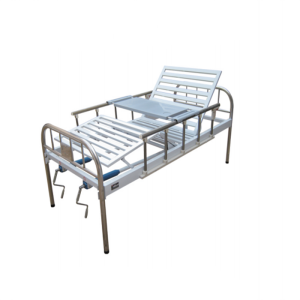
1. Overview of Hospital Bed Chairs
Functionality and versatility
- Chair function: Can be used as a standard chair for eating or reading.
- Reclining function: Allows for different angles to promote better circulation and comfort for the patient.
- Sleeping function: Can be fully reclined or converted into a flat sleeping surface for rest or overnight stays.
Key features and benefits
-
Patient comfort:Adjustable features, pressure relief cushions, and ergonomic designs enhance comfort and aid in healing.
-
Safety:Features like side rails, handrails, and stable construction help prevent falls and assist with transfers.
-
Accessibility:Easy-to-operate mechanisms and mobility aids like casters make it easier for patients and caregivers to adjust the chair.
-
Hygiene:Moisture-resistant and easy-to-clean upholstery helps with infection control.
-
Convenience:Many modern designs include built-in USB ports, storage cubbies, and optional features like tray tables and reading lights.
Types and options
- Standard ward chairs: Basic, fixed chairs used in waiting areas or standard hospital rooms.
- Recliner chairs: Offer a range of reclining positions for comfort and therapeutic needs.
- Sleeper chairs: Multifunctional chairs that convert into a bed, ideal for family members staying overnight.
- Hospital beds with chair position: Full hospital beds that can be adjusted to a “chair” position, often with additional safety and transfer features.
Considerations for selection
-
Patient needs:The specific chair should be chosen based on the patient’s mobility, comfort requirements, and care needs.
-
Space:Consider the chair’s dimensions and the space required for its different positions, especially if it will be converted into a bed.
-
Weight capacity:Ensure the chair can support the intended weight of the patient.
-
Durability and maintenance:Look for durable construction and easy-to-clean materials for long-term use and hygiene.
Hospital bed chairs are designed to provide comfort, mobility, and support for patients. Depending on the patient’s needs, treatment plan, and facility type, different chairs are appropriate. The most common categories include:
-
Clinical Recliners & Chairs
-
Bedside Chairs
-
Riser Recliners
-
Medical Recliners
Each type serves specific purposes, such as long-term patient care, bedside support, or enhanced mobility for elderly or postoperative patients.
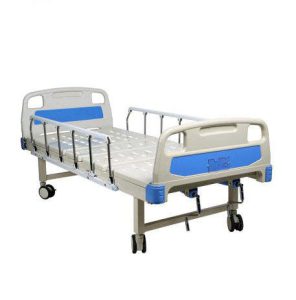
2. Clinical Recliners & Chairs
Clinical recliners are widely used in hospitals for patients who require extended sitting periods, such as dialysis, chemotherapy, or post-surgery recovery. Henyuan Medical’s clinical recliners are designed with:
-
Adjustable reclining angles
-
Ergonomic cushioning
-
Easy-to-clean materials
-
Lockable wheels for stability
Technical Specifications Example:
| Feature | Henyuan Medical Clinical Recliner |
|---|---|
| Recline Angle | 90° to 180° |
| Seat Width | 22-26 inches |
| Weight Capacity | Up to 350 lbs |
| Material | PU leather / anti-bacterial fabric |
| Mobility | 4 swivel lockable caster wheels |
Practical Use Case:
In a chemotherapy ward, patients often spend several hours seated for treatment. Henyuan Medical clinical recliners provide lumbar support, full reclining capability, and easy repositioning for comfort and safety.
3. Bedside Chairs
Bedside chairs are placed next to hospital beds, allowing visitors or caregivers to sit comfortably while assisting patients. Key features include:
-
Compact and ergonomic design
-
Foldable or stationary models
-
Easy-to-clean upholstery
Example Use Case:
In general wards or private patient rooms, bedside chairs allow family members to remain close, while nurses can use them for short-term patient support during routine monitoring.
Technical Notes:
| Feature | Henyuan Medical Bedside Chair |
|---|---|
| Seat Height | 18-20 inches |
| Armrest Type | Padded / adjustable |
| Material | PU Leather / antibacterial fabric |
| Weight Capacity | 250-300 lbs |
4. Riser Recliners
Riser recliners are particularly useful for elderly patients or those with limited mobility. These chairs assist in standing and sitting using a powered lift mechanism. Henyuan Medical riser recliners offer:
-
Smooth motorized lift assistance
-
Multiple recline positions
-
Adjustable headrests and leg rests
Practical Example:
In geriatric care units, patients with reduced leg strength can use riser recliners to transition safely from sitting to standing, reducing fall risks.
Technical Specifications:
| Feature | Henyuan Medical Riser Recliner |
|---|---|
| Lift Mechanism | Electric motor (110-220V) |
| Recline Angle | 90° to 160° |
| Weight Capacity | Up to 350 lbs |
| Additional Features | USB charging port, massage function (optional) |
5. Medical Recliners
Medical recliners are designed for multi-purpose clinical use, combining comfort and functionality. Henyuan Medical medical recliners are widely used for:
-
Dialysis sessions
-
Chemotherapy treatments
-
Patient observation in recovery rooms
Key Features:
-
Fully adjustable reclining and leg rest
-
High-density foam padding for long-term comfort
-
Swivel and lockable wheels for mobility
-
Durable, easy-to-clean antibacterial fabrics
Use Case:
In dialysis centers, patients remain seated for 4–6 hours. Henyuan Medical medical recliners provide ergonomic support and recline adjustments, improving patient experience.
Specifications Table:
| Feature | Henyuan Medical Medical Recliner |
|---|---|
| Recline Angle | 90° to 180° |
| Seat Depth | 20-24 inches |
| Weight Capacity | 350 lbs |
| Upholstery Material | Anti-bacterial PU / fabric |
| Accessories | IV pole, side table (optional) |
6. Comparison: Bedside Chair vs Riser Recliner
|
Feature
|
Bedside Chair
|
Riser Recliner
|
|---|---|---|
|
Primary Function
|
General seating, typically for a hospital ward setting.
|
Provides seating and assistance for standing to people with limited mobility.
|
|
Adjustability
|
Limited, usually only height is adjustable.
|
Highly adjustable; features motorized rise and recline functions, and tilt-in-space options.
|
|
Mobility Assistance
|
Minimal to none.
|
Offers a powered lift to help the user stand up safely.
|
|
Comfort & Support
|
Basic construction with a simpler frame.
|
More complex and robust frame with greater levels of padding, lumbar support, and pressure-relief options.
|
|
Intended Use
|
Common in general hospital wards; for general seating and short-term use.
|
For people with chronic mobility issues or those who spend long periods seated, often in rehabilitation settings.
|
| Feature | Bedside Chair | Riser Recliner |
|---|---|---|
| Primary Function | Visitor/Caregiver seating | Assists patient sitting/standing |
| Recline Capability | Limited | Full recline |
| Mobility Assistance | None | Powered lift |
| Ideal Use Case | General ward/private room | Elderly care / mobility-limited patients |
Insight: For long-term care, combining bedside chairs with riser recliners can enhance patient comfort and caregiver convenience.
7. Selection Guide: How to Choose the Right Hospital Chair
Key selection factors
Comfort and ergonomics
- Padding and support: Look for chairs with ample, supportive cushioning to prevent pressure points and reduce fatigue.
- Adjustability: Choose chairs with adjustable backrests and leg rests to accommodate different body types and medical needs.
- Lumbar support: Essential for patients with back pain or those who need prolonged support.
Accessibility and mobility
- Mobility: Chairs with casters or wheels allow for easy movement and repositioning.
- Ease of use: Opt for chairs with armrests that flip up or are removable to facilitate sit-to-stand transfers.
- Stability: Ensure chairs have locking mechanisms to stay in place during procedures or when stationary.
Durability and materials
-
Frame:Sturdy frames, often made of steel, can withstand heavy use and frequent adjustments.
-
Upholstery:Choose materials that are resistant to stains, spills, and frequent cleaning, such as high-grade vinyl with a protective finish.
-
Hygiene:Materials should be easy to sanitize and disinfect to maintain high hygiene standards.
Safety and special features
-
Safety mechanisms:Look for chairs with safety features like seat belts and stable bases to prevent falls.
-
Medical equipment compatibility:Ensure the chair can accommodate necessary medical devices like IV poles or oxygen tanks.
-
Convenience features:Consider options like built-in USB ports, reading lights, or cup holders to enhance patient experience.
-
Reclining options:Some chairs offer reclining features or Trendelenburg positions, which may be necessary for certain procedures.
Space and design
-
Space efficiency:Consider the chair’s footprint, especially in limited spaces. Look for options that fold compactly.
-
Aesthetics:Choose a design that complements the room’s decor to create a more calming and welcoming environment.
When selecting chairs for hospital beds, consider:
-
Patient Needs: Elderly, post-surgery, or long-term care patients may require recliners or riser chairs.
-
Space Availability: Bedside chairs are ideal for limited spaces.
-
Material & Cleanability: Anti-bacterial fabrics or PU leather for infection control.
-
Mobility & Adjustability: Swivel wheels, recline options, and lift mechanisms.
-
Budget & Maintenance: Consider long-term durability and ease of service.
Example: A dialysis center may require a combination of medical recliners with adjustable headrests, recline angles, and optional massage features to improve patient experience during long treatments.
8. Real-World Examples
-
Dialysis Center: Henyuan Medical medical recliners with IV pole and recline adjustments.
-
Geriatric Ward: Riser recliners with electric lift assist to reduce falls.
-
Private Hospital Rooms: Bedside chairs for visitors and family comfort.
-
Chemotherapy Units: Clinical recliners for long-duration seating with ergonomic support.
9. Conclusion
Choosing the right chair for hospital beds is crucial for patient comfort, safety, and caregiver efficiency. Henyuan Medical offers a full range of clinical recliners, bedside chairs, riser recliners, and medical recliners, all designed to meet modern hospital requirements. By considering patient needs, space, material, and mobility features, healthcare facilities can enhance both patient satisfaction and treatment efficiency.
