

Why Do Hospitals Have Air Mattresses? A Complete Guide by HENYUAN Medical
Hospital beds are not just flat sleeping surfaces — they are advanced medical systems designed to support patients’ comfort, safety, and healing. One of the most crucial components of modern hospital beds is the air mattress.
But why do hospitals have air mattresses, and what makes them so essential in patient care?
This comprehensive guide by HENYUAN Medical explores their purpose, technology, types, and how to choose the best one for hospital or home use.
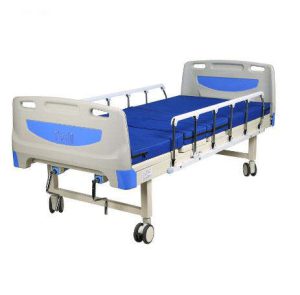
1. The Main Purpose of Hospital Air Mattresses
Pressure injury prevention
-
Alternating pressure:The mattress periodically inflates and deflates different air chambers, changing the pressure points on the body and helping to prevent pressure ulcers from forming.
-
Low air loss:A gentle flow of air moves through the mattress surface, which keeps the skin dry and helps prevent moisture buildup, a common cause of skin breakdown.
-
Lateral rotation:Some mattresses are designed to gently turn the patient from side to side, which further redistributes pressure and promotes better circulation.
Enhanced patient comfort and support
-
Improved comfort:By continuously adjusting pressure and providing a soft cushion of air, the mattresses help make long periods of immobility more comfortable.
-
Therapeutic support:They offer targeted support for patients with conditions that require specific positioning, helping to alleviate pain and support recovery.
Other benefits
-
Moisture and heat management:Low air loss features help to keep the patient’s skin dry and cool, which is essential for preventing irritation and infection.
-
Pulmonary support:Some advanced systems can provide gentle vibrations or percussion to help loosen and move secretions in the lungs.
-
Infection control:Hospital-grade air mattresses are designed to be easy to clean and sanitize, which helps with infection control in a healthcare setting.
Hospitals use air mattresses primarily to prevent pressure ulcers (bedsores) and improve blood circulation in bedridden or immobile patients. Unlike traditional foam mattresses, air mattresses use alternating air pressure systems that inflate and deflate air cells cyclically.
This alternating movement changes pressure points on the patient’s body every few minutes, simulating natural motion and reducing continuous skin pressure — a leading cause of bedsores.
Key Functions:
Prevents skin breakdown and ulcers
Enhances blood perfusion and oxygen delivery
Reduces pain and discomfort from long-term bed rest
Improves hygiene and infection control
Lowers caregiver workload by reducing manual repositioning
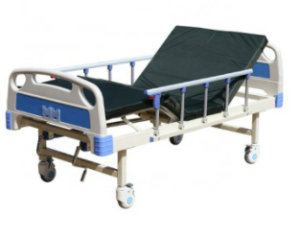
2. How Air Mattresses Work: Alternating Pressure Technology
How it works
-
Two sets of air bladders:The mattress contains two series of air cells—an odd series and an even series.
-
Alternating inflation and deflation:A pump controls the air supply, with one set of bladders inflating while the other deflates.
-
Pressure redistribution:In a timed cycle, the bladders that were soft become firm, and the firm ones become soft. This continuous motion shifts the pressure points on the body.
-
Improved blood flow:By relieving pressure on one area and applying it to another, the mattress stimulates blood circulation in a process known as Reactive Hyperemia.
-
Static mode:Many advanced systems include a “static mode” that can be temporarily activated to stop the alternating cycle, which is useful for tasks like sitting up for a meal.
Benefits
-
Prevents and treats pressure injuries:The constant shifting of weight is crucial for preventing and treating pressure sores, especially for individuals with limited mobility.
-
Enhances comfort:The continuous movement provides a dynamic surface that is often more comfortable than a static mattress.
-
Can be combined with low air loss:Many alternating pressure mattresses also offer a low air loss function, where small holes in the bladders allow air to escape to help manage moisture and keep the skin dry.
2.1 The Inflation and Deflation Mechanism
An air mattress is composed of multiple air cells or chambers, connected to an electric air pump.
The pump automatically inflates and deflates alternate sets of air chambers in a programmed cycle — typically every 6 to 10 minutes.
This alternating pressure redistributes body weight and allows compressed tissue to recover.
2.2 Static and Alternating Modes
HENYUAN Medical air mattresses offer both static mode and alternating mode:
| Mode | Description | Best For |
|---|---|---|
| Alternating Mode | Air cells inflate/deflate in sequence to relieve continuous pressure. | High-risk or immobile patients |
| Static Mode | Maintains constant pressure when the patient needs stability (e.g., during procedures). | Medium-risk or post-surgery recovery |
These adjustable modes ensure that each mattress can be customized to individual patient needs.
3. Benefits of Using Air Mattresses in Hospitals
Medical and therapeutic benefits
-
Pressure ulcer prevention:The core benefit is the prevention of pressure sores (decubitus ulcers) by using air chambers that inflate and deflate to redistribute pressure away from bony areas.
-
Improved circulation:By changing pressure points, air mattresses promote better blood flow throughout the body, which is vital for healthy skin and tissue.
-
Enhanced comfort:Patients can adjust the firmness to their liking, which improves sleep quality and can help reduce pain.
-
Reduced friction and shear:The smooth surface and pressure redistribution minimize friction and shear forces on the skin.
-
Assists with mobility:The design can support gentle patient rotation and movement, which helps with both patient comfort and caregiver assistance.
Practical benefits for hospitals
-
Reduced caregiver burden:The mattress’s automatic pressure redistribution and positioning reduce the need for frequent manual repositioning by staff, which lowers strain on caregivers.
-
Easy to clean:Most medical air mattresses have durable, easy-to-clean, and often removable or wipeable covers for improved hygiene.
-
Customizable support:Staff can adjust the pressure to match individual patient needs, from different weight capacities to varying levels of firmness.
-
Cost-effective:While there is an initial investment, air mattresses can be more cost-effective in the long run due to preventing costly pressure ulcer treatments.
Hospitals choose air mattresses not just for comfort, but for clinical effectiveness.
Here are the top benefits reported in both clinical studies and real-world use cases:
| Benefit | Description |
|---|---|
| Pressure Ulcer Prevention | Alternating air pressure reduces tissue compression and shear forces. |
| Improved Circulation | Regular inflation cycles enhance blood flow and oxygen delivery. |
| Enhanced Comfort | Adjustable firmness provides better sleep quality and reduced stress. |
| Reduced Caregiver Strain | Automatic repositioning minimizes the need for manual turning. |
| Better Hygiene | Waterproof, breathable covers prevent fluid accumulation. |
| Adaptability | Adjustable settings for bariatric, pediatric, or elderly patients. |
| Cost-Effectiveness | Fewer complications mean shorter hospital stays and lower treatment costs. |
4. Technical Specifications: What to Look for
When choosing an air mattress for hospital or home care, consider these key technical parameters from HENYUAN Medical:
| Parameter | Specification Range | Purpose |
|---|---|---|
| Pump Flow Rate | 6–10 L/min | Determines speed of pressure change |
| Cycle Time | 6–12 minutes | Controls alternating intervals |
| Pressure Range | 20–60 mmHg | Adjustable firmness for patient comfort |
| Mattress Height | 5–8 inches | Influences support and stability |
| Weight Capacity | Up to 250 kg | Suitable for bariatric patients |
| Noise Level | ≤ 30 dB | Ensures quiet operation |
| Cover Material | Nylon + PU waterproof fabric | Anti-microbial and easy to clean |
All HENYUAN Medical air mattresses comply with CE & ISO certifications, ensuring hospital-grade safety and reliability.
5. Real-World Use Cases
Case 1: Intensive Care Units (ICUs)
In ICUs, where patients often remain motionless for days, alternating pressure air mattresses significantly reduce Stage I–II pressure ulcer incidence.
Case 2: Geriatric and Home Care
For elderly patients at home, low-air-loss mattresses with micro-perforated surfaces provide gentle airflow, keeping the skin dry and preventing infections.
Case 3: Post-Surgery Recovery
Patients recovering from major surgery or spinal injuries benefit from static mode, which offers stability without compromising circulation.
6. Comparing Mattress Types: Foam vs. Air vs. Hybrid
| Type | Advantages | Disadvantages | Best For |
|---|---|---|---|
| Foam Mattress | Inexpensive, quiet | Poor air circulation, higher ulcer risk | Short-term stays |
| Air Mattress | Dynamic pressure relief, customizable | Requires pump, slight noise | Long-term or immobile patients |
| Hybrid Mattress | Combines foam and air cells | Higher cost | ICU and high-risk patients |
HENYUAN Medical offers all three types, allowing hospitals to choose the right system based on patient conditions and budgets.
7. How to Choose the Right Medical Air Mattress
Patient needs assessment
-
Pressure ulcer/sore risk:Assess how much time the patient spends in bed. More time in bed requires a higher-level pressure relief mattress.
-
Mobility:Consider if the patient has any mobility, as a surface that hinders movement isn’t suitable for some users.
-
Skin condition:Look for moisture-related issues like excessive sweating or moisture, which indicate a need for a low air loss feature.
-
Other conditions:Patients with circulatory or pulmonary issues may benefit from lateral rotation mattresses.
Mattress types
-
Alternating pressure:Uses a pump to inflate and deflate cells, which helps improve blood flow and prevent bed sores by alleviating pressure points.
-
Low air loss:Features tiny holes that allow air to flow through, helping to keep skin dry and manage moisture and heat.
-
Lateral rotation:Gently rotates the user to help with blood circulation and lung function, often used for patients with pulmonary issues.
Additional features and considerations
- Pressure redistribution: Look for how well the mattress conforms to the body (envelopment) and the depth of the support surface (immersion).
- Weight capacity: Ensure the mattress can support the user’s weight.
- Cover material: Non-stretch covers are more moisture-resistant and suitable for incontinent users, while 2- or 4-way stretch covers offer better comfort and breathability.
- Noise and heat: Consider the noise level of the air pump and whether the mattress regulates heat to prevent overheating.
- Durability: Check the warranty and the expected lifespan of the unit.
- Cost: Consider the total cost of ownership, which includes potential maintenance and replacement costs, not just the initial price.
When selecting a hospital air mattress, evaluate:
-
Patient mobility level — Immobile patients need alternating or low-air-loss systems.
-
Risk of pressure ulcers — Use clinical scales like Braden or Norton.
-
Environment — Hospital vs. home care.
-
Maintenance and noise — Choose low-noise, easy-to-clean pumps.
-
Budget vs. longevity — A durable, medical-grade model reduces long-term costs.
? Tip: HENYUAN Medical experts recommend alternating pressure systems with auto-adjust sensors for ICU or long-term patients.
8. Clinical Evidence and Studies
A randomized controlled trial (PMC 9276249) compared alternating pressure mattresses with static versions and found:
-
30% fewer new pressure ulcers in alternating pressure users
-
Higher patient comfort scores
-
Reduced caregiver time
Such findings strongly justify why hospitals rely on air mattresses for effective patient care and long-term outcomes.
9. Maintenance & Safety Tips
Safety tips
-
Inflation and pressure:Ensure the mattress is fully inflated before use. Adjust the pressure according to the patient’s weight and comfort needs, checking before each shift.
-
Sharp objects:Keep all sharp objects, such as scissors, pins, or pet claws, away from the mattress to prevent punctures.
-
Fire and heat:Do not smoke, vape, or use open flames like candles near the mattress. Avoid placing hot items like hair dryers on the mattress and keep the mattress away from heaters and fires.
-
Electronics:Never use heated blankets or charging electrical items like phones on the air mattress. Keep the pump’s air vents clear of debris and ensure the pump is in a dry, ventilated area.
-
Entrapment:Be aware of the risk of entrapment between the mattress and other objects like bed frames or walls. Make sure there is adequate space, especially for children.
-
Bed railings:Ensure bed railings are sufficient to cover the height of the air mattress to prevent falls.
-
Water hazards:Do not use the product in water and keep it away from bathtubs and sinks.
Maintenance tips
-
Daily checks:Conduct daily checks for any leaks or loss of air pressure. If issues are found, address them promptly.
-
Cleaning:Clean the mattress cover regularly with a soft cloth and mild soap and water. Clean spills immediately.
-
Disinfection:Follow the manufacturer’s instructions for disinfection. Some manufacturers may recommend specific disinfectants or have restrictions.
-
Washable covers:If the cover is removable and washable, clean it regularly to maintain hygiene.
-
Pump filter:Check the pump’s filter and replace it when it is no longer white, as this is an indicator of when it needs changing.
-
Storage:When not in use, store the mattress in a cool, dry place.
-
Repositioning:Periodically reposition the mattress itself to distribute stress evenly and prevent degradation.
To maximize lifespan and performance:
-
Check pump filters every 3 months.
-
Disinfect the cover daily using hospital-grade wipes.
-
Avoid sharp objects on the surface.
-
Keep hoses untwisted for optimal airflow.
-
Replace air cells that show leaks or deformation.
10. Conclusion
So, why do hospitals have air mattresses?
Because they save lives, prevent wounds, and enhance recovery. Air mattresses have evolved from simple comfort aids to smart medical devices that actively improve patient outcomes.
With advanced alternating pressure, static modes, low-air-loss systems, and sensor-controlled pumps, HENYUAN Medical continues to lead in providing reliable, high-performance hospital air mattresses worldwide.
Whether for hospitals, nursing homes, or home care, choosing the right system ensures comfort, safety, and healing — the three pillars of effective medical support.
