

Bariatric Hospital Bed with Half Rails Benefits: Everything You Need to Know
Modern hospitals and home care settings demand beds that cater to safety, comfort, and mobility for patients, especially those with higher body weights. Bariatric hospital beds with half rails have become an essential solution, providing both stability and ease of access.
In this comprehensive guide by Henyuan Medical, we will explore the benefits, technology, safety features, technical specifications, real-world cases, and practical buying guide for these specialized beds.
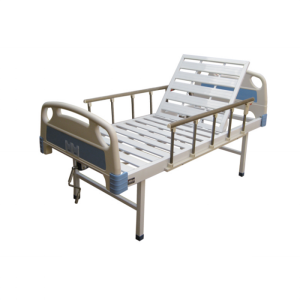
1. Understanding Bariatric Hospital Beds
Key features and uses
-
Structural integrity:They have reinforced frames and components to safely support weight capacities ranging from 500 to 1000 lbs.
-
Increased dimensions:They are wider (36 to 60 inches) than standard hospital beds, which improves patient comfort and provides more space for nursing procedures.
-
Adjustability:Many are equipped with electric or semi-electric controls for adjusting the bed’s height and the head and foot sections, promoting patient independence and easing caregiver tasks.
-
Specialized mattresses:They often come with high-density foam or other specialized mattresses designed to distribute weight evenly and prevent pressure sores.
-
Safety and functionality:Bariatric beds include features like reinforced side rails and can have built-in weighing scales to help monitor patient health.
How to use and maintain
-
Space requirement:Ensure there is ample space around the bed for safe patient care. A general guideline is to allow for about five feet of clearance on the sides and at the foot of the bed.
-
Maneuvering:If a bed has a power drive system, follow the instructions carefully for engaging the drive wheel for movement. Remember to switch the system off and lock the casters before storing or parking the bed.
-
Electrical safety:Always unplug the bed before manual movement and ensure power cords are properly stored.
-
Weight capacity:Always be mindful of the bed’s specific weight capacity and ensure it can support the patient as well as any necessary medical equipment.
-
Staff training:Proper staff training on the bed’s specific operation and safety protocols is essential for safe and effective use.
Bariatric hospital beds are designed specifically for patients with higher body weight, typically supporting up to 500 lbs or more. They are wider, sturdier, and more durable than standard hospital beds.
Key Features:
-
Extra-wide frame (42–48 inches or more)
-
Heavy-duty steel construction
-
High weight capacity (up to 500–600 lbs)
-
Adjustable height and backrest angles
-
Compatible with various mattress types
Why half rails?
Half rails are shorter side rails that cover only part of the bed, typically near the head or middle section. This provides support and safety without fully restricting the patient’s ability to get in and out of bed, which is critical for mobility and independence.
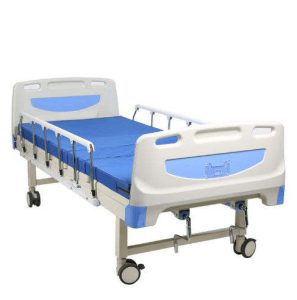
2. The Purpose of Half Rails on Bariatric Beds
Key purposes of bariatric half rails
-
Fall prevention:The primary goal is to stop patients from accidentally rolling off the bed, particularly when the bed is raised for procedures or caregiver access.
-
Ease of transfer:The half-length design creates an opening at the bottom of the bed, making it easier for patients to move in and out, which promotes independence and reduces the need for physical assistance from caregivers.
-
Assistance with repositioning:Half rails offer a sturdy surface to hold onto or push against, helping individuals with limited strength to change positions in bed, which can prevent discomfort and bedsores.
-
Reduced sense of confinement:The half-length design is less confining than full-length rails, which can be more comfortable for patients who may feel restricted by full rails.
-
Accessory attachment:The rails provide a place to hang items or attach storage solutions, such as bed pockets, to keep essentials like a remote control, book, or other small items within reach.
Half rails are strategically used to:
-
Prevent accidental falls – critical for patients at moderate risk of falling.
-
Assist patient mobility – provide leverage for repositioning or sitting up.
-
Maintain accessibility – unlike full rails, half rails do not block the foot section, allowing easier entry and exit.
-
Reduce caregiver strain – fewer manual repositioning requirements due to patient support.
Henyuan Medical beds incorporate half rails designed for both safety and convenience, ideal for hospital wards, long-term care facilities, and home care.
3. Full Rails vs Half Rails: Which is Right?
Full rails
- Best for: Individuals who are at high risk of falling out of bed, those who tend to roll, or those who need full side-to-side support when getting up.
- Pros: Provide the maximum level of fall prevention.
- Cons: Can restrict movement and make transfers more difficult. Can create a higher fall risk if the user tries to climb over them.
Half rails
- Best for: Individuals who need moderate fall protection, support for sitting up, or assistance with repositioning but are able to get in and out of bed on their own. Also good for those who value some independence.
- Pros: Provide targeted support where needed, allow for greater mobility, and make transfers easier. Some styles can flip down to act as a transfer aid.
- Cons: Offer less protection against rolling out of bed than full-length rails.
How to choose
-
Assess mobility and cognitive ability:Individuals with more limited mobility or cognitive challenges may require full-length rails, while those who are more aware and mobile may do well with half rails.
-
Consider caregiver access:Half rails allow for easier access for caregivers when providing care or assistance.
-
Factor in patient preference:Half rails can be a good choice for people who want more independence and less restriction.
-
Consult a professional:Always consult with a healthcare provider to determine the best and safest option for an individual’s specific needs.
| Feature | Full Rails | Half Rails | Recommended Use |
|---|---|---|---|
| Coverage | Entire side | Head to mid-section | Patients with some mobility but moderate fall risk |
| Safety | Maximum restraint | Moderate restraint | Patients who need safety without full restriction |
| Patient Access | Limited | Easier entry/exit | Facilitates independent movement |
| Caregiver Assistance | May require less supervision | Supports repositioning | Reduces caregiver effort while maintaining safety |
Insight: For bariatric patients, half rails are often preferred. They provide sufficient safety while allowing independent movement, which is particularly important for patients who can still self-reposition but need some support.
4. Benefits of Bariatric Hospital Beds with Half Rails
Benefits of bariatric beds
-
- Greater weight capacity: These beds have reinforced steel frames to support between 600 and 1,000 pounds, ensuring stability and preventing structural failure.
- Wider surface: With widths up to 54 inches, bariatric beds provide more space and comfort for patients, reducing the risk of pressure sores.
- Motorized adjustability: Full-electric models allow patients and caregivers to change the bed’s height and position easily, reducing strain and promoting independence.
- Enhanced comfort and independence: The wider surface and motorized functions enhance patient mobility and comfort while reducing their reliance on caregivers.
- Adjustable height: Beds can be lowered closer to the floor, making it easier and safer for patients to get in and out.
- Pressure ulcer prevention: Many bariatric beds feature special mattresses or adjustable positioning to reduce the risk of pressure ulcers (bedsores).
Advantages of half rails
- Increased independence: Half rails provide support for repositioning and getting in and out of bed but leave the foot and head areas open. This allows patients more freedom to enter and exit the bed independently.
- Reduced feeling of confinement: Unlike full-length rails, which can make a patient feel trapped, half rails offer a less restrictive experience.
- Targeted support: The rails are strategically placed in the middle or head section, providing targeted support where a patient needs it most for sitting up or repositioning.
- Lower entrapment risk: The smaller size and fewer gaps reduce the potential for a patient’s limbs or body to become caught between the rails and the mattress.
- Improved caregiver access: With open access at the foot and head of the bed, half rails make it easier for caregivers to assist with transfers, hygiene, and other tasks.
Who can benefit from a bariatric bed with half rails?
- Elderly patients: Offers safety from accidental falls while promoting independence.
- Patients with limited mobility: Provides targeted assistance for sitting up and repositioning, fostering autonomy.
- Individuals with moderate fall risk: Offers a balance of protection and freedom for those who can navigate entering and exiting the bed themselves.
- Patients recovering from surgery: Provides the heavy-duty support and assistance required for a safe recovery at home or in a facility.
4.1 Patient Safety
Half rails prevent accidental rolling out while avoiding the entrapment risks associated with full rails.
4.2 Enhanced Comfort and Mobility
With half rails, patients can easily reposition, sit up, or get out of bed with minimal assistance, promoting independence and improving quality of life.
4.3 Caregiver Efficiency
Caregivers spend less time manually repositioning patients, allowing more time for other critical tasks.
4.4 Adaptable for Different Settings
These beds are ideal for hospital wards, rehab centers, nursing homes, and home care, offering versatility without compromising safety.
5. Technical Specifications of Henyuan Bariatric Beds
| Specification | Details | Benefit |
|---|---|---|
| Bed Width | 42–48 inches | Provides extra space for comfort and larger patients |
| Weight Capacity | Up to 600 lbs | Safe for bariatric patients |
| Half Rails | Adjustable length 28–36 inches | Optimal balance of safety & accessibility |
| Height Adjustment | 15–25 inches from floor | Ease of transfers and caregiver ergonomics |
| Backrest Angle | 0–70° | Patient comfort and support |
| Mattress Type | Compatible with standard, air, or foam mattresses | Flexible patient care options |
| Frame Material | Heavy-duty steel | Long-term durability |
Henyuan Medical beds are CE & ISO certified, ensuring reliability and hospital-grade safety.
6. Real-World Use Cases
6.1 Hospital Wards
In hospital wards, half rails on bariatric beds help patients reposition independently, while preventing accidental falls.
6.2 Long-Term Care Facilities
For long-term care residents, half rails provide support without restricting mobility, encouraging daily movement and reducing skin breakdown risks.
6.3 Home Care
Home caregivers benefit from easy patient access, as half rails allow patients to get in/out of bed safely, reducing caregiver fatigue.
7. Choosing the Right Bariatric Bed with Half Rails
Key factors to consider
-
Weight Capacity:Ensure the bed’s capacity is significantly higher than the patient’s weight to ensure safety and durability.
-
Bed Size and Width:Bariatric beds come in various widths (42 to 60 inches) to accommodate larger patients, ensuring comfort and preventing the need for them to spill over the edge.
-
Mattress:Choose a high-quality, firm bariatric mattress that provides proper support and helps prevent pressure ulcers.
-
Adjustability:Look for features that allow for easy adjustment of the head and feet, and a bed that can be raised or lowered for caregiver and patient convenience.
-
Durability and Quality:Opt for a bed with a reinforced steel frame and high-grade motors that can handle frequent use and weight.
Rail-specific features
-
Safety Features:
- Locking Mechanism: Ensure the rails have a secure locking mechanism to prevent accidental movement.
- Non-slip Grips: These provide a secure hold for the patient when getting into or out of bed.
- Rail Pads: Foam padding can be added for extra comfort and protection.
-
Compatibility:Verify the half rails are compatible with the specific bariatric bed frame you are purchasing. Some rails are integral to the bed design, while others are optional accessories.
-
Ease of Use:Look for rails that can be easily lowered or removed for patient transfers, and consider swing-away options for added flexibility.
Additional considerations
-
Caregiver Assistance:Ensure the bed is easy for caregivers to use, with a user-friendly remote or hand crank for adjustments.
-
Cleaning and Maintenance:Choose a bed with smooth, seamless surfaces and an open architecture for easy cleaning.
-
Warranty:Check the warranty to understand what is covered for the bed and its components, especially since bariatric beds are a significant investment.
When selecting a bariatric hospital bed, consider:
-
Patient weight and size – ensure the bed can safely support the patient.
-
Risk of falls – assess if half rails provide adequate protection.
-
Mobility level – patients who can reposition may benefit more from half rails than full rails.
-
Caregiver needs – consider beds that reduce manual handling.
-
Environment – hospital, rehab, or home care settings may require different bed features.
Tip: Henyuan Medical provides customizable half rails with adjustable heights to meet patient-specific safety requirements.
8. Clinical Evidence Supporting Half Rails
Studies and clinical guidelines indicate:
-
Half rails reduce fall incidents without compromising patient autonomy.
-
They help prevent injuries while allowing patients to maintain some mobility.
-
Used correctly, they minimize entrapment risks, a common concern with full-length rails.
Example: A study in long-term care facilities showed that using half rails on bariatric beds reduced caregiver intervention by 25% and improved patient independence scores.
9. Practical Tips for Using Half Rails Safely
-
Ensure rails are properly locked and checked regularly.
-
Use rails only for patients who need partial support, not full restraint.
-
Combine with non-slip flooring and patient monitoring for maximum safety.
-
Train caregivers on proper positioning and adjustment of half rails.
10. Henyuan Medical Product Highlights
Henyuan Bariatric Bed Models
| Model | Bed Type | Half Rails | Features | Recommended Use |
|---|---|---|---|---|
| HY-4200 | Full Electric | Adjustable 28–36″ | 42″ wide, 600 lbs capacity, tilt function | Hospitals, rehab, home care |
| HY-4300 | Semi-Electric | Adjustable | 48″ wide, heavy-duty frame, air mattress compatible | Bariatric care, long-term care facilities |
| HY-4400 | Manual Adjustable | Fixed | 42″ wide, foldable half rails, foam mattress | Home care, outpatient rehab |
Each model is designed with patient safety, comfort, and caregiver efficiency in mind, reflecting the core benefits of bariatric hospital beds with half rails.
11. Buying Guide: Key Considerations
-
Weight Capacity & Dimensions – Always check manufacturer specifications.
-
Rail Type & Length – Determine if half rails meet patient safety needs.
-
Adjustable Features – Height and backrest adjustability are crucial.
-
Mattress Compatibility – Ensure the bed supports appropriate mattress types.
-
Certifications – CE & ISO certifications guarantee safety and quality.
-
Warranty & Support – Choose suppliers like Henyuan Medical for after-sales support.
12. Conclusion
Bariatric hospital beds with half rails offer a perfect balance of safety, accessibility, and comfort. For patients with higher body weight, these beds:
-
Reduce fall risks
-
Promote mobility and independence
-
Improve caregiver efficiency
-
Provide durable, hospital-grade support
With Henyuan Medical, hospitals, nursing homes, and home caregivers can confidently choose beds that maximize patient safety and comfort, while maintaining ease of use and clinical reliability.
