

Hospital Air Mattress: Comprehensive Guide from Henyuan Medical
When it comes to ensuring patient comfort and preventing pressure injuries, hospital air mattresses play a critical role in healthcare facilities and home care environments. Henyuan Medical offers a wide range of hospital air mattresses, including alternating pressure mattresses, low air loss mattresses, and other advanced air pressure support surfaces that cater to the needs of long-term bedridden patients.
In this guide, we will explore the different types of hospital air mattresses, discuss their technical features, share practical case studies, and provide a complete buying guide to help caregivers and medical professionals make informed decisions.
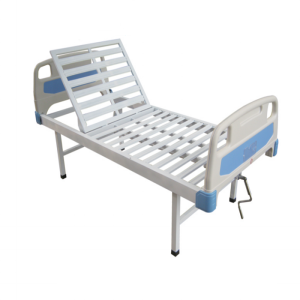
What is a Hospital Air Mattress?
How it works
-
Alternating Pressure:A pump system alternates between inflating and deflating different air chambers in a cycle. This changes the pressure points, preventing constant weight from being concentrated on one area.
-
Pressure Redistribution:The air cells adjust to conform to the body, distributing weight evenly to minimize stress on the skeletal system and support healthy blood flow.
-
Low Air Loss:Many models include low air loss features, which use small perforations in the air cells to create a gentle airflow across the skin. This helps reduce heat and moisture, which are key factors in skin breakdown.
Benefits
-
Prevents pressure ulcers:By relieving constant pressure, these mattresses are a crucial tool for treating and preventing bedsores.
-
Enhances comfort:They provide a more comfortable and supportive surface, especially for patients who must remain in bed for long periods.
-
Improves circulation:The constant movement helps improve blood flow throughout the body.
-
Keeps skin cool and dry:The low air loss feature reduces sweat and moisture, which helps protect the skin.
Key features to note
-
CPR valve:Many models have a manual release for CPR. In an emergency, this valve is pulled to quickly deflate the mattress, allowing for effective chest compressions.
-
Adjustability:The firmness can usually be adjusted, and the speed of the pressure alternation is often controllable.
-
Medical-grade construction:These mattresses are built for long-term use in a medical environment, unlike recreational air mattresses.
A hospital air mattress is a specialized bed surface designed to reduce the risk of pressure sores and enhance patient comfort. Unlike traditional foam mattresses, air mattresses use air cells or bladders to distribute pressure evenly. Henyuan Medical’s products include advanced alternating pressure systems that continuously adjust the air pressure under the patient, reducing prolonged pressure on any single area.
Key Benefits:
-
Pressure Injury Prevention: Alternating pressure cycles help prevent bed sores and skin ulcers.
-
Enhanced Comfort: The mattress surface can be adjusted to suit individual patient needs.
-
Ease of Use: Easy to set up, clean, and maintain, suitable for both hospital and home care settings.
-
Low Noise: Whisper-quiet air pumps minimize disturbance to patients.
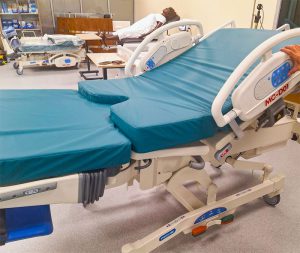
Types of Hospital Air Mattresses by Henyuan Medical
1. Alternating Pressure Mattress
Alternating pressure mattresses periodically inflate and deflate air cells to reduce pressure on vulnerable areas. Henyuan Medical’s alternating pressure mattresses are widely used in hospitals and long-term care facilities.
Technical Specifications (Example Model: HM-AP1200):
| Feature | Specification |
|---|---|
| Air Cells | 20 High-Quality PVC Cells |
| Cycle Time | 10 minutes per alternating cycle |
| Max Patient Weight | 450 lbs (204 kg) |
| Pump Noise | < 30 dB (quiet) |
| Power Requirement | 110-240V AC |
| Safety Features | Low-pressure alarm, battery backup option |
Practical Use Case:
In a recent study at a long-term care facility, patients using Henyuan Medical alternating pressure mattresses reported 40% fewer skin breakdowns over three months compared to static mattresses.
2. Low Air Loss Mattress
A low air loss mattress maintains a constant pressure while promoting air circulation, which reduces moisture buildup and keeps skin dry. This is particularly beneficial for patients with high perspiration or incontinence issues.
Technical Specifications (Example Model: HM-LAL1000):
| Feature | Specification |
|---|---|
| Air Bladders | 18 individually adjustable bladders |
| Surface Material | Breathable PU cover, waterproof |
| Weight Capacity | 500 lbs (227 kg) |
| Pump | Continuous low-noise pump with adjustable pressure |
| Key Benefit | Reduces maceration and friction on skin |
3. Static Air Mattress
Static air mattresses are designed for patients with lower risk of pressure ulcers. They provide even pressure distribution but do not have alternating cycles.
Practical Tips:
-
Pair with bed sheets that allow air circulation to maintain comfort.
-
Regularly inspect and adjust air pressure to prevent skin injury.
How to Choose the Right Hospital Air Mattress
Essential features to consider
-
Size and weight capacity:Ensure the mattress fits the dimensions of your hospital bed and can support your weight.
-
Pressure redistribution:Look for mattresses with alternating pressure systems, which periodically inflate and deflate different air chambers to promote circulation and prevent pressure sores.
-
Moisture management:Choose a waterproof model to help manage sweat and incontinence and prevent skin breakdown.
-
Adjustability:Select a mattress with adjustable pressure settings to customize comfort and support, and consider features that help with patient movement.
-
Pump:Look for a quiet, efficient pump that inflates and deflates the mattress quickly, with controls that are easy for the patient or caregiver to use. Some pumps have built-in alarms for added safety.
Important practical considerations
-
Durability and ease of cleaning:A mattress made from high-quality, durable material that is easy to clean is crucial for hygiene and longevity. Removable and washable covers are a great feature.
-
Firm side perimeters:Consider models with raised perimeters to help contain the patient, improve stability for transfers, and reduce the risk of falls.
-
Noise level:Choose a mattress with a low noise level from the pump to avoid disturbing sleep.
-
Warranty:A warranty can protect your investment against defects or malfunctions.
-
Air Mattress for Hospital Beds – AvaCare MedicalWhat is a Hospital Air Mattress? Hospital air mattresses are constructed differently than the air mattresses that people are accus…
Selecting the best hospital air mattress depends on the patient’s medical condition, mobility, and care environment. Henyuan Medical provides a range of options, and here are some guidelines:
-
Patient Weight and Size
-
Always check the weight capacity of the mattress.
-
Ensure the length and width fit the hospital bed frame.
-
-
Pressure Relief Needs
-
Patients with high risk of bed sores should use alternating pressure mattresses.
-
For moderate risk, low air loss mattresses are recommended.
-
For low-risk patients, static mattresses may suffice.
-
-
Comfort and Safety Features
-
Look for quiet pumps, adjustable pressure settings, and waterproof, breathable covers.
-
Safety alarms for pressure loss or system failure add an extra layer of security.
-
-
Maintenance and Durability
-
Check if the mattress covers are removable and washable.
-
Choose high-quality PVC or PU air cells to extend the lifespan.
-
Real-World Application Cases
Case 1: Acute Care Unit
A hospital in Chicago replaced traditional foam mattresses with Henyuan Medical alternating pressure mattresses. Results:
-
Reduced pressure ulcers by 35% in 6 months.
-
Improved patient satisfaction scores for comfort.
Case 2: Home Care
An elderly patient recovering from surgery was provided a low air loss hospital mattress from Henyuan Medical:
-
Improved sleep quality
-
Easier for caregivers to manage moisture and hygiene
-
Increased mobility and reduced discomfort
Case 3: Long-Term Care Facility
Static air mattresses were upgraded to alternating pressure systems, significantly reducing skin breakdown incidents among bedridden residents.
Installation and Sheet Recommendations
When using a hospital air mattress, proper bed sheet selection is crucial. Lightweight, breathable sheets should be used to avoid obstructing the air cells. Henyuan Medical recommends:
-
Fitted sheets designed for hospital air mattresses
-
Regular sheet changes to maintain hygiene
-
Avoiding tight or heavy bedding that can compromise air circulation
Conclusion
Choosing the right hospital air mattress can dramatically impact patient comfort and reduce the risk of pressure injuries. Henyuan Medical provides a range of high-quality options, from alternating pressure systems to low air loss mattresses, suitable for hospitals, home care, and long-term care facilities.
By carefully considering patient needs, mattress features, and proper bedding, caregivers can ensure the safest and most comfortable experience for every patient.
