

Manual Hospital Bed — The Complete 2025 Guide
In modern healthcare, comfort, safety, and patient autonomy are paramount. One of the most versatile and cost-effective solutions for hospitals, nursing homes, and home care is the manual hospital bed. HENYUAN Medical offers high-quality manual beds that combine durability, multi-function adjustability, and affordability, making them ideal for long-term care, rehabilitation, and home use.
This comprehensive guide will cover everything from features, specifications, and maintenance, to real-world use cases and expert buying tips, ensuring you select the right manual hospital bed for your patients or loved ones.
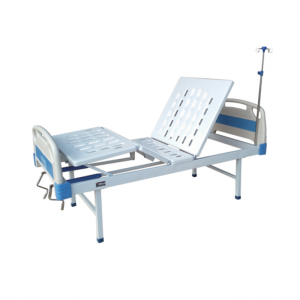
⚙️ 1. What Is a Manual Hospital Bed?
How it works
- Adjustment: Instead of buttons, a hand crank is used to adjust the bed’s position.
- Number of cranks: The number of cranks can vary. For example, a three-crank bed has separate cranks for the head, foot, and overall height, while some beds may have fewer.
- Operation: To adjust the bed, a caregiver would turn a specific crank. For instance, to lower the bed, a crank would typically be turned counterclockwise.
- Portability: Many manual beds have a castor locking system to keep the bed stable, and some can be transported with an optional transporter device.
Key features and benefits
-
- Cost-effective: Manual beds are generally less expensive than electric hospital beds.
- No power dependency: They function during power outages, making them reliable in any situation.
- Low maintenance: With fewer electronic parts, they can be easier to maintain.
- Durability: The simple, mechanical design often makes them very durable.
Considerations
- Requires physical effort: Adjusting the bed requires physical effort from a caregiver.
- Best for: They are often best for patients with limited adjustment needs or for those who have regular assistance from a caregiver.
- Patient independence: Patients cannot independently adjust their position as they might with an electric model.
A manual hospital bed is a medical bed that uses hand cranks to adjust the head, foot, and height of the bed frame. Unlike electric beds, manual beds require no power source, making them highly cost-effective and reliable for long-term use.
Key advantages include:
-
Affordable long-term care option
-
Durable heavy-duty frame
-
Simple operation and maintenance
-
Wide applicability: hospitals, nursing homes, home-care settings
HENYUAN Medical manual hospital beds are engineered for easy adjustment, patient comfort, and durable performance.
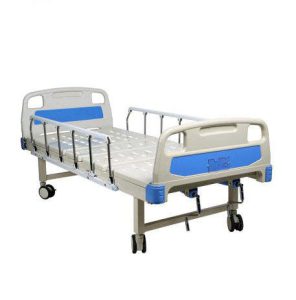
?️ 2. Types and Functionality of Manual Hospital Beds
Types and functionality
- 3-Function Manual Bed: This is the most common type, allowing for individual adjustment of the head, foot, and overall bed height through hand cranks. This allows caregivers to optimize a patient’s comfort and support for various needs, such as improving blood flow or preventing pressure sores.
- 2-Function Manual Bed: While less common and less versatile, some basic manual beds may only have a crank for the back and foot sections.
- Manual Crank System: Users turn a hand crank to raise or lower the different parts of the bed. The crank is typically located at the foot of the bed.
Key features and benefits
-
- Cost-effective: Manual beds are generally cheaper than semi-electric or fully electric beds, making them a budget-friendly choice for home care and smaller facilities.
- Reliable: Without electrical components, they are not susceptible to motor failure or power outages.
- Durable: They typically feature heavy-duty frames made of steel or aluminum for long-term use.
- Easy to maintain: With fewer complex parts, maintenance is simpler and less expensive.
- Versatile positioning: They provide the same basic range of motion as electric beds, allowing for adjustments that can help with breathing issues, circulation, and repositioning to prevent bedsores.
- Improved patient transfer: The adjustable height feature makes it easier and safer for caregivers to help patients transfer in and out of the bed and into wheelchairs.
Limitations
- Physical effort: Adjustments require physical exertion, which can be difficult for some patients or caregivers.
- Time-consuming: Adjusting the bed manually takes more time than using electric controls.
- Limited suitability: These beds are best suited for patients who don’t require frequent or quick adjustments and who have assistance from a caregiver.
| Type | Functions | Ideal Use |
|---|---|---|
| 2-Function Manual Bed | Adjust head and foot sections via hand crank | Basic patient positioning, home care |
| 3-Function Manual Bed | Adjust head, foot, and height sections | Hospitals, rehabilitation centers, long-term care |
| Bariatric Manual Bed | Reinforced frame for higher weight capacities | Heavy patients, long-term use |
| Multi-Height Manual Bed | Adjustable bed height for easier caregiver access | Nursing care, therapy rooms |
HENYUAN Medical integrates manual crank systems that allow smooth adjustment of all sections, patient positioning, and side rails for enhanced safety.
? 3. Features of HENYUAN Medical Manual Hospital Beds
-
Hand Crank Mechanism: Simple, reliable operation to adjust head, foot, and height
-
Durable Frame: Heavy-duty steel frame for long-term use
-
Safety Rails: Removable or foldable side rails for patient protection
-
Cost-Effective: Affordable solution for hospitals and home-care environments
-
Multi-Function Options: 2-function, 3-function, and bariatric beds available
-
Compatibility: Fits standard hospital and home care environments
? 4. Technical Specifications Overview
| Specification | Standard | Description |
|---|---|---|
| Bed Dimensions | 36” × 80” × 8” | Fits standard hospital mattresses |
| Weight Capacity | 150–450 lbs (Standard), up to 1000 lbs (Bariatric) | Supports diverse patient profiles |
| Adjustable Sections | Head, Foot, Height | Via hand crank system |
| Material | Heavy-duty steel frame, flame-retardant powder coating | Durable and safe for medical use |
| Side Rails | Optional, foldable | Ensures patient safety during repositioning |
| Warranty | 3 years | HENYUAN Medical quality assurance |
? 5. Real-World Use Cases
? Case 1: Rehabilitation Center
A rehabilitation clinic in Singapore replaced older beds with HENYUAN 3-function manual hospital beds. Caregivers reported easier patient transfers, and patients experienced improved comfort during therapy.
? Case 2: Home Care for Elderly Patients
An 82-year-old woman with limited mobility used a HENYUAN 2-function manual hospital bed at home. The hand-crank system allowed her caregiver to adjust positions easily, preventing bedsores and enhancing comfort.
? Case 3: Long-Term Care Facility
A nursing home integrated bariatric manual beds for heavier residents. The durable frames and simple manual operation minimized maintenance costs while maintaining high patient safety standards.
? 6. Buying Guide: Choosing the Right Manual Hospital Bed
Key features to consider
- Adjustability: Look for beds that allow for manual adjustment of the head, foot, and height. This is crucial for patient comfort and can be vital for transfers to and from a wheelchair.
- Durability: Choose a bed made with high-quality materials to ensure it can withstand long-term use.
- Safety features: Safety rails are essential to prevent falls. Check that the bed is stable and has locking wheels if it is mobile.
- Weight capacity: Ensure the bed is rated to safely support the patient’s weight.
- Mattress: Confirm the mattress is compatible with the bed frame and provides adequate comfort and support, which can vary by model.
- Space and mobility: Measure the available room space to ensure the bed fits and allows for easy movement around it, especially for caregivers.
Additional considerations
- Budget: Manual beds are a cost-effective option, but prices can vary. Determine a budget and compare features accordingly.
- Patient needs: Assess the patient’s specific health conditions and needs to ensure the bed’s features will be beneficial.
- Ease of use: While manual, the crank mechanisms should be easy to operate to allow for adjustments.
- Aesthetics: If the bed is for home use, consider how it will fit with the room’s decor.
-
Patient Needs:
-
Basic home care → 2-function manual bed
-
Rehabilitation or hospital → 3-function manual bed
-
Heavier patients → Bariatric manual bed
-
-
Bed Size and Compatibility:
Ensure the mattress fits the standard bed frame and room space. -
Safety Features:
Look for side rails, non-slip feet, and durable frame materials. -
Ease of Use:
Check crank handle accessibility and smooth adjustment operation. -
Budget Considerations:
Manual beds are generally more affordable than electric beds, with low maintenance costs.
? 7. Manual vs Electric Hospital Beds
Manual hospital beds
- Mechanism: Use hand cranks to adjust the head, foot, and height of the bed frame.
- Pros: More affordable and simple to maintain. They do not require electricity, making them useful during power outages.
- Cons: Require physical effort to adjust, which can strain caregivers.
- Best for: Short-term care, patients with limited adjustment needs, or those on a tighter budget.
Electric hospital beds
-
- Mechanism: Use an electric motor and a remote control to adjust the bed’s position.
- Types:
- Semi-electric: Motorized adjustments for the head and foot, but manual height adjustment.
- Full-electric: Motorized adjustments for the head, foot, and overall height.
- Pros: Provide greater comfort and convenience for the patient, and reduce physical strain on caregivers. Patients can control their own position, increasing independence.
- Cons: Significantly more expensive than manual beds. Require electricity to function, which can be a problem during power outages.
- Best for: Long-term care, patients who need frequent repositioning, and individuals or caregivers who have difficulty using manual cranks.
How to choose
- Consider your budget: Manual beds are the most affordable, followed by semi-electric, and then full-electric.
- Assess the patient’s needs: If the patient needs frequent or easy adjustments, an electric model is likely better.
- Evaluate caregiver capabilities: If a caregiver will be doing the adjusting, a semi-electric or full-electric bed can prevent strain.
- Factor in long-term use: For long-term care, the convenience and benefits of an electric bed often outweigh the initial cost.
| Feature | Manual Bed | Electric Bed |
|---|---|---|
| Cost | Lower | Higher |
| Adjustability | Hand-crank (head, foot, height) | Motorized (remote control) |
| Maintenance | Minimal | Moderate to high |
| Power Dependency | None | Required |
| Best For | Cost-effective, long-term care, home use | ICU, frequent position changes, advanced therapy |
For many long-term care facilities, HENYUAN Medical manual beds provide a reliable, low-cost alternative to motorized beds while maintaining essential patient comfort and positioning functionality.
? 8. Maintenance and Safety Tips
Maintenance tips
- Daily: Disinfect high-contact areas like side rails, control buttons, and handles with appropriate hospital-grade cleaners. Wipe down the mattress with a damp cloth.
- Weekly: Inspect all moving parts like hinges and joints for wear, tighten loose bolts and screws, and test the bed’s head and foot adjustments. Check that casters and locks are functioning correctly.
- Monthly: Test all electrical components, including power cords and motors. Inspect cables for fraying or pinching, and check that remote controls and manual levers work smoothly. Lubricate squeaky parts, such as hinges and wheels.
- Annually: Schedule a professional inspection to ensure the bed meets safety regulations.
Safety tips
-
- Locking: Always lock the casters before getting a patient on or off the bed or when moving it to prevent accidental rolling.
- Electrical: Always unplug electric hospital beds before cleaning the motor or frame. Ensure the power cord is intact, grounded, and not frayed.
- Fit and gaps: Make sure the mattress is the correct size for the bed frame to avoid gaps where a patient could get trapped.
- Clearance: Keep the area around the bed clear of clutter to prevent tripping hazards.
- Patient position: Ensure the patient is positioned safely and parts of their body are not hanging over the side or between rails.
- Remote control: Never use the bed if the controller cord is damaged. Have the cord and other electrical components inspected regularly.
- Professional service: If the bed is frequently breaking down, making noises, or has frame cracks, it may be time to get it serviced or replaced.
-
Regularly inspect crank mechanisms and joints for smooth operation
-
Clean bed frame and side rails to prevent corrosion or wear
-
Replace worn-out bed slats or cranks with HENYUAN Medical original parts
-
Keep floor space clear for caregiver movement and patient safety
? 9. Why Choose HENYUAN Medical
HENYUAN Medical is a trusted supplier of manual hospital beds for:
-
Hospitals
-
Nursing homes
-
Rehabilitation centers
-
Home-care environments
Key Advantages:
-
CE and ISO-certified manufacturing
-
High-quality steel frames and hand crank systems
-
Wide range of manual bed types (2-function, 3-function, bariatric)
-
Cost-effective, durable, and easy to maintain
✅ 10. Conclusion
A manual hospital bed is a cost-effective, reliable, and safe solution for patient care in both institutional and home settings. With HENYUAN Medical manual hospital beds, you get:
-
Durable heavy-duty frames
-
Smooth hand-crank adjustability for head, foot, and height
-
Side rails for patient safety
-
Affordable and low-maintenance care solution
Whether for long-term care, rehabilitation, or home use, investing in a HENYUAN Medical manual hospital bed ensures patient comfort, caregiver convenience, and long-term reliability.
