

Hospital Bed Chair Function — Complete 2025 Guide
Patient comfort, mobility, and safety are crucial aspects of modern healthcare. One often overlooked yet essential element in hospitals, nursing homes, and home care is the hospital bed chair function. These adjustable chairs integrated with hospital beds provide multiple seating positions, improve recovery outcomes, and enhance overall patient care.
HENYUAN Medical offers a wide range of hospital bed chairs that combine comfort, adjustability, and durability, making them ideal for both long-term care and home use.
This comprehensive guide will cover everything from key features, technical specifications, real-world case studies, to a detailed buying guide, ensuring you make an informed decision about the best hospital bed chair function for your needs.
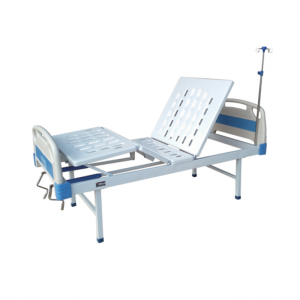
⚙️ 1. Understanding Hospital Bed Chair Functions
Key functions of a hospital bed chair
-
- Chair position: The ability to raise the head and feet simultaneously transforms the bed into a chair, which is beneficial for eating, reading, or general comfort. This position can also improve circulation and respiration.
- Circulation support: The leg elevation feature, often with an articulated knee break, helps reduce swelling, improve blood flow, and prevent pooling in the lower limbs.
- Respiratory assistance: A semi-upright position helps ease breathing and reduces strain on the lungs for patients with conditions like COPD or sleep apnea.
- Pressure relief: Adjusting the recline angle can help alleviate pressure on joints and nerves, which is particularly helpful for patients with chronic pain or those recovering from surgery.
- Easy transfers: Height adjustment, a common feature on many beds, can lower the bed to the floor for easier transfers in and out of the bed. It can also be raised to a more comfortable height for caregivers to provide assistance or clean around the bed.
- Trendelenburg position: Some specialized chairs and beds can use the Trendelenburg position, where the body is laid flat on a surface tilted with the feet higher than the head. This may be necessary for specific medical conditions, and it is beneficial for some patients with circulation issues.
Additional features
- Safety: Many beds include side rails to prevent falls, especially for patients with reduced mobility.
- Convenience: Some high-end models offer extra features like heated seating, massage functions, or USB ports to increase patient comfort and convenience.
- Patient support: Beyond beds, other hospital chairs like recliners and geri-chairs have specific designs, such as adjustable backrests, armrests, and footrests, to support patients with different needs.
A hospital bed chair function allows a hospital chair or hospital bed to adjust into multiple seating positions to enhance patient comfort and facilitate medical care. Common positions include:
-
Fowler’s Position: Head elevated 45–60°, ideal for eating, reading, or breathing assistance
-
Cardiac Chair Position: Upright position for cardiovascular support and post-surgery recovery
-
Flat/Bed Mode: Converts chair to a flat bed for sleeping or resting
HENYUAN Medical hospital chairs integrate these functions seamlessly, allowing caregivers to adjust seating and bed positions with ease.
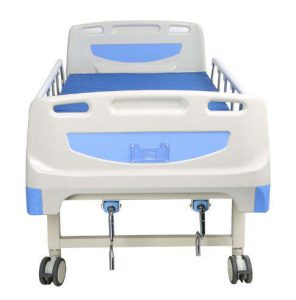
?️ 2. Types of Hospital Bed Chairs
Comfort and recovery
- Recliner Chairs: Designed for relaxation and post-operative recovery, allowing patients to recline and elevate their feet.
- Sleeper Chairs: These chairs convert from a chair to a bed, making them ideal for long-term stays or for visitors who need to stay overnight.
Mobility and support
-
- Lift Chairs: These chairs assist individuals with mobility issues by helping them stand up from a seated position.
- Geri Chairs (Geriatric/Senior Chairs): These are large, padded recliners with casters for easy transport. They often include an elevated leg rest and allow the back to recline to various degrees, and can function as a temporary transport bed.
- Bariatric Chairs: Sturdier and wider than standard chairs, they are designed to accommodate larger body types.
Specialized and functional
- Commode Chairs: Used as a toilet substitute for patients who have difficulty using a standard toilet.
- Shower Chairs: Made of waterproof materials with drainage holes to provide a safe way for patients to bathe.
- Bedside Chairs: These chairs are placed near the hospital bed to provide seating for visitors or for the patient to sit in, with some models being multipurpose.
- Treatment Chairs: Specially designed for medical procedures like dialysis or chemotherapy, ensuring patients are comfortably and properly positioned during treatment.
| Type | Functionality | Ideal Use |
|---|---|---|
| Sleeper Chair | Converts between chair and bed | Overnight visitors, home care |
| Riser Recliner Chair | Electric or manual reclining with footrest | Patients with mobility limitations |
| Adjustable Hospital Chair | Multiple seating positions (Fowler, cardiac, upright) | Hospitals, nursing homes, rehabilitation |
| Space-Saving Convertible Chair | Foldable or modular | Home care or small spaces |
HENYUAN Medical offers both manual and electric options, with smooth adjustment mechanisms for reliable, long-term use.
? 3. Key Features of HENYUAN Medical Hospital Bed Chairs
-
Multi-Position Functionality: Supports Fowler, cardiac, and flat-bed positions
-
Adjustable Recline and Footrest: Allows precise positioning for patient comfort
-
Durable Construction: Heavy-duty frame with medical-grade materials
-
Space-Saving Design: Converts to bed mode when needed for overnight care
-
Patient Safety: Includes side rails, anti-slip feet, and lockable recline
-
Ease of Use: Smooth hand-crank or electric adjustment
-
Affordability: Cost-effective alternative to separate beds and chairs
? 4. Technical Specifications Overview
| Specification | Standard | Description |
|---|---|---|
| Chair Dimensions | 36” × 36” × 42” | Fits standard hospital and home spaces |
| Weight Capacity | 250–450 lbs | Supports diverse patient profiles |
| Adjustment Range | 0°–90° backrest, 0°–45° leg rest | Fowler, cardiac, upright positions |
| Material | Heavy-duty steel frame, PU leather or fabric upholstery | Durable, easy to clean |
| Power | Manual hand crank or electric motor | Optional electric adjustment for comfort |
| Side Rails | Optional | Safety for patients with limited mobility |
| Warranty | 3 years | HENYUAN Medical quality assurance |
? 5. Real-World Use Cases
? Case 1: Rehabilitation Center
A rehabilitation clinic in Germany integrated HENYUAN sleeper chairs in their wards. Patients benefited from adjustable seating for therapy sessions and overnight rest, while caregivers appreciated the ease of transition between chair and bed modes.
? Case 2: Home Care for Elderly
An 80-year-old patient at home used a HENYUAN adjustable hospital chair with Fowler and cardiac positions. The patient could eat, read, and watch TV comfortably while maintaining proper posture, reducing risks of aspiration and bedsores.
? Case 3: Hospital Ward
A mid-sized hospital in the U.S. replaced old chairs with HENYUAN riser recliner chairs for post-surgery patients. The adjustable backrest and footrest positions improved patient comfort and facilitated early mobilization during recovery.
? 6. Buying Guide: Selecting the Best Hospital Bed Chair
Patient needs
- Mobility level: For users with limited mobility or those who cannot transfer independently, a model with motorized controls and easy side transfers is vital.
- Medical conditions: Specific ailments may require certain features. Users with back pain or heart conditions may benefit from a cardiac chair position, while patients with poor circulation need a chair that can elevate their legs.
- Weight capacity: Ensure the chair can safely accommodate the user. Bariatric models are designed for higher weight capacities and provide extra support.
- Duration of use: If the chair is for short-term use, a simpler, manual model might suffice. For long-term care, investing in a durable, feature-rich electric model is more beneficial.
Chair function and adjustability
- Manual: A manual model is the most budget-friendly option and is operated with a hand crank to adjust height and angles. It is best for users or caregivers with the physical strength to operate it.
- Semi-electric: These models have electronic controls for adjusting the head and foot of the bed, but the overall bed height must still be adjusted manually with a crank.
- Full-electric: For maximum convenience, a full-electric model uses a remote control to adjust all positioning and height, making it ideal for users who operate it independently.
- Positioning features: Look for controls that allow for various positions, such as Fowler’s (sitting upright) and Trendelenburg (head-down, feet-up), which are important for proper care. Some models even offer a “sleep-to-stand” function for easy transition.
Comfort and support
- Cushioning and ergonomics: Prioritize models with supportive, thick padding and an ergonomic design to prevent stiffness and pain.
- Pressure relief: For bedridden patients, features like alternating pressure overlays and gel-infused cushions help prevent painful pressure sores.
- Upholstery material: Choose a breathable, moisture-wicking, and wipeable material, such as vinyl or medical-grade fabric. These materials are also resistant to stains and bacteria, which is essential for hygiene.
Safety features
- Locking wheels: Sturdy, locking casters or brakes are essential to keep the chair stable and in place, particularly during transfers.
- Side rails: Depending on the user’s fall risk, you may want full-length or half-length side rails for assistance with repositioning and fall prevention.
- Sturdy frame: A heavy-duty, stable frame is necessary to prevent collapsing. A chair with a steel frame will offer a longer life span.
Space and practical considerations
- Room dimensions: Measure the space to ensure the chair fits comfortably when fully reclined without obstructing foot traffic.
- Portability: If the chair needs to be moved between rooms, choose a lighter, more portable design with wheels.
- Maintenance: Opt for a model that is easy to clean. Removable, antimicrobial upholstery and components that are simple to wipe down are ideal for maintaining a sanitary environment.
- Additional features: Some models include built-in storage compartments, USB charging ports, or removable trays for added convenience.
-
Patient Needs:
-
Light mobility → Manual adjustable chair
-
Frequent repositioning → Electric chair with multiple functions
-
Overnight stays → Sleeper chair with bed conversion
-
-
Space and Compatibility:
Measure room and bedside areas to ensure the chair fits and converts without obstruction. -
Safety Features:
Look for side rails, stable base, and anti-slip surfaces. -
Comfort & Upholstery:
Medical-grade fabric or PU leather for durability and easy cleaning. -
Budget Considerations:
HENYUAN Medical chairs provide a cost-effective solution compared to separate beds and chairs, reducing long-term costs.
? 7. Manual vs Electric Hospital Bed Chair Functions
Manual hospital beds
- Adjustment: Uses hand cranks to adjust the head, foot, or height.
- Effort: Requires physical effort from a caregiver, which can be strenuous with frequent adjustments.
- Cost: More budget-friendly.
- Power: Does not require electricity and works during power outages.
- Best for: Short-term care, limited budgets, or situations where a caregiver is always present to provide assistance.
Electric hospital beds
-
- Adjustment: Uses a remote control to electrically adjust the head, foot, and/or height.
- Effort: Minimal effort is required from the caregiver, allowing for frequent position changes without strain.
- Cost: More expensive.
- Power: Requires electricity and may include a battery backup for power outages.
- Best for: Long-term care, patients who require frequent position changes, and individuals seeking more independence.
| Feature | Manual Chair | Electric Chair |
|---|---|---|
| Cost | Lower | Higher |
| Adjustment | Hand-crank for backrest/footrest | Motorized positions with remote |
| Maintenance | Minimal | Requires electrical maintenance |
| Best For | Budget-conscious home care | Frequent repositioning, hospitals, rehabilitation |
| Safety | Stable, no power required | Includes lock features for safety |
? 8. Maintenance and Safety Tips
Daily maintenance and safety
- Clean the bed: Use hospital-grade cleaners and disinfectants to wipe down the bed frame, mattress, and handrails.
- Test electric functions: Ensure all buttons and controls work smoothly and are responsive.
- Check side rails: Raise, lower, and lock the side rails to ensure they function correctly and securely.
- Verify brakes: Test the wheels to ensure they roll smoothly and that the brakes lock securely. Perform a “nudge test” to confirm they are stable.
- Adjust to safe height: Adjust the bed height to a safe level for transfers, ensuring the patient’s knees are at a 90-degree angle when their feet touch the floor. After transfers, return the bed to a lower position.
Weekly and monthly maintenance
- Lubricate moving parts: Apply appropriate lubricants to joints, hinges, and wheels to prevent squeaking and wear.
- Inspect for loose parts: Check for and tighten any loose screws, bolts, or fasteners.
- Clean wheels and casters: Remove any hair, dust, or debris that may obstruct their movement.
Professional and other tips
- Schedule professional servicing: Have a technician inspect the bed annually to ensure it complies with safety regulations.
- Monitor for issues: Pay attention to slow response times, unusual noises (like grinding), or hydraulic/pneumatic leaks, and address them immediately.
- Consult the manual: Always follow the manufacturer’s specific instructions for cleaning and maintenance.
-
Regularly inspect adjustment mechanisms for smooth operation
-
Clean upholstery with mild disinfectants to prevent contamination
-
Check locking and side rails before each patient use
-
Ensure floor space is free from obstructions to avoid tipping
? 9. Why Choose HENYUAN Medical Hospital Bed Chairs
HENYUAN Medical provides trusted hospital bed chairs with:
-
CE and ISO-certified manufacturing
-
Multi-function adjustment: Fowler, cardiac, upright
-
Durable, easy-to-clean materials for hospital and home care
-
Sleeper and riser recliner models for diverse needs
-
Cost-effective, long-term investment for patient comfort and caregiver convenience
✅ 10. Conclusion
A hospital bed chair function is essential for patient recovery, comfort, and mobility in both healthcare and home-care environments.
HENYUAN Medical hospital bed chairs offer:
-
Smooth multi-position adjustment (Fowler, cardiac, flat)
-
Durable heavy-duty construction
-
Safety features including side rails and stable frame
-
Space-saving designs for home care and overnight visitors
Investing in a HENYUAN Medical adjustable hospital chair ensures maximum patient comfort, improved recovery outcomes, and long-term durability at an affordable cost.
