

Introduction
In modern healthcare settings, the integration of advanced technology into hospital beds has revolutionized patient care. One of the most critical components of this technology is the hospital bed control system. These systems, encompassing hand controls, junction boxes, and control modules, play a pivotal role in enhancing patient comfort and assisting caregivers in providing efficient care. Henyuan Medical, a leading manufacturer in the medical equipment industry, offers a range of innovative solutions designed to meet the diverse needs of healthcare facilities.
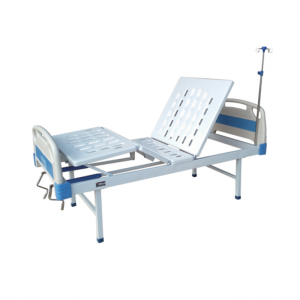
The Importance of Hospital Bed Controls
For patient comfort and recovery
- Positioning: Patients can raise the head or foot of the bed to find the most comfortable position for activities like reading or eating, or to assist with medical conditions like acid reflux.
- Reducing swelling: Elevating the feet helps to reduce swelling and improve blood flow.
- Preventing pressure ulcers: Regular adjustments to reposition the patient help to prevent bedsores.
- Improved breathing: Raising the head of the bed can improve breathing for patients with certain medical conditions.
For patient independence and ease of use
-
- Increased independence: Patients with limited mobility can use remote controls to adjust their position without assistance, allowing them to eat, read, or watch TV more easily.
- Safety: Adjusting the bed height to a safe level for transfers can help prevent falls when getting in and out of bed.
- Empowerment: Having the ability to control their own position gives patients a sense of control over their recovery.
For caregiver efficiency and safety
- Reduced physical strain: Caregivers can raise or lower the bed to their own comfortable height, reducing the strain on their back during care tasks.
- Easier transfers: Height adjustments and features like the Trendelenburg tilt (which uses gravity) can make it easier and safer to move a patient from the bed to a wheelchair or other surface.
- Emergency situations: A CPR latch or button can quickly and safely flatten the bed for chest compressions in a medical emergency.
- Bathing and hygiene: Beds can often be adjusted to a height that makes bathing and personal hygiene easier for both the patient and the caregiver.
Hospital bed controls are integral to the functionality of adjustable beds. They allow caregivers to modify the bed’s position, ensuring optimal comfort for patients. Whether it’s elevating the head or foot sections, adjusting the bed’s height, or enabling Trendelenburg positioning, these controls facilitate a range of movements that are essential for patient care. Additionally, features like lock/unlock functions enhance safety by preventing unauthorized adjustments.
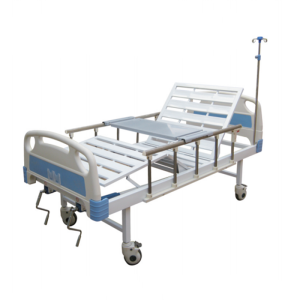
Key Components of Hospital Bed Control Systems
Mechanical and electrical components
- Linear Actuators and Motors: These are the “heart” of the system, responsible for the physical movement to adjust height, head, and foot sections.
- Frame: A sturdy frame provides stability and supports the weight of the bed and patient.
- Casters: Wheels with locking brakes that allow the bed to be moved easily and secured in place.
- Side Rails: Adjustable rails that provide safety and assist with patient repositioning.
Control and user interface
- Control Panel: An on-bed control panel for in-room adjustments.
- Handheld Remote: A separate, user-friendly remote that allows caregivers and patients to make adjustments from different positions.
Safety features
- Built-in Batteries: Allow the bed to continue operating during power outages.
- Overheat Protection: Prevents the motors from overheating during use.
- Anti-collision: Prevents the bed from hitting walls or other objects during movement.
- Electronic Security Locking: Prevents unauthorized or unintended adjustments.
- Bed-Exit Detection: Alerts staff when a patient attempts to get out of bed.
Monitoring and integration
- Integrated Scales: Some systems can weigh the patient while they are in the bed.
- Pressure Mapping: Systems that monitor pressure points on the mattress to help prevent bedsores.
- Patient Position Monitoring: Tracks the patient’s position and movement, which can be useful for preventing falls or ensuring proper alignment.
- Vital Sign Integration: Advanced beds can integrate with other systems to monitor a patient’s heart rate, respiratory rate, and other vitals.
1. Hand Controls
Hand controls are user-friendly devices that enable caregivers and patients to adjust the bed’s position effortlessly. Henyuan Medical’s hand controls are designed with ergonomic considerations, ensuring ease of use. These controls typically feature buttons for head and foot adjustments, height modifications, and other functionalities. The intuitive design allows for quick and precise adjustments, improving the overall caregiving experience.
2. Junction Boxes
Junction boxes serve as the central hub connecting various components of the hospital bed control system. They facilitate communication between the hand control, actuators, and power supply. Henyuan Medical’s junction boxes are engineered for reliability and durability, ensuring seamless operation of the bed’s functions. These boxes are compatible with a variety of bed models, offering flexibility to healthcare providers.
3. Control Modules
Control modules are sophisticated units that manage the bed’s electronic functions. They process signals from the hand control and translate them into actions performed by the actuators. Henyuan Medical’s control modules are equipped with advanced features, including Bluetooth connectivity and USB charging ports, enhancing the functionality and convenience of hospital beds.
Safety Features: Lock/Unlock Functions
Safety is paramount in healthcare settings. Henyuan Medical’s hospital bed control systems incorporate lock/unlock features to prevent unauthorized adjustments. By pressing a designated button, caregivers can lock the hand control, ensuring that only authorized personnel can make changes to the bed’s position. This feature is particularly useful in preventing accidental adjustments that could compromise patient safety.
Technical Specifications
| Component | Features | Benefits |
|---|---|---|
| Hand Controls | Ergonomic design, multiple adjustment buttons | Easy to use, enhances caregiver efficiency |
| Junction Boxes | Durable construction, compatible with various models | Reliable performance, flexible compatibility |
| Control Modules | Bluetooth connectivity, USB charging ports | Advanced functionality, user convenience |
Choosing the Right Hospital Bed Control System
For user and caregiver needs
-
- Patient-specific requirements: Consider mobility limitations, medical conditions, and weight capacity when choosing a system with appropriate adjustability and support.
- Ease of use: Look for intuitive, user-friendly remote controls with simple, clearly labeled buttons, especially for a one-handed or at-home caregiver.
- Adjustability:
- Head and foot sections: Choose models with adjustable head and foot sections for comfort and positioning.
- High-low function: Opt for a bed with high-low adjustment to make transfers easier and prevent caregiver strain.
- Manual override: Ensure the system includes a manual crank in case of power failure to maintain control and safety.
- Comfort: Select features that provide comfort, such as memory presets for preferred positions or other smart technology.
For safety and security
- Side rails: Choose a bed with secure side rails to prevent falls, with options for partial or full-length rails depending on the patient’s needs.
- Bed-exit detection: Look for systems with versatile bed-exit alerts that can be customized for volume and type to help prevent falls.
- Locking wheels: Ensure the bed has locking wheels for stability during use but also allows for easy movement when needed.
- Power features: Choose a model with a built-in battery backup for safety during short power outages.
- Fall prevention: Some beds have ultra-low positioning capabilities and automatic stop mechanisms to prevent entrapment and reduce fall risk.
For healthcare and hospital settings
- Infection control: Select a bed with smooth surfaces and minimal crevices to facilitate thorough and easy cleaning.
- Durability and reliability: Look for robust construction that can withstand constant use in a busy environment.
- Standardized interface: Choose beds with a consistent user interface across different models to ensure staff can operate them easily, regardless of the room.
- Acuity adaptability: Consider beds that offer a wide range of adjustments to meet the needs of a diverse patient population.
Selecting the appropriate hospital bed control system depends on various factors, including the specific needs of the healthcare facility, the types of patients served, and budget considerations. Henyuan Medical offers a range of products tailored to meet these diverse requirements. When choosing a system, it’s essential to consider the following:
-
Compatibility: Ensure that the control system is compatible with existing bed models and other equipment.
-
Functionality: Assess the range of features offered, such as multiple adjustment options and safety mechanisms.
-
Durability: Choose products made from high-quality materials to withstand the rigors of healthcare environments.
-
Ease of Use: Select systems that are intuitive and user-friendly, reducing training time for staff.
Conclusion
Henyuan Medical’s hospital bed control systems represent the forefront of innovation in patient care technology. By integrating advanced features, ensuring compatibility, and prioritizing safety, these systems enhance both patient comfort and caregiver efficiency. When selecting a hospital bed control system, it’s crucial to consider the specific needs of your healthcare facility and choose a solution that aligns with those requirements. Henyuan Medical’s comprehensive range of products offers reliable and effective solutions to meet the diverse needs of modern healthcare settings.
