

What Is the Technical Term for Air Mattress Used on Hospital Beds? A Complete Guide by Hengyuan Medical
When it comes to patient care in hospitals, nursing homes, or home care, hospital bed mattresses are more than just a comfort item — they are a critical element of patient safety, pressure injury prevention, and therapeutic support. One question often asked by healthcare providers and caregivers is:
“What is the technical term for the air mattress used on hospital beds?”
In this comprehensive guide, Hengyuan Medical explores the terminology, types, and applications of air mattresses for hospital beds, including alternating pressure mattresses, low air-loss mattresses, and advanced support surfaces. We’ll also cover installation tips, technical specifications, practical cases, and how to choose the right mattress to meet clinical and home care needs.
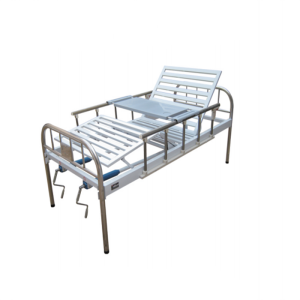
1. Understanding the Technical Terms
The air mattress used on hospital beds is commonly referred to by several technical terms, depending on its functionality:
| Technical Term | Description |
|---|---|
| Alternating Pressure Mattress | A mattress with multiple air cells that inflate and deflate alternately to reduce prolonged pressure on any single area, preventing pressure ulcers. |
| Low Air-Loss Mattress | A mattress that provides continuous airflow to the skin surface, reducing moisture and maintaining microclimate control, suitable for patients at high risk of pressure injuries. |
| Air Flotation Mattress / Active Support Surface | A term used for mattresses that use air or air-fluidized therapy to provide full-body pressure redistribution and support for immobilized patients. |
| Support Surface | A broad term encompassing any mattress or overlay designed to relieve pressure, including alternating pressure and low air-loss systems. |
In clinical practice, Hengyuan Medical’s alternating pressure mattress systems are widely recognized and referred to in both hospital and home care environments.
2. Why Air Mattresses Are Important in Hospital Beds
Hospital bed air mattresses are not just comfort devices. They serve several critical functions:
-
Pressure Injury Prevention: Alternating pressure mattresses reduce the risk of pressure sores by redistributing weight and relieving pressure on bony prominences.
-
Patient Mobility Assistance: Air mattresses assist patients with limited mobility in repositioning, reducing caregiver strain.
-
Therapeutic Support: Some mattresses combine alternating pressure with low air-loss systems, creating a therapeutic support surface for long-term bedridden patients.
-
Home and Clinical Use: Hengyuan Medical mattresses are compatible with both hospital beds and home hospital beds, ensuring safety and comfort in various care environments.
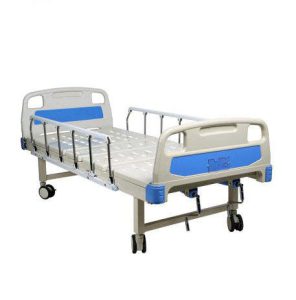
3. Types of Air Mattresses for Hospital Beds
3.1 Alternating Pressure Mattress
-
Contains multiple air bladders that cyclically inflate and deflate.
-
Reduces continuous pressure on the skin.
-
Used in ICU, post-surgical recovery, and long-term care beds.
3.2 Low Air-Loss Mattress
-
Provides continuous airflow to the skin surface.
-
Helps manage microclimate and moisture, reducing risk of skin maceration.
-
Suitable for high-risk pressure ulcer patients.
3.3 Air Flotation / Active Support Surface
-
Combines features of alternating pressure and low air-loss.
-
Provides full-body pressure redistribution and improved comfort.
-
Ideal for bariatric, pediatric, and immobilized patients.
3.4 Hybrid or Foam-Air Combination
-
Uses a foam base with air bladders for enhanced support and durability.
-
Maintains patient positioning and supports clinical interventions.
4. Hengyuan Medical Air Mattress Technical Specifications
To help you select the most suitable mattress, here is a typical specification table for Hengyuan Medical alternating pressure mattresses:
| Parameter | Specification |
|---|---|
| Mattress Size | 36″ x 80″ (standard) |
| Cell Material | Medical-grade PVC or TPU |
| Cycle Time | 10–12 minutes per inflation/deflation cycle |
| Max Load | 250 kg / 550 lbs |
| Pump Type | Silent, continuous-flow air pump |
| Features | Alternating pressure, low air-loss option, microclimate control, waterproof cover |
| Warranty | 3 years |
Note: Hengyuan Medical offers custom sizes for ICU, pediatric, bariatric, and home-care beds.
5. How to Choose the Right Air Mattress
Selecting the right mattress requires considering the following factors:
-
Patient Risk Profile: Assess the patient’s mobility, skin integrity, and pressure ulcer risk.
-
Bed Compatibility: Ensure mattress fits hospital bed frame and side rails (if used). Hengyuan Medical mattresses are compatible with most standard hospital beds.
-
Therapeutic Needs: Decide between alternating pressure, low air-loss, or a hybrid solution.
-
Material and Durability: Look for medical-grade PVC or TPU, and ease of cleaning/disinfection.
-
Additional Features: Consider microclimate management, bariatric capacity, and pump noise level.
6. Practical Cases
Case 1: Hospital ICU
At a major regional hospital, Hengyuan Medical alternating pressure mattresses were installed on 200 ICU beds.
-
Result: 45% reduction in pressure ulcer incidence within 6 months.
-
Staff reported improved patient mobility and ease of repositioning.
Case 2: Home Care
For an elderly patient recovering from surgery at home, Hengyuan Medical’s low air-loss mattress provided:
-
Continuous airflow to reduce moisture.
-
Adjustable firmness for patient comfort.
-
Easy compatibility with a home hospital bed.
7. Installation and Maintenance Tips
-
Installation: Align mattress with bed frame, secure pump connections, check inflation cycle.
-
Routine Check: Inspect for leaks, clean weekly, verify pump function.
-
Safety: Ensure side rails do not interfere with mattress function.
-
Replacement: Replace every 3–5 years or if cell integrity is compromised.
8. Common Misconceptions
-
Myth: Air mattresses are only for elderly patients.
Fact: They are essential for immobile, post-surgical, pediatric, and bariatric patients. -
Myth: All hospital beds fit any air mattress.
Fact: Only mattresses designed for hospital beds, like Hengyuan Medical systems, ensure proper function and safety. -
Myth: Air mattresses always cause discomfort.
Fact: Modern alternating and low air-loss systems are designed for comfort, support, and microclimate management.
9. Buying Guide and Recommendations
When purchasing an air mattress for hospital beds:
-
Check the technical term: Ensure it is an alternating pressure mattress, low air-loss mattress, or support surface.
-
Compatibility: Confirm size and fit with your hospital or home bed.
-
Clinical Features: Prioritize microclimate control, adjustable firmness, and therapy options.
-
Warranty and Support: Hengyuan Medical offers 3-year warranty and dedicated customer support.
10. Conclusion
So, what is the technical term for an air mattress used on hospital beds?
The technical terms include alternating pressure mattress, low air-loss mattress, air flotation mattress, and support surface.
Using these specialized mattresses from Hengyuan Medical ensures:
-
Pressure injury prevention
-
Patient safety and comfort
-
Ease of clinical care and repositioning
With proper selection, installation, and maintenance, air mattresses play a critical role in modern patient care — from hospitals to home care environments.
