

Understanding the Control Function in Front of Hospital Beds: A Complete Guide by Hengyuan Medical
In modern healthcare environments, the control function in front of hospital beds has become an essential feature for improving safety, comfort, and workflow efficiency. Whether in general wards, recovery rooms, or long-term care settings, the ability to easily access and use bed controls directly from the front panel allows both caregivers and patients to interact with the bed more intuitively and efficiently.
This article provides a comprehensive overview of how these control functions work, what features they typically include, and how they contribute to a safer, more comfortable clinical environment. Insights from industry standards, real use-cases, control panel technologies, and selection guidelines are all compiled here, with every key concept tied back to solutions offered by Hengyuan Medical.
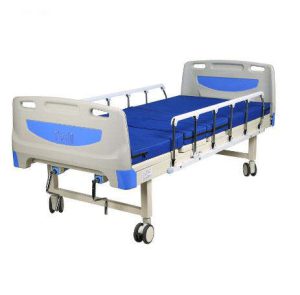
1. What Is the Control Function in Front of a Hospital Bed?
The control function in front of hospital beds refers to user interfaces—typically built-in panels, buttons, or digital touch controls—located at the front footboard or side foot area of the bed. These controls allow users to adjust:
-
Bed height
-
Backrest (head section) angle
-
Knee rest angle
-
Trendelenburg & reverse Trendelenburg
-
Auto-contour positioning
-
Locking and safety controls
-
Lighting functions
-
Nurse call systems
This front-facing position ensures that the controls are easily accessible for nurses, caregivers, and even patients with sufficient mobility.
Common Functions of the Control Panel/Pendant
-
- Head/Backrest Adjustment: Raises and lowers the upper body section of the bed, which is useful for eating, reading, and for patients with respiratory conditions.
- Foot/Leg Adjustment: Raises and lowers the foot section to improve circulation or prevent swelling in the lower limbs.
- Height Adjustment (Hi-Low): Raises or lowers the entire bed platform from the floor. This is a critical safety feature that helps patients get in and out of bed more easily and allows caregivers to work at an ergonomic height.
- Nurse Call Button: Alerts nursing staff when a patient needs assistance.
- Trendelenburg/Reverse Trendelenburg: This feature tilts the entire bed frame so that the patient’s head is lower (Trendelenburg) or higher (Reverse Trendelenburg) than their feet. These positions are used for specific medical conditions or procedures.
- Auto Contour/Chair Position: Some advanced controls offer one-touch buttons that automatically move the bed into a seated “chair” position or contour the bed to prevent the patient from sliding down.
- CPR Button: Immediately lowers the bed into a flat position for emergencies where chest compressions are necessary.
Location and Access
- Handheld Pendant: A remote control on a cord, usually clipped to the side rail or placed within easy reach of the patient.
- Side Rail Controls: Buttons integrated into the side rails, accessible to both the patient and the caregiver.
- Footboard Control Panel: Advanced controls with extra features, often for staff use, may be located on a panel at the foot of the bed and can include security lockouts to prevent the patient from changing certain settings.
2. Why Front-Located Controls Matter
2.1 Improved Caregiver Efficiency
Search results and technical manuals highlight that bed control features directly influence timely patient care, workflow management, and patient handling.
Caregivers benefit from:
-
Faster adjustment of bed functions
-
Immediate access without reaching over the patient
-
Reduced physical strain during bed operation
2.2 Enhanced Patient Comfort and Mobility
When users can adjust their own position safely, it helps with:
-
Pressure injury prevention
-
Comfort during long-term hospitalization
-
Respiratory support through elevation
-
Improved independence
2.3 Better Safety and Monitoring
Built-in safety locks, backup mechanical overrides, and anti-misoperation functions ensure:
-
No accidental repositioning
-
Correct bed configuration during procedures
-
Error prevention during transport
Enhanced Visibility and Access
- Clear View: Controls placed on the front panel of appliances or in the front of a cockpit are easy to see and operate, which reduces distractions and allows for better monitoring of progress or the surrounding environment.
- Convenience: For items like front-control dishwashers, the control panel is always visible and accessible, allowing users to start, stop, or check the cycle status without opening the door.
- Maneuverability: In machinery such as mini-excavators, front-located controls can be easier to operate effectively when working in tight or close quarters where the operator needs to lean out for a better view of the digging area.
Improved Stability and Safety
-
- Directional Stability: Front-wheel steering is inherently stable. When the front wheels turn, the vehicle predictably yaws into the turn, making it feel safe and comfortable for the driver. In contrast, rear-wheel steering alone can cause instability, making the vehicle prone to spinning out at higher speeds.
- Self-Righting Mechanism: The design of front suspension systems, specifically the caster angle and mechanical trail, helps the wheels naturally return to a straight-ahead position after a turn, which aids in maintaining a straight path and reduces constant driver input.
- Control and Judgment: Better front-side awareness, made possible by sitting in the front of the vehicle, is crucial for safe navigation, parking, and obstacle avoidance. This allows for improved judgment of distance and positioning on the road.
Considerations
3. Common Keywords Related to the Control Function (Integrated Naturally)
-
hospital bed control panel
-
bed control operation
-
electric hospital bed remote
-
manual bed control system
-
patient positioning adjustments
-
nurse control panel
-
safety lock functions
-
ergonomic hospital bed design
-
front-facing control panel
-
electrical actuator system
-
hospital bed accessories and parts
These keywords align with typical user searches when researching hospital bed control functions.
4. Types of Control Systems Used in Hospital Beds
4.1 Front Panel Control (Main Topic)
This panel is installed on the footboard or front frame.
Functions include:
-
Height adjustment
-
Backrest and knee adjustment
-
Trendelenburg control
-
Lock/unlock switches
-
Emergency CPR positioning
-
Indicator lights
-
USB or accessory ports (in newer models)
Hengyuan Medical integrates sealed, wear-resistant membrane switches to prevent liquid intrusion.
4.2 Side-Rail Control Panels
Some beds include controls located directly on the side rails for patient use.
Features include:
-
Up/down adjustments
-
Head/knee movement
-
Lock indicators
-
Integrated night-light buttons
Although the core topic is front control, side panels are often paired with it for full functionality.
4.3 Handheld Remote Control
Frequently used for:
-
Elderly patients
-
Patients with limited mobility
-
Non-critical care environments
These remotes often include:
-
Clear icons
-
Tethered cable
-
Backlit display
Hengyuan Medical’s remotes include anti-tension protection and waterproof housing.
Based on power and function
- Manual: Adjustments are made by hand, often using cranks. These are the most basic and least expensive, typically found on older or very simple beds.
- Semi-Electric: A combination of manual and electric controls, where the head and foot sections are typically moved electronically, while the bed’s height is adjusted manually.
- Fully Electric: All adjustments, including height, backrest, and leg rest, are controlled electronically via a remote.
- Multi-Function: These beds have a high number of adjustments. A “five-function” bed, for example, can electronically adjust the head, foot, height, and also has Trendelenburg and reverse Trendelenburg capabilities.
Based on control components and technology
-
- Linear Actuator Control Systems: The most common type of electronic system. A control box synchronizes several linear actuators that convert electrical energy into the mechanical motion needed to move parts of the bed, such as height, head, and foot rests.
- Remote Controls: Used by both patients and caregivers to operate the bed’s electric functions. These are often wired, but wireless and touch-based models are becoming more common.
- Nurse Control Panel: A central control unit for staff that often has more functions and a higher level of access than a patient’s remote.
- Integrated Systems: Advanced control systems often integrate other functions for patient monitoring and safety. This can include:
- Pressure mapping and monitoring systems to prevent bedsores.
- Patient position monitoring and bed exit alarms to alert staff when a patient is attempting to get out of bed.
- Vital sign integration to monitor heart rate, respiratory rate, and other data.
- Built-in scales to weigh the patient while they are in bed.
5. Real-World Use Cases (From Hospital Workflows)
Emergency Department
Nurses quickly adjust bed height for:
-
Trauma assessments
-
Wound care
-
Transferring patients from stretchers
Front control panels avoid delays when the side rail controls are not accessible.
General Medical Wards
Staff frequently use controls to:
-
Assist patient repositioning
-
Support feeding and mobilization
-
Elevate beds for fall-risk patients
ICU & High-Dependency Units
Precise adjustment is critical for:
-
Respiratory support
-
Circulation management
-
Equipment clearance
6. Detailed Technical Specifications Table
Below is a general technical table representing Hengyuan Medical’s front-control hospital bed solutions:
| Feature | Specification |
|---|---|
| Control Location | Front footboard (integrated panel) |
| Control Type | Membrane push-button / optional LED touch |
| Functions | Hi-Lo, Backrest, Knee, Trendelenburg, Reverse Trendelenburg |
| Safety Lock | Multi-level lockout system |
| Panel Material | ABS + sealed circuitry |
| Power System | Dual linear actuators (8000–12000 N) |
| Backup Operation | Manual CPR lever, mechanical override |
| Display | Indicator lights for positioning and locking |
| Compatibility | 3-function, 5-function, or fully electric hospital beds |
| Waterproof Rating | IPX4 or higher |
| Optional Add-ons | USB port, nurse call, under-bed lighting |
7. Benefits of Hengyuan Medical Front-Control Hospital Beds
Durable Construction
Hengyuan Medical uses high-strength ABS panels and medical-grade electronics to ensure stability in daily clinical usage.
User-Friendly Layout
Icons and functions follow universal hospital standards, reducing training time for new staff.
Enhanced Safety
The multi-level lock system prevents accidental adjustments during:
-
Patient transfer
-
Transportation
-
Procedures
Electric & Manual Compatibility
Both electric hospital bed systems and manual crank beds can integrate front control functionalities.
Benefits for patients
- Improved comfort and positioning: Patients can adjust the head and foot of the bed to relieve pressure, find a more comfortable position for eating or resting, and manage conditions like acid reflux.
- Better respiratory and circulation health: Elevating the head can improve breathing for those with respiratory issues, while elevating the feet can improve blood flow and circulation.
- Increased independence: Adjustable height and sturdy rails allow patients to move more freely and get in and out of bed with less assistance, boosting confidence and quality of life.
- Reduced risk of pressure sores: The ability to adjust positions frequently helps to relieve pressure points, which is crucial for preventing bedsores.
Benefits for caregivers
-
- Easier and safer caregiving: Adjustable height makes it easier for caregivers to perform tasks like changing linens or assisting with transfers without straining their backs.
- Simplified transfers: The ability to raise or lower the bed height can make it easier and safer to move a patient to a wheelchair or walker, reducing the risk of falls.
- Ergonomic support: Caregivers can raise the bed to a more ergonomic height when repositioning a patient, making it safer and more efficient to follow care protocols.
8. How the Control Panel Works (Technical Overview)
Modern beds rely on linear electric actuators, control boxes, and sensor systems to coordinate movement.
The workflow is typically:
-
User presses a button on the front panel
-
The signal reaches the control box
-
Actuators receive the command
-
Motors adjust the bed sections
-
Sensors stop movement at safe limits
Backup systems prevent overloading or simultaneous movements that could risk safety.
9. How to Choose a Hospital Bed with Front Control Functions
9.1 Consider Your Patient Type
Different wards require different functionality:
-
Long-term care → simple positioning, safety
-
ICU → Trendelenburg & advanced controls
-
Emergency → quick height adjustment
9.2 Mechanical vs. Electrical Controls
-
Manual systems are reliable, affordable, and ideal for rural or low-power environments.
-
Electric systems provide precise adjustments and ease of use.
9.3 Safety Features to Look For
Hengyuan Medical recommends selecting beds with:
-
Child lock
-
CPR quick release
-
Anti-tilt protection
-
Battery backup (optional)
9.4 Material & Durability
Choose beds made with:
-
High-grade ABS panels
-
Powder-coated steel
-
IP-rated electronics
9.5 Maintenance & Spare Parts
Front-control beds should allow easy access for maintenance.
Hengyuan Medical provides readily available:
-
Control panels
-
Motors
-
Remote controls
-
Bed accessories
Types of control
- Semi-electric: Uses a remote for head and foot adjustments, but may require a hand crank for height adjustments.
- Fully electric: Allows for push-button control of head, foot, and height adjustments with a remote.
- Manual: Requires physical effort to adjust settings via hand cranks.
Key features to consider
-
- Weight capacity: Ensure the bed’s weight capacity is sufficient to prevent frame collapse and serious injury.
- Adjustable height: A bed that can be adjusted to a lower position makes it easier for the patient to get in and out.
- Adjustable head and foot sections: This is a standard feature on semi-electric and fully electric beds for patient comfort and support.
- Safety features: Look for side rails for fall protection and locking wheels for stability.
- Mobility and ease of use: Choose a bed with a user-friendly remote and intuitive controls to reduce strain on both the user and caregiver.
- Mattress: Consider a mattress that helps with weight distribution and pressure ulcer prevention.
- Frame design: Check that the frame is designed to accommodate patient lifts, if needed.
Additional considerations
- Duration of use: If long-term use is required, a long-term care bed may be a better option than a standard hospital bed.
- Customization: Look for models that allow for customized height settings and other adjustments.
- Aesthetics: Some adjustable beds are designed to look less “medical” to better fit a home environment.
10. Why Hospitals Choose Hengyuan Medical
Hengyuan Medical has established itself as a leading supplier of hospital beds with front-located control functions due to:
-
Consistent quality
-
Flexible OEM/ODM solutions
-
International safety certifications
-
Long product lifespan
-
Fast delivery and support
Their beds combine intuitive control design with advanced clinical functionality.
Conclusion
The control function in front of hospital beds plays an important role in modern healthcare operations—improving safety, enhancing workflow efficiency, and providing greater comfort for patients.
By understanding the various types of control systems, technical features, and practical applications, healthcare facilities can make informed purchasing decisions.
Hengyuan Medical continues to innovate in control interface technology, offering durable, ergonomic, and highly functional hospital bed solutions suited for diverse clinical needs.
