

How Wide Is a Hospital Bed? Hengyuan Medical’s Complete Guide
When it comes to providing optimal comfort and safety for patients, hospital bed widths are one of the most critical considerations. Whether for home care, rehabilitation, or clinical use, selecting the correct bed width ensures that both patients and caregivers experience ease of use and comfort. Hengyuan Medical offers a wide range of hospital beds designed to meet diverse needs, from standard adult beds to bariatric and pediatric options.
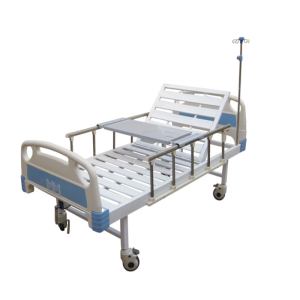
Understanding Standard Hospital Bed Widths
The most common question asked by caregivers and home care users is: “How wide is a hospital bed?” According to Hengyuan Medical’s specifications and industry standards:
| Bed Type | Standard Width | Length | Notes |
|---|---|---|---|
| Standard Adult Hospital Bed | 36 inches (91 cm) | 80 inches (203 cm) | Ideal for most home and clinical settings |
| Bariatric / Extra-Wide Bed | 42–54 inches (107–137 cm) | 80 inches (203 cm) | Designed for heavier patients or larger body sizes |
| Pediatric Hospital Bed | 21.5–32.3 inches (55–82 cm) | 60–72 inches (152–183 cm) | Tailored for children and smaller patients |
These widths cover the majority of hospital and home care applications. For patients with higher BMI or mobility challenges, Hengyuan Medical’s bariatric hospital beds provide extra width, reinforcing both comfort and safety.
Common Hospital Bed Widths
|
Bed Type
|
Width (inches)
|
Typical Applications
|
|---|---|---|
| Standard Adult | 36 | General patient use in wards and home care settings |
| ICU Beds | 38–42 | Critically ill patients needing extra space for equipment |
| Bariatric Beds | 42–60 | Patients with higher BMI or weight capacities (often over 350 lbs) |
| Pediatric Beds | 30–36 | Children and young patients (shorter length) |
| Full Size | ~54 | Patients requiring more space in a home setting |
Key Considerations for Different Widths
- Patient Comfort and Safety: The appropriate bed width is crucial for patient comfort, mobility, and safety. A bed that is too narrow can increase the risk of pressure sores and make it difficult for patients to reposition themselves.
- Caregiver Access: Wider beds provide more room for caregivers to assist with patient movement, repositioning, and medical procedures, but beds that are too wide can impede movement within smaller rooms.
- Specialty Needs: Bariatric beds feature reinforced frames and greater width to provide the necessary support and stability for larger individuals, often with weight capacities of up to 1,000 pounds or more.
- Room Space: When selecting a hospital bed for home use, it is vital to measure the room and ensure at least 36 inches of clearance around the bed for safe movement and access. Standard hospital beds are generally designed to fit through typical residential doorways (around 32 inches wide).
Why Bed Width Matters
Choosing the right width is not just about patient comfort — it affects caregiver efficiency, patient safety, and compatibility with medical accessories. Here’s why bed width is important:
-
Patient Comfort: Narrow beds (under 36 inches) may restrict movement and lead to discomfort over prolonged periods. Wider beds allow patients to reposition comfortably.
-
Caregiver Access: Beds that are too wide can hinder caregiver access during patient care. Hengyuan Medical balances width and access for practical usability.
-
Medical Equipment Compatibility: Certain monitoring equipment, mattresses, and overlays require specific bed widths. Standardized widths ensure compatibility.
-
Home Space Limitations: For home care, doorways and room dimensions may limit the maximum allowable bed width. Hengyuan Medical offers adjustable solutions to accommodate tight spaces.
How bed width impacts sleep and health
- Improved sleep quality: A larger bed reduces disturbances from a partner who moves at night, promoting better sleep hygiene and patterns.
- Better spinal alignment: A wider bed prevents you from being forced into uncomfortable positions, which can lead to back pain and poor posture.
- Reduced pressure points: Proper support from a sufficiently wide bed helps reduce pressure points, helping you wake up feeling refreshed.
Considerations for choosing a bed width
-
- Room size: A bed should fit your room proportionally. A bed that is too large can make a room feel cramped, while one that is too small can leave a room looking empty. It’s recommended to have at least 2 to 3 feet of clearance around the bed.
- Personal needs: Your personal sleeping habits, body size, and future plans should be considered. For example, a couple with a child or pet may need a king-size bed for comfort.
- Longevity: Investing in a slightly larger bed than you currently need can save you money and hassle in the long run, as it can accommodate future partners or a growing family.
Popular sizes for different needs
- Queen (60″ x 80″): A popular choice for couples and singles who want more space. It fits comfortably in most master bedrooms and guest rooms.
- King (76″ x 80″): Provides significant space for couples, children, and pets.
- California King (72″ x 84″): The largest standard size, offering the most length for taller individuals or maximum width for couples.
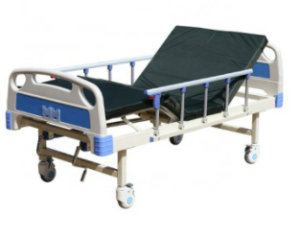
Hengyuan Medical’s Range of Hospital Bed Widths
Hengyuan Medical provides hospital beds across multiple categories, ensuring every patient’s needs are met:
-
Standard Adult Beds (36 inches): Suitable for general home care and most clinical settings.
-
Extra-Wide / Bariatric Beds (42–54 inches): Reinforced frames and heavy-duty support for patients up to 500 lbs or more.
-
Pediatric Beds (22–32 inches): Designed with smaller widths and lower heights for children and adolescents.
-
Adjustable Beds: Many Hengyuan beds feature variable width options or customizable side rails to balance safety with comfort.
Real-World Case Study
Consider Mrs. L, a 68-year-old patient recovering from hip surgery at home. Initially, she was placed on a standard 36-inch hospital bed. However, due to her larger frame and frequent repositioning needs, Hengyuan Medical’s 42-inch bariatric bed was recommended. Benefits included:
-
Increased freedom of movement without risk of falling.
-
Easier repositioning for caregivers during daily care routines.
-
Compatibility with standard hospital bed accessories and pressure-relief mattresses.
This example illustrates how selecting the correct width directly impacts patient recovery and caregiver efficiency.
Technical Specifications & Mattress Compatibility
When choosing a bed width, mattress compatibility is crucial. Hengyuan Medical beds are designed to support standard and specialty mattresses, including:
| Bed Width | Compatible Mattress Size | Features |
|---|---|---|
| 36 inches | 36″ × 80″ standard mattress | Compatible with alternating pressure, foam, and hybrid mattresses |
| 42–54 inches | 42–54″ × 80″ bariatric mattress | Heavy-duty, alternating pressure, air-fluidized options |
| 22–32 inches | 22–32″ × 60–72″ pediatric mattress | Adjustable firmness and height options |
Technical features include adjustable height, 3-crank or electric functions, and side rails, ensuring patient safety regardless of width.
Choosing the Right Hospital Bed Width: A Selection Guide
Selecting the proper bed width requires consideration of multiple factors:
-
Patient Size & Weight: Always measure the patient’s shoulder and hip width to determine comfort range. Bariatric beds are recommended for patients over 250 lbs or with mobility limitations.
-
Room Dimensions: Ensure doorways, hallways, and home spaces can accommodate the bed, including turning radius.
-
Caregiver Accessibility: Wider beds may limit access for repositioning, transferring, and performing medical care.
-
Medical Equipment Needs: Check compatibility with overlays, air mattresses, and IV poles.
-
Safety Features: Side rails, brakes, and bed control functions must align with the patient’s condition and caregiver requirements.
Tips for Home Care Settings
-
Space Planning: A standard 36-inch bed is suitable for most home environments, but consider clearance for wheelchairs and walkers.
-
Pressure Relief: For bedridden patients, use alternating pressure or air mattresses compatible with Hengyuan Medical beds.
-
Future Needs: If the patient’s condition may change (weight gain or mobility loss), consider investing in a bariatric or extra-wide bed.
-
Accessories: Ensure fitted sheets, overbed tables, and side rails match the selected bed width.
Conclusion
Understanding how wide a hospital bed is goes beyond mere numbers. It involves a careful balance of patient comfort, caregiver access, medical equipment compatibility, and home space considerations. Hengyuan Medical provides a comprehensive range of hospital bed widths, from pediatric beds to bariatric solutions, all designed for safety, durability, and optimal patient care.
By following our selection guide and technical specifications, families, caregivers, and healthcare providers can make informed decisions to improve recovery outcomes and enhance quality of life.
