

Introduction
Medical chair beds have become an essential piece of equipment for hospitals, nursing homes, and homecare environments. With the aging population and increasing patient mobility needs, healthcare providers and caregivers seek reliable, adjustable, and comfortable medical seating solutions. Hengyuan Medical, a leading provider of clinical furniture, offers a wide range of lift chairs, sleeper chairs, rotating chair beds, and medical recliners designed for patient comfort, safety, and healthcare efficiency.
In this comprehensive guide, we will cover:
-
Different types of medical chair beds
-
Technical specifications and features
-
Real-life applications and case studies
-
Selection and purchasing guidelines
-
Medicare and insurance coverage considerations
By the end of this guide, you will have all the information you need to choose the right medical chair bed for your healthcare facility or homecare needs.
1. Types of Medical Chair Beds
Features and primary function
- Recliner Chair Beds: Designed for relaxation and post-operative recovery, these chairs allow for versatile positioning by reclining and elevating the feet.
- Convertible Chair Beds: These act as both a chair and a bed, often folding out from a sofa-like seat into a flat sleeping surface.
- Lift Chairs: An electric lift mechanism assists the user in standing up from the chair, making it easier for those with mobility challenges to get in and out of the seat.
- Treatment Chairs: Built for specific medical needs, these chairs are optimized for procedures like dialysis, chemotherapy, blood drawing, or infusions.
Specialty and high-need types
-
- Bariatric Chair Beds: These are reinforced to support heavier patients, providing extra width and a higher weight capacity for safety and comfort.
- Geriatric Chairs: Tailored for the elderly, these chairs offer enhanced support, comfort, and features that aid in ease of entry and exit.
- Hospital Chair Beds: This is a broad category that can include a wide range of styles designed for in-hospital or long-term care use, such as those with adjustable backrests and side rails for patient safety.
- Behavioral Health Beds: These beds are designed to meet the specific needs of patients in a behavioral health setting.
1.1 Lift Chairs
Lift chairs are equipped with a motorized lift mechanism to assist patients in standing up or sitting down. Hengyuan Medical’s lift chairs are suitable for elderly patients, people with limited mobility, and post-operative recovery.
Key features of Hengyuan Medical Lift Chairs:
| Feature | Specification |
|---|---|
| Maximum Weight Capacity | 350 lbs (159 kg) |
| Adjustable Positions | 3 – 5 positions (Recline, Upright, Lift, Zero Gravity) |
| Motor Type | Dual motor with smooth quiet operation |
| Upholstery Options | PU leather, fabric, antibacterial vinyl |
| Additional Features | Heat and massage options, removable covers, USB charging ports |
Use Cases:
-
Assisted living facilities for elderly residents
-
Homecare for patients with arthritis or mobility issues
-
Hospitals for post-surgery recovery
1.2 Sleeper Chairs
Sleeper chairs, or sleeper recliners, combine seating and sleeping functionality in one compact design. Hengyuan Medical’s sleeper chairs provide patient comfort during rest periods and overnight care, making them ideal for nursing stations, dialysis centers, and patient rooms.
Benefits:
-
Space-saving design for compact hospital rooms
-
Fully adjustable backrest and footrest
-
Removable cushions for cleaning
-
Multi-functional: chair by day, bed by night
Technical Table:
| Feature | Specification |
|---|---|
| Recline Angle | 0° – 180° |
| Mattress Type | High-density foam or memory foam options |
| Load Capacity | 300 lbs (136 kg) |
| Dimensions | 35″ W x 40″ D x 42″ H (chair mode) |
| Optional Accessories | IV pole attachment, side table, storage pockets |
Use Cases:
-
Dialysis treatment centers
-
Hospital waiting rooms
-
Homecare for elderly or bedridden patients
1.3 Rotating Chair Beds
Rotating chair beds are versatile furniture pieces that allow a chair to rotate and transform into a bed with minimal effort. Hengyuan Medical’s rotating chair beds improve patient accessibility and optimize space in healthcare facilities.
Key Specifications:
| Feature | Specification |
|---|---|
| Rotation Mechanism | 360° swivel with locking function |
| Max Weight Capacity | 330 lbs (150 kg) |
| Upholstery | Antibacterial PU or premium fabric |
| Recline & Lift Options | Manual or motorized versions available |
Use Cases:
-
Hospitals with limited patient room space
-
Homecare solutions where multifunctional furniture is needed
-
Rehabilitation centers requiring adjustable seating and beds
1.4 Medical Recliners / Clinical Recliners
Medical recliners are essential for patient care, allowing comfort during treatments such as dialysis, chemotherapy, or cardiac monitoring. Hengyuan Medical’s clinical recliners are ergonomically designed to support patient posture, enhance blood circulation, and provide long-term comfort.
Features to Consider:
-
Adjustable backrest and leg rest angles
-
Recliners with lift function for mobility assistance
-
Removable and washable covers
-
Bariatric options for heavier patients
Technical Table:
| Model | Max Weight | Recline Positions | Upholstery | Special Features |
|---|---|---|---|---|
| HM-CL-01 | 300 lbs | 4 | Vinyl / Fabric | Heat & Massage |
| HM-CL-02 | 350 lbs | 5 | PU Leather | Zero Gravity + USB |
| HM-CL-03 | 400 lbs | 3 | Antibacterial Fabric | Bariatric + Locking Wheels |
2. Selecting the Right Medical Chair Bed
Key features to consider
-
- Comfort and ergonomics:
- Look for proper back, neck, and leg support to prevent stiffness and pain, especially with long stays.
- Adjustable backrests and leg rests can help the user maintain a comfortable and proper position.
- High-density padding provides better support during prolonged treatments.
- Safety and accessibility:
-
- Ensure the chair has a strong, stable build with a weight capacity that is appropriate for the user.
-
- Rounded edges can prevent injuries.
- Consider chairs with locking wheels or a steady base if mobility is a concern.
- For some beds, side rails are necessary for fall protection, but they should be designed to allow easy access when needed.
- Comfort and ergonomics:
- Durability and materials:
- Choose chairs with durable frames, such as steel, to withstand frequent folding and use.
- The upholstery should be comfortable and able to withstand wear and tear.
- Look for moisture-resistant and easy-to-clean materials, which are crucial for hygiene in a medical setting.
- Space and efficiency:
- Measure the available space to ensure the chair fits without obstructing movement.
- Chairs that fold compactly are ideal for saving space in smaller rooms.
- Patient needs:
- Assess the patient’s mobility to determine if a manual or electric chair is more suitable.
- For those who spend most of the day in bed, an air mattress may be more beneficial to alleviate pressure and prevent bedsores.
- If the user needs to be moved to other furniture, a chair that can transition to a stretcher might be helpful.
- Extra features:
- Some models offer convenience features like built-in storage, USB charging ports, or integrated weighing scales.
Choosing the right medical chair bed depends on multiple factors:
-
Patient Needs
-
Mobility limitations → lift chairs
-
Overnight stays → sleeper chairs
-
Space constraints → rotating chair beds
-
-
Material & Upholstery
-
Antibacterial vinyl for infection control
-
Easy-to-clean PU leather or fabric for hospital rooms
-
-
Adjustability & Comfort
-
Multiple recline positions
-
Ergonomic support for lumbar and neck
-
Optional heat/massage for therapy purposes
-
-
Weight Capacity & Size
-
Ensure compatibility with patient weight and room dimensions
-
-
Safety Features
-
Locking wheels
-
Anti-tip mechanisms
-
Sturdy frame for long-term use
-
3. Real-Life Use Cases
Case Study 1: Elderly Homecare
-
Facility: Assisted Living Center in Texas
-
Products: Hengyuan Medical Lift Chairs
-
Outcome: Residents reported increased independence and reduced caregiver assistance for daily movements
Case Study 2: Hospital Dialysis Room
-
Facility: Private Hospital in California
-
Products: Hengyuan Medical Sleeper Chairs
-
Outcome: Patients experienced comfort during 3–4 hour dialysis sessions; chairs converted to beds for overnight monitoring
Case Study 3: Rehabilitation Center
-
Facility: Rehab Clinic in New York
-
Products: Hengyuan Medical Rotating Chair Beds
-
Outcome: Reduced need for multiple pieces of furniture, optimized space, and provided multi-functional seating for therapy
4. Medicare & Insurance Considerations
Some lift chairs and medical recliners may be covered under Medicare’s Durable Medical Equipment (DME) program if:
-
The lift mechanism is medically necessary
-
Physician documentation supports the patient’s mobility or recovery needs
Hengyuan Medical provides documentation and specifications to facilitate insurance claims and DME approvals.
5. Buying Guide & Recommendations
Key Factors for Selection
-
- Patient’s Medical Needs and Mobility: Consult a healthcare provider to determine the necessary support and functions.
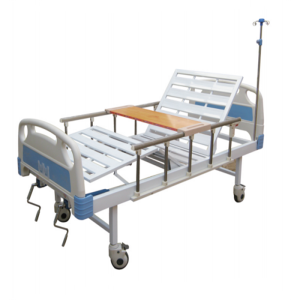
- Mobility Limitations: For patients with limited mobility or at high risk of falls, a fully electric bed that can be lowered close to the floor is often recommended.
- Repositioning Needs: If the patient requires frequent position changes to prevent bedsores or improve circulation, an electric bed with features like Trendelenburg or a “comfort chair” position is essential.
- Long-Term vs. Short-Term Use: Durable, long-term use cases benefit from high-quality, full-electric beds, while manual or semi-electric options may be suitable for temporary recovery.
- Caregiver Requirements: Consider the caregiver’s strength and the amount of physical strain involved. Fully electric beds minimize manual effort, making caregiving safer and more ergonomic.
- Patient’s Medical Needs and Mobility: Consult a healthcare provider to determine the necessary support and functions.
- Room Space and Accessibility:
- Measure the room, doorways, and hallways to ensure the bed and any additional equipment will fit.
- Ensure enough space around the bed for caregivers to maneuver safely and comfortably.
- Budget and Insurance Coverage:
- Manual beds are the least expensive, followed by semi-electric and fully electric models.
- Check if Medicare or private insurance will cover the cost, as hospital beds can be considered durable medical equipment (DME) with a doctor’s prescription.
- Consider renting vs. buying if the need is short-term.
Essential Features and Recommendations
| Feature | Description | Recommendation |
|---|---|---|
| Adjustability | Ability to adjust height, head, and foot sections. | Fully electric offers the most ease and independence via remote control. |
| Mattress Type | Specialized to support the patient’s condition. | Foam for general support; air mattresses (low air loss or alternating pressure) for patients at risk of bedsores. Ensure it is compatible with the bed frame and easy to clean. |
| Safety Features | Components that prevent falls or injuries. | Look for sturdy, adjustable or removable side rails, locking wheels, and emergency battery backups in case of power failure. |
| Weight Capacity | The maximum safe load for the bed. | Choose a bed that safely accommodates the user’s weight, plus the mattress and linens. Bariatric models are available for heavier users. |
| Design/Aesthetics | The appearance of the bed to match home decor. | Some manufacturers offer residential-style beds that look less clinical, providing a more welcoming home environment. |
Top Recommendations Checklist
- Prioritize Function: Match the bed’s functions (e.g., specific positioning like “comfort chair,” ultra-low height) to the user’s specific medical requirements.
- Consult Professionals: Get input from healthcare providers or occupational therapists for personalized recommendations.
- Research Suppliers: Choose reputable suppliers with good customer service, clear warranties, and available maintenance/assembly services.
- Test if Possible: If available, “test-driving” the bed can help ensure comfort and ease of use.
When investing in medical chair beds, consider:
-
Brand Reliability – Hengyuan Medical offers certified medical furniture compliant with healthcare standards.
-
Warranty & Support – Look for products with at least 1–2 year warranty on motors and upholstery.
-
Customization Options – Adjustable heights, armrests, and optional accessories enhance usability.
-
Bulk Orders & Institutional Needs – Hospitals, nursing homes, and rehab centers can benefit from bulk purchasing discounts.
Tips:
-
Always measure room dimensions before ordering
-
Test recline and lift functions for smooth operation
-
Check upholstery resistance to fluids and disinfectants
6. Conclusion
Hengyuan Medical chair beds offer a comprehensive solution for hospitals, nursing homes, and homecare environments. Whether you need lift chairs for mobility support, sleeper chairs for long-term patient comfort, rotating chair beds for space optimization, or clinical recliners for therapy treatments, Hengyuan Medical provides reliable, adjustable, and comfortable medical seating solutions.
Investing in high-quality medical chair beds ensures patient comfort, caregiver efficiency, and long-term durability, all while enhancing your facility’s healthcare quality and patient satisfaction.
