

Benefits of Specialist Seating for Healthcare Professionals: A Complete Guide by Hengyuan Medical
Healthcare professionals operate in fast-paced, demanding clinical environments where safe patient handling, posture support, and long working hours directly affect outcomes. As hospitals worldwide continue to shift toward evidence-based equipment selection, specialist seating has become a critical component in improving both patient health and caregiver efficiency.
This comprehensive guide—based on current clinical research, occupational therapy guidelines, mobility care standards, and Hengyuan Medical’s practical field experience—explores the benefits of specialist seating for healthcare professionals, and how choosing the right seating system improves pressure management, mobility, posture, respiratory function, and overall clinical productivity.
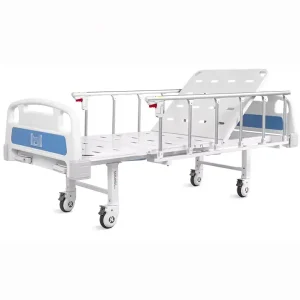
## 1. What Is Specialist Seating?
Key features and benefits
- Pressure relief: Built-in pressure-relieving cushions or adjustable surfaces help distribute body weight evenly, reducing the risk of pressure ulcers.
- Improved posture: Contoured backrests, high armrests, and other supports help users maintain a stable, supportive posture and prevent postural deterioration.
- Adjustability: Features like tilt-in-space allow for repositioning to relieve pressure, while other adjustments (height, depth, width) can be made to fit the user’s specific needs.
- Increased safety and stability: Designs often include features like lateral supports and high armrests to provide a sense of security and prevent falls.
- Enhanced independence: Some chairs have riser functions that help users stand up, and others, like custom wheelchairs, improve overall mobility.
- Support for daily functions: Proper seating can improve physiological functions like digestion and respiration and allow users to focus on other activities instead of their posture.
Who uses specialist seating?
- Individuals with reduced mobility from conditions like stroke, Parkinson’s, multiple sclerosis, or spinal cord injuries.
- People who are frail, elderly, or who have difficulty changing their position independently.
- Individuals with conditions that affect their ability to maintain a functional sitting posture.
- People who spend long periods sitting and are at risk of pressure ulcers or musculoskeletal pain.
Specialist seating refers to clinically engineered chairs designed for patients with complex postural, mobility, neurological, or long-term care needs. Unlike standard hospital chairs, these systems incorporate:
-
Multi-axis adjustability
-
Pressure redistribution surfaces
-
Tilt-in-space (TIS) functionality
-
Lateral trunk supports
-
Postural alignment cushions
-
Transfer assistance features
-
Anti-deconditioning design
-
Mobility casters for safe movement
Hengyuan Medical designs medical seating solutions for hospitals, long-term care, rehabilitation centers, and community healthcare services—helping healthcare professionals deliver safer and more efficient care.
## 2. Why Specialist Seating Matters in Healthcare Settings
Benefits for patients
- Improves physiological function: Proper posture achieved through specialized chairs can positively impact breathing, swallowing, and digestion, notes this YouTube video.
- Prevents health complications: It helps prevent pressure injuries by promoting equal weight distribution and reducing shear forces. It also reduces the risk of falls by providing a more stable and secure position.
- Enhances comfort and well-being: By promoting good alignment and stability, specialist seating reduces discomfort and fatigue, leading to a better overall sense of well-being, says Vivid Care.
- Supports rehabilitation and mobility: It can help prevent deconditioning, support recovery after injury or surgery, and aid in mobility by providing a stable base for movement, as explained by this YouTube video and this Vivid Care article.
Benefits for healthcare professionals
- Reduces physical strain: Features like tilt-in-space, recline, and power adjustments decrease the need for frequent manual handling and repositioning, lowering the risk of injury for staff, according to Repose Furniture.
- Increases efficiency: With built-in support, staff can spend less time repositioning patients and more time on other care tasks, leading to more consistent and effective care delivery.
- Ensures patient safety: Specialist seating helps to safely transfer patients and ensures they are securely and comfortably positioned, which reassures staff about the quality of care being provided.
Specialist seating impacts every aspect of care delivery, including:
-
Patient comfort and stability
-
Clinical risk reduction (pressure injuries, falls, contractures)
-
Occupational health and safety for staff
-
Care efficiency and patient throughput
-
Rehabilitation outcomes
-
Treatment adherence
Healthcare professionals benefit directly because proper seating reduces:
-
Manual handling injuries
-
Strain during repositioning
-
Time spent maintaining patient posture
-
Complex mobility challenges
## 3. Key Benefits of Specialist Seating for Healthcare Professionals
Below are the most important clinical and operational benefits, synthesized from leading healthcare seating resources.
### 3.1 Reduced Risk of Musculoskeletal Injuries for Care Staff
Manual handling is one of the biggest injury risks for healthcare professionals.
Specialist seating reduces these risks through:
-
Tilt-in-space positioning, allowing gravity-assisted repositioning
-
Lateral support systems that maintain trunk alignment
-
Correct seat depth and height, minimizing bending or lifting
-
Integrated mobility wheels for safer patient transfers
Result:
Healthcare staff experience less lower-back strain, shoulder fatigue, and joint compression—while maintaining safer patient interaction.
### 3.2 Improved Postural Management and Long-Term Comfort
Incorrect posture leads to:
-
Muscle fatigue
-
Respiratory restriction
-
Advanced pressure injury risk
-
Reduced functional ability
Hengyuan Medical’s specialist seating systems support:
-
Neutral spinal alignment
-
Pelvic stability
-
Head and neck support
-
Optimized hip and knee angles
-
Balanced pressure distribution
Healthy posture improves not only patient wellness, but also makes care tasks easier for nurses and therapists.
### 3.3 Enhanced Pressure Care and Prevention of Pressure Ulcers
One of the strongest reasons healthcare professionals rely on specialist seating is the clinical need for pressure care.
Pressure injury prevention benefits include:
-
High-performance pressure-relieving seat cushions
-
Zonal foam and gel-infused technologies
-
Adjustable tilt to offload pressure from the sacrum
-
Reduced need for frequent manual repositioning
-
Improved microclimate management (temperature + moisture)
Outcome: safer long-term sitting and significantly reduced nursing interventions.
### 3.4 Improved Respiratory and Digestive Function
Postural misalignment compresses the diaphragm, limiting lung expansion.
Specialist seating enhances:
-
Inspiratory volume
-
Oxygenation
-
Airway clearance
-
Safe swallowing
-
Gastrointestinal function
This is particularly beneficial for patients with neurological disorders, MS, COPD, post-stroke conditions, and elderly frailty.
### 3.5 Better Patient Behavior, Engagement, and Well-Being
Comfortable and supportive seating helps prevent:
-
Agitation
-
Fatigue
-
Restlessness
-
Postural collapse
Patients who feel secure and supported remain more cooperative—saving nurses significant time in daily management.
### 3.6 Supports Rehabilitation and Functional Independence
For physiotherapists and occupational therapists, specialist seating is an essential rehabilitation tool.
Benefits include:
-
Safe sitting balance development
-
Strength improvement
-
Increased participation in ADLs
-
More effective therapy sessions
-
Prevention of hospital deconditioning
Patients sit longer in therapy-ready positions, improving functional outcomes.
### 3.7 Increased Efficiency in Clinical Environments
Healthcare professionals report the following improvements:
-
Faster patient transfers
-
Fewer repositioning cycles
-
Better compliance with care plans
-
Reduced reliance on hoists
-
More stable patients during procedures
Time saved → higher care quality and reduced staff fatigue.
## 4. Real Healthcare Scenarios Where Specialist Seating Makes a Difference
Case Study 1: Stroke Rehabilitation Unit
Patients with hemiplegia often lose trunk control.
Hengyuan Medical seating provided:
-
Adjustable lateral supports
-
Tilt-in-space for posture correction
-
Pressure-relieving cushions
Outcome: safer feeding, reduced sliding, easier therapy sessions.
Case Study 2: Long-Term Elderly Care Facility
Residents with frailty often experience sacral pressure buildup.
Solution:
-
30-degree tilt for pressure offloading
-
Moisture-resistant covering
-
Contoured pelvic support
Outcome: 40% fewer pressure-related interventions and staff time spent on repositioning.
Case Study 3: Neuro-rehabilitation (Multiple Sclerosis)
Patients require stable alignment and fatigue reduction.
Hengyuan Medical chair features:
-
Multi-axis headrest
-
Deep seat cushion
-
Dynamic recline
Outcome: improved energy conservation and participation in therapies.
## 5. Technical Specifications Table (Example from Hengyuan Medical)
| Feature | Description | Clinical Benefit |
|---|---|---|
| Tilt-in-Space | 0–45° range | Pressure offloading & posture correction |
| Seat Width Options | 16″, 18″, 20″, 22″ | Fits diverse body types |
| Pressure Cushion | High-density foam + gel | Ulcer prevention |
| Lateral Trunk Supports | Adjustable | Safe alignment |
| Head Support | Multi-axis | Airway positioning |
| Footrest | Adjustable angle | Improved circulation |
| Frame Mobility | 4-caster with brakes | Safe transport |
## 6. Specialist Seating Assessment Guide for Healthcare Professionals
A correct seating assessment includes:
✔ Postural evaluation
-
pelvis symmetry
-
spinal curve
-
head control
-
stability of trunk
✔ Pressure risk assessment
Using tools like Braden Scale.
✔ Functional goals
-
feeding
-
therapy
-
mobility
-
long-term care
✔ Environment check
Hospital ward, nursing home, community care, etc.
✔ Measurement requirements
-
seat width
-
seat height
-
back height
-
hip angle
-
armrest height
This is why many healthcare organizations recommend clinical seating assessments before product selection.
## 7. How to Choose the Right Specialist Seating: Buying Guide
1. Assess the user’s specific needs and requirements
- For pressure relief and posture: If the user has postural instability or requires pressure management, look for chairs with features like lateral supports, a supportive backrest (like a lateral or waterfall backrest), and pelvic positioning belts to help them maintain a healthy posture and prevent skin shearing.
- For changing needs: Choose a chair with multi-adjustability, especially a width-adjustable seat, if the user’s weight may change over time.
- For long-term or temporary use: Consider a more advanced chair with infinite or tilt-in-space options for long-term, permanent needs, while a standard or 3-position chair may suffice for temporary recovery.
- For complex needs: Be aware of specific features like adjustable backrests that go to belt level, headrests for support during breaks, and adjustable armrests that don’t raise the shoulders.
2. Prioritize fit and adjustability
- Seat height and depth: Ensure the seat height is correct to support the back of your legs and the chair is not too big, which could cause sliding or increased risk of pressure injuries.
- Backrest: Look for a backrest that is height-adjustable and supportive, preventing slouching. The backrest should support the pelvis against the lumbar support.
- Armrests: Check that the armrests are at the correct height to support the shoulders and are not too wide, which can prevent proper arm positioning.
- Seat width: Measure the user’s seated width and add an inch or two for comfort. A chair that is too narrow can cause pressure points and friction, while one that is too wide may not provide proper support.
3. Consider chair features and functionality
- Material: Choose a breathable and durable material that is appropriate for the user’s needs. Mesh chairs are cool and breathable, while some materials like leather may require specific maintenance.
- Mobility: Ensure the chair’s casters roll smoothly on the user’s floor and that the base is stable to prevent falls.
- Pressure relief: Look for chairs with features that provide effective pressure relief, such as specialized foam or gel cushions.
- Weight capacity: Ensure the chair is built to support the user’s weight and height, and that its mechanisms are strong enough for their needs.
4. Get professional help
- Clinical input: A clinician like an occupational therapist or seating specialist can provide guidance on the user’s long-term needs and help determine the most appropriate chair for their specific condition.
- Measurements: Taking accurate measurements of the user’s body is crucial to finding the correct size and fit. Incorrect measurements can lead to discomfort, pressure injuries, and other complications.
- Test the chair: If possible, try the chair out in person before buying. This will help ensure it is comfortable, supportive, and meets the user’s needs.
When purchasing specialist seating, healthcare professionals should consider:
1. Patient condition and diagnosis
Stroke, MS, spinal injury, cerebral palsy, frailty, post-surgery.
2. Pressure management requirements
3. Posture and alignment needs
4. Daily duration of sitting
5. Transfer and mobility requirements
6. Infection control standards
Hengyuan Medical uses medical-grade PU covers.
7. Adjustability and future adaptability
8. Ease of cleaning and maintenance
## 8. Why Choose Hengyuan Medical Specialist Seating?
-
Clinically engineered designs
-
Evidence-based pressure relief systems
-
Durable frames suitable for hospital environments
-
Customizable size and support options
-
Trusted by rehab centers and long-term care providers
-
Affordable manufacturer pricing
-
Comprehensive OEM/ODM service for global clients
## Conclusion
The benefits of specialist seating for healthcare professionals extend far beyond patient comfort. By improving posture, pressure distribution, respiratory function, safety, and rehabilitation outcomes, specialist seating systems reduce the physical burden on healthcare teams while enhancing patient care quality.
Hengyuan Medical remains committed to supporting caregivers with innovative, clinically validated seating solutions that promote health, safety, and efficiency across the healthcare continuum.
