

The Ultimate Guide to Supply 2 Cranks Manual Mesh Hospital Bed by Hengyuan Medical
In modern healthcare facilities and home care environments, selecting the right hospital bed directly influences patient comfort, clinical outcomes, caregiver efficiency, and overall healthcare cost. Among various models available, the supply 2 cranks manual mesh hospital bed stands out for its simplicity, reliability, and adaptability. In this comprehensive guide, Hengyuan Medical explores every aspect of these essential medical beds—including features, benefits, technical specifications, real use cases, and a practical selection guide—so you can make the best choice for your patients or facility.
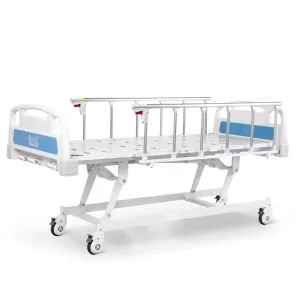
1. What Is a 2 Cranks Manual Mesh Hospital Bed?
What Is a 2 Cranks Manual Mesh Hospital Bed?
A 2 cranks manual mesh hospital bed is a mechanically operated medical bed designed to support patient care through manual positioning, structural durability, and improved ventilation. It is widely used in hospitals, nursing homes, rehabilitation centers, and home care settings—especially where cost efficiency, reliability, and ease of maintenance are critical.
Unlike electric hospital beds, a 2 cranks manual mesh hospital bed relies entirely on manual crank mechanisms to adjust patient positioning. This makes it a preferred solution in regions or facilities where power reliability, budget control, or long-term durability are top priorities.
Core Definition: Breaking Down the Term
To fully understand what a 2 cranks manual mesh hospital bed is, it helps to break the term into its functional components:
1. “2 Cranks” – Dual Mechanical Adjustment System
The term 2 cranks refers to two independent manual crank handles, each responsible for adjusting a specific section of the bed:
-
Crank 1: Back Section Adjustment (Back Section Up/Down)
Allows the patient’s upper body to be elevated or lowered for:-
Eating
-
Reading
-
Breathing support
-
Medical examinations
-
-
Crank 2: Knee/Leg Section Adjustment (Knee Section Up/Down)
Supports elevation of the lower body to:-
Reduce lower-limb pressure
-
Improve blood circulation
-
Enhance comfort during long bed rest
-
These crank systems operate via internal steel screw mechanisms, ensuring smooth, stable, and controlled movement without electricity.
2. “Manual” – Non-Electric, Mechanically Driven Operation
A manual hospital bed means that all adjustments are made mechanically rather than electronically. This offers several critical advantages:
-
No dependency on electrical power
-
Lower failure rate compared to motorized systems
-
Minimal maintenance requirements
-
Longer service life in high-usage environments
Manual operation is especially valuable in:
-
Emergency wards
-
Rural or remote healthcare facilities
-
Developing markets
-
Disaster relief or temporary medical units
3. “Mesh” – Ventilated Bed Board Construction
The mesh bed board is a defining feature that separates this type of bed from solid-panel designs.
Instead of wooden or metal plates, the sleeping surface consists of a steel mesh structure, which provides:
-
Enhanced air circulation
-
Reduced moisture buildup
-
Improved heat dissipation
-
Better hygiene control
This design significantly lowers the risk of:
-
Skin maceration
-
Odor accumulation
-
Mold or bacterial growth
For patients requiring extended bed rest, the mesh hospital bed surface contributes to improved comfort and pressure distribution.
Structural Design and Materials
A standard 2 cranks manual mesh hospital bed is engineered for durability and clinical safety. Typical construction includes:
-
Powder-coated steel frame for corrosion resistance
-
High-strength steel mesh bed board
-
Aluminium siderails (foldable or removable)
-
Hospital bed castors with locking brakes
-
Removable head and foot boards
The structure is designed to support daily medical use, frequent patient repositioning, and repeated cleaning with hospital disinfectants.
Functional Capabilities in Real-World Care
Patient Positioning Flexibility
With two manual adjustment points, caregivers can easily achieve multiple care positions, including:
-
Flat position
-
Semi-Fowler position
-
Knee-elevated posture
-
Combined back + knee elevation
These positions are essential for:
-
Post-surgery recovery
-
Respiratory support
-
Feeding and nursing care
-
Physical rehabilitation
Caregiver Efficiency and Safety
The predictable, mechanical nature of the crank system allows caregivers to:
-
Adjust positions smoothly
-
Maintain consistent patient support
-
Reduce sudden movements that could cause discomfort or injury
Manual control also eliminates risks associated with electrical malfunction or battery failure.
Typical Accessories and Integration
A 2 cranks manual mesh hospital bed is often equipped with or compatible with essential medical accessories, including:
-
Adjustable IV pole
-
Urine bag hooks
-
Oxygen cylinder holder
-
Mattress retainers
-
Bedside safety bumpers
These additions make the bed adaptable across multiple departments without requiring redesign or replacement.
Where Is a 2 Cranks Manual Mesh Hospital Bed Most Commonly Used?
Where Is a 2 Cranks Manual Mesh Hospital Bed Most Commonly Used?
A 2 cranks manual mesh hospital bed is one of the most widely deployed medical bed types worldwide because it offers an optimal balance between functionality, durability, cost efficiency, and operational independence from electricity. Its versatility allows it to serve a broad range of healthcare environments, from advanced hospitals to home care settings.
Below is a detailed breakdown of where and why this type of bed is most commonly used.
1. General Hospital Wards
Why It’s Common Here
General wards require beds that are:
-
Reliable for daily use
-
Easy to operate by nursing staff
-
Cost-effective when purchased in large quantities
A manual hospital bed with 2 cranks provides adjustable back and knee sections, allowing nurses to position patients for feeding, examinations, medication administration, and rest—without relying on electricity.
Practical Advantages
-
Supports routine inpatient care
-
Works seamlessly during power outages
-
Simple mechanical structure reduces downtime
-
Compatible with standard hospital mattresses and accessories
The mesh bed board further improves airflow, helping maintain hygiene in high-turnover ward environments.
2. Long-Term Care Facilities & Nursing Homes
Patient Profile
Residents in nursing homes often:
-
Spend long hours in bed
-
Have limited mobility
-
Require frequent repositioning
Why Mesh Manual Beds Are Preferred
The 2 cranks manual mesh hospital bed allows caregivers to:
-
Adjust back and knee sections easily
-
Reduce pressure on critical body areas
-
Improve comfort during extended bed rest
The ventilated mesh surface helps minimize moisture buildup, which is especially important for elderly patients prone to skin issues.
Operational Benefits
-
Low maintenance for long service life
-
Fewer mechanical failures
-
Lower lifecycle cost compared to electric beds
3. Rehabilitation Centers
Role in Recovery
Rehabilitation patients often need:
-
Gradual positional changes
-
Stable support during therapy
-
Controlled movement without sudden mechanical motion
Manual crank adjustment offers precise, slow, and predictable positioning, which is safer during post-operative recovery or physical therapy.
Why 2 Cranks Matter
-
Back section supports seated therapy exercises
-
Knee elevation reduces strain during lower-limb rehabilitation
-
Mesh bed board improves comfort during longer sessions
4. Home Care and Community Healthcare
Growing Demand in Home Settings
As healthcare increasingly shifts toward home-based care, the demand for reliable and affordable medical beds has grown.
A 2 cranks manual mesh hospital bed is ideal for home care because:
-
It does not require electrical installation
-
Family caregivers can operate it easily
-
It is quieter and less intimidating than electric beds
Typical Home Care Use Cases
-
Post-surgical recovery
-
Elderly care
-
Chronic illness management
-
Temporary home hospitalization
The manual hospital bed design ensures consistent performance even in residential environments.
5. Rural and Remote Healthcare Facilities
Infrastructure Challenges
In rural or remote regions, healthcare facilities often face:
-
Unstable electricity supply
-
Limited access to technical maintenance
-
Budget constraints
Why Manual Mesh Beds Excel
The non-electric mechanical design ensures uninterrupted operation regardless of power availability. The steel mesh bed board is durable and easy to clean, even in challenging conditions.
These beds are frequently supplied to:
-
Rural clinics
-
Township hospitals
-
Community health centers
6. Emergency, Disaster Relief & Temporary Medical Units
High-Pressure Environments
During emergencies such as:
-
Natural disasters
-
Epidemics
-
Military or humanitarian missions
Medical facilities require beds that can be:
-
Deployed quickly
-
Operated without infrastructure
-
Maintained with minimal resources
Key Advantages
-
No electrical dependency
-
Simple crank system reduces training time
-
Lightweight compared to electric beds
-
Easy transportation and installation
For these reasons, the 2 cranks manual mesh hospital bed is commonly included in emergency medical supply lists.
7. Developing Markets & Budget-Sensitive Institutions
Procurement Considerations
Hospitals and clinics in developing regions often prioritize:
-
Initial purchase cost
-
Long-term durability
-
Ease of repair
A manual hospital bed with mesh bed board meets these requirements while still providing essential patient positioning functions.
Why It’s a Standard Supply Item
-
Affordable compared to electric beds
-
Parts are easy to source or replace
-
Long service life under heavy usage
This makes it a foundational product for large-scale hospital bed supply projects.
8. Isolation Wards & High-Hygiene Areas
Hygiene Requirements
Infection control demands beds that are:
-
Easy to clean
-
Resistant to moisture and corrosion
-
Compatible with disinfectants
The mesh bed board improves air circulation and dries faster after cleaning, reducing bacterial growth risk.
Practical Benefit
This makes 2 cranks manual mesh hospital beds suitable for:
-
Isolation wards
-
Fever clinics
-
Temporary quarantine facilities
9. Teaching Hospitals & Training Centers
Educational Value
Teaching hospitals prefer manual beds because:
-
Trainees learn fundamental patient positioning principles
-
Mechanical systems are easier to understand
-
Fewer electronic risks during training
Manual crank beds allow medical students and nursing trainees to develop hands-on skills before transitioning to advanced electric systems.
Summary: Why This Bed Is Used Everywhere
The 2 cranks manual mesh hospital bed is most commonly used across healthcare settings because it offers:
-
Broad adaptability
-
Dependable mechanical operation
-
Cost efficiency
-
Ventilated mesh bed design
-
Compatibility with diverse care environments
From large hospitals to home care, from urban centers to rural clinics, this bed remains a global standard solution in modern healthcare.
This type of bed is widely adopted in:
-
General hospital wards
-
Long-term care facilities
-
Nursing homes
-
Rehabilitation centers
-
Home care environments
-
Emergency or temporary medical units
Its versatility makes it one of the most commonly supplied manual hospital bed models worldwide.
How It Differs from Other Hospital Bed Types
| Bed Type | Key Difference |
|---|---|
| 1 Crank Manual Bed | Only back section adjustable |
| 2 Cranks Manual Mesh Hospital Bed | Back + knee adjustable, mesh ventilation |
| 3 Cranks Manual Bed | Adds height adjustment |
| Electric Hospital Bed | Motorized, higher cost, power dependent |
The 2 cranks manual mesh hospital bed strikes a balance between functionality and affordability, making it the most practical choice for many care environments.
Why It Remains a Core Product in Hospital Bed Supply
Despite technological advancements, this bed type continues to be widely supplied because it offers:
-
Proven mechanical reliability
-
Cost-effective procurement
-
Simple training requirements
-
Long service life
-
Broad patient compatibility
For suppliers and healthcare providers alike, it remains a foundation product in hospital bed portfolios.
Summary
A 2 cranks manual mesh hospital bed is not just a basic medical bed—it is a carefully engineered care platform that combines:
-
Dual manual adjustability
-
Ventilated mesh bed board
-
Durable medical-grade materials
-
Practical accessory integration
-
Long-term operational stability
These qualities make it an essential solution in both institutional healthcare settings and home care applications.
A manual hospital bed with 2 sets manual crank system is a traditional yet highly functional bed type widely used in hospitals, nursing homes, rehabilitation centers, and home care settings. Unlike electric or semi-automatic beds, this bed uses two hand cranks to manually adjust the back section up/down and knee section up/down, enabling caregivers to position patients comfortably and safely.
The mesh bed board design (sometimes referred to as mesh hospital bed) improves ventilation, reduces moisture buildup, and enhances long-term hygiene—a significant advantage over solid board beds.
2. Key Components and Terminology Explained
To fully understand what makes these beds valuable, let’s break down the main components and the relevant terms you’ll encounter:
| Component | Description |
|---|---|
| 2 Sets Manual Crank System | Two crank handles allow adjustment of the head/back and knee sections manually. |
| Mesh Bed Board | A ventilated platform that improves airflow and comfort while minimizing bed sores. |
| Aluminium Siderails | Lightweight yet sturdy safety rails that protect patients from falls and support repositioning. |
| Hospital Bed with Castors | Lockable wheels for easy relocation and secure placement. |
| Adjustable IV Pole | Enables convenient attachment of IV bags, monitoring equipment, or accessories. |
| Removable Head/Foot Boards | Optional panels for ease of transport and customization. |
| Back & Knee Section Adjustability | Manual control for patient positioning such as semi-fowler, flat, or elevated knee posture. |
| Additional Accessories | Includes urine hooks, oxygen tank holders, and side bumpers for added safety and care support. |
3. Why Choose a 2 Cranks Manual Hospital Bed?
3.1 Enhanced Patient Comfort
Patients often spend extended periods in bed—whether for post-surgical recovery, chronic care, or mobility limitations. The manual hospital bed with adjustable back section up/down and knee section up/down allows caregivers and patients to customize positioning for:
-
Improved breathing
-
Reduced pressure on sacral and heel regions
-
Better digestion and comfort
The ventilation benefits of the mesh hospital bed board also help prevent skin irritation and reduce the risk of pressure injuries.
3.2 Cost-Effective and Low-Maintenance
Compared with electric or motorized beds, the manual bed design:
-
Requires no electrical power
-
Has fewer moving parts
-
Is easier and less costly to maintain
This makes the Hengyuan Medical 2 cranks manual mesh hospital bed an excellent choice for facilities focused on durability, longevity, and reduced operating costs.
3.3 Safer for Caregivers
Manual adjustment with clear, predictable mechanical controls decreases the risk of caregiver strain and enhances safety during patient repositioning. Equipped with hospital bed with castors and brake locks, these beds are:
-
Easy to move
-
Stable during care procedures
-
Quick to secure in place
4. Real Clinical Use Cases
4.1 Nursing Home Scenario
A mid-size nursing facility in Seattle replaced outdated flat beds with Hengyuan Medical 2 cranks manual mesh hospital beds. Caregivers reported:
-
Easier feeding and repositioning
-
Fewer pressure injury cases
-
Faster room turnover due to easier cleaning
“Switching to manual beds with mesh bed boards really improved patient comfort and reduced our workload,” said the head nurse.
4.2 Home Care Rehabilitation
In a home care rehabilitation case, a patient recovering from hip surgery used the manual bed for 6 weeks. The adjustable IV pole and aluminium siderails enabled safer transfers and reduced dependency. The ventilated mesh surface improved overall comfort during recovery.
5. Hengyuan Medical’s Technical Specifications
Below is a sample technical specification for one of our popular models:
| Specification | Detail |
|---|---|
| Model | HM-MMB2C |
| Bed Length | 2080 mm |
| Bed Width | 900 mm |
| Height | 450 mm (adjustable) |
| Max Load Capacity | 200 kg |
| Crank Type | 2 Cranks Manual System |
| Material | Electrostatic Painted Steel Frame |
| Bed Board Type | Mesh Bed Board |
| Siderails | Aluminium Alloy, Foldable |
| Castors | Ø125 mm with Lock |
| Accessories | IV Pole, Urine Hooks, O2 Holder |
These parameters ensure a balanced combination of structural integrity, adjustability, and long-term reliability.
6. How to Choose the Right Hospital Bed (Selection Guide)
When selecting a manual 2 crank hospital bed, consider the following:
6.1 Intended Use
-
Clinical wards: Prioritize ease of cleaning and durability.
-
Home care: Focus on comfort and mobility.
6.2 Patient Needs
-
Limited mobility patients benefit more from good siderails and ease of adjustment.
-
Profiles with pressure injury risk require mesh bed boards or advanced support surfaces.
6.3 Accessory Requirements
Ensure the bed supports:
-
IV pole attachment
-
Oxygen tank holder
-
Urine bag hooks
-
Removable boards
7. SEO Recommendations: On-Page Optimization Tips
To maximize SEO for “supply 2 cranks manual mesh hospital bed,” include:
-
Core keyword in title, first paragraph, and H2/H3 headings
-
Related keywords such as manual hospital bed, mesh hospital bed, adjustable IV pole, aluminium siderails, integrated naturally
-
Internal links to product pages and category pages
-
Image ALT tags with descriptive terms like “Hengyuan Medical manual hospital bed 2 crank system”
8. Final Thoughts
The Hengyuan Medical supply 2 cranks manual mesh hospital bed stands as a reliable, cost-effective, and clinically proven solution for healthcare environments. Whether you manage a hospital ward, nursing home, or home care setup, these beds deliver:
✔ Adjustable comfort
✔ Ventilated mesh design
✔ Strong structural quality
✔ Easy caregiver operation
✔ Cost savings in maintenance and operation
Investing in the right manual hospital bed not only enhances patient comfort but also improves care efficiency and long-term outcomes.
