

Manual Medical Bed: Complete Guide for Hospitals, Homecare, and Bulk Procurement
Selecting the right manual medical bed is a critical decision for hospitals, nursing homes, rehabilitation centers, and homecare settings. Hengyuan Medical offers high-quality manual hospital beds designed for patient comfort, caregiver efficiency, and long-term reliability. This guide covers everything from types, features, specifications, and accessories to purchasing tips and wholesale advantages, ensuring you make a fully informed choice.
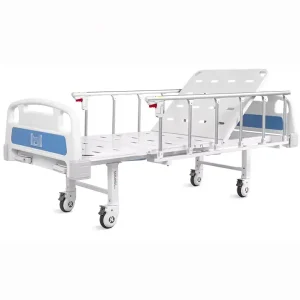
1. What is a Manual Medical Bed?
What is a Manual Medical Bed?
A manual medical bed is a type of hospital or healthcare bed that allows the patient or caregiver to adjust the bed’s position using mechanical means rather than electricity. These adjustments are typically achieved through hand-cranked mechanisms or simple mechanical levers. Manual beds are designed to provide comfort, safety, and functional support for patients in hospitals, nursing homes, rehabilitation centers, or homecare settings.
1. Key Components of a Manual Medical Bed
-
Bed Frame
-
Usually constructed from steel or aluminum for strength and durability.
-
Powder-coated or enamel finish to prevent corrosion and ensure easy cleaning.
-
-
Adjustable Bed Board
-
Can be mesh, perforated steel, or solid board, depending on ventilation and patient needs.
-
Provides support and reduces risk of pressure sores.
-
-
Crank Mechanisms
-
Single Crank: Adjusts head and foot sections together.
-
Dual Crank: Independent adjustment of head and foot sections.
-
Mechanism is usually located at the foot of the bed for easy access.
-
-
Side Rails
-
Foldable or removable for patient safety.
-
Prevents accidental falls, especially important for pediatric or elderly patients.
-
-
Castors / Wheels
-
Lockable wheels for mobility and stability.
-
Enable easy relocation for cleaning or patient transfers.
-
-
Optional Accessories
-
IV poles, urine bag holders, oxygen cylinder holders.
-
Can be attached to increase functionality in medical or homecare settings.
-
2. Functions and Adjustments
Manual medical beds are primarily designed to improve patient comfort and facilitate medical care:
-
Head Section Adjustment: Enables semi-reclined or fully upright positions for eating, reading, or medical examination.
-
Foot Section Adjustment: Elevates legs to reduce swelling, improve circulation, or assist in specific therapies.
-
Overall Height Adjustment (optional): Some manual beds allow changing the overall height manually to assist caregivers in lifting or transferring patients.
3. Advantages of Manual Medical Beds
-
Cost-Effective – Lower initial cost compared to electric or semi-electric beds.
-
Reliable and Durable – Mechanical cranks are less prone to failure; works even without electricity.
-
Low Maintenance – Minimal moving parts reduce maintenance needs.
-
Safe and Simple – Easy to operate by caregivers; fewer electronic components reduce safety risks.
-
Customizable Accessories – Compatible with IV poles, side rails, or specialized mattresses.
4. Common Applications
Manual medical beds are used in various healthcare environments:
-
Hospitals: Particularly in wards where electric beds are not necessary.
-
Nursing Homes: Provides safe, durable, and easy-to-maintain beds for elderly residents.
-
Homecare: Affordable and simple beds for patients requiring long-term care at home.
-
Pediatric Care: Smaller manual beds with appropriate side rails and safety features.
-
Rehabilitation Centers: Adjustable positions assist in physiotherapy and post-surgery recovery.
5. Limitations
While manual medical beds are highly functional, they have certain limitations:
-
Manual Effort Required: Adjustments require physical effort, which may be challenging for some caregivers.
-
Slower Position Changes: Cannot match the speed and convenience of electric beds.
-
Limited Features: Advanced positioning, like Trendelenburg or reverse Trendelenburg angles, may be unavailable in basic models.
6. Technical Considerations
When selecting a manual medical bed, consider the following:
-
Weight Capacity: Ensure it accommodates the patient safely. Standard: 150–250 kg; bariatric beds available.
-
Bed Dimensions: Standard adult, pediatric, or specialized sizes.
-
Bed Board Material: Mesh vs solid steel depending on pressure relief needs.
-
Crank Location and Type: Single vs dual crank; accessibility for caregivers.
-
Side Rail Design: Adjustable height, foldable or removable, meets safety standards.
7. Conclusion
A manual medical bed is a versatile, reliable, and cost-effective solution for patient care. Its simplicity, durability, and low maintenance make it an ideal choice for hospitals, homecare, pediatric, and rehabilitation environments. While it requires manual effort for adjustments, the benefits of affordability, safety, and customization make manual medical beds a cornerstone of healthcare furniture.
A manual medical bed is a hospital bed that allows caregivers or patients to adjust the head, foot, and overall bed position manually, usually via hand crank mechanisms. Unlike electric or semi-electric hospital beds, manual beds do not require power, making them cost-effective, durable, and ideal for long-term use in facilities where electricity may not always be available.
Core Features:
-
Hand crank adjustment for head and foot sections
-
Heavy-duty steel or aluminum frame
-
Optional mesh bed boards for ventilation and pressure relief
-
Safety side rails to prevent falls
-
Castors for mobility and ease of cleaning
Example: In a rehabilitation center, Hengyuan Medical dual-crank beds were deployed to allow patients to independently adjust their positions, reducing caregiver strain while ensuring patient comfort.
2. Key Features and Technical Specifications
Manual medical beds vary in functionality and design. Hengyuan Medical offers models with diverse features to suit different healthcare needs:
| Feature | Specification / Example | Benefit |
|---|---|---|
| Crank Mechanism | Single or Dual Crank | Independent head/foot adjustment for precise positioning |
| Bed Frame | Powder-coated steel or high-strength aluminum | Durable, corrosion-resistant |
| Bed Board | Mesh or perforated steel | Breathable surface reduces moisture and pressure sores |
| Side Rails | Adjustable, foldable | Enhances patient safety |
| Weight Capacity | 150–250 kg standard | Suitable for most adult patients; bariatric options available |
| Castors | Lockable swivel wheels | Easy movement and stability |
| Accessories | IV poles, urine bag hooks, oxygen holders | Full functionality for hospital or homecare |
These specifications ensure manual medical beds from Hengyuan Medical meet international standards for safety, reliability, and comfort.
3. Types of Manual Medical Beds
Types of Manual Medical Beds
Manual medical beds come in a variety of designs, each tailored to specific healthcare needs. Understanding the different types helps hospitals, rehabilitation centers, and homecare providers select the right bed for patients while optimizing caregiver efficiency.
1. Single-Crank Manual Beds
Description:
-
Equipped with one hand crank, usually at the foot of the bed.
-
Simultaneously adjusts both the head and foot sections.
Key Features:
-
Simple mechanism, low cost, minimal maintenance.
-
Adjustable head and foot angles to aid patient comfort.
-
Basic safety rails and lockable castors.
Ideal Usage:
-
Homecare settings where budget and simplicity are priorities.
-
Temporary hospital wards or low-intensity patient rooms.
Advantages:
-
Affordable and reliable.
-
Easy for caregivers to operate.
Limitations:
-
Head and foot adjustments are linked; cannot independently position each section.
2. Dual-Crank Manual Beds
Description:
-
Two independent cranks for head and foot adjustment.
-
Provides precise positioning for patients.
Key Features:
-
Independent control allows reclining head while elevating legs simultaneously.
-
Durable steel or aluminum frame with mesh or perforated bed board.
-
Side rails for patient safety; lockable castors for mobility.
Ideal Usage:
-
Hospitals and rehabilitation centers for post-surgery or critical care patients.
-
Pediatric wards where independent adjustment is required for patient comfort.
Advantages:
-
Provides greater flexibility and comfort.
-
Supports therapeutic positioning, such as Trendelenburg or Fowler positions (if designed).
Example: Hengyuan Medical dual-crank beds are widely used in rehabilitation facilities to allow independent positioning, reducing caregiver strain and improving patient recovery outcomes.
3. Multi-Height Adjustable Manual Beds
Description:
-
Beds that allow manual adjustment of the overall height of the bed frame in addition to head and foot sections.
Key Features:
-
Dual crank or additional crank for height adjustment.
-
Improves caregiver ergonomics by reducing bending during patient transfers.
-
Can be paired with mesh bed boards and side rails.
Ideal Usage:
-
Nursing homes and long-term care facilities to facilitate safe patient handling.
-
Homecare for bedridden patients where caregiver back strain is a concern.
Advantages:
-
Improves patient transfer safety.
-
Enhances caregiver comfort.
Limitations:
-
Slightly higher cost than standard dual-crank beds.
-
Requires manual effort to adjust height.
4. Pediatric / Children’s Manual Beds
Description:
-
Smaller beds specifically designed for children in hospitals or homecare.
-
Equipped with safety side rails and optional cranks.
Key Features:
-
Compact frame and bed length suitable for children.
-
Safety features like foldable rails, corner bumpers, and anti-tip mechanisms.
-
Can include IV pole and infusion racks tailored for pediatric care.
Ideal Usage:
-
Pediatric hospitals and home pediatric care.
-
Rehabilitation centers for children recovering from surgery or chronic illness.
Advantages:
-
Ensures child safety with specially designed protective features.
-
Allows caregivers to adjust positions safely.
Example: Hengyuan Medical pediatric manual beds include dual-crank options with side rails, ensuring both comfort and safety for young patients.
5. Bariatric Manual Beds
Description:
-
Designed to support heavier patients, typically over 200 kg.
-
Stronger frames, reinforced bed boards, and heavy-duty cranks.
Key Features:
-
Wider and longer than standard adult beds.
-
Heavy-duty hand crank system for head/foot adjustment.
-
Reinforced side rails and lockable castors.
Ideal Usage:
-
Hospitals and rehabilitation centers treating obese patients.
-
Homecare for patients requiring larger beds.
Advantages:
-
Safety and durability for heavier patients.
-
Supports full range of manual adjustments without mechanical failure.
Summary Table – Manual Medical Bed Types
| Type | Crank Mechanism | Key Feature | Ideal Usage | Advantages |
|---|---|---|---|---|
| Single-Crank | 1 crank | Head & foot linked | Homecare, temporary wards | Affordable, simple |
| Dual-Crank | 2 cranks | Independent head/foot | Hospitals, rehab centers, pediatrics | Flexible positioning |
| Multi-Height | 2+ cranks | Adjustable height | Nursing homes, homecare | Safer transfers, ergonomic |
| Pediatric | 1-2 cranks | Compact, safety rails | Pediatric wards, homecare | Child safety, adjustable comfort |
| Bariatric | 1-2 heavy-duty cranks | High weight capacity | Hospitals, homecare | Supports heavier patients, reinforced structure |
Key Considerations When Choosing a Type
Key Considerations When Choosing a Type of Manual Medical Bed
Selecting the right manual medical bed requires careful evaluation to ensure patient safety, comfort, and caregiver efficiency. Choosing the wrong type can affect treatment outcomes, patient mobility, and staff workload. Below is a detailed breakdown of the key considerations.
1. Patient Needs
The most critical factor in choosing a manual medical bed is the patient’s specific needs:
-
Age:
-
Pediatric patients require smaller beds with safety side rails and guardrails.
-
Adults need standard beds; elderly patients may benefit from extra support features.
-
-
Weight and Body Size:
-
Standard beds typically support 150–200 kg.
-
Bariatric beds are designed for patients above 200 kg, with reinforced frames and heavy-duty cranks.
-
-
Medical Condition:
-
Patients with limited mobility, post-surgery recovery, or pressure sore risk may require dual-crank beds for independent head and foot adjustments.
-
Patients with cardiovascular or respiratory conditions may benefit from beds that allow Trendelenburg or Fowler positioning.
-
-
Duration of Use:
-
Long-term care patients require durable frames, low-maintenance mechanical systems, and comfortable bed boards.
-
Example: Hengyuan Medical dual-crank beds are widely used in rehabilitation centers to accommodate patients recovering from orthopedic surgeries, providing flexible positioning for therapy and comfort.
2. Bed Functionality
The bed’s mechanical functionality is essential for both patient comfort and caregiver efficiency:
-
Crank Type:
-
Single-crank beds adjust head and foot together; simpler but less flexible.
-
Dual-crank beds allow independent adjustment of head and foot, ideal for hospitals and pediatric care.
-
-
Height Adjustment:
-
Multi-height manual beds allow caregivers to raise or lower the bed frame to reduce back strain and facilitate transfers.
-
-
Side Rails:
-
Foldable or removable side rails prevent falls and provide security for pediatric or elderly patients.
-
-
Bed Board Material:
-
Mesh or ventilated bed boards improve airflow, reduce moisture, and prevent pressure sores.
-
Tip: Always match the bed functionality to the type of care the patient requires. Dual-crank or multi-height beds are preferable in clinical settings where frequent repositioning is necessary.
3. Space and Environment
The physical environment affects bed selection:
-
Room Size:
-
Ensure the bed fits comfortably with space for caregivers to move around.
-
Consider folding rails and retractable cranks to maximize space efficiency.
-
-
Mobility:
-
Lockable castors allow for easy relocation of the bed for cleaning or patient transfers.
-
Fixed beds may be suitable for permanent setups where mobility is not required.
-
-
Homecare vs Hospital:
-
Homecare may favor compact, lightweight beds for small rooms.
-
Hospitals require beds that comply with safety regulations, durability standards, and accessory compatibility.
-
Example: In homecare settings, Hengyuan Medical single-crank mesh beds are ideal due to their compact size, lightweight frame, and ease of manual operation.
4. Safety Considerations
Safety is paramount in any healthcare environment:
-
Side Rails: Prevent falls, especially for pediatric or elderly patients.
-
Lockable Wheels: Secure the bed in place and prevent accidental movement.
-
Sturdy Frame: Ensures stability even when patients shift positions.
-
Anti-Tip Design: Especially important for taller or heavier patients.
Tip: Always verify that beds comply with relevant safety standards, such as ISO or CE certifications.
5. Budget and Maintenance
Budget considerations impact both short-term and long-term use:
-
Cost-Effectiveness:
-
Manual beds are generally more affordable than electric beds.
-
Dual-crank or multi-height beds cost more but provide added functionality.
-
-
Maintenance:
-
Simple crank mechanisms reduce maintenance requirements.
-
Mesh or steel bed boards are durable and easy to clean.
-
-
Bulk Procurement:
-
Purchasing multiple beds from a reliable manufacturer like Hengyuan Medical provides cost savings, standardization, and streamlined maintenance.
-
6. Accessories and Compatibility
Manual beds often require additional features for optimal patient care:
-
IV Poles and Infusion Racks: Necessary for patients receiving intravenous treatments.
-
Oxygen Cylinder Holders: Ensures respiratory support is safely mounted.
-
Mattress Compatibility: Pressure relief, foam, or gel mattresses should match the bed dimensions.
-
Other Attachments: Overbed tables, urine bag hooks, and specialized restraints if required.
Tip: Check that accessories are compatible with the bed type and size before purchasing.
7. Durability and Material Quality
The quality of materials affects the bed’s lifespan and safety:
-
Frame Material: Steel or aluminum with powder coating is durable and corrosion-resistant.
-
Crank Mechanism: High-quality cranks reduce effort and improve long-term reliability.
-
Bed Board: Mesh or ventilated steel prevents moisture accumulation and provides comfort.
Conclusion
Choosing the right type of manual medical bed requires careful consideration of:
-
Patient needs: age, weight, medical condition
-
Bed functionality: crank type, height adjustment, side rails
-
Space and environment: room size, mobility, homecare vs hospital
-
Safety: stability, lockable wheels, anti-tip features
-
Budget and maintenance: cost-effectiveness and durability
-
Accessories and material quality: IV poles, mattresses, frame strength
By evaluating these factors, healthcare providers can select the most suitable manual medical bed, ensuring patient comfort, caregiver efficiency, and long-term reliability. Hengyuan Medical’s range of manual beds, including single-crank, dual-crank, multi-height, pediatric, and bariatric models, addresses all these considerations, making them a trusted choice worldwide.
-
Patient Needs: Age, weight, medical condition, mobility.
-
Caregiver Requirements: Ergonomics, ease of adjustment, frequency of position changes.
-
Space and Environment: Room size, homecare vs hospital, storage and mobility.
-
Budget and Maintenance: Manual beds are generally cost-effective, but heavy-duty or multi-height models may require slightly higher investment.
-
Accessories Compatibility: Side rails, IV poles, infusion racks, oxygen holders.
Conclusion
Choosing the right type of manual medical bed depends on balancing patient needs, caregiver convenience, and budget. Hengyuan Medical offers a full range of single-crank, dual-crank, multi-height, pediatric, and bariatric manual beds, ensuring safety, comfort, and cost-effectiveness across hospitals, rehabilitation centers, and homecare environments.
Manual beds remain a reliable and essential choice, offering flexibility, durability, and ease of use without the reliance on electricity, making them suitable for diverse healthcare settings worldwide.
Manual beds can be categorized based on their adjustment mechanisms and intended usage:
a. Single-Crank Beds
-
One crank adjusts both head and foot sections together
-
Simpler and affordable
-
Ideal for homecare or temporary hospital rooms
b. Dual-Crank Beds
-
Independent cranks for head and foot adjustments
-
Suitable for hospitals, pediatric wards, and rehabilitation centers
-
Enhances patient comfort and precise positioning for medical treatment
c. Multi-Height Adjustable Beds
-
Entire bed height can be manually raised or lowered
-
Facilitates patient transfers and caregiver ergonomics
Case Example: A pediatric hospital implemented dual-crank Hengyuan Medical beds, enabling safe and flexible positioning for young patients while simplifying caregiver tasks.
4. Where Manual Medical Beds are Commonly Used
Manual beds are versatile and used across multiple settings:
-
Hospitals & Clinics: Cost-effective solution for wards without high electric bed demand
-
Homecare: Compact and easy-to-operate for elderly or long-term patients
-
Pediatric Care: Beds with smaller dimensions, side rails, and safe crank systems
-
Rehabilitation Centers: Multi-position beds help in post-surgery recovery and therapy
-
Nursing Homes: Durable and low-maintenance beds with uniform standards across facilities
SEO Tip: Using manual hospital beds in homecare settings can be emphasized in content for better search visibility, targeting keywords like home medical beds and caregiver adjustments.
5. Advantages of Manual Medical Beds
-
Cost-Effective: Lower initial cost than electric beds and minimal maintenance requirements
-
Reliability: Works without power and simple mechanical parts
-
Durability: Heavy-duty frames and mesh or steel bed boards
-
Safety: Foldable side rails, anti-tip design, and lockable wheels
-
Ease of Use: Intuitive crank mechanism reduces caregiver strain
-
Customizable Accessories: IV poles, oxygen holders, and urine bag hooks can be added
-
Uniformity for Bulk Orders: Standardized beds make training, maintenance, and patient care consistent
Case Example: A chain of nursing homes in Europe ordered 100 Hengyuan Medical manual beds, achieving cost savings, standardized safety features, and simplified staff training.
6. How to Choose the Right Manual Medical Bed
When selecting the right manual bed, consider the following factors:
a. Patient Needs
-
Adult vs pediatric
-
Mobility and weight capacity
-
Medical conditions (e.g., pressure sore risk)
b. Bed Functionality
-
Crank type: single or dual
-
Adjustable height and tilt
-
Compatibility with mattresses and accessories
c. Safety Features
-
Foldable side rails
-
Lockable castors
-
Anti-tip mechanism
d. Space and Mobility
-
Room dimensions
-
Ease of moving and cleaning around the bed
e. Budget & Supplier Reliability
-
Hengyuan Medical offers bulk procurement discounts
-
Certified quality (ISO, CE)
-
Long-term durability reduces total cost of ownership
Example: A homecare provider selected Hengyuan Medical single-crank mesh beds with foldable side rails and lockable castors, achieving the perfect balance between affordability, safety, and ease of use.
7. Wholesale and Bulk Procurement Benefits
Bulk procurement of manual medical beds provides multiple advantages:
-
Cost Reduction: Unit price decreases significantly when ordered in bulk
-
Standardization: Uniform beds simplify maintenance and staff training
-
Supply Chain Efficiency: Fewer orders, predictable delivery schedules, and ready stock
-
Customization Options: Crank type, size, accessories, and color can be standardized across bulk orders
-
Long-Term Value: Lower maintenance costs, durability, and long-term ROI
Case Example: A rehabilitation center purchased 50 Hengyuan Medical dual-crank beds, streamlining patient care and significantly reducing setup and administrative costs.
8. Accessories and Add-Ons
Adding functional accessories enhances usability:
-
IV poles and infusion racks
-
Urine bag hooks
-
Oxygen tank holders
-
Bed extension kits for pediatric or taller patients
-
Compatible mattresses: pressure relief or standard foam
These add-ons can be planned in bulk orders to maximize utility and patient comfort.
9. Manual vs Electric Hospital Beds
| Feature | Manual Medical Bed | Electric Hospital Bed |
|---|---|---|
| Cost | Lower | Higher |
| Power | Not required | Requires electricity |
| Maintenance | Minimal | Motor and electronics maintenance |
| Adjustment | Single/Dual Crank | Motorized, precise adjustments |
| Safety | Simple, robust | May require battery backup |
Manual beds are reliable, low-maintenance, and cost-effective, making them ideal for hospitals, nursing homes, and homecare settings, especially when purchased in bulk.
10. Conclusion
A manual medical bed from Hengyuan Medical offers a reliable, safe, and cost-effective solution for hospitals, homecare, pediatric care, and rehabilitation centers.
By considering:
-
Patient needs and bed functionality
-
Safety features and space requirements
-
Accessories and customization
-
Bulk procurement advantages
Healthcare facilities can ensure maximum patient comfort, caregiver efficiency, and operational cost savings. Hengyuan Medical’s manual beds are designed to meet international standards, making them a trusted choice for medical professionals worldwide.
Keywords Covered Naturally:
manual medical bed, manual hospital beds, hand crank adjustment, dual crank, fold-down cranks, mesh bed board, home medical bed, nursing bed, hospital furniture, adjustable manual bed, side rails, caregiver adjustments, healthcare equipment, IV pole, manual vs electric hospital beds
