

Hospital Bed 2 Cranks: A Complete Guide for Hospitals, Clinics, and Home Care
In today’s healthcare environment, choosing the right hospital bed is essential for both patient comfort and caregiver efficiency. Among various options available, the hospital bed 2 cranks remains one of the most popular and widely used solutions worldwide.
At Hengyuan Medical, we specialize in manufacturing reliable and cost-effective manual hospital beds, including the highly demanded 2 crank manual hospital bed, also known as a two-function hospital bed or double crank hospital bed.
This comprehensive guide will walk you through everything you need to know—from functions and technical specifications to real-world applications and professional buying advice.
What Is a Hospital Bed 2 Cranks?
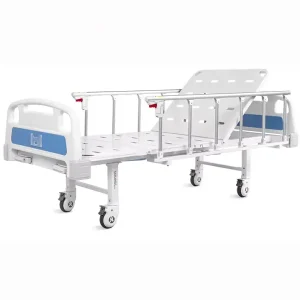
What Is a Hospital Bed 2 Cranks?
A hospital bed 2 cranks is a type of manual hospital bed designed with two independent mechanical crank systems, each responsible for adjusting a specific section of the bed. Unlike electric hospital beds, this model relies entirely on manual operation, making it a dependable, cost-effective, and widely used solution in hospitals, clinics, and home care environments.
In professional terminology, a hospital bed 2 cranks is also commonly referred to as:
-
2 crank manual hospital bed
-
Two-function hospital bed
-
Double crank hospital bed
-
Manual adjustable medical bed
-
Manual patient bed
Although the wording may differ, all these terms describe the same core structure and functionality.
The Meaning of “2 Cranks” in Medical Bed Design
The term “2 cranks” indicates that the bed is equipped with two separate hand-operated crank handles, usually positioned at the foot end of the bed frame. Each crank controls a different adjustable function:
-
Backrest Adjustment (Upper Body Section)
-
Knee or Leg Elevation (Lower Body Section)
These two functions are considered the essential minimum adjustability required for patient comfort and basic clinical care, which explains why hospital bed 2 cranks models are among the most widely adopted manual beds worldwide.
Backrest Adjustment: Core Function of a 2 Crank Hospital Bed
The first crank allows the caregiver or patient to raise or lower the backrest section. This function plays a critical role in daily patient care, including:
-
Supporting seated or semi-seated positions
-
Assisting patients during meals
-
Improving breathing for patients with respiratory discomfort
-
Reducing pressure on the back during long-term bed rest
-
Enhancing patient independence in recovery stages
In most 2 crank adjustable medical beds, the backrest angle can typically be adjusted from 0° to approximately 70°, depending on the bed design and mechanical structure.
Knee and Leg Elevation: Essential Support for Circulation and Comfort
The second crank controls the knee or leg section, allowing the lower body to be elevated. This adjustment is especially important for:
-
Promoting blood circulation in the lower limbs
-
Reducing swelling and edema
-
Preventing pressure sores
-
Supporting post-surgical recovery
-
Increasing overall patient comfort during extended stays
This function is why a hospital bed 2 cranks is often classified as a two-function manual hospital bed.
Why a Hospital Bed 2 Cranks Is Considered a “Two-Function” Bed
In medical furniture classification, hospital beds are often categorized by the number of adjustable functions, rather than by the number of cranks themselves.
| Bed Type | Adjustable Functions |
|---|---|
| 1 Crank Bed | Backrest only |
| 2 Crank Bed | Backrest + Knee/Leg |
| 3 Crank Bed | Backrest + Knee + Height |
| Electric Bed | Multiple motorized functions |
Therefore, a hospital bed 2 cranks is synonymous with a two-function crank bed, offering the most essential adjustability without unnecessary complexity.
Manual Operation: A Key Advantage of Hospital Bed 2 Cranks
Because a 2 crank hospital bed does not rely on motors, electronics, or power supply, it offers several practical advantages:
-
Reliable operation in areas with unstable electricity
-
Lower risk of mechanical failure
-
Reduced maintenance and repair costs
-
Simple training for caregivers
-
Long service life
This is why manual hospital beds, especially double crank models, remain the first choice in many general wards, clinics, and home care settings.
Structural Characteristics of a Hospital Bed 2 Cranks
Although designs vary slightly by manufacturer, a standard hospital bed 2 cranks typically includes:
-
A reinforced steel bed frame
-
Powder-coated surface for corrosion resistance
-
Manual crank system with internal screw mechanisms
-
Adjustable mattress platform
-
Optional side rails for patient safety
-
Lockable castors for mobility and stability
At Hengyuan Medical, these structural elements are engineered to ensure durability, safety, and smooth manual adjustment.
Typical Users of a Hospital Bed 2 Cranks
A hospital bed 2 cranks is designed to serve a wide range of users, including:
-
Patients in general hospital wards
-
Elderly individuals in long-term care
-
Post-operative patients
-
Home care patients requiring basic positioning support
-
Clinics seeking economical medical bed solutions
This versatility makes the 2 crank manual hospital bed one of the most in-demand products in the global medical furniture market.
Summary: What Defines a Hospital Bed 2 Cranks?
In summary, a hospital bed 2 cranks is defined by:
-
Two manual cranks
-
Two essential adjustable functions
-
Manual, electricity-free operation
-
Reliable mechanical structure
-
Broad application in hospitals, clinics, and home care
It represents the optimal balance between functionality, durability, and cost-efficiency, which is why it remains a cornerstone product in the medical bed category.
A hospital bed 2 cranks is a manual hospital bed equipped with two mechanical cranks, each controlling a specific bed function:
-
Backrest adjustment
-
Knee or leg elevation
Unlike electric hospital beds, a 2 crank hospital bed operates without electricity, making it a highly dependable choice for hospitals, clinics, and home care environments where simplicity and reliability are priorities.
This design is often referred to as:
-
Two function manual hospital bed
-
Double crank manual hospital bed
-
Manual patient bed
All of these terms describe the same fundamental structure and functionality.
Key Functions of a 2 Crank Manual Hospital Bed
1. Backrest Adjustment
The first crank allows caregivers or patients to manually adjust the backrest angle. This function is crucial for:
-
Eating and drinking
-
Reading or watching television
-
Reducing respiratory discomfort
-
Improving patient mobility in recovery stages
2. Knee / Leg Elevation
The second crank controls the knee or leg section, which helps to:
-
Improve blood circulation
-
Reduce lower limb swelling
-
Enhance patient comfort during long-term bed rest
-
Support post-operative recovery
These two essential functions explain why hospital bed 2 cranks models are commonly described as two-function crank beds.
Why Choose a Manual Hospital Bed Instead of an Electric One?
Why Choose a Manual Hospital Bed Instead of an Electric One?
When selecting hospital beds, buyers often face a key decision: manual hospital bed or electric hospital bed. While electric beds offer advanced motorized functions, manual hospital beds—especially hospital bed 2 cranks models—remain the preferred choice in many healthcare environments.
Understanding why manual beds are still widely used helps hospitals, clinics, and home care providers make smarter purchasing decisions.
Reliability Without Dependence on Electricity
One of the most significant advantages of a manual hospital bed is its complete independence from electrical power. A hospital bed 2 cranks operates through a mechanical crank system, ensuring uninterrupted functionality even when:
-
Power outages occur
-
Electrical infrastructure is unstable
-
Beds are used in temporary or emergency medical facilities
For hospitals in developing regions or rural areas, this reliability is not just a convenience—it is a necessity. Manual operation guarantees that patient positioning can always be adjusted when needed.
Lower Purchase and Lifetime Ownership Costs
From a cost perspective, manual hospital beds are substantially more economical than electric alternatives.
Cost benefits of a 2 crank manual hospital bed include:
-
Lower initial purchase price
-
No electric motors or control units
-
Reduced maintenance and spare-part expenses
-
Longer service life with minimal mechanical wear
For large-scale projects such as hospital wards or public healthcare facilities, choosing hospital bed 2 cranks models can significantly reduce total procurement budgets without compromising essential functionality.
Essential Functions Without Unnecessary Complexity
In daily medical practice, most patient care scenarios only require basic positioning functions:
-
Backrest elevation
-
Knee or leg elevation
A two-function hospital bed delivers exactly what is needed—nothing more, nothing less. Unlike electric beds with multiple motors and complex control panels, a double crank hospital bed focuses on the most frequently used adjustments.
This simplicity reduces:
-
Mechanical failure risks
-
Training time for caregivers
-
Operational errors
Ease of Maintenance and Long-Term Durability
Electric hospital beds rely on motors, actuators, wiring, and control systems—all of which can fail over time. In contrast, a manual hospital bed uses proven mechanical components that are:
-
Easy to inspect
-
Simple to repair
-
Widely available in spare parts
A well-designed hospital bed 2 cranks can remain in service for many years with minimal maintenance, making it ideal for facilities prioritizing long-term durability.
Ideal for High-Volume Hospital Wards and Clinics
In many hospitals, especially general wards, beds are used continuously and intensively. Manual beds are often preferred in such environments because:
-
They withstand frequent use
-
Caregivers can adjust positions quickly
-
No downtime due to electrical malfunction
Clinics and community healthcare centers also favor 2 crank manual hospital beds because they combine professional functionality with budget efficiency.
Safe and Practical for Home Care Use
For home care settings, simplicity is crucial. A hospital bed 2 cranks is often a better choice than an electric bed because:
-
Family members can easily operate the cranks
-
No risk of electrical failure or control confusion
-
Lower cost makes home care more affordable
-
Reliable performance during long-term use
This makes manual adjustable medical beds particularly popular in elderly care and rehabilitation at home.
Manual Beds vs Electric Beds: A Practical Comparison
| Feature | Manual Hospital Bed (2 Cranks) | Electric Hospital Bed |
|---|---|---|
| Power Requirement | None | Required |
| Initial Cost | Low | High |
| Maintenance Cost | Low | High |
| Functions | Essential (2 functions) | Multiple |
| Reliability | Very high | Power-dependent |
| Ideal Use | Wards, clinics, home care | ICU, advanced care |
This comparison highlights why hospital bed 2 cranks models remain a practical choice for many healthcare providers.
When a Manual Hospital Bed Is the Better Choice
A manual hospital bed is often the best option when:
-
Budget control is a priority
-
Basic patient positioning is sufficient
-
Long-term reliability is required
-
Maintenance resources are limited
-
Electricity access is uncertain
In these cases, choosing a hospital bed 2 cranks ensures dependable care without unnecessary investment.
Hengyuan Medical’s Approach to Manual Hospital Beds
At Hengyuan Medical, our hospital bed 2 cranks solutions are designed to balance practicality, safety, and durability. We focus on:
-
Smooth and stable crank mechanisms
-
Strong steel bed frames
-
Easy operation for caregivers
-
Compliance with international medical standards
This philosophy ensures our manual hospital beds perform consistently in hospitals, clinics, and home care environments worldwide.
Final Thoughts
While electric hospital beds play an important role in specialized care, manual hospital beds—especially 2 crank models—continue to dominate the global market for good reason. They offer reliability, affordability, and essential functionality in a simple and durable design.
For healthcare providers seeking a dependable and cost-effective solution, a hospital bed 2 cranks remains one of the smartest choices available.
Although electric hospital beds offer advanced features, manual hospital beds—especially 2 crank hospital beds—remain dominant in many regions.
Advantages of Hospital Bed 2 Cranks:
-
No electricity required
-
Lower purchase and maintenance cost
-
Simple mechanical structure
-
High durability and long service life
-
Easy maintenance and repair
-
Ideal for developing markets and emergency backup use
At Hengyuan Medical, our 2 crank beds are engineered to provide stable performance even in demanding hospital ward environments.
Typical Applications of Hospital Bed 2 Cranks
A hospital bed 2 cranks is extremely versatile and suitable for multiple medical settings:
🏥 Hospitals
-
General wards
-
Post-operative recovery rooms
-
Long-term patient care units
🏥 Clinics
-
Outpatient clinics
-
Community healthcare centers
-
Small private hospitals
🏠 Home Care
-
Elderly care
-
Rehabilitation at home
-
Chronic illness management
Because of their manual operation, 2 crank adjustable medical beds are especially favored in home care hospital bed scenarios.
Technical Specifications of Hengyuan Medical Hospital Bed 2 Cranks
Below is a typical technical parameter table for a Hengyuan Medical 2 crank manual hospital bed:
| Parameter | Specification |
|---|---|
| Bed Type | Manual Hospital Bed |
| Functions | Backrest + Knee/Leg Elevation |
| Crank System | 2 Manual Cranks |
| Bed Frame | Powder-coated steel |
| Mattress Platform | Steel slat or perforated steel |
| Standard Bed Size | 2150 × 950 mm |
| Mattress Size | 1900 × 900 mm |
| Load Capacity | ≥ 250 kg |
| Side Rails | Optional (ABS or aluminum) |
| Castors | 4 pcs, Ø125 mm, with brakes |
| Power Requirement | Not required |
These specifications make the 2 crank hospital bed a reliable and economical solution for daily medical use.
Real Use Cases: How Hospital Bed 2 Cranks Perform in Practice
Case 1: General Hospital Ward
A regional hospital selected Hengyuan Medical hospital bed 2 cranks to equip its general wards. The result was:
-
Reduced maintenance costs
-
Improved patient comfort
-
Simplified caregiver training due to intuitive manual operation
Case 2: Home Care for Elderly Patients
Families caring for elderly patients often prefer 2 crank adjustable medical beds because they are easy to operate and do not depend on electricity, ensuring uninterrupted use even during power outages.
Case 3: Clinics and Temporary Medical Facilities
Clinics and mobile medical units frequently choose double crank manual hospital beds for their portability, durability, and low operating cost.
Hospital Bed 2 Cranks vs Other Bed Types
| Bed Type | Functions | Cost Level | Power Required |
|---|---|---|---|
| 2 Crank Hospital Bed | Back + Leg | Low | No |
| 3 Crank Hospital Bed | Back + Leg + Height | Medium | No |
| Electric Hospital Bed | Multiple | High | Yes |
For buyers seeking essential functionality with controlled budgets, the hospital bed 2 cranks remains the most balanced choice.
Buying Guide: How to Choose the Right Hospital Bed 2 Cranks
Buying Guide: How to Choose the Right Hospital Bed 2 Cranks
Choosing the right hospital bed 2 cranks is not just about price—it is about ensuring patient comfort, caregiver efficiency, and long-term operational reliability. Whether you are purchasing for a hospital, clinic, or home care environment, understanding the key selection criteria will help you make an informed decision.
Below is a detailed buying guide used by professional medical furniture buyers worldwide.
1. Clearly Define the Intended Application
The first step in selecting a 2 crank manual hospital bed is identifying where and how it will be used.
Common application scenarios include:
-
General hospital wards
-
Clinics and community healthcare centers
-
Rehabilitation facilities
-
Long-term care institutions
-
Home care and elderly care
For general wards and home care, a two-function hospital bed typically provides all necessary adjustability without additional complexity.
2. Understand the Crank Mechanism Quality
Not all crank systems are created equal. Since a hospital bed 2 cranks relies entirely on mechanical operation, crank quality directly affects durability and user experience.
What to look for:
-
Smooth rotation with minimal resistance
-
Low operating noise
-
Reinforced internal screw mechanisms
-
Secure crank locking when not in use
High-quality crank systems ensure safe and effortless adjustment for both caregivers and patients, especially in high-use environments.
3. Evaluate Bed Frame Strength and Materials
A reliable manual hospital bed must be built on a strong structural foundation.
Recommended features:
-
Heavy-duty steel bed frame
-
Powder-coated surface for corrosion resistance
-
Welded joints for enhanced stability
-
High load-bearing capacity (typically ≥ 250 kg)
At Hengyuan Medical, our double crank hospital beds are engineered to withstand continuous daily use in demanding hospital wards.
4. Check Mattress Platform Design
The mattress platform is a critical yet often overlooked component.
Important considerations:
-
Steel slat or perforated steel platform
-
Even weight distribution
-
Adequate ventilation to reduce moisture buildup
-
Compatibility with standard hospital mattresses
A well-designed platform improves patient comfort and extends mattress lifespan.
5. Load Capacity and Patient Safety
Different healthcare environments serve patients with varying needs. Always verify that the hospital bed 2 cranks meets required load capacity standards.
Key safety indicators:
-
Certified safe working load
-
Stable bed structure under full adjustment
-
No frame deformation during operation
This is particularly important in bariatric or long-term care settings.
6. Side Rails: Safety and Accessibility
Side rails are optional but highly recommended for most manual hospital beds.
Common options include:
-
Aluminum side rails
-
ABS foldable side rails
-
Half-length or full-length rails
Side rails help prevent falls, support patient mobility, and increase overall safety, especially for elderly patients.
7. Mobility and Castor System
Even manual hospital beds must be easy to move when necessary.
Look for:
-
Medical-grade castors (typically Ø125 mm)
-
Smooth rolling performance
-
At least two lockable wheels
-
Central braking system (optional)
A stable castor system ensures safe patient transport within hospital wards.
8. Compatibility With Accessories
A quality hospital bed 2 cranks should support essential medical accessories.
Common accessories include:
-
IV poles
-
Overbed tables
-
Bedside cabinets
-
Patient lifting equipment
Accessory compatibility increases the bed’s versatility across different care scenarios.
9. Compliance With Medical Standards
Always ensure the 2 crank manual hospital bed complies with relevant international standards.
Common certifications include:
-
ISO 13485
-
CE marking
-
Local medical device regulations
Compliance ensures product safety, quality consistency, and easier market access.
10. Supplier Reliability and After-Sales Support
Choosing the right manufacturer is just as important as choosing the bed itself.
Evaluate suppliers based on:
-
Manufacturing experience
-
Quality control processes
-
Customization capability
-
Export and logistics experience
-
Warranty and spare parts availability
Hengyuan Medical provides complete support—from product selection to after-sales service—ensuring long-term value for buyers.
11. Cost vs Value: Avoid the Cheapest Option Trap
While price is important, the lowest-cost option often leads to higher long-term expenses.
A well-chosen hospital bed 2 cranks offers:
-
Lower lifetime ownership cost
-
Reduced maintenance
-
Fewer replacements
-
Better patient satisfaction
Always evaluate value, not just initial pricing.
12. Hospital Bed 2 Cranks Buying Checklist
Before finalizing your purchase, confirm the following:
✔ Two smooth-function manual cranks
✔ Backrest and knee/leg elevation
✔ Strong steel frame and stable structure
✔ Adequate load capacity
✔ Reliable side rail and castor options
✔ Certified medical standards
✔ Trusted supplier such as Hengyuan Medical
Final Buying Advice
A hospital bed 2 cranks is the ideal solution for healthcare providers seeking essential functionality, reliability, and cost-efficiency. By focusing on mechanical quality, safety features, and supplier credibility, buyers can ensure long-term performance and patient comfort.
When carefully selected, a 2 crank manual hospital bed becomes a dependable asset in hospitals, clinics, and home care environments alike.
When selecting a hospital bed 2 cranks, consider the following factors:
✔ Intended Use
Hospital ward, clinic, or home care—each environment may require different accessories.
✔ Load Capacity
Ensure the bed supports the required patient weight safely.
✔ Crank Quality
High-quality crank mechanisms ensure smooth adjustment and long service life.
✔ Materials and Coating
Powder-coated steel improves corrosion resistance and hygiene.
✔ Supplier Reliability
Choose experienced manufacturers like Hengyuan Medical for consistent quality and after-sales support.
Why Choose Hengyuan Medical?
At Hengyuan Medical, we focus on delivering dependable manual hospital beds designed for real-world medical use. Our hospital bed 2 cranks solutions combine:
-
Proven mechanical design
-
Strict quality control
-
Competitive pricing
-
Flexible customization options
-
Global export experience
Whether you need a 2 crank manual hospital bed for hospitals, clinics, or home care, Hengyuan Medical is your trusted partner.
Conclusion
The hospital bed 2 cranks continues to be one of the most practical and widely adopted medical beds worldwide. With essential two-function adjustability, robust construction, and economical operation, it is a smart investment for healthcare providers and home care users alike.
By choosing Hengyuan Medical, you gain a reliable solution that balances functionality, durability, and cost—without compromising patient comfort.
