

When it comes to setting up a home healthcare environment, one of the most critical decisions is selecting the right home hospital bed size. Choosing the proper bed ensures patient comfort, safety, and ease of care, while also fitting seamlessly into your home space. Hengyuan Medical provides a range of high-quality hospital beds for home use, designed to accommodate various body types and living spaces.
In this comprehensive guide, we will explore standard dimensions, mattress compatibility, bariatric and pediatric options, and provide practical tips for measuring, selecting, and customizing your home hospital bed.
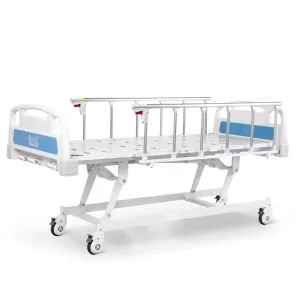
1. What is a Home Hospital Bed?
What is a Home Hospital Bed?
A home hospital bed is a specially designed bed intended for patients who require medical care at home. Unlike standard residential beds, these beds incorporate medical-grade features to ensure comfort, safety, and support for both patients and caregivers. Hengyuan Medical, for example, provides a range of home hospital beds tailored to different patient needs and living environments.
1. Key Features of a Home Hospital Bed
a. Adjustable Sections
-
Head and back elevation: Allows patients to sit up for eating, reading, or breathing comfort.
-
Leg and foot elevation: Reduces swelling, improves circulation, and enhances comfort.
-
Full height adjustment: Assists caregivers with transfers, reducing risk of back injuries.
b. Safety Features
-
Side rails: Prevent accidental falls; some are adjustable or removable.
-
Locking casters/wheels: Provide mobility when needed and stability when stationary.
-
Weight capacity: Designed to safely support patients ranging from 300 lbs to over 500 lbs for bariatric models.
c. Mattress Compatibility
-
Compatible with various mattress types: standard foam, memory foam, or specialized pressure-relief mattresses.
-
Ensures proper alignment and reduces the risk of pressure ulcers.
2. Types of Home Hospital Beds
| Type | Description | Typical Use Case |
|---|---|---|
| Standard Home Hospital Bed | Adjustable head, foot, and height, width 36″ × 80″ | Most adult patients requiring moderate care |
| Bariatric Home Hospital Bed | Wider frame (48–54″), reinforced support, higher weight capacity | Heavier patients or those needing extra comfort |
| Pediatric Home Hospital Bed | Narrower and shorter bed, safety rails | Children who require home medical care |
| Low or Semi-Electric Beds | Some adjustments manual, some electric | For patients with partial mobility needs |
| Full Electric Beds | All adjustments powered by motor | For patients requiring frequent position changes |
3. Advantages of Using a Home Hospital Bed
-
Patient Comfort – Adjustable sections allow personalized positioning for rest, treatment, and rehabilitation.
-
Caregiver Convenience – Height adjustment and mobility features reduce strain during transfers and routine care.
-
Medical Safety – Integrated safety rails, weight support, and compatibility with hospital-grade mattresses prevent injuries.
-
Space Efficiency – Designed to fit typical home rooms while allowing adequate caregiver access.
4. Technical Considerations
-
Dimensions: Standard beds are usually 36″ × 80″, with wider or longer options for bariatric or taller patients.
-
Weight Capacity: Depending on the model, home hospital beds can support 300–500 lbs or more.
-
Motor Systems: Electric beds have 1–3 motors controlling head, foot, and height.
-
Material Quality: Frames are usually steel for strength and durability; mattresses must provide firm support yet comfort.
5. Real-Life Example
Case Study:
Mr. Johnson, a 70-year-old patient recovering from hip surgery, needed a bed that allowed him to elevate his head and legs and adjust height for easier transfers. Hengyuan Medical provided a standard 36″ × 80″ electric home hospital bed. The features enabled:
-
Comfortable sleeping and sitting positions
-
Safer transfers from wheelchair to bed
-
Easy care for family members without professional nursing
6. Summary
A home hospital bed is far more than just a bed—it’s a medical support system designed for safety, comfort, and convenience. Selecting the right model involves understanding patient needs, room dimensions, weight requirements, and mattress compatibility. Hengyuan Medical offers a wide range of beds for adult, pediatric, and bariatric patients, providing a safe and comfortable home care solution.
A home hospital bed is a specialized bed designed for patients who require medical care at home. Unlike regular beds, these are adjustable, can support medical equipment, and often include features such as side rails, head and foot elevation, and mobility casters.
Hengyuan Medical home hospital beds come in standard sizes and adjustable configurations, allowing caregivers to provide optimal care without sacrificing patient comfort.
2. Standard Home Hospital Bed Sizes
Understanding the standard home hospital bed size is essential for selecting a bed that fits your space and meets patient needs.
| Feature | Standard Dimension |
|---|---|
| Bed Width | 36 inches (91 cm) |
| Bed Length | 80 inches (203 cm) |
| Mattress Thickness | 6 inches (15 cm) |
| Adjustable Width Options | 39–54 inches (99–137 cm) for bariatric models |
| Maximum Patient Weight | Up to 500 lbs (227 kg) depending on model |
Key Points:
-
Standard beds (36″ × 80″) are suitable for most adults.
-
For larger patients or additional comfort, Hengyuan Medical offers wider beds up to 54″ and extended lengths up to 84″.
-
Pediatric home hospital beds are also available, usually narrower and shorter to accommodate children.
3. Other Considerations
When researching home hospital beds, several related terms are useful for understanding your options:
-
Hospital bed dimensions – refers to the width and length of the bed.
-
Bariatric home hospital beds – wider and stronger beds for heavier patients.
-
Adjustable hospital bed dimensions – beds that allow head, foot, or overall height adjustment.
-
Pediatric home hospital beds – smaller beds for children.
-
Mattress & sheet compatibility – ensuring bed linens fit securely on medical mattresses.
-
Narrow hospital bed size – compact options for smaller rooms.
Hengyuan Medical offers a variety of options to match these specifications, ensuring that every home setup can be optimized for patient safety and comfort.
4. Mattress Compatibility for Home Hospital Beds
Mattress Compatibility for Home Hospital Beds
Selecting the right mattress is as critical as choosing the proper home hospital bed. A mattress that does not match the bed frame or patient needs can compromise comfort, safety, and medical outcomes. Hengyuan Medical provides mattresses designed specifically for home hospital beds, ensuring optimal support and compatibility.
1. Why Mattress Compatibility Matters
-
Proper Fit – The mattress must match the bed frame dimensions exactly (e.g., standard 36″ × 80″ or bariatric 48″–54″).
-
Pressure Relief – Certain patients require specialized mattresses to prevent pressure ulcers, especially those with limited mobility.
-
Durability – Hospital-grade mattresses must withstand frequent adjustments and support varying weights without sagging.
-
Safety – Incorrectly sized mattresses can slide, create gaps, or reduce side rail effectiveness.
2. Standard Mattress Dimensions for Home Hospital Beds
| Bed Type | Mattress Width | Mattress Length | Thickness |
|---|---|---|---|
| Standard Adult | 36″ | 80″ | 6″ |
| Bariatric | 48–54″ | 80–84″ | 8–12″ |
| Pediatric | 24–30″ | Custom | 4–6″ |
Notes:
-
Standard mattresses are suitable for most adults and fit standard bed frames.
-
Bariatric mattresses provide extra width, reinforced support, and higher weight capacity.
-
Pediatric mattresses are narrower and shorter, often with additional safety features.
3. Types of Mattress Materials
-
Foam Mattresses
-
Lightweight, affordable, and easy to clean.
-
Provides basic support, suitable for short-term care or lighter patients.
-
-
Memory Foam Mattresses
-
Conforms to the body, reducing pressure points.
-
Ideal for patients with limited mobility or risk of bedsores.
-
-
Innerspring Hospital Mattresses
-
Traditional coil design for firm support.
-
Often includes waterproof covers and easy-clean surfaces.
-
-
Alternating Pressure Mattresses
-
Used for patients at high risk of pressure ulcers.
-
Cycles inflation and deflation to redistribute pressure points.
-
-
Bariatric Foam or Hybrid Mattresses
-
Extra dense foam or foam + spring hybrid for heavier patients.
-
Maintains structural integrity under higher weight.
-
4. Mattress Thickness Considerations
-
Standard thickness for home hospital beds is 6 inches, which allows side rails to function properly.
-
Bariatric mattresses may be 8–12 inches thick to provide enhanced comfort and support.
-
Pediatric mattresses are 4–6 inches thick to suit smaller frames.
Tip: Always check manufacturer recommendations to ensure mattress thickness does not interfere with bed adjustability or safety rails.
5. Mattress and Bed Frame Compatibility
Key Compatibility Checks:
-
Width & Length: Mattress must match bed frame dimensions exactly.
-
Adjustability: Ensure mattress is flexible enough to bend when head, foot, or height adjustments are used.
-
Weight Capacity: Mattress must support patient weight without compressing excessively.
-
Accessories Fit: Waterproof covers, pads, and fitted sheets should match mattress size.
Hengyuan Medical offers mattresses designed to perfectly match all home hospital bed models, including standard, bariatric, and pediatric sizes, ensuring safe and secure positioning during bed adjustments.
6. Practical Example
Case Study:
Mrs. Thompson, an 82-year-old recovering from hip surgery, required a home hospital bed with pressure-relief capabilities. Hengyuan Medical provided a 36″ × 80″ memory foam mattress compatible with a standard adjustable home hospital bed.
Benefits Observed:
-
Improved patient comfort and reduced bedsores risk
-
Mattress adjusted smoothly with bed elevation
-
Side rails functioned correctly without obstruction
This demonstrates how proper mattress selection enhances both patient safety and caregiving efficiency.
7. Summary
Mattress compatibility is a crucial component of home hospital bed setup. Factors such as size, thickness, material, adjustability, and weight capacity must all be considered to ensure patient comfort, safety, and effective care. Hengyuan Medical provides mattresses engineered to meet these requirements, from standard adult to bariatric and pediatric home hospital beds.
The mattress is just as important as the bed frame. Selecting the right mattress ensures patient comfort, pressure relief, and proper alignment.
Hengyuan Medical Recommended Mattress Options:
| Mattress Type | Thickness | Compatible Bed Size | Notes |
|---|---|---|---|
| Standard Foam | 6 inches | 36″ × 80″ | Lightweight, suitable for most adult patients |
| Memory Foam | 6–8 inches | 36″ × 80″ | Pressure relief, ideal for patients with mobility issues |
| Bariatric Foam | 8–12 inches | 48″–54″ | Extra support for heavier patients |
| Pediatric Mattress | 24″–30″ width | Custom length | For pediatric patients at home |
Tip: Always ensure that sheets and bed accessories are sized correctly. Hengyuan Medical provides fitted sheets and mattress pads that match each bed size precisely.
5. How to Measure Your Home for the Bed
Before purchasing, measure your home carefully:
-
Doorways and Hallways – Make sure the bed can pass through all doorways and tight spaces.
-
Room Space – Leave enough room around the bed for caregivers to move freely.
-
Ceiling Height – For beds with full elevation functions, ensure enough clearance.
By planning ahead, you can prevent installation issues and ensure the bed fits comfortably in the intended room.
6. Choosing Between Standard, Narrow, and Bariatric Beds
-
Standard Beds (36″ × 80″) – Suitable for most adults and fits easily in most home bedrooms.
-
Narrow Beds (30″–34″) – Perfect for tight spaces or compact rooms.
-
Bariatric Beds (48″–54″) – Designed for heavier patients, provide extra width and reinforced support.
Hengyuan Medical offers all these types with high-quality construction and adjustable features, allowing families to tailor the bed to specific patient needs.
7. Practical Case Study: Home Setup with Hengyuan Medical Beds
Case Example:
Mrs. Lee, a 68-year-old patient recovering from hip surgery, required a home hospital bed in her 12′ × 10′ bedroom. Using Hengyuan Medical’s standard 36″ × 80″ adjustable bed, the caregivers could elevate her head and legs, adjust the bed height for transfers, and fit the bed easily into the room without blocking doors.
Result:
-
Improved patient comfort
-
Easier caregiving
-
Full use of room space without obstruction
This case demonstrates the importance of proper bed size selection and adjustment features.
8. Hengyuan Medical Selection Guide
Step 1: Determine Patient Needs
-
Mobility level
-
Weight and body size
-
Medical conditions requiring special support
Step 2: Evaluate Room Dimensions
-
Ensure bed fits comfortably with clearance for movement
Step 3: Choose Mattress Type
-
Foam vs Memory foam vs Bariatric options
-
Ensure compatibility with bed frame
Step 4: Consider Accessories
-
Side rails
-
Overbed tables
-
Wheel locks for safety
Conclusion
Choosing the right home hospital bed size is crucial for both patient comfort and effective caregiving. Hengyuan Medical offers a wide range of standard, bariatric, and pediatric home hospital beds, all designed to meet strict medical standards while fitting seamlessly into home environments.
By considering bed dimensions, mattress compatibility, and room space, families can ensure optimal care and safety. Proper planning and Hengyuan Medical’s expert solutions make home healthcare practical, comfortable, and efficient.
