

Why Choose a 1 Crank Manual Hospital Bed?
In healthcare facilities and homecare settings, selecting the right hospital bed is essential for patient comfort, safety, and clinical outcomes. Among the many options available, 1 crank manual hospital beds are a practical, reliable, and cost-effective solution for caregivers and medical professionals.
Unlike electric or multi-crank hospital beds, a single-crank system provides simple, manual adjustment of the backrest through a single hand crank, allowing patients to sit up or lie down comfortably without complicated mechanisms. Hengyuan Medical, a leading 1 crank manual hospital bed supplier, specializes in delivering high-quality beds designed for hospitals, clinics, rehabilitation centers, and homecare environments.
This article will provide an in-depth guide to single-crank manual hospital beds, covering features, benefits, technical specifications, case examples, and practical buying advice.
Why Choose a 1 Crank Manual Hospital Bed?
Selecting the right hospital bed is a critical decision for both healthcare facilities and homecare settings. Among the many options, a 1 crank manual hospital bed offers a unique balance of functionality, safety, and cost-effectiveness. Understanding why many institutions and caregivers prefer a single-crank system helps clarify its value.
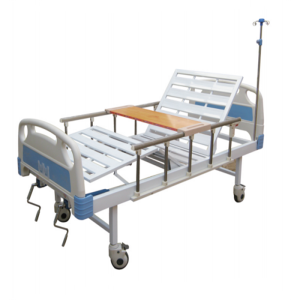
1. Simplicity and Ease of Use
The hallmark of a 1 crank manual hospital bed is its straightforward operation:
-
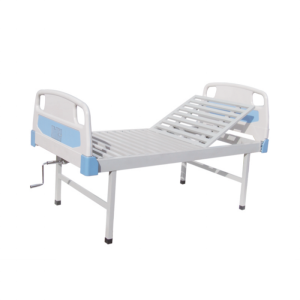
A single crank controls the bed’s backrest, allowing patients to sit upright or recline without complex mechanisms.
-
Caregivers do not need extensive training to operate the bed safely.
-
Fewer moving parts mean lower risk of mechanical failure compared to multi-crank or electric beds.
This simplicity is especially beneficial in homecare settings, rehabilitation centers, and clinics where caregivers or family members may assist patients without specialized technical knowledge.
2. Patient Comfort and Clinical Benefits
Even with a single crank, these beds provide essential patient support:
-
Positioning for Recovery: Adjustable backrest improves circulation, reduces pressure points, and enhances breathing.
-
Pressure Ulcer Prevention: When paired with pressure-relief or low-air-loss mattresses, a single-crank bed supports proper patient positioning, reducing the risk of bedsores.
-
Autonomy: Patients with mild mobility can adjust their own position, giving a sense of independence.
Clinical studies and real-world experience confirm that even minimal adjustability can significantly enhance patient comfort and overall recovery outcomes.
3. Cost-Effective Solution
One of the main reasons healthcare providers choose a 1 crank manual hospital bed is its affordability:
-
Lower upfront cost: Single-crank beds are significantly cheaper than electric or multi-crank beds.
-
Reduced maintenance expenses: No motors, fewer mechanical parts, and simpler design reduce long-term repair costs.
-
Energy independence: Unlike electric beds, these manual beds do not require electricity, making them suitable for areas with limited power availability.
This combination of low cost and high functionality makes them ideal for hospitals, clinics, nursing homes, and even private homecare setups.
4. Enhanced Safety for Patients and Caregivers
Despite its simplicity, a well-designed 1 crank manual hospital bed provides critical safety features:
-
Foldable side rails: Prevent patient falls and can be lowered for safe transfers.
-
Stable frame construction: Supports patient weight reliably, reducing the risk of structural failure.
-
Locking wheels: Allow safe mobility within the facility and secure positioning when stationary.
-
Emergency access: Manual crank allows immediate adjustment in urgent situations, without reliance on electricity or digital systems.
These features make 1 crank manual beds a trusted choice in high-traffic hospital wards as well as in homecare environments.
5. Versatility and Adaptability
A single-crank manual bed is surprisingly versatile:
-
Hospital Use: Ideal for standard wards or rehabilitation units.
-
Homecare: Compact design and simple operation make it suitable for home settings.
-
Compatibility: Supports a variety of mattresses, including foam, pressure-relief, or low-air-loss systems.
-
Durability: Steel or aluminum frames, ABS or PP headboards, and foldable side rails ensure a long lifespan.
Many Hengyuan Medical 1 crank manual beds include additional options, such as IV pole holders, adjustable footrests, and caregiver-friendly crank placement, demonstrating adaptability across different care scenarios.
6. Low Maintenance and Reliability
The mechanical simplicity of single-crank beds translates to:
-
Fewer breakdowns: No electric motors, fewer gears.
-
Easy cleaning: Smooth surfaces and simple frame design are easier to sanitize.
-
Long-term durability: Strong frame materials and high-quality crank mechanisms withstand continuous use in hospital or homecare settings.
This low-maintenance design ensures a high return on investment, particularly for facilities managing multiple beds.
7. Ideal for Budget-Conscious Facilities
In many cases, healthcare institutions face budget constraints but cannot compromise on patient care:
-
A 1 crank manual hospital bed allows facilities to maximize patient comfort and safety without high capital expenditure.
-
Bulk purchasing from reliable suppliers like Hengyuan Medical ensures consistency, quality, and ongoing support.
Conclusion
Choosing a 1 crank manual hospital bed is a strategic decision that balances patient care, caregiver efficiency, safety, and cost-effectiveness.
-
For homecare patients, it provides independence and comfort.
-
For hospitals and rehabilitation centers, it offers reliability, safety, and low maintenance.
-
When paired with appropriate mattresses, it can prevent pressure ulcers and enhance clinical outcomes.
With trusted suppliers like Hengyuan Medical, healthcare providers can access high-quality single-crank beds that meet diverse patient needs while remaining budget-friendly.
In short: simplicity does not mean compromise. A 1 crank manual hospital bed is a practical, safe, and effective solution for modern healthcare.
1. Core Features of Hengyuan Medical 1 Crank Manual Hospital Beds
Single-crank manual hospital beds may appear simple at first glance, but they incorporate essential features that enhance patient care and caregiver convenience. Here are the key features offered by Hengyuan Medical beds:
| Feature | Description |
|---|---|
| Single Crank Adjustment | Allows easy adjustment of the backrest with one hand crank, offering head and torso elevation. |
| Sturdy Steel or Aluminum Frame | Durable frame construction supports up to 150–200 kg of weight. |
| ABS or PP Head and Foot Boards | Lightweight, anti-static, and easy to clean. |
| Foldable Side Rails | Safety rails prevent patient falls and can be easily folded for caregiver access. |
| Rolling Wheels with Locks | Facilitate safe bed movement and immobilization when needed. |
| Compatibility with Mattresses | Supports standard hospital mattresses, including foam, pressure-relief, and low-air-loss types. |
These core features ensure that Hengyuan Medical 1 crank manual hospital beds are not only functional but also cost-efficient alternatives to more complex hospital beds.
2. Clinical Benefits of Single-Crank Manual Beds
Choosing the right hospital bed is not just about convenience—it directly affects patient outcomes. Hengyuan Medical’s single-crank beds offer the following clinical benefits:
-
Pressure Ulcer Prevention
-
Proper backrest adjustment reduces constant pressure on the sacrum and heels.
-
Works well with pressure-relief or alternating-pressure mattresses.
-
-
Patient Comfort and Mobility
-
Allows patients to adjust their own position with minimal caregiver assistance.
-
Supports improved sleep quality and reduces discomfort during long-term bed rest.
-
-
Safe Patient Handling
-
Foldable side rails reduce the risk of falls.
-
Rolling wheels enable easy repositioning and safe transportation within hospital wards.
-
-
Cost-Effective Care
-
Less maintenance compared to electric beds.
-
No reliance on electricity makes it ideal for clinics or homecare setups with limited resources.
-
By combining simplicity with essential functionality, Hengyuan Medical beds meet the practical and clinical needs of hospitals, nursing homes, and homecare facilities.
Clinical Benefits of Single-Crank Manual Beds
Single-crank manual hospital beds are more than just cost-effective alternatives to electric beds—they are clinically valuable tools that directly impact patient outcomes and caregiver efficiency. Let’s explore the key clinical benefits.
1. Pressure Ulcer Prevention
Pressure ulcers (bedsores) are a common risk for bedridden patients. Single-crank manual beds support patient positioning and pressure relief:
-
Adjustable Backrest: With a single crank, caregivers or patients can elevate the head and torso, reducing sustained pressure on the sacrum and heels.
-
Compatibility with Specialized Mattresses: Single-crank beds work seamlessly with foam, pressure-relief, or low-air-loss mattresses, enhancing ulcer prevention.
-
Frequent Repositioning: Caregivers can make rapid adjustments without complex mechanisms, reducing the time a patient spends in one position.
Clinical studies show that even minor positional changes facilitated by a single-crank system can significantly reduce the incidence of pressure ulcers in long-term care settings.
2. Enhanced Respiratory and Circulatory Support
Proper patient positioning can improve lung function and blood circulation:
-
Semi-Fowler Positioning: Single-crank beds allow the backrest to elevate 30–75°, promoting better respiratory function for patients with chronic obstructive pulmonary disease (COPD), pneumonia, or post-operative respiratory concerns.
-
Lower-Limb Elevation: Some single-crank beds allow foot adjustment, reducing leg edema and improving venous return.
These adjustments contribute to faster recovery, especially for post-surgical patients and elderly individuals with cardiovascular or pulmonary limitations.
3. Patient Comfort and Autonomy
Comfort is a crucial factor in patient care:
-
Patients can adjust the bed themselves if they have sufficient mobility, giving them a sense of control and dignity.
-
Reduced reliance on caregivers for minor adjustments improves patient satisfaction and reduces caregiver strain.
Even a single-crank mechanism can provide a comfortable, customizable position for reading, eating, or resting, enhancing overall well-being.
4. Safety and Fall Prevention
Single-crank manual beds incorporate multiple safety features that have direct clinical benefits:
-
Foldable Side Rails: Prevent accidental falls and injuries while allowing quick access when needed.
-
Stable Construction: Durable steel or aluminum frames support patient weight reliably, reducing risks associated with structural failure.
-
Locking Wheels: Ensure safe movement within the ward while preventing unintended bed shifts during patient care or repositioning.
By reducing falls and other accidents, single-crank beds enhance patient safety metrics, which is a key clinical priority for healthcare facilities.
5. Facilitates Caregiver Efficiency
From a clinical perspective, caregiver workflow and ergonomics are important:
-
One-Handed Adjustment: The single-crank system allows caregivers to adjust the bed without strenuous effort, reducing back strain and fatigue.
-
Rapid Access: Fewer mechanical components mean less time troubleshooting or maintaining bed functionality.
-
Integration with Standard Equipment: Compatible with IV poles, monitors, and other hospital furniture, improving workflow in patient rooms.
Efficient bed management allows caregivers to focus more on patient assessment and treatment, which is especially critical in high-volume wards.
6. Cost-Effective Clinical Solution
Although this is an economic benefit, it has clinical implications:
-
Accessible for Resource-Limited Settings: Hospitals or nursing homes with tight budgets can provide high-quality adjustable beds without compromising patient care.
-
Durability and Low Maintenance: Single-crank beds often outlast complex multi-crank or electric beds under heavy daily use.
This ensures consistent patient care quality, particularly in long-term care units or rehabilitation centers.
7. Versatility Across Clinical Environments
Single-crank manual beds are suitable for:
-
Acute Care: Short-term hospitalization where patient positioning is essential for recovery.
-
Rehabilitation Units: Facilitates physiotherapy exercises and post-surgery positioning.
-
Homecare Settings: Provides safe, adjustable support for long-term bedridden patients without requiring electricity.
Hengyuan Medical’s single-crank manual beds, for instance, integrate these features to support diverse clinical scenarios, making them a reliable choice for hospitals, clinics, and homecare providers.
Summary Table – Clinical Benefits
| Clinical Benefit | Explanation | Impact on Patient Care |
|---|---|---|
| Pressure Ulcer Prevention | Adjustable backrest + pressure-relief mattress support | Reduces bedsores risk |
| Respiratory & Circulatory Support | Semi-Fowler and leg elevation options | Enhances lung function & circulation |
| Comfort & Autonomy | Patient can adjust position independently | Improves well-being & satisfaction |
| Safety & Fall Prevention | Foldable rails, stable frame, locking wheels | Reduces accidents & injuries |
| Caregiver Efficiency | Easy single-crank operation | Reduces fatigue & improves workflow |
| Cost-Effectiveness | Durable, low-maintenance, energy-independent | Maintains care quality in budget-limited facilities |
| Versatility | Homecare, rehab, acute care settings | Adaptable for multiple patient needs |
Conclusion
From a clinical perspective, single-crank manual hospital beds provide a powerful combination of safety, comfort, and efficiency. They allow caregivers to manage patients effectively while enhancing autonomy, positioning, and recovery outcomes.
Reliable suppliers, such as Hengyuan Medical, ensure that single-crank beds are designed with durable frames, smooth crank mechanisms, foldable rails, and mattress compatibility, delivering a clinically effective solution across hospital wards, rehabilitation centers, and homecare settings.
Choosing a 1 crank manual hospital bed is not just about affordability—it’s a strategic clinical decision that maximizes patient safety, comfort, and recovery outcomes, making it an essential component of modern healthcare infrastructure.
3. Hengyuan Medical Technical Specifications
Here’s a typical specification table for Hengyuan Medical 1 crank manual hospital beds:
| Parameter | Specification |
|---|---|
| Bed Length | 2000 mm |
| Bed Width | 900 mm |
| Max Patient Weight | 150–200 kg |
| Backrest Adjustment | 0°–75° via single crank |
| Side Rails | Foldable, ABS/PP material |
| Wheels | 4 rolling casters with brakes |
| Frame Material | Cold-rolled steel or aluminum alloy |
| Mattress Type | Standard foam, pressure relief, or low air loss compatible |
| Warranty | 12 months for frame, 24 months for crank system |
This table provides a clear technical overview for decision-makers and caregivers evaluating 1 crank manual hospital beds.
4. Real Case Examples
Case 1: Rehabilitation Center
-
Patient Profile: Post-operative patients with limited mobility
-
Solution: Hengyuan Medical 1 crank manual beds with foldable side rails and standard foam mattresses
-
Outcome: Reduced need for frequent caregiver repositioning, improved patient autonomy
Case 2: Homecare Setting
-
Patient Profile: Elderly individual recovering at home
-
Solution: Single-crank manual bed with low-maintenance frame and rolling wheels
-
Outcome: Family caregivers found it easier to manage bed adjustments safely, improving patient comfort
Case 3: Hospital Ward
-
Patient Profile: Medium-risk pressure ulcer patients
-
Solution: Hengyuan Medical beds used with pressure-relief mattresses
-
Outcome: Minimized risk of bedsores while keeping costs lower than multi-crank or electric beds
5. Buying Guide – How to Choose the Right 1 Crank Manual Hospital Bed
When selecting a 1 crank manual hospital bed, consider these key factors:
-
Patient Needs
-
Weight capacity, mobility, and risk of pressure ulcers
-
-
Crank System Quality
-
Smooth operation, durable gears, and secure handle
-
-
Safety Features
-
Foldable side rails, locking wheels, and sturdy frame
-
-
Mattress Compatibility
-
Foam, pressure-relief, or low-air-loss mattresses supported
-
-
Maintenance and Durability
-
Metal frame quality, crank system warranty, ease of cleaning
-
-
Supplier Reliability
-
Hengyuan Medical provides international shipping, warranty support, and bulk supply options
-
By evaluating these criteria, healthcare providers can ensure optimal patient care, safety, and long-term value.
6. Hengyuan Medical Advantages Over Competitors
Compared to other suppliers, Hengyuan Medical distinguishes itself through:
-
High-Quality Single-Crank Mechanism: Smooth, low-noise operation with long-term durability
-
Comprehensive Safety Features: Foldable side rails, anti-slip wheels, reinforced frame
-
Affordable Pricing: Cost-effective solution for hospitals and homecare providers
-
Global Supply Capacity: Can provide large quantities with customizable specifications
These advantages make Hengyuan Medical one of the most trusted 1 crank manual hospital bed suppliers worldwide.
7. Conclusion
Hengyuan Medical 1 crank manual hospital beds provide reliable, safe, and cost-effective solutions for healthcare facilities and homecare environments.
By focusing on patient comfort, clinical benefits, technical performance, and safety, these beds offer a practical alternative to complex or expensive hospital beds. Whether for a small rehabilitation center, a homecare patient, or a hospital ward, Hengyuan Medical beds ensure quality, safety, and peace of mind for patients and caregivers alike.
If you are searching for trusted 1 crank manual hospital bed suppliers, Hengyuan Medical delivers professional solutions, technical support, and a variety of models to meet diverse clinical needs.
