

?️ Introduction: Understanding Adjustable Hospital Beds
When it comes to selecting the right bed for medical or home care purposes, understanding the differences between various types of beds is crucial. An adjustable hospital bed is specifically designed to provide comfort, support, and convenience for patients and caregivers alike. These beds offer features that cater to medical needs, such as adjustable heights, head and foot sections, and motorized controls.
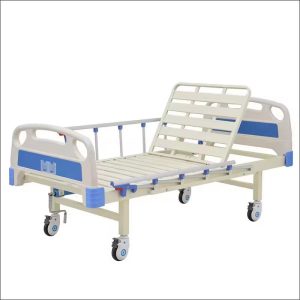
? Key Features of Adjustable Hospital Beds
Adjustability & Positioning
- Height adjustment (Hi-Lo function): Allows the bed to be raised for easier caregiver access and transfers and lowered to a safe height for patients to get in and out of bed.
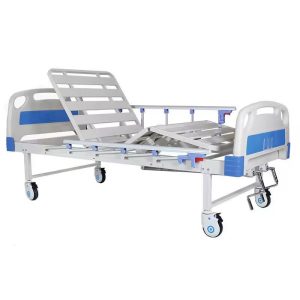
- Head and foot elevation: Enables users to sit up for activities like reading or eating, or to elevate the legs for comfort and reduced strain on the lower back.
- Preset positions: Many beds allow users to save favorite positions for easy recall.
Electronic Controls & Convenience
- Remote control: A wireless remote lets patients or caregivers easily adjust the bed’s position with simple button presses.
- Under-bed lighting: Can provide illumination for nighttime navigation or to create ambiance.
- USB ports: Offer convenient access for charging electronic devices.
- Massage and therapy features: Some high-end models include therapeutic massage options to aid relaxation and comfort.
Safety Features
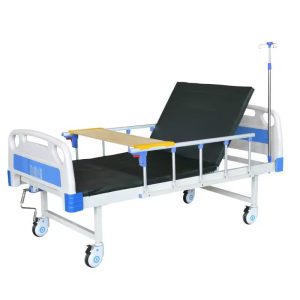
- Adjustable side rails: Provide support and help prevent patients from falling out of bed.
- Locking wheels: Allow the bed to be moved easily but securely locked into place.
- Emergency power backup: A battery backup ensures the bed can still be lowered to a flat position during a power outage.
Comfort & Ergonomics
-
Ergonomic design:
Elevating the bed to a comfortable working height reduces strain and back pain for caregivers during transfers and treatments.
-
Pressure relief:
Adjustable positions help distribute weight and prevent the development of bedsores.
-
Improved sleep quality:
Customizable positions and comfort-focused designs promote better sleep and overall well-being.
1. Adjustable Height
One of the primary features of adjustable hospital beds is their ability to change height. This adjustability allows caregivers to raise the bed to a comfortable working height, reducing the need for bending and minimizing the risk of injury. Lowering the bed can also make it safer for patients to get in and out of bed.
2. Electric and Manual Adjustments
Adjustable hospital beds come in both electric and manual versions. Electric beds offer motorized adjustments for the head, foot, and height positions, providing ease of use for both patients and caregivers. Manual beds require physical effort to adjust, which may be suitable for patients with limited mobility but can be more labor-intensive for caregivers.
3. Trendelenburg and Reverse Trendelenburg Positions
Many adjustable hospital beds offer specialized positions such as Trendelenburg and reverse Trendelenburg. These positions can be beneficial for various medical conditions, including improving circulation and aiding in respiratory function.
4. Side Rails and Safety Features
To ensure patient safety, adjustable hospital beds often come equipped with side rails that can be raised or lowered as needed. These rails help prevent falls and provide support for patients when repositioning themselves.
? Benefits of Adjustable Hospital Beds
Benefits for Patients
-
Improved Comfort & Sleep:
Patients can customize their position to find the most comfortable angle, which can alleviate discomfort from conditions like arthritis or chronic pain.
-
Enhanced Circulation:
Elevating the head or legs can improve blood flow, reducing swelling and the risk of blood clots.
-
Reduced Risk of Bedsores:
The ability to reposition patients frequently and easily helps prevent pressure ulcers by distributing weight evenly.
-
Easier Mobility & Independence:
Adjustable height and positioning features assist patients in getting in and out of bed, making them less reliant on caregivers.
-
Better Respiratory Function:
Patients can sit up to facilitate better breathing, which can help with issues like snoring, sleep apnea, or acid reflux.
-
Assistance with Daily Tasks:
Patients can easily assume positions for eating, reading, or watching TV, promoting a more active and engaged lifestyle.
Benefits for Caregivers
-
Reduced Physical Strain:
Electric controls allow caregivers to adjust the bed’s position and height without having to bend, lift, or strain, significantly reducing the risk of back injuries.
-
Safer Transfers:
The bed can be adjusted to a height ideal for transfers, making it easier and safer for patients to move to wheelchairs or walkers.
-
Easier Care:
Tasks such as repositioning patients in bed or assisting with feeding are made simpler and more efficient.
-
Increased Efficiency:By reducing the need for multiple pieces of equipment and streamlining patient care, these beds contribute to a more effective healthcare environment.
-
Enhanced Patient Comfort: Adjustable positions allow patients to find the most comfortable sleeping or resting posture, which can improve sleep quality and overall well-being.
-
Improved Caregiver Efficiency: The ability to adjust the bed’s height and positioning makes it easier for caregivers to assist patients with daily activities, reducing physical strain.
-
Versatility: These beds are suitable for various settings, including hospitals, nursing homes, and home care environments, adapting to different patient needs.
? Buying Guide: Choosing the Right Adjustable Hospital Bed
1. Assess Needs & Environment
-
Patient Needs:
Consider the user’s health condition and mobility level to determine required features like bed rails, high-low elevation, and bed exit alarms.
-
Room Space:
Ensure the bed will fit comfortably in the room, allowing for easy caregiver access and movement.
2. Choose a Bed Type & Adjustability
-
Manual Beds:
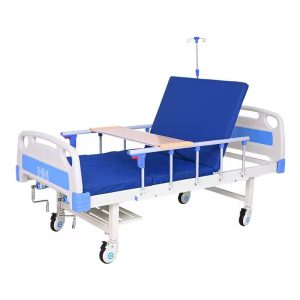
Require physical effort to adjust the head or foot, typically by hand cranks.
-
Semi-Electric Beds:
Use a remote to adjust the head and foot sections, but the height may be fixed or adjusted manually.
-
Fully Electric Beds:
Offer push-button controls to adjust the head, foot, and overall bed height.
3. Consider Essential Features
-
Weight Capacity:
Crucial for safety; the bed must support the user’s weight without collapsing.
-
Side Rails:
Provide safety for users at risk of falling, particularly those with seizures or mobility issues.
-
Remote Control:
A programmable remote allows users and caregivers to save and recall custom positions for convenience and comfort.
-
Mobility & Locking Wheels:
Essential for moving the bed between rooms or for cleaning, with secure locking mechanisms for stability.
4. Select Compatible Accessories & Styles
-
Mattress:
Ensure the mattress is compatible with the adjustable frame and provides the necessary comfort.
-
Headboard & Footboard:
Choose a style and finish that complements your home decor, as various options are available.
-
Add-ons:
Consider optional features like trapeze bars, overbed tables, or IV poles if they meet the user’s needs.
5. Factor in the Budget and Warranty
-
Budget:Hospital beds are an investment; establish a budget to help narrow down your choices.
-
Warranty:A good warranty provides peace of mind and protection against potential defects.
When selecting an adjustable hospital bed, consider the following factors:
-
Patient’s Medical Needs: Assess the patient’s specific medical conditions and requirements to determine the necessary features.
-
Bed Size and Dimensions: Ensure the bed fits comfortably in the intended space and accommodates the patient’s size.
-
Weight Capacity: Check the bed’s weight capacity to ensure it can safely support the patient.
-
Ease of Use: Consider whether an electric or manual bed is more suitable based on caregiver capabilities and patient needs.
-
Budget: Adjustable hospital beds come in a range of prices; determine your budget and find a bed that meets your needs within that range.
?️ Recommended Brands and Models
While there are various manufacturers offering adjustable hospital beds, it’s essential to choose a reputable brand known for quality and reliability. Henyuan Medical is one such brand that provides a range of adjustable hospital beds designed to meet diverse patient needs.
? Technical Specifications Comparison
| Feature | Henyuan Medical Model A | Henyuan Medical Model B | Competitor Model C |
|---|---|---|---|
| Adjustable Height | Yes | Yes | Yes |
| Electric Adjustments | Yes | No | Yes |
| Trendelenburg | Yes | Yes | No |
| Side Rails | Yes | Yes | Yes |
| Weight Capacity | 250 lbs | 300 lbs | 275 lbs |
? Applications of the Adjustable Hospital Beds
Applications for Patients
-
Improved Respiratory Function:
Elevating the head of the bed can make it easier for patients to breathe, which is especially beneficial for those with COPD.
-
Reduced Pressure Sores:
Frequent repositioning by elevating the feet or head helps to reduce pressure on different parts of the body, which can prevent the formation of bedsores.
-
Better Circulation:
Elevating the legs can improve circulation and help reduce leg swelling (edema).
-
Aiding Digestion and Acid Reflux:
Sitting up helps with digestion and makes eating in bed easier, while Reverse Trendelenburg can alleviate symptoms of acid reflux.
-
Support During Recovery:
The ability to sit up or recline helps patients with limited mobility to be more comfortable and free to move, assisting in recovery from illness or injury.
-
Trendelenburg Position:
For certain conditions or post-surgical recovery, tilting the bed can help improve blood flow and support the circulatory system.
Applications for Caregivers
-
Enhanced Transfer Safety:
Beds can be lowered to a safe height, making it easier for patients to transfer into a wheelchair or for caregivers to assist them, reducing the risk of falls.
-
Easier Daily Care Tasks:
Height adjustment allows caregivers to perform tasks like changing linens, bathing, or administering treatments with less physical strain.
-
Increased Efficiency:
Adjustments can be made quickly, whether with electric controls or manual cranks, improving the efficiency of care delivery.
Broader Applications
-
Long-Term Home Care:
Home hospital beds provide a way for patients to receive essential clinical care in their own familiar environment, promoting independence and quality of life.
-
Aesthetic Integration:
Modern adjustable beds are designed to be less clinical in appearance, integrating more seamlessly into a home’s decor than traditional hospital beds.
-
Bariatric Care:
Specialized hospital beds can accommodate bariatric patients, providing the necessary support and adjustability for larger individuals.
-
Smart Technology Integration:Advanced smart beds can integrate sensors for real-time monitoring of vital signs and patient movement, providing data and alerts to caregivers.
Case Study 1: Home Care for Elderly Patients
Mrs. Smith, an 80-year-old patient with limited mobility, required a bed that would allow her to adjust her position easily. After consulting with her healthcare provider, she chose Henyuan Medical’s Model A, which offered electric adjustments and Trendelenburg positioning. This bed provided her with the comfort and support needed for daily activities and improved her quality of life.
Case Study 2: Post-Surgical Recovery
Mr. Johnson underwent knee surgery and needed a bed that could facilitate his recovery. He selected Henyuan Medical’s Model B, which offered manual adjustments and a higher weight capacity. The bed’s features allowed him to reposition himself comfortably, aiding in his rehabilitation process.
? Conclusion
Choosing the right adjustable hospital bed is a significant decision that impacts patient comfort and caregiver efficiency. By considering factors such as medical needs, bed features, and reputable brands like Henyuan Medical, you can select a bed that best suits the individual’s requirements. Remember to consult with healthcare professionals to ensure the chosen bed aligns with the patient’s specific needs.
