

Air Bed After Operation — Complete Guide by HENYUAN Medical
Recovering after surgery requires careful attention to comfort, mobility, and safety. One critical yet often overlooked solution for postoperative care is an air bed after operation. These specialized airbeds are designed to reduce pressure, improve blood circulation, prevent bedsores, and enhance overall recovery for patients in hospitals, rehabilitation centers, or home care.
HENYUAN Medical offers a range of high-quality airbeds that combine comfort, functionality, and medical-grade reliability, ensuring patients experience optimal recovery.
This comprehensive guide covers the benefits, technology, real-world applications, technical specifications, and a detailed buying guide for HENYUAN Medical air beds.
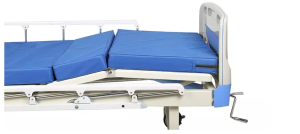
⚙️ 1. Understanding Air Beds After Operation
After surgery, air beds are used to prevent pressure sores, improve comfort, and aid circulation for patients with limited mobility. These dynamic mattresses use alternating air cells to shift pressure from one point to another, which reduces the risk of injury and promotes healing. Some models offer additional features like “sitting mode” and automatic pressure adjustments based on user weight, while others use low air loss to keep skin dry and cool.
Benefits of using an air bed after surgery
- Pressure sore prevention: The primary function is to redistribute pressure away from bony areas, preventing the skin breakdown that can occur when a patient is immobile.
- Improved circulation: The constant, gentle shifting of pressure helps improve blood flow to the skin and underlying tissues.
- Increased comfort: Air beds can make recovery more comfortable by providing a supportive surface that conforms to the body and reduces pain.
- Reduced risk of complications: By preventing pressure sores and improving circulation, air beds help reduce the risk of serious health problems like infection.
Types of air beds and their features
- Alternating pressure mattresses: These are the most common type for post-operative care. They work by inflating and deflating different sets of air cells in a cycle to constantly change the pressure points.
- Low air loss mattresses: These systems allow air to flow up through the mattress, helping to keep the patient’s skin cool and dry.
- Air fluidised beds: These are filled with tiny silicone beads that are fluidized by a stream of air, creating a fluid-like environment that provides total immersion and pressure relief.
An air bed after operation is designed to support patients during the critical postoperative period. Its primary functions include:
-
Pressure Relief: Reduces localized pressure points that can cause bedsores
-
Airflow Circulation: Promotes better blood flow, supporting healing and reducing swelling
-
Alternating Pressure: Rotates pressure zones to prevent skin breakdown
-
Patient Comfort: Provides soft, adjustable support for restful sleep
HENYUAN Medical air beds incorporate all these functions with durable, easy-to-clean materials suitable for hospitals, clinics, and home care environments.
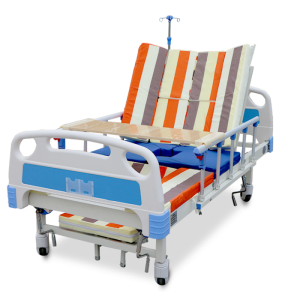
? 2. Types of Postoperative Air Beds
Alternating pressure mattresses
- Mechanism: A pump continuously inflates and deflates alternating air chambers within the mattress, typically every 6 to 12 minutes. This movement prevents constant pressure on any single area.
- Best for: Postoperative patients who are immobilized and at risk for developing pressure ulcers, particularly in early stages.
- Variations: These systems can be full mattress replacements or overlays that are placed on top of a standard hospital mattress. Some models include a “static” mode to temporarily stop the inflation cycle for patient transfers or hygiene.
Low air loss mattresses
- Mechanism: Continuous air flowing through the mattress surface wicks away moisture and controls the microclimate around the skin. This is particularly useful for patients with a high risk of skin breakdown from excessive moisture.
- Best for: Patients with hypersensitive skin, those who are prone to sweating, or individuals who cannot tolerate the movement of an alternating pressure mattress.
- Hybrid models: Many advanced mattresses offer both alternating pressure and low air loss therapies in one system for comprehensive pressure and moisture management.
Air-fluidized beds
- Mechanism: These beds are filled with silicone-coated ceramic beads through which temperature-controlled, pressurized air is forced. This creates a fluid-like state, causing the patient to “float” and evenly distributing their body weight over a large surface area.
- Best for: Patients with existing severe pressure ulcers (Stage 3 or 4), grafts, flaps, or extensive burns.
- Considerations: Due to their weight (over 1,600 pounds), high cost, and the potential for patient dehydration from the warm airflow, these beds are typically used in clinical settings rather than home care.
Combination and hybrid systems
- Alternating pressure with low air loss: Provides both pressure redistribution and moisture control to promote healing and prevent skin breakdown.
- Lateral rotation: Incorporates air bladders that can automatically turn the patient from side to side, which further assists with pressure relief and circulation.
- Gel-air mattresses: Feature a combination of air bladders and gel-filled sections. The gel conforms to the body and offers additional pressure relief, while the air chambers provide support.
Considerations for choosing a postoperative air bed
- Risk level: The patient’s risk of developing new pressure ulcers.
- Wound stage: The severity of any existing pressure ulcers.
- Skin condition: The sensitivity and moisture level of the skin.
- Mobility: The patient’s ability to reposition themselves.
- Weight: Bariatric patients require specialized, heavy-duty air mattresses.
- Budget: Costs can vary significantly, with basic overlays being much less expensive than advanced full-replacement systems or air-fluidized beds.
| Type | Functionality | Ideal Use |
|---|---|---|
| Alternating Pressure Air Mattress | Cycles air cells to redistribute pressure | Postoperative patients, pressure sore prevention |
| Low Air Loss Mattress | Continuous airflow to keep skin dry | Patients at risk of moisture-related skin breakdown |
| Inflatable Recovery Bed | Adjustable firmness and height | Home or outpatient postoperative care |
| Airflow Mattress | Promotes blood circulation and reduces swelling | General postoperative support |
HENYUAN Medical provides both electric and manual models, offering precise pressure adjustment for individual patient needs.
? 3. Key Benefits of HENYUAN Medical Air Beds
-
Pressure Ulcer Prevention: Alternating pressure and low air loss systems minimize risk
-
Enhanced Blood Circulation: Airflow mattresses improve oxygen and nutrient delivery to tissues
-
Postoperative Recovery Support: Reduces pain and accelerates healing
-
Customizable Comfort: Adjustable firmness and positioning options
-
Ease of Maintenance: Medical-grade, easy-to-clean surfaces
-
Durable Construction: Sturdy frames and high-quality materials ensure long-term use
? 4. Technical Specifications Overview
| Specification | Standard | Description |
|---|---|---|
| Dimensions | 36” × 80” standard | Fits most hospital and home beds |
| Weight Capacity | 300–450 lbs | Suitable for a wide range of patients |
| Air Cells | 18–22 adjustable cells | Alternating pressure to relieve stress points |
| Air Flow Rate | 5–10 L/min | Ensures continuous airflow and comfort |
| Material | TPU/PVC medical-grade | Durable, waterproof, easy to clean |
| Power Source | Electric pump with manual override | For continuous or alternating pressure modes |
| Warranty | 3 years | HENYUAN Medical quality assurance |
? 5. Real-World Use Cases
Case 1: Post-Abdominal Surgery Recovery
A hospital in the U.S. integrated HENYUAN Medical alternating pressure air mattresses for post-abdominal surgery patients. Nurses reported fewer cases of bedsores, and patients experienced more restful sleep with reduced discomfort.
Case 2: Home Care for Elderly Patients
An 82-year-old recovering from hip replacement used a HENYUAN airflow mattress at home. The adjustable pressure system and airflow technology helped reduce swelling and pain, allowing the patient to participate in physical therapy earlier.
Case 3: Bariatric Surgery Recovery
Patients recovering from bariatric surgery benefited from HENYUAN low air loss mattresses. Continuous airflow kept skin dry and prevented moisture-related skin issues, ensuring safe and comfortable recovery.
? 6. Buying Guide: Choosing the Right Air Bed After Operation
Factors to consider
Type of medical air mattress
- Alternating pressure mattresses: These have a series of air cells that automatically inflate and deflate in a timed cycle to redistribute pressure across the body. This enhances blood circulation and is crucial for patients with limited mobility or a high risk of bedsores.
- Low air loss mattresses: These systems use tiny holes in the air cells to gently release air, which keeps the skin cool and dry. This manages heat and moisture, which is especially important for patients who experience excessive sweating or have moisture-related skin conditions.
- Combination mattresses: Many advanced mattresses combine both alternating pressure and low air loss technologies. These offer both pressure redistribution and moisture management and are best for patients with advanced pressure ulcers or complex wound care needs.
- Lateral rotation mattresses: These are used for patients who are completely immobile. They automatically rotate the person from side to side to stimulate circulation and help prevent pulmonary issues like pneumonia.
Therapeutic benefits
- Pressure relief: The primary benefit of a medical air mattress is its ability to evenly distribute a patient’s weight, which significantly reduces pressure on vulnerable areas like the hips, heels, and tailbone.
- Improved blood circulation: By regularly shifting pressure points, these beds promote better blood flow, which is essential for healing and preventing complications like deep vein thrombosis (DVT).
- Moisture control: Low air loss technology prevents moisture buildup and keeps the skin dry. A dry, cool environment is essential for maintaining healthy skin and preventing skin breakdown.
Mattress specifications
- Size and fit: Ensure the air mattress fits your bed frame properly. Medical mattresses are designed to fit standard hospital and home care beds, with bariatric options available for heavier patients.
- Weight capacity: Check that the mattress can safely support the patient’s weight. Bariatric air mattresses are specifically designed for heavier individuals with weight capacities of up to 1,000 lbs.
- Noise level: The sound of the electric pump can be a major factor in patient comfort. Look for models with a quiet pump to ensure a restful environment.
- Ease of cleaning: For hygienic purposes, choose a mattress with a waterproof, antimicrobial, and easy-to-clean cover.
- Ease of use: Look for a system with user-friendly controls, especially if the patient will be able to make adjustments on their own.
Questions to ask before you buy
- What is the patient’s mobility level? For those who can shift positions independently, a simple alternating pressure mattress may be sufficient. Immobile patients will need a more advanced system with lateral rotation or a combination of features.
- How long will the bed be needed? Consider the expected duration of the recovery. More durable and sophisticated systems are a better investment for long-term care.
- Is the patient at risk for pressure ulcers or other skin issues? If so, prioritize features like alternating pressure and low air loss.
- Will the mattress be used on a hospital bed frame? Measure your bed frame to ensure compatibility, as many medical air mattresses are designed specifically for these frames.
-
Assess Patient Needs:
-
High risk of bedsores → Alternating pressure mattress
-
Moisture-prone skin → Low air loss mattress
-
Home recovery → Adjustable inflatable bed
-
-
Check Room Compatibility:
-
Measure bed frame size and ceiling height
-
Ensure pump and power source accessibility
-
-
Safety & Comfort Features:
-
Anti-slip base, patient side rails, secure air hoses
-
Adjustable firmness and multiple pressure settings
-
-
Maintenance Considerations:
-
Easy-clean, waterproof surfaces
-
Replaceable air cells and pumps for long-term use
-
-
Budget & Warranty:
-
HENYUAN Medical air beds provide long-term durability at reasonable cost
-
3-year warranty ensures quality assurance
-
? 7. Air Bed After Operation: Best Practices
-
Alternate positions regularly if manual adjustment is required
-
Monitor pressure points and skin condition daily
-
Use with recommended bed sheets and covers for hygiene
-
Follow pump maintenance guidelines to ensure consistent performance
✅ 8. Why Choose HENYUAN Medical Air Beds
HENYUAN Medical air beds provide:
-
Comprehensive pressure management and airflow technology
-
Adjustable alternating pressure systems for all postoperative patients
-
Durable, medical-grade materials for hospitals, rehab centers, and home care
-
Customizable settings for comfort, safety, and skin protection
-
Cost-effective and reliable solution for postoperative recovery
Investing in a HENYUAN Medical air bed after operation ensures better recovery, reduced complications, and enhanced patient comfort.
