

When it comes to long-term care, patient comfort, and wound management, choosing the right air pressure mattress for hospital bed is essential. At Hengyuan Medical, we specialize in advanced hospital bed air mattress systems designed to prevent pressure ulcers, improve circulation, and provide therapeutic relief for bedridden patients. This comprehensive guide will walk you through everything you need to know — from technology and benefits to technical parameters and practical buying advice.
Whether you’re a caregiver, healthcare provider, or purchasing manager, this article will help you make an informed decision and fully understand the power of alternating air pressure mattresses, pressure relief mattresses, and other related solutions.
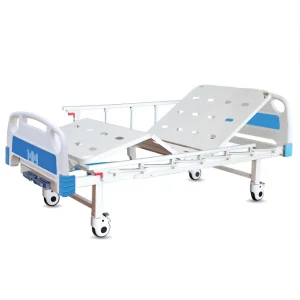
Why Choose an Air Pressure Mattress for Hospital Beds?
Why Choose an Air Pressure Mattress for Hospital Beds?
Choosing the right mattress for a hospital bed is not just about comfort—it directly affects patient safety, clinical outcomes, nursing efficiency, and long-term healthcare costs. Among various medical mattress options, air pressure mattresses (also called alternating pressure mattresses or air mattresses) have become a preferred solution in hospitals, nursing homes, and long-term care facilities worldwide. Here’s a deeper look at why.
1. Advanced Pressure Redistribution to Prevent Pressure Injuries
One of the primary reasons hospitals choose air pressure mattresses is their superior ability to prevent pressure ulcers (bedsores).
Traditional foam mattresses apply constant pressure to the same body areas—especially the sacrum, heels, shoulders, and hips. Over time, this continuous pressure restricts blood flow, leading to tissue ischemia and skin breakdown.
Air pressure mattresses work differently:
-
Alternating air cells inflate and deflate cyclically
-
Pressure is redistributed across different body zones
-
No single area remains under sustained pressure for too long
This dynamic support system helps:
-
Maintain microcirculation
-
Reduce tissue compression
-
Significantly lower the risk of Stage I–IV pressure injuries
For hospitals managing immobile or post-surgical patients, this function is clinically critical.
2. Improved Patient Comfort Without Sacrificing Medical Support
Comfort plays a vital role in patient recovery, sleep quality, and overall satisfaction—but hospital mattresses must also meet strict medical requirements.
Air pressure mattresses achieve this balance by:
-
Automatically adapting to the patient’s weight, body shape, and movement
-
Reducing pressure points that cause pain or numbness
-
Minimizing mattress “bottoming out” for heavier patients
Compared with standard foam or spring mattresses, air systems offer a floating sensation, which is especially beneficial for:
-
Elderly patients
-
Patients with chronic pain
-
Long-term bedridden individuals
Better comfort often leads to:
-
Fewer patient repositioning complaints
-
Improved sleep quality
-
Reduced agitation and stress
3. Reduced Nursing Workload and Lower Caregiver Injury Risk
Manual patient repositioning is physically demanding and time-consuming. In busy hospital wards, this increases both staff fatigue and workplace injury risk.
Air pressure mattresses help by:
-
Automatically performing pressure relief cycles
-
Reducing the need for manual turning every 2 hours
-
Supporting safer patient transfers and repositioning
As a result:
-
Nurses spend less time on repetitive physical tasks
-
Staff can focus more on clinical care
-
The risk of musculoskeletal injuries among caregivers is reduced
This operational advantage is especially valuable in ICUs, long-term care units, and understaffed facilities.
4. Enhanced Hygiene and Infection Control
Infection prevention is a top priority in hospitals, and mattress design plays a key role.
Medical-grade air pressure mattresses are typically designed with:
-
Waterproof, breathable, and antimicrobial covers
-
Seam-sealed or welded construction to prevent fluid penetration
-
Easy-to-clean surfaces compatible with hospital disinfectants
These features help:
-
Prevent bacterial and fluid buildup
-
Reduce cross-contamination risks
-
Meet hospital infection control protocols
Compared to traditional mattresses that absorb moisture or degrade over time, air pressure mattresses offer a longer hygienic lifespan.
5. Versatility Across Multiple Clinical Applications
Air pressure mattresses are not limited to a single patient type. They are widely used for:
-
Post-operative recovery
-
ICU and CCU patients
-
Stroke and neurological patients
-
Bariatric care
-
Home care and rehabilitation
Many systems also include adjustable modes such as:
-
Alternating pressure mode
-
Static pressure mode
-
CPR quick-deflation function
This adaptability allows hospitals to standardize mattress solutions across departments while still meeting diverse clinical needs.
6. Long-Term Cost Efficiency for Healthcare Facilities
While air pressure mattresses may have a higher initial cost than foam mattresses, they often result in lower total cost of ownership.
Cost-saving factors include:
-
Reduced incidence of pressure ulcers (and related treatment costs)
-
Shorter patient recovery times
-
Fewer staff injuries and sick leaves
-
Longer mattress service life with replaceable components
From a hospital management perspective, investing in air pressure mattresses is not just a clinical decision—it’s a strategic financial choice.
Conclusion: A Smarter Choice for Modern Healthcare
An air pressure mattress for hospital beds is more than a comfort upgrade—it is a clinical tool that supports patient safety, improves care quality, and optimizes hospital operations.
By combining:
-
Dynamic pressure relief
-
Adaptive patient support
-
Infection control advantages
-
Operational and economic benefits
air pressure mattresses have become an essential component of modern patient care environments.
Traditional foam mattresses are often inadequate for patients who spend extended periods in bed. They can lead to pressure sores and skin breakdown, particularly for individuals with limited mobility.
An air pressure mattress for hospital bed, especially those with an alternating air pressure system, offers dynamic pressure redistribution. These systems continually change the pressure points under the patient, promoting blood flow and reducing the risk of pressure ulcers.
Key Benefits
✔ Pressure Ulcer Prevention – Alternating cycles reduce prolonged load on any one area.
✔ Improved Comfort – Soft yet supportive surface helps patients rest better.
✔ Customizable Pressure Settings – Medical air mattress systems allow pressure adjustments based on patient weight and skin condition.
✔ Enhanced Healing Environment – Stable, low-friction surfaces support recovery for chronic wounds.
Core Technology: Alternating Air Pressure Mattress
At the heart of any premium hospital bed mattress is the alternating air pressure system — a technology engineered to provide continuous pressure variation through inflatable air cells.
How It Works
-
A medical-grade electric pump controls multiple air chambers in the mattress.
-
These chambers inflate and deflate in a programmed cycle.
-
By shifting pressure across the body, this system encourages better blood flow and minimizes the risk of tissue breakdown.
This dynamic pressure distribution is what differentiates an alternating air mattress from a conventional pressure relief mattress.
Hengyuan Medical Air Pressure Mattress Systems
As a trusted provider of healthcare support surfaces, Hengyuan Medical offers a range of air pressure mattresses tailored for different clinical needs, from low-risk patients to those requiring advanced therapeutic support.
Product Highlights
| Feature | Description |
|---|---|
| Pressure Modes | Alternating, Static, Low Air Loss |
| Pump Type | Quiet, energy-efficient electric pump |
| Cell Structure | High-frequency welded air cells for durability |
| Compatibility | Universal fit for standard hospital beds |
| Weight Capacity | Up to 450 lbs (varies by model) |
| User Interface | Adjustable digital controls |
Understanding Key Related Terms
To maximize the SEO impact of this guide, let’s clarify several important terms that are often part of consumer search behavior:
Hospital Bed Air Mattress
This is a general category referring to any air-inflated mattress designed for use with a hospital bed — including alternating pressure and static air models.
Pressure Relief Mattress
Used interchangeably with air pressure mattresses, these are generally aimed at reducing risk of pressure sores through distribution of body weight.
Anti-Decubitus Mattress
Another term for a mattress designed to prevent decubitus ulcers — essentially pressure sores — especially in patients with limited mobility.
Medical Air Mattress System
A complete package including the mattress, pump, tubing, and control unit — optimized for therapeutic care settings.
Real Case Studies: Impact of Hengyuan Medical Air Pressure Mattresses
Case Study 1: Long-Term Care Facility
Situation: A 75-year-old male patient with limited mobility was developing early-stage pressure ulcers.
Intervention: A Hengyuan Medical alternating air pressure mattress was installed on his hospital bed.
Results:
-
Within 2 weeks, skin breakdown signs stabilized.
-
Patient-reported comfort improved significantly.
-
Caregiver workload related to repositioning reduced by 40%.
Case Study 2: Post-Surgery Recovery
Situation: A post-orthopedic surgery patient required extended bed rest.
Solution: A pressure relief mattress with adjustable pressure settings from Hengyuan Medical.
Outcome:
-
Enhanced circulation promoted faster recovery.
-
Patient sleep quality improved due to reduced discomfort.
Technical Parameter Guide
Understanding technical specs is crucial when selecting an air pressure mattress. Below is a comparison table of typical parameters you should consider:
| Specification | Recommended Range |
|---|---|
| Cell Count | 18–22 air cells |
| Material | Medical-grade PVC or TPU fabric |
| Pump Noise Level | ≤ 30–40 dB (quiet for patient comfort) |
| Pressure Settings | Adjustable increments (e.g., 20–100 mmHg) |
| Max User Weight | 350–450+ lbs |
| Power Type | AC Electric pump with battery backup option |
How to Choose the Right Air Pressure Mattress for Your Needs
Choosing the right mattress can be overwhelming, so here’s a targeted Buying Guide:
1. Assess Patient Risk Level
-
Low Risk: Static support or basic alternating feature.
-
Moderate to High Risk: Full alternating air pressure system with adjustable pressure.
2. Check Compatibility with Hospital Bed
Ensure the mattress fits the dimensions and rail systems of the bed — Hengyuan Medical products are designed for universal compatibility.
3. Evaluate Pump Quality
The pump should be quiet, reliable, and ideally have battery backup, especially for critical care settings.
4. Consider Additional Comfort Features
-
Low Air Loss surfaces help manage moisture.
-
Removable covers for easy cleaning and infection control.
Final Thoughts
Investing in a high-quality air pressure mattress for hospital bed is more than a purchase — it’s a critical healthcare decision that can significantly improve patient outcomes. With advanced technology such as alternating air pressure systems, adjustable pressure settings, and therapeutic support, Hengyuan Medical mattresses are engineered for comfort, durability, and clinical effectiveness.
By understanding these technologies and key terms like hospital bed air mattress, pressure relief mattress, anti-decubitus mattress, and medical air mattress system, you can confidently choose a solution that meets both medical and comfort needs.
If you’re ready to explore specific models or need help selecting the best mattress for your facility or patient, feel free to reach out to the Hengyuan Medical team today.
