

Bariatric Hospital Beds: Professional Insights from Henyuan Medical
In modern healthcare settings, bariatric patients require specialized support that standard hospital beds cannot provide. A bariatric hospital bed is designed for patients with higher body weight, offering enhanced structural support, safety features, and patient comfort. Henyuan Medical has developed a range of bariatric beds that address these needs while optimizing caregiver workflow and minimizing the risk of injury.
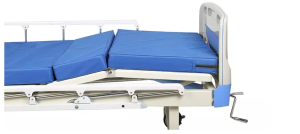
Defining Bariatric Hospital Beds
Bariatric hospital beds are specialized medical beds with a reinforced, heavy-duty frame and wider sleeping surface designed to support patients with obesity or who are significantly overweight. Unlike standard hospital beds, which have lower weight capacities and standard widths, bariatric beds are built to withstand higher loads, typically ranging from 600 to 1,000 pounds or more, while offering enhanced comfort, safety, and convenience for both the patient and caregiver.
-
Higher Weight Capacity:
Bariatric beds are engineered with strong, reinforced frames and motors to safely support heavier patients, unlike standard beds which may only hold 350-450 pounds.
-
Wider and Longer Sleeping Surface:
They provide significantly more space than standard hospital beds, often featuring adjustable widths that can expand to accommodate larger body sizes.
-
Sturdy Construction:
Built with robust materials, such as heavy-duty steel, these beds are designed for stability and to prevent structural failure even under heavy use.
-
Enhanced Safety Features:
Many models include features like sturdy side rails for fall prevention and adjustable heights for easier and safer patient care and repositioning.
-
Adjustable Positioning:
Bariatric beds are often “profiling” or “positioning” beds, allowing for adjustable head, foot, and height positions to improve patient comfort, circulation, and facilitate care tasks.
-
Durable Mattresses:
They are typically paired with thicker, sturdier mattresses designed to provide adequate support and pressure relief for heavier individuals.
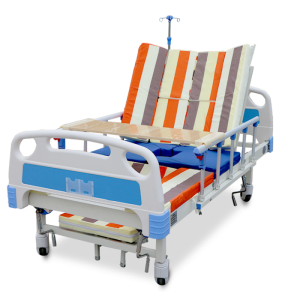
Bariatric beds are heavy-duty, extra-wide hospital beds capable of supporting patients up to 600–800 pounds, depending on the model. Unlike standard beds, these units are engineered to accommodate larger body types safely while providing essential adjustability features. Key differentiators include:
-
Enhanced weight capacity: Reinforced frames and durable materials prevent structural failure.
-
Adjustability: Electric or manual mechanisms allow precise backrest, leg rest, and overall height adjustments.
-
Safety integration: Side rails, anti-slip surfaces, and fall-prevention mechanisms improve patient safety.
-
Accessory compatibility: Designed to support overbed tables, IV poles, pressure-relief mattresses, and patient lifts.
Clinical and Operational Benefits
Bariatric hospital beds offer significant clinical benefits by providing enhanced patient safety, comfort, and pressure redistribution, which helps prevent pressure ulcers. For operational benefits, these beds improve caregiver efficiency by reducing physical strain during patient handling and transfers, increasing overall staff safety, and ensuring the durability and stability needed to meet healthcare regulations and the demands of caring for larger patients.
-
Enhanced Patient Comfort:
Wider beds and pressure-redistributing mattresses reduce pressure points and provide a more comfortable, stable sleeping surface, leading to better rest.
-
Increased Safety & Stability:
Reinforced frames, higher weight capacities, and heavy-duty construction prevent bed failure and patient falls, crucial for bariatric individuals.
-
Pressure Ulcer Prevention:
Specialized mattresses and the ability to adjust patient position effectively distribute weight, preventing the development of pressure sores and improving circulation.
-
Improved Mobility and Transfers:
Adjustable bed heights, headrests, and footrests make it easier for patients to get in and out of bed and for caregivers to reposition them safely.
-
Reduced Caregiver Strain:
Electronic controls for bed adjustment and features like heavy-duty motors minimize the need for manual lifting and force, lowering the risk of back injuries for staff.
-
Greater Efficiency:
Streamlined daily tasks, from repositioning to transfers, save time and effort for healthcare professionals, contributing to overall treatment efficiency.
-
Increased Durability:
High-quality materials and robust construction ensure bariatric beds withstand heavy, frequent use, offering a long-term, reliable investment.
-
Regulatory Compliance:Bariatric beds help facilities meet safety regulations and standards for caring for bariatric patients, with outcomes showing decreases in patient falls and caregiver injuries, notes LinkedIn.
Henyuan Medical bariatric beds provide measurable benefits in both clinical and home care environments:
-
Patient Safety and Comfort: Extra-wide sleeping surfaces and pressure-relief mattresses reduce the risk of pressure injuries and improve sleep quality.
-
Improved Caregiver Efficiency: Height-adjustable beds and ergonomic features reduce caregiver strain and facilitate patient transfers.
-
Durability and Reliability: Heavy-duty steel construction ensures long-term performance in high-utilization hospital environments.
-
Risk Mitigation: Robust safety features and accessory integration reduce incidents of falls and caregiver injury.
Case Study: At a rehabilitation hospital in California, Henyuan Medical’s bariatric beds supported patients weighing up to 700 lbs. Staff reported a 40% reduction in musculoskeletal strain, while patients demonstrated improved mobility and comfort during prolonged recovery periods.
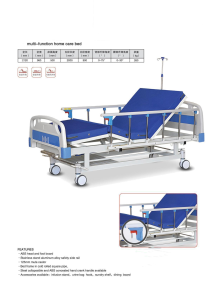
Technical Specifications
Selecting an appropriate bariatric bed requires careful evaluation of technical parameters. Henyuan Medical provides a spectrum of models to address different clinical needs:
| Model | Weight Capacity | Bed Width | Height Range | Power Type | Key Features |
|---|---|---|---|---|---|
| HM-BB600 | 600 lbs | 42 in | 16–28 in | Electric | Adjustable backrest, side rails, IV compatible |
| HM-BB750 | 750 lbs | 48 in | 15–30 in | Electric/Manual | Reinforced frame, overbed table support |
| HM-BB800 | 800 lbs | 48 in | 18–32 in | Electric | Extra-wide, enhanced caregiver access |
These specifications allow clinicians and facility managers to match bed capabilities with patient needs, room dimensions, and caregiver workflow requirements.
Accessory Integration
- Integrated patient weighing: On-board scales allow caregivers to weigh patients without having to move them, which is crucial for managing conditions like heart failure or monitoring nutrition.
- Out-of-bed detection and alarms: Integrated sensors detect when a patient exits the bed and send alerts to a nurse’s station, smartphone, or tablet. This is a critical fall prevention measure for at-risk patients.
- Bed exit side view lights: Lights on the side of the bed turn on when a patient begins to exit, providing illumination and alerting staff.
- Connectivity interfaces: Centralized control systems, like the LINAK OpenBus, allow accessories to function together seamlessly and connect to hospital information systems for coordinated care.
- Heavy-duty trapeze bars: These sturdy overhead bars attach to the bed frame or are free-standing with a base. They allow patients to reposition themselves, sit up, or assist with transfers.
- Durable side rails: Bariatric side rails are reinforced to withstand more pressure and can include padded bumper covers to protect the patient. Some are multi-positional or collapsible.
- Width and length expansion kits: Integrated extensions for the bed frame and mattress allow the bed’s surface to be adjusted to accommodate different patient sizes without requiring separate equipment.
- Integrated assist rails: Rails built into the bed frame provide stable support for patients getting in and out of bed.
- Mattress integration: Specialized mattresses are designed to work with the bed’s movements. This can include:
- Low air-loss systems: These integrated or companion mattresses manage moisture and pressure to prevent bedsores.
- Pressure redistribution surfaces: Designed to move with the bed’s adjustable positions without creating stress points.
- Gap protection: Bolsters, cushions, and other padding fill the gaps between the mattress and the side rails to prevent entrapment.
- Bed wedges and positioners: Heavy-duty foam wedges and pillows are used for proper body alignment and positioning.
- Overbed tables: Tables that slide over the bed can be used for eating, reading, or other activities.
- IV and oxygen holders: Integrated holders and stands on the bed frame help organize and secure medical tubing and equipment.
- Pendant and controller holders: Clips and mounts provide a secure, accessible place for the patient hand controller, especially for patients with limited reach.
- Universal accessory platforms: Some manufacturers use a uniform bed platform across their product lines, including bariatric models. This means accessories like IV poles or side rail pads can be universally mounted.
- Manufacturer-specific parts: Many integrated components are designed to work with specific bed models. It is critical to confirm that any accessory is compatible with the particular bariatric bed frame.
Proper accessory use is critical for optimizing patient outcomes:
-
Overbed Tables: Adjustable for therapy, meals, or work activities.
-
IV Poles: Integrated solutions improve accessibility and organization for clinical interventions.
-
Pressure-Relief and Anti-Decubitus Mattresses: Reduce the incidence of pressure injuries.
-
Patient Lifts and Transfer Devices: Facilitate safe patient movement without compromising staff ergonomics.
Integration of these accessories ensures comprehensive care and maximizes bed functionality.
Guidelines for Selecting a Bariatric Hospital Bed
To select a bariatric hospital bed, you must assess the patient’s height and weight to determine the necessary bed width and weight capacity, then consider the required adjustability and safety features (like sturdy rails and lockable wheels), ensure the chosen bed fits the available room space, and confirm it includes a properly sized and fitting mattress. Additionally, factor in the budget, the durability of the bed for long-term use, and the quality of the supplier and customer service.
1. Assess Patient Needs
-
Weight Capacity:
Choose a bed with a weight capacity that significantly exceeds the patient’s weight to prevent collapse and ensure the bed can support required accessories like IV poles.
-
Width and Length:
Standard beds are too narrow; select a width (e.g., 42″, 48″, 54″) and length that accommodates the patient’s size for comfort and safety.
2. Evaluate Safety Features
-
Sturdy Side Rails:
Look for beds with strong, stable side rails to prevent falls and provide support when repositioning.
-
Stable Frame & Wheels:
The bed frame must be robust, and the wheels need to lock securely to prevent unexpected movement.
3. Consider Adjustability
-
Electric Controls:A full electric bed allows for smooth, quiet adjustments of the head, foot, and height, which is crucial for patients with limited mobility.
-
Trendelenburg Features:Some conditions may require Trendelenburg (head down) or reverse Trendelenburg (foot down) positions for specific medical needs.
4. Confirm Bed & Mattress Fit
- Mattress Compatibility: The mattress must be the correct size for the bed deck, especially if the bed has an adjustable width, to prevent gaps and the risk of patient entrapment.
5. Factor in the Environment
- Room Dimensions: Bariatric beds are large; measure the room and ensure there’s enough space for the bed and for easy wheelchair access around it.
6. Budget and Durability
-
Cost:
Bariatric beds are an investment; understand that features increase the cost.
-
Long-Term Use:
For long-term patient care, choose a durable electric model; for shorter periods, semi-electric or manual beds might suffice.
7. Choose a Reputable Supplier
- Supplier Reputation: Research and check customer reviews to ensure the supplier offers quality customer service for setup, maintenance, and support.
When evaluating bariatric beds, consider the following professional criteria:
-
Weight and Dimension Requirements: Confirm patient weight limits and ensure bed width and length accommodate patient mobility needs.
-
Adjustability Options: Electric beds provide precise positioning and reduce manual handling risk.
-
Safety Compliance: Verify presence of side rails, anti-slip surfaces, and adherence to hospital safety standards.
-
Durability: Confirm frame construction and material quality for prolonged use.
-
Accessory Compatibility: Ensure integration with essential clinical devices such as overbed tables, IV stands, and lifts.
Expert Tip: Henyuan Medical offers consultation to match specific patient populations and clinical workflows, optimizing bed selection and overall care efficiency.
Clinical Use Cases
Bariatric beds are used in hospitals, nursing facilities, and home care to provide safe and comfortable support for patients with higher body weights, enabling enhanced patient safety, dignity, and comfort. Key clinical use cases include safe patient handling during acute care and surgery, providing support for patients with chronic conditions like arthritis or spinal injuries, facilitating physical therapy, and offering comfort during long-term or hospice care. Bariatric beds feature higher weight capacities, increased width for comfort, and integrated features like scales, alarms, and ergonomic side rails to improve outcomes for both patients and caregivers.
-
Emergency and Acute Care:
Bariatric beds support quick and safe patient transfers and procedures, reducing the risk of bed failure and caregiver injuries.
-
Surgical Units and Intensive Care:
They facilitate safe surgeries and post-operative care for obese patients, helping to manage complications.
-
Long-Term Care:
In nursing homes, these beds support elderly or obese residents, improving comfort during daily activities and transfers.
-
Hospice Care:
Extra-wide bariatric beds can sometimes accommodate two people, allowing loved ones to stay close during long stays or end-of-life care.
-
Physical Therapy:
Bariatric patients can undergo therapy safely and comfortably on these beds, receiving proper support during sessions.
Patient and Caregiver Benefits
-
Increased Patient Safety:
Features like integrated alarms and ergonomic side rails reduce the risk of falls and injuries for both patients and staff.
-
Enhanced Patient Comfort and Dignity:
Bariatric beds provide greater space and comfort than standard beds, helping to prevent sleep deprivation and indignity.
-
Improved Staff Ergonomics:
The adjustable height and other features of the bed minimize the need for heavy patient lifting, reducing the risk of caregiver injuries.
-
Better Patient Outcomes:
By ensuring proper support, comfort, and safety, bariatric beds contribute to quicker recovery and improved patient well-being during hospital stays.
-
Integrated Features:Many bariatric beds come with built-in features like weighing scales for effortless patient monitoring and smart night lights to improve nighttime visibility and prevent disorientation.
Bariatric beds are commonly deployed in:
-
Acute Care Hospitals: For post-operative and long-term patient care.
-
Home Care Settings: Supporting mobility-limited patients in private residences.
-
Rehabilitation Centers: Facilitating physiotherapy and recovery for bariatric patients.
Example: In a home care program in Texas, Henyuan Medical HM-BB750 beds enabled patients to adjust positions independently, reducing caregiver dependency while enhancing daily living activities and therapy sessions.
Conclusion
Henyuan Medical bariatric hospital beds combine robust construction, patient-centered design, and caregiver-focused functionality. Selecting the right model involves evaluating weight capacity, adjustability, safety features, and accessory integration.
For hospitals, clinics, or home care providers, investing in a Henyuan Medical bariatric bed ensures improved patient comfort, safety, and operational efficiency—ultimately supporting better healthcare outcomes for heavier patients.
