

? Comprehensive Guide to Bariatric Hospital Beds: Features, Benefits, and Henyuan Medical Recommendations
Caring for patients with higher weight requirements demands specialized equipment, and bariatric hospital beds are essential in providing safe, comfortable, and efficient care. Whether in hospitals, nursing facilities, or home care, these beds are designed to support heavier patients while enhancing mobility and comfort. In this guide, we explore features, technical specifications, real-life applications, and Henyuan Medical recommendations to help you make informed decisions.
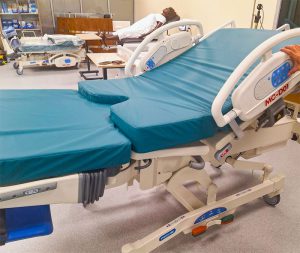
? Key Features of Bariatric Hospital Beds
Structural & Capacity Features
-
High-Weight Capacity:
Bariatric beds are built to support significantly heavier loads than standard beds, often ranging from 700 to over 1,000 pounds, depending on the model.
-
Reinforced & Durable Construction:
The frames and components are strengthened with materials like steel or aluminum to withstand higher weights and provide stability and long-term durability.
-
Wider and Longer Dimensions:
These beds offer more sleeping space, with increased width and length to accommodate larger body sizes, which also helps to reduce pressure points and improve patient comfort.

Comfort & Safety Features
-
Adjustability:
Most bariatric beds allow for adjustments in height, as well as head and foot sections, allowing for personalized positioning to relieve pressure, improve circulation, and enhance breathing.
-
Specialized Mattresses:
Many models are paired with thicker, high-density foam mattresses that provide superior support and help prevent pressure sores.
-
Heavy-Duty Side Rails:
Reinforced and often longer side rails offer increased protection against falls and provide stability for patient repositioning.
-
Safety Mechanisms:
Some beds feature advanced safety systems, such as emergency lowering mechanisms, to quickly and safely adjust the bed’s position when needed.
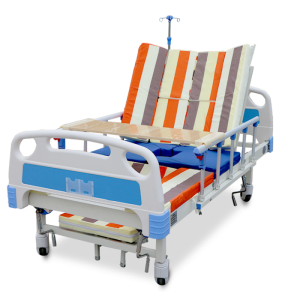
Ergonomic & Convenience Features
-
Caregiver Ergonomics:
Features like height-adjustable beds make transfers easier and reduce strain on healthcare professionals, improving caregiver safety and efficiency.
-
Specialized Functions:Some advanced models offer additional features such as integrated patient scales or power-assist systems to help with patient transfers.
1. Heavy-Duty Construction
Bariatric beds are engineered to handle higher weight capacities, typically ranging from 600 to 750 lbs. These beds feature reinforced frames, durable slats, and high-strength steel to ensure safety for patients while providing stability during repositioning and transfers.
2. Full-Electric Adjustments
Many modern bariatric beds come with full-electric capabilities, allowing both height adjustment and independent head and foot section control. This ensures convenience for both patients and caregivers. Henyuan Medical’s models, for example, feature smooth electric operation, allowing patients to adjust positions without assistance.
3. Adjustable Heights
Adjustable height functions serve two critical purposes: enhancing caregiver ergonomics and patient safety. Raising the bed reduces caregiver bending and potential strain, while lowering it facilitates safe patient transfers and reduces fall risks.
4. Patient Handling Features
Advanced bariatric beds include Trendelenburg and reverse Trendelenburg positions, which improve circulation and assist with respiratory care. Additionally, beds often include reinforced side rails and modular frames to support patient mobility, transfers, and repositioning.
5. Compatibility with Accessories
Bariatric beds are often compatible with a wide range of accessories, such as specialized mattresses, patient lifts, overbed tables, and mobility aids. Henyuan Medical provides a variety of compatible accessories to enhance care in both hospitals and home settings.
? Technical Specifications Comparison (Henyuan Medical Models)
| Feature | Henyuan Model A | Henyuan Model B | Competitor Example |
|---|---|---|---|
| Weight Capacity | 600 lbs | 750 lbs | 700 lbs |
| Electric Adjustments | Full (head, foot, height) | Full | Full |
| Trendelenburg Positions | Yes | Yes | No |
| Side Rails | Reinforced, adjustable | Reinforced, adjustable | Standard |
| Dimensions | 42″x84″ | 48″x84″ | 44″x84″ |
| Home Care Friendly | Yes | Yes | Limited |
?️ Benefits of Bariatric Hospital Beds
Patient benefits
- Increased safety and stability. Reinforced, heavy-duty frames with higher weight capacities (up to 1,000 pounds or more) prevent equipment failure and ensure patient security. Features like secure side rails, wheel locks, and a low-height setting reduce the risk of falls during transfers and repositioning.
- Improved comfort. The extra-wide dimensions of a bariatric bed provide more space for larger patients, which allows for greater freedom of movement and a more comfortable experience.
- Prevention of pressure sores. Specialized mattresses, such as those with alternating pressure or low air-loss technology, evenly distribute body weight and reduce pressure points. Many bariatric beds also have adjustable positioning, which helps prevent skin breakdown and pressure ulcers.
- Greater independence. Many bariatric beds feature electric controls that allow patients to adjust their head, foot, and height settings using a remote. This gives patients greater autonomy over their positioning and mobility.
- Better circulation and respiratory function. By adjusting the bed’s position, patients can improve their circulation and breathing. This is especially beneficial for those with conditions like sleep apnea or congestive heart failure. Some advanced models even feature Trendelenburg and reverse Trendelenburg positioning for improved circulation.
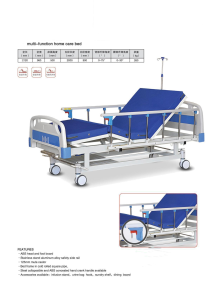
Caregiver benefits
- Reduces physical strain. Motorized controls and adjustable features minimize the need for manual lifting, repositioning, and transferring of patients. This protects caregivers from back injuries and other musculoskeletal issues.
- Simplifies patient transfers. The ability to lower the bed to a minimal height and use sturdy side rails makes it much safer and easier for caregivers to assist patients with moving in and out of bed.
- Improves efficiency. The automation of adjustments and ease of maneuverability allow caregivers to work more efficiently, allowing them to focus on other critical tasks.
- Increased safety for transfers. Advanced models may include features like powered-drive systems to assist in moving the bed, even with a patient on it, which further reduces the risk of injury.
Facility benefits
- Long-term durability. Bariatric beds are built with reinforced, heavy-duty materials to withstand greater weight and frequent use. Their robust construction results in fewer replacements and lower maintenance costs over time.
- Adaptability for multiple patients. Some bariatric beds feature adjustable widths, allowing the same bed to accommodate a range of patient sizes. This increases the bed’s versatility and can streamline equipment allocation.
- Maximizes investment. Facilities can maximize their equipment investment by using versatile bariatric beds that accommodate a wide range of patients. Some models are even certified for dual use, such as for palliative or hospice care.
Enhanced Patient Comfort
Heavy-duty construction and adjustable positioning allow patients to find optimal comfort, improving sleep quality and reducing pressure sores. Electric controls provide independent adjustment for patients with limited mobility.
Improved Caregiver Efficiency
Beds designed with ergonomic height adjustments and reinforced frames make caregiving safer and more efficient. Caregivers can perform transfers, repositioning, and daily care with minimal physical strain.
Versatility for Multiple Settings
Bariatric hospital beds suit diverse care environments, including ICU, nursing homes, rehabilitation centers, and home care. Henyuan Medical provides beds that seamlessly integrate into these settings.
? Buying Guide: How to Choose the Right Bariatric Bed
1. Assess Patient Needs
-
Weight Capacity:
Select a bed with a weight capacity significantly exceeding the patient’s weight to ensure safety and durability.
-
Health Conditions:
Some conditions may require specific features like Trendelenburg positions for certain medical issues.
-
Mobility:
Consider a bed with adjustable height and positioning to aid in transfers and provide comfort.
2. Evaluate Bed Features
-
Frame and Construction:
Look for sturdy, reinforced steel frames and heavy-duty components for stability and long-term reliability.
-
Adjustability:
Ensure the bed offers a range of adjustments, including head, foot, and overall height, for optimal positioning and personal comfort.
-
Mattress Type:
Choose a thick, flexible, and supportive mattress with a washable, stain-resistant, and waterproof cover, designed to prevent pressure sores.
3. Consider Safety and Practicality
-
Safety Features:
Bariatric beds should have secure side rails or grab bars to protect against falls and provide support.
-
Size:
Confirm the bed’s width and length will comfortably accommodate the patient and allow for freedom of movement.
-
Room Space:
Ensure there is adequate space for the bed’s larger dimensions and to allow for easy movement around it.
-
Cleaning:
Opt for beds with seamless, smooth surfaces and an open-bed architecture for easy maintenance and sanitation.
4. Understand Budget and Warranty
-
Budget:
Bariatric beds can be a significant investment, so set a realistic budget that includes the cost of the bed, mattress, and any accessories.
-
Warranty:Inquire about warranty coverage for the bed and mattress to protect your investment and ensure long-term reliability.
-
Weight Capacity: Ensure the bed supports the patient’s weight, including mattress and accessories.
-
Electric vs. Manual: Full-electric beds provide ease of use; manual adjustments may suit limited budgets but require caregiver effort.
-
Space Requirements: Confirm the bed dimensions fit comfortably in the room and allow access for caregivers.
-
Accessories: Consider mattresses, side rails, overbed tables, and patient lift compatibility.
-
Budget: Compare Henyuan Medical’s heavy-duty models with other brands, balancing price and functionality.
? Real-Life Applications and Case Studies
Specific Applications
-
Hospitals:
- Emergency and Acute Care: Facilitate quick and safe patient transfers, procedures, and interventions by offering a higher weight capacity and stable structure.
- Surgical Units: Support obese patients for safe surgeries and post-operative care.
- Intensive Care Units (ICUs): Provide necessary support and adjustable features for critically ill bariatric patients.
- Emergency and Acute Care: Facilitate quick and safe patient transfers, procedures, and interventions by offering a higher weight capacity and stable structure.
-
Nursing Homes and Long-Term Care:
- Offer ongoing comfort and safety for residents during daily activities and transfers, helping manage conditions like respiratory issues, poor circulation, and skin breakdown.
- Offer ongoing comfort and safety for residents during daily activities and transfers, helping manage conditions like respiratory issues, poor circulation, and skin breakdown.
-
Home Health Care:
- Enable patients to receive care in the comfort of their homes, promoting independence.
- Enable patients to receive care in the comfort of their homes, promoting independence.
-
Emergency Services:
- Paramedics use bariatric stretchers for the safe extrication and transport of patients from accident scenes, ensuring stability.
- Paramedics use bariatric stretchers for the safe extrication and transport of patients from accident scenes, ensuring stability.
-
Rehabilitation Centers:
- Support progressive mobility programs, helping patients gradually progress from lying down to sitting up and standing with assistance.
- Support progressive mobility programs, helping patients gradually progress from lying down to sitting up and standing with assistance.
Benefits for Patients and Caregivers
-
Enhanced Safety and Comfort:
Features like higher weight capacities, wider frames, and durable construction prevent bed failure and ensure patient comfort.
-
Improved Mobility:
Adjustable heights and positions allow patients to move more independently and help caregivers safely reposition them.
-
Reduced Risk of Injury:
Beds with advanced features like bed exit alarms, siderails, and integrated lighting help prevent patient falls and injuries.
-
Better Patient Outcomes:
Adjustable features help prevent pressure sores and improve respiratory function.
-
Increased Dignity and Efficiency:Built-in weighing solutions and easier patient transfer methods reduce heavy lifting for caregivers.
Case Study 1: Home Care for Obese Patients
Patient: Mr. Lewis, 320 lbs, limited mobility.
Solution: Henyuan Medical Model B, full-electric, adjustable height and head/foot sections.
Outcome: Improved independence and comfort, easier transfers for caregivers, and reduced risk of pressure injuries.
Case Study 2: Post-Surgical Recovery in Hospital
Patient: Ms. Rivera, 280 lbs, post-abdominal surgery.
Solution: Henyuan Medical Model A, heavy-duty with reinforced side rails and Trendelenburg capability.
Outcome: Enabled safe repositioning during recovery, improved circulation, and minimized strain for nurses.
? Additional Considerations
-
Durability: Reinforced frames and high-quality materials increase lifespan.
-
Safety: Adjustable rails, lockable wheels, and emergency lowering mechanisms reduce accidents.
-
Ease of Maintenance: Smooth surfaces, modular components, and easily replaceable parts make cleaning and repairs simple.
⚙️ Henyuan Medical Bariatric Beds Overview
Henyuan Medical offers a comprehensive range of bariatric beds designed for hospital and home care use, combining heavy-duty strength, full-electric adjustment, modular design, and accessory compatibility. Key features include:
-
Weight capacities from 600–750 lbs
-
Full-electric adjustments (head, foot, height)
-
Trendelenburg and reverse Trendelenburg positioning
-
Reinforced, adjustable side rails
-
Compatibility with home care equipment and hospital accessories
? Conclusion
Selecting the right bariatric hospital bed is critical for patient comfort, caregiver efficiency, and overall safety. Henyuan Medical provides heavy-duty, full-electric, adjustable beds that meet the diverse needs of patients and care environments. By evaluating weight capacity, adjustability, space, and accessories, healthcare providers and families can make informed decisions that enhance care outcomes and patient satisfaction.
