

Medical Bed Rails in Hospital: Complete Guide
In hospitals, nursing homes, and homecare environments, bed rails in hospital settings are a critical component of patient safety and support. Henyuan Medical provides a wide range of high-quality bed rails designed to prevent falls, provide patient support, and ensure caregiver efficiency.
This comprehensive guide covers Henyuan Medical bed rails’ features, technical specifications, real-world applications, safety considerations, and expert tips for selecting the right bed rails for healthcare facilities. Alongside our core keyword, we naturally integrate related terms such as hospital bed safety, adjustable rails, patient support, fall prevention, assisted living, memory care, and long-term care to maximize SEO relevance.
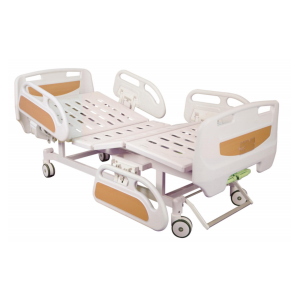
Key Features of Henyuan Medical Bed Rails
For Patient Safety
- Fall Prevention: The primary function is to prevent patients, especially those with impaired mobility or cognitive issues, from falling out of bed.
- Security & Comfort: Rails can provide a sense of security and comfort for vulnerable patients.
- Entrapment Prevention: Modern rails are designed with gaps and mesh to prevent strangulation or entrapment, with some featuring padding for added safety.
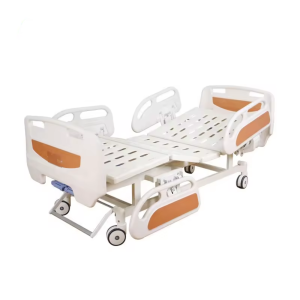
For Patient Mobility
-
Repositioning:
Rails provide a secure surface for patients to use to help turn, sit up, or reposition themselves in bed.
-
Getting In/Out of Bed:
They offer a stable handhold to assist patients when getting into or out of bed.
-
Mobility Assistance:
Long, full-length rails offer extensive support, allowing for more extensive movement and greater leverage for self-movement and exercises.
Key Design Features
-
Adjustability:
Rails can be raised or lowered and come in various lengths (full, half, or split) to accommodate different needs and bed types.
-
Locking Mechanisms:
Many rails include secure locking systems to ensure stability and prevent accidental movement.
-
Multiple Grip Points:
Different designs, like circular shapes or varied contours, offer multiple ergonomic handholds for various patient needs.
-
Durable Materials:
Rails are constructed from durable materials like metal or plastic to ensure stability and longevity.
-
Compatibility:Rails are designed to be compatible with different hospital beds, adjustable beds, and some home beds, with features for tool-free installation.
Henyuan Medical bed rails in hospital settings are designed with both patient safety and caregiver convenience in mind. Key features include:
-
Adjustable Height and Length: Supports both half-length and full-length rail configurations to fit different hospital bed sizes.
-
Durable Construction: Made from high-quality steel or aluminum for long-lasting durability and resistance to wear.
-
Patient Safety Design: Rounded edges, anti-pinch mechanisms, and strong locking systems prevent accidents and injuries.
-
Ease of Use: Simple installation and adjustable positioning for quick adaptation in hospital or homecare environments.
-
Supportive Functionality: Provides leverage for patients to sit, stand, or reposition safely.
| Feature | Description |
|---|---|
| Material | Powder-coated steel or medical-grade aluminum |
| Rail Length | Half-length (foot or head) and full-length options |
| Height Adjustment | Adjustable to accommodate patient needs and bed height |
| Weight Capacity | 250–300 lbs, suitable for most patients |
| Safety Mechanisms | Anti-pinch, smooth edges, locking mechanism |
| Use Cases | Hospitals, nursing homes, homecare, assisted living |
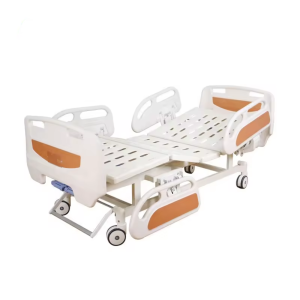
Types of Bed Rails from Henyuan Medical
Hospital bed rails include full-length rails for maximum fall prevention, half-length rails for easier access, and specialized assist bars or handles for patient positioning and transfers. These rails are often adjustable or have various mechanisms, such as levers or buttons, for raising and lowering them to meet a patient’s specific medical needs for safety and mobility.
-
Full-Length Rails:
These cover the entire length of one side of the bed, providing continuous support and the highest level of fall protection.
-
Half-Length Rails:
These cover only part of the bed, offering support while still allowing for easier patient entry and exit.
-
Assist Bars/Handles:
These are smaller, sometimes U-shaped or grab-bar style aids designed to help patients sit up, reposition, or get in and out of bed.
Features and Mechanisms
-
Adjustable Rails:
Many hospital bed rails can be raised or lowered to customize the level of support and fall protection.
-
Swing-Down Rails:
Some rails have a hinged mechanism that allows them to be lowered, which is beneficial for caregiver access for patient transfers.
-
Integrated vs. Attached Rails:
Rails can be built into the hospital bed’s frame (integral) or be added as separate accessories.
-
Material:
Rails are typically made of metal but can also be found in softer, more ergonomic plastic options.

Factors for Selecting a Bed Rail
When choosing a bed rail, consider:
- Patient’s Medical Condition: The patient’s risk for falls and need for support will determine the type of rail required.
- Mobility Needs: How often does the patient need to get in and out of bed?
- Patient’s Physical Characteristics: Factors like age, weight, and size are important for safe and effective use.
Henyuan Medical offers several bed rail solutions to meet different patient and facility needs:
-
Standard Hospital Bed Rails: Designed for general wards and long-term care; prevents patient falls and provides support for repositioning.
-
Adjustable Rails: Allow caregivers to raise or lower rails based on patient condition or preference.
-
Half-Length Rails: Ideal for patients who need support while minimizing confinement.
-
Full-Length Rails: Offer maximum protection, especially for patients at high risk of falling.
-
Specialty Rails for Assisted Living and Memory Care: Designed to reduce the risk of injury for elderly patients or those with cognitive impairments.
Applications of bed rails in hospital
Applications of Bed Rails
-
Preventing Falls:
Bed rails create a physical and visual barrier, stopping patients from rolling or sliding out of bed, especially during sleep or when sedated or confused.
-
Assisting Mobility:
They provide a handhold for patients to push up from, turn, and reposition themselves in bed, aiding those with limited strength or mobility.
-
Supporting Transfers:
Rails offer stability for patients getting into or out of bed, helping them to stand up or sit down safely by providing a secure grip.
-
Enhancing Comfort and Security:
Some patients find the presence of bed rails reassuring and a source of comfort.
-
Serving as a Visual Reminder:
For weak patients, bed rails can also serve as a visual reminder to call for staff assistance instead of trying to get out of bed on their own.
Important Considerations for Safe Use
-
Entrapment Risk:
There is a significant risk of entrapment, particularly with soft mattresses, where a patient’s head, neck, or chest could become trapped between the rail and the mattress.
-
Proper Installation:
It is crucial to ensure the bed rails are correctly installed for the specific bed and mattress to prevent gaps where entrapment can occur.
-
Regular Assessment:
Healthcare providers must regularly assess the patient’s needs, the equipment, and the bed system to ensure the rails are still appropriate and to identify any potential safety hazards.
-
Alternative Interventions:For some patients, other interventions like lower beds, floor mats, or bed exit alarms may be more appropriate or should be used in conjunction with bed rails.
Henyuan Medical bed rails are widely used across healthcare and homecare settings:
-
Hospitals and Clinics: Installed on hospital beds to enhance patient safety, assist in repositioning, and support caregivers during transfers.
-
Nursing Homes and Long-Term Care: Helps reduce falls among residents, particularly in memory care or assisted living units.
-
Homecare Environments: Supports patients recovering at home by providing leverage and stability while ensuring safety.
Case Study:
A nursing home in Florida integrated Henyuan Medical adjustable full-length bed rails for residents with limited mobility. Within six months, staff reported a 35% reduction in patient falls and improved patient confidence when moving in bed, highlighting the importance of properly designed bed rails.
Safety Considerations of bed rails in hospital
Key Risks
-
Entrapment and Suffocation:
A patient’s head, neck, or chest can become trapped in the gaps around the mattress or bed rails, leading to asphyxiation.
-
Falls:
Patients who are confused or agitated may attempt to climb over the rails, increasing the distance and severity of their fall.
-
Injury and Agitation:
Skin bruising, cuts, and scrapes can occur from the rails. In some cases, rails can act as a restraint, leading to agitation, feelings of isolation, and claustrophobia.
Safety Measures
-
Risk Assessment:
Perform regular assessments to determine if bed rails are appropriate for a patient, considering factors like their ability to mobilize, cognitive status, and potential for confusion or restlessness.
-
Secure Fit:
Ensure there are no gaps between the mattress and the rails where a patient’s body could become trapped.
-
Proper Installation and Latching:
Verify that all rails are securely attached to the bed frame and that the latches are firmly in place to prevent accidental lowering.
-
Patient Education:
Inform patients and their families about the potential risks and encourage the use of the call bell for assistance.
-
Environmental Controls:
Maintain the bed in its lowest position and lock the wheels to reduce fall risk.
When Not to Use Bed Rails
-
Restricted Mobility or Independence:
Rails can be a barrier to independence and lead to functional decline if they prevent a patient from getting out of bed when they are able.
-
Agitation and Delirium:
For patients who are confused or agitated, bed rails may increase their agitation and the risk of attempting to climb them.
-
Communication Issues:Patients with communication problems may not be able to call for help if they become trapped.
While bed rails in hospital settings improve safety, improper use may introduce risks. Key considerations include:
-
Fall Prevention vs. Entrapment Risk: Ensure proper spacing between rails and mattress to prevent accidental entrapment.
-
Patient Condition: Monitor patients with cognitive impairments, as they may attempt to climb over rails.
-
Regular Inspections: Check locks, mounts, and rail integrity frequently to maintain safety standards.
-
Regulatory Guidelines: Follow FDA and local healthcare safety standards when installing bed rails in hospitals and long-term care facilities.
Technical Considerations When Choosing Bed Rails in hospital
- FDA guidelines: The U.S. Food and Drug Administration (FDA) has published guidance to reduce the risk of entrapment, which is a significant safety hazard. This guidance defines potential entrapment zones where patients can become trapped between the bed rails, mattress, headboard, or footboard.
- Entrapment zones: FDA guidance identifies seven zones of entrapment on and around a hospital bed system. To reduce risk, the spaces between the bed components must remain within specific dimensional recommendations, with the rail-to-mattress gap being a major concern.
- ASTM standards: Bed rails for medical use should comply with standards developed by ASTM International, such as ASTM F3186-17 for adult portable bed rails, which addresses structural integrity, retention systems, and entrapment.
- Restraint classification: When bed rails are used to prevent a patient from leaving the bed voluntarily, they can be considered a physical restraint. Hospitals must have clear policies that weigh a patient’s autonomy against safety, prioritizing patient assessment over routine rail use.
- Reporting: Medical device reporting requires hospitals to report bed rail-related adverse events and problems to the FDA.
Bed rail type and design features
- Full-length rails: Offer maximum coverage along the entire length of the bed and are suitable for patients with a high risk of falling or with significant disorientation. However, they must be completely lowered for patient exit.
- Half-length rails: Cover the mid-section of the bed, providing targeted support for sitting up or repositioning. They allow for easier entry and exit from the head or foot of the bed, promoting patient independence.
- Split rails: These are half-length rails that operate in independent sections, often providing different levels of coverage for the head and foot of the bed.
- Assist rails/handles: Smaller, targeted grab bars that provide leverage for a patient to reposition themselves or get out of bed.
- Specialized features: Options may include swing-down mechanisms for easier caregiver access, padded surfaces for injury prevention, and reinforced construction for bariatric patients.
Bed and mattress compatibility
- System integration: A bed rail should be considered part of the hospital bed system, which includes the frame, mattress, and headboard/footboard. Compatibility is not guaranteed across different manufacturers.
- Secure attachment: The rail must securely attach to the bed frame to prevent detachment or movement. The retention system, often straps or clamps, should be permanently affixed and not easily removable.
- Mattress type: The type and thickness of the mattress can create or close gaps, affecting the entrapment risk. Specialty mattresses, such as air or foam pads, can compress and create new gaps.
Ease of use and maintenance
- Caregiver access: The rail’s design should allow for easy lowering and raising by a caregiver to facilitate patient transfers and care. Locking mechanisms must be secure but user-friendly.
- Durability and materials: Hospital bed rails are typically made of metal or rigid plastic, constructed to withstand constant use.
- Infection control: The materials and design should allow for regular cleaning and disinfection to prevent infection.
- Regular inspection: Hospital staff must routinely inspect rails for wear, damage, loose connections, or rust. Maintenance tasks include lubricating moving parts and testing locking mechanisms.
- Clear instructions: The rails must have permanent labeling and clear instructions for safe use and assembly to prevent dangerous misassembly.
When selecting hospital bed rails, consider the following parameters to ensure safety and functionality:
| Parameter | Recommendation |
|---|---|
| Length | Half-length for moderate protection; full-length for high-risk patients |
| Height Adjustment | Should accommodate different bed heights and patient needs |
| Material | Steel or aluminum with powder coating for durability |
| Weight Capacity | Standard 250–300 lbs; bariatric options available |
| Safety Mechanisms | Anti-pinch, secure locking, smooth rounded edges |
| Installation | Easy to mount/dismount without specialized tools |
| Use Cases | Hospital wards, nursing homes, assisted living, homecare |
Buying Guide for Hospital Bed Rails
1. Assess Patient Needs
-
Mobility and Fall Risk:
Determine the user’s physical condition, ability to move independently, and risk of rolling out of bed.
-
Rail Length:
Choose between half-length rails for more freedom and full-length rails for maximum protection against falls.
-
Caregiver Needs:
Ensure the rails have easy-to-operate release mechanisms for efficient patient care and transfers.
2. Check Compatibility and Fit
-
Bed Type:
Confirm the chosen rails are compatible with the specific type and brand of hospital bed in use.
-
Mattress Size:
Ensure the mattress is not too small or too large for the rails to prevent entrapment, a serious safety hazard.
-
Height:
Select rails with appropriate height for the bed and user to prevent falls without making it difficult to get in or out.
3. Evaluate Safety and User-Friendliness
-
Locking Mechanisms:
Look for secure locking systems to prevent accidental release of the rails.
-
Padding:
Choose rails with padded surfaces to minimize the risk of injury from impact.
-
Ease of Operation:
Verify that the mechanisms for raising and lowering the rails are intuitive and easy for caregivers to use.
4. Consider Additional Features and Compliance
-
Bumper Pads:
Add foam bumper pads to high-density foam to create a safer environment and prevent injury.
-
FDA Compliance:
Select rails that meet the safety standards set by the FDA to ensure they provide effective patient protection.
-
Cost and Insurance:Understand the financial aspects and explore whether insurance coverage is available for the purchase.
To select the right bed rails in hospital settings, consider these expert tips:
-
Assess Patient Risk: Determine the patient’s mobility, fall risk, and cognitive condition.
-
Check Compatibility: Ensure rails match the bed’s make and model.
-
Review Safety Features: Prioritize anti-pinch design, rounded edges, and secure locks.
-
Consider Adjustable Options: Rails that adjust in height and length improve versatility.
-
Ease of Maintenance: Choose materials that are easy to clean and disinfect.
-
Follow Guidelines: Adhere to FDA and healthcare safety standards for patient protection.
Conclusion
Henyuan Medical bed rails in hospital settings provide a balance of safety, durability, and practicality. From standard hospital beds to specialized assisted living units, these bed rails protect patients, support caregivers, and comply with regulatory standards.
By carefully selecting adjustable and appropriately sized rails, healthcare providers can minimize fall risks, enhance patient confidence, and ensure a safe, functional environment across hospitals, nursing homes, and homecare facilities.
