

Bed to Chair Hospital Bed: The Ultimate Guide for Patients, Caregivers, and Healthcare Providers
For patients with limited mobility, bed to chair hospital beds provide an essential solution to regain independence and ensure safety. These innovative beds allow users to move from lying down to sitting, and eventually to standing, without excessive caregiver intervention.
Henyuan Medical specializes in advanced rotating chair beds and sleep-to-stand hospital beds that transform the patient experience at home or in clinical settings.
1. What is a Bed to Chair Hospital Bed?
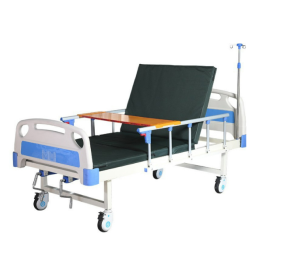
A “Bed to Chair Hospital Bed” is an adjustable hospital bed that can transform into a chair, or a chair that transforms into a bed, to facilitate patient transfers and improve mobility. These beds are designed to help users move from a lying down position to a seated one, often with the assistance of a rotating or sit-to-stand mechanism, reducing the need for heavy lifting by caregivers. They can also provide a comfortable place for family or caregivers to stay overnight.
Features and benefits
-
Sit-to-stand function:The bed can rotate and tilt to help a patient stand up with less effort, and some beds can help the user sit from a flat position and then pivot the chair to face away from the bed.
-
Integrated design:Some systems integrate a hospital bed, chair, and commode into a single unit to maximize patient safety and caregiver convenience.
-
Space-saving:A single piece of furniture serves the function of both a bed and a chair, which is ideal for small spaces.
-
Caregiver assistance:The electric functionality makes it easier for a single caregiver to move a patient without having to lift them, reducing the risk of injury for both parties.
-
Independent use:Some designs allow the chair to disengage and be used independently, giving the user more autonomy.
-
Overnight stays:The chair can also be transformed into a full-length flat-lying bed to accommodate overnight guests or family members.
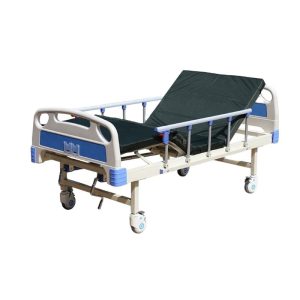
A bed to chair hospital bed is a specialized hospital bed designed with a rotation mechanism that helps patients move from lying in bed to sitting in a chair, or even standing, safely and comfortably. The key technology behind these beds includes:
-
Rotating Bed Mechanism: The bed can rotate 90° to reposition the patient.
-
Sit-to-Stand Function: Helps patients transition from reclining to seated, then standing.
-
Electric Adjustment: Head, foot, and overall bed height can be controlled with a remote or button.
-
Safe Transfers: Reduces risk of falls and caregiver injury.
Henyuan Medical’s range of beds integrates these features, ensuring a smooth transition for limited mobility patients and enhanced caregiver ease.
2. Benefits of Using a Bed to Chair Hospital Bed
For the patient
- Increases independence: For individuals with limited mobility due to conditions such as ALS or Parkinson’s, a bed-to-chair bed allows them to transition from a resting to a seated position without relying on assistance.
- Reduces fall risk: By using an automated process for transfers, these beds eliminate the need for manual lifting and pivoting, which drastically lowers the risk of falls and injury during movement. Models with ultra-low height settings further minimize the potential for injury if a fall occurs.
- Enhances comfort and mobility: The bed’s full electric adjustability, which controls height, backrest, and leg sections, helps patients find comfortable positions for sleeping, eating, or watching TV. Regular, easy repositioning also helps prevent stiffness and promotes better circulation.
- Prevents health complications: Changing positions regularly with the bed’s controls helps prevent pressure sores, muscle atrophy, and blood clots that can result from prolonged immobility.
- Supports psychological well-being: Maintaining independence by controlling their own movements gives patients a sense of dignity and autonomy. This can lead to a more positive outlook on their recovery.
For the caregiver
- Reduces physical strain: The motorized functions allow caregivers to adjust the bed’s height and position patients without strenuous manual lifting and bending. This protects caregivers from musculoskeletal injuries, which are common during patient transfers.
- Improves ergonomics: Caregivers can raise the bed to a comfortable working height for tasks such as wound care, changing linens, or bathing, preventing back and shoulder injuries.
- Minimizes transfer assistance: A bed that can convert into a chair reduces or even eliminates the need for physically demanding patient transfers, such as using a gait belt or transfer board. This makes caregiving significantly easier and safer.
- Provides peace of mind: Caregivers can feel more secure knowing the patient has a safe and secure way to exit the bed independently, reducing anxiety over fall risks.
- Sustains home-based care: By protecting caregiver health, bed-to-chair beds help families sustain home-based care for longer, postponing the need for institutionalization.
For rehabilitation
- Assists early mobilization: The ability to transition easily from lying to seated positions supports early mobilization, a crucial factor in rehabilitation that can prevent complications like pneumonia and blood clots.
- Aids in therapy exercises: Physical therapists can use the bed’s positioning capabilities to facilitate specific exercises, helping patients regain strength and coordination.
- Supports progressive therapy: Specialized beds, like the VitalGo Total Lift Bed, can measure a patient’s weight-bearing ratios to enable progressive early mobility therapy.
- Enhances independence during recovery: These beds are particularly beneficial for post-surgery patients, allowing them to reposition themselves and gradually regain their mobility with a sense of control.
Patient-Centered Benefits
-
Improved Independence: Patients can move with minimal assistance.
-
Enhanced Safety: Reduces falls and strain during transfers.
-
Comfortable Transitions: Smooth rotation and adjustable positions prevent discomfort.
-
Health Advantages: Encourages better circulation and reduces pressure ulcer risk when combined with proper mattresses.
Caregiver-Centered Benefits
-
Reduced Physical Strain: Less lifting required for patient transfers.
-
Time Efficiency: Quick repositioning allows caregivers to manage multiple patients.
-
Simplified Operation: One-button rotation or electric controls simplify daily care routines.
3. How Bed to Chair Hospital Beds Work
Hospital beds convert to a chair position by lifting the head and foot sections while the bed frame tilts forward, lowering the legs towards the floor and supporting the patient in a seated position. The process is usually automated with a button on a control panel, and the system often includes a firmer mattress surface and an integrated air mattress to adjust for the movement and support the user safely.
How the chair position works
-
Initiation:A caregiver or patient presses a button on the bed’s remote control to activate the chair function.
-
Frame adjustment:The bed frame’s mechanical parts move to transition the bed from a flat position to a chair position.
- The head section rises to a sitting position.
- The foot section lowers, and sometimes it is raised to keep the feet from sliding down.
- The entire frame tilts forward, which helps the user remain stable and assists them in standing up later.
-
Mattress adjustment:The mattress also adjusts to accommodate the new shape.
- A firmer surface is often created to support the patient in a seated position.
- Some beds have integrated air systems where specific air chambers deflate to match the bed’s new shape, allowing for a fuller range of motion and preventing the mattress from sliding down.
Benefits of the chair position
-
Ease of egress:The position is designed to help patients safely and easily stand up from the bed with assistance from the bed’s movements.
-
Improved circulation and breathing:For patients with certain medical conditions, such as cardiovascular issues or COPD, the seated position can improve circulation and make it easier to breathe.
-
Patient comfort:It allows for a change of position and a more comfortable sitting posture throughout the day.
Rotating Chair Bed Technology
Henyuan Medical’s rotating chair beds use a combination of turntable mattress platforms and electric motors. The rotation allows patients to safely face the edge of the bed, ready for transfer into a wheelchair or chair.
-
Rotation Angle: Typically 90°.
-
Transition Time: 30–60 seconds from bed to chair.
-
Safety Sensors: Prevent accidental rotation if the patient is improperly positioned.
Sit-to-Stand Mechanisms
Some models feature sit-to-stand assist, allowing patients to gradually transition to a standing position. This promotes independence and reduces caregiver intervention.
4. Technical Specifications Table
| Feature | Henyuan Medical Model Specifications |
|---|---|
| Bed Type | Rotating Chair Bed / Sleep-to-Stand Hospital Bed |
| Rotation Angle | 90° one-touch rotation |
| Sit-to-Stand Support | Yes, electric-assisted |
| Weight Capacity | Up to 180 kg (400 lbs) |
| Height Adjustment | 45–80 cm (manual/electric) |
| Head & Foot Adjustment | Electric, multiple angles |
| Power Source | AC 110–240V / Battery backup optional |
| Safety Features | Anti-slip base, emergency stop, CPR release |
| Warranty | 1–3 years depending on model |
| Material | High-quality steel frame, medical-grade upholstery |
5. Real-World Use Cases
Case Study 1: Home Care – Elderly Patient
An 80-year-old patient with limited mobility required frequent bed-to-chair transfers. Henyuan Medical rotating chair bed allowed her to independently sit up and transfer to a wheelchair with minimal caregiver help. Outcome:
-
Reduced caregiver strain by 60%.
-
Improved patient comfort and independence.
-
Faster daily routines for family caregivers.
Case Study 2: Rehabilitation Facility
Patients undergoing post-surgery rehab benefited from sleep-to-stand beds:
-
Enhanced circulation and recovery.
-
Safe transfers without additional staff.
-
High patient satisfaction and reduced fall incidents.
6. How to Choose the Right Bed to Chair Hospital Bed
To choose the right hospital bed to chair, assess the user’s mobility, which determines the need for features like a full-electric model with a chair function. Key factors include weight capacity, required bed height and range, safety features like side rails, and room size. For individuals who need to sit up in the bed itself, look for bed-to-chair models, often found in full-electric beds with a chair position.
1. Assess mobility and needs
-
For individuals with limited mobility:Consider a full-electric bed that allows the user to elevate the head and foot to a chair position, making it easier to sit up without assistance.
-
For those with limited strength:Choose an all-electric bed with push-button controls for the caregiver to adjust the bed, as a manual crank may be difficult.
-
For those at high risk of falling:Opt for a bed that lowers to a very low height (less than 10 inches) to reduce injury risk.
-
For those with specific medical conditions:Look for features like adjustable head and footrests and pressure-relief systems.
2. Evaluate bed features and specifications
-
Adjustability:Check the range of heights, from lowest to highest, to ensure it meets the user’s needs for getting in and out of bed.
-
Weight capacity:Make sure the bed’s weight capacity can safely support the user. Bariatric options are available for heavier individuals.
-
Safety:Look for sturdy side rails, lockable casters for stability, and a power backup for electric models.
-
Mattress compatibility:Ensure the bed frame is compatible with specialized mattresses, like pressure-relief options.
3. Consider practical factors
-
Room size:Measure the room to ensure there is enough space for the bed and for caregivers to move around it comfortably. Measure doorways if the bed needs to be moved through them.
-
Installation:Determine if professional installation is needed, as it can be beneficial for complex beds.
-
Maintenance:Follow the manufacturer’s guidelines for maintenance to ensure the bed’s longevity.
Selecting the right system requires evaluating:
-
Patient Needs: Mobility level, weight, and medical condition.
-
Bed Features: Rotation angle, sit-to-stand assist, height adjustment, electric vs manual controls.
-
Room Layout: Ensure enough clearance for rotation and wheelchair transfer.
-
Safety Features: Emergency stop, anti-slip, lockable casters.
-
Budget & Warranty: Consider total cost of ownership and included support services.
Henyuan Medical Selection Guide
| Consideration | Recommendation |
|---|---|
| Mobility Support | Full electric rotation with sit-to-stand assist |
| Weight Capacity | 180 kg minimum |
| Ease of Use | One-button or remote control operation |
| Space Requirements | 1-meter clearance around bed for rotation |
| Maintenance | Removable mattress covers, easy cleaning |
| Accessories | Optional overbed tables, recliners, transfer aids |
7. Common Questions About Bed to Chair Hospital Beds
Q1: Can I use it for home care?
Yes. Henyuan Medical beds are suitable for home, nursing facilities, and rehabilitation centers.
Q2: How safe is the rotation function?
The beds feature anti-slip bases, emergency stop, and one-touch control to prevent accidents.
Q3: Do I need a caregiver to operate it?
Most models can be operated by the patient independently or with minimal caregiver assistance.
Q4: Are these beds compatible with wheelchairs?
Yes. Rotation aligns the patient with standard wheelchair height for smooth transfer.
8. Conclusion
A bed to chair hospital bed is more than just a hospital bed — it’s a mobility solution that enhances independence, safety, and quality of care. With Henyuan Medical’s rotating chair beds and sleep-to-stand systems, patients can experience smooth transitions, caregivers can reduce physical strain, and healthcare facilities can optimize patient care.
Whether for home care, rehabilitation, or clinical settings, these beds are a game-changer in patient mobility and safety.
