

Crank for Home Hospital Bed: Comprehensive Guide to Henyuan Medical Manual Adjustments
In home care and medical settings, a hospital bed is more than just a sleeping surface — it is a crucial tool for patient safety, comfort, and rehabilitation. Among the essential features of many home hospital beds is the manual crank, a simple yet highly functional component that allows caregivers and patients to adjust bed positions easily. But what exactly is a crank for home hospital bed, and why is it so important? In this guide, we’ll explore everything about Henyuan Medical manual cranks, including usage, technical specifications, real-world applications, and buying tips.
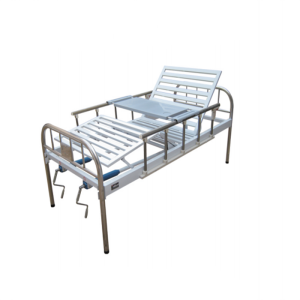
Understanding the Crank for Home Hospital Beds
How to use the cranks
-
Locate the cranks:Find the hand cranks, which are typically located at the foot or side of the bed, often under the mattress.
-
Identify the function:In manual beds, each crank controls a specific part. In electric beds with an emergency crank, one end will adjust the bed’s height, and another will adjust the head or foot section.
-
Insert the crank:For manual beds, the crank is usually already attached. For emergency cranks, insert the correct end into the corresponding connection point.
-
Adjust the bed:
- To lower the bed, turn the crank counter-clockwise.
- To raise the bed, turn the crank clockwise.
-
Check the position:After each adjustment, check the height and position to ensure it is suitable for the user and caregiver.
Different types of cranks
- 1-Crank: Adjusts either the height or the head section.
- 2-Crank: Adjusts both the head and foot sections.
- 3-Crank: Adjusts the head, foot, and overall height.
- 4-Crank: Includes an additional function, such as Trendelenburg or reverse Trendelenburg positions.
- 5-Crank: Adds another function, like a knee brake, for more precise positioning.
Benefits of using cranks
- Power outages: Cranks provide a way to adjust the bed during a power failure when electric beds would be inoperable.
- Budget-friendly: Manual beds with cranks are often less expensive than electric beds.
- Simplicity: Their basic design is straightforward and easy to use for those who don’t need complex electronic adjustments.
A manual crank is a mechanical handle used to adjust the positions of various sections of a hospital bed. Unlike electric beds, which use motors and remotes, manual crank beds rely on human effort to change the backrest, knee, and height positions.
Key Functions:
-
Backrest Adjustment: Raise or lower the head section to support sitting, reading, or eating.
-
Knee Elevation: Adjust the leg section to improve circulation and reduce swelling.
-
Height Adjustment: Change overall bed height for easier patient transfers or caregiver access.
-
Compact and Reliable: Manual cranks require no electricity, making them ideal for home use or emergency situations.
By choosing a Henyuan Medical home hospital bed with a manual crank, caregivers gain a reliable, durable, and easy-to-maintain solution for patient positioning.
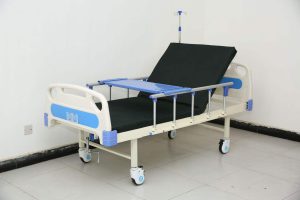
Technical Specifications of Henyuan Medical Crank Beds
Understanding the technical aspects of a manual crank bed helps you select the right model for your needs. Here’s an example specification table for Henyuan Medical crank beds:
| Feature | Specification |
|---|---|
| Bed Type | Manual Crank Home Hospital Bed |
| Crank Count | 1, 2, or 3 cranks (depending on model) |
| Adjustment Functions | Backrest, knee elevation, bed height |
| Material | Powder-coated steel frame |
| Max Weight Capacity | 250 kg (550 lbs) |
| Crank Handle | Ergonomic, removable, durable |
| Bed Length | 80 in / 203 cm |
| Bed Width | 36 in / 91 cm |
| Safety Features | Side rails, locking mechanisms |
| Warranty | 2 years |
These specifications highlight the durability, ease of use, and safety features of Henyuan Medical manual crank beds, ensuring both patients and caregivers benefit from a high-quality solution.
Benefits of Henyuan Medical Manual Crank Beds
Benefits of manual crank beds
- Affordable: They are generally less expensive than electric or semi-electric hospital beds, making them a budget-friendly choice.
- No electricity needed: Since they don’t require power, they are dependable during power outages and can be used in locations with limited or no access to electricity.
- Low maintenance: With fewer mechanical parts, manual beds typically require less maintenance and are easier to repair.
- Simplicity and durability: Their simple design makes them reliable and long-lasting.
- Portability: They are often lighter and easier to move compared to electric models.
- Reliable in emergencies: Their independence from electricity makes them a stable and reliable option in emergency situations.
Considerations
-
Physical effort:Adjusting the bed requires physical effort from a caregiver, which can be tiring.
-
Limited patient independence:Patients with limited mobility may have difficulty adjusting the bed themselves.
-
Adjustability:While some models offer multiple cranks for different adjustments (like head, foot, and height), the overall adjustability can be more limited than fully electric beds.
1. Reliable Manual Operation
Manual crank beds do not rely on electricity, which makes them extremely reliable in any environment. Power outages or battery failures will not affect bed functionality, ensuring continuous care for the patient.
2. Cost-Effective Solution
Compared to full electric beds, manual crank beds are more affordable, while still offering essential adjustments for patient comfort and mobility.
3. Customizable Adjustments
Henyuan Medical crank beds may feature 1, 2, or 3 cranks, each controlling different sections:
-
Single Crank: Controls overall bed height or backrest.
-
Two-Crank Beds: Separate cranks for backrest and knee elevation.
-
Three-Crank Beds: Independent adjustment for head, leg, and height, allowing precise positioning.
4. Improved Patient Care
Proper bed positioning can reduce the risk of pressure sores, improve circulation, assist with respiratory care, and enhance overall comfort, especially for immobile or post-surgery patients.
Real-World Applications
Patient comfort and positioning
- Backrest elevation: Cranks can raise the head and back section of the bed, which allows patients to sit upright. This position is useful for:
- Eating meals
- Reading or watching television
- Aiding with respiratory conditions
- Facilitating conversations with visitors
- Leg and foot elevation: Another crank can lift the knee and foot sections of the bed. Elevating the legs can help:
- Improve blood circulation
- Reduce swelling and edema
- Provide comfort and reduce strain
- Preventing pressure ulcers: Repositioning immobile patients multiple times a day helps prevent the development of bedsores. A crank bed enables caregivers to smoothly and precisely change the patient’s position to relieve pressure points.
Caregiver safety and ergonomics
- Adjusting bed height: Three-crank manual beds have a crank that raises or lowers the entire bed. This feature is essential for caregivers to:
- Work with the patient at a comfortable height, avoiding back injuries from bending over
- Adjust the bed for safe patient transfers to a wheelchair or other mobility device
Situations without reliable electricity
- Power outages: For patients who require positioning adjustments to breathe comfortably, a manual crank bed provides peace of mind that their care will not be interrupted by a power failure.
- Remote or off-grid locations: These beds are a reliable choice for remote homes or cabins where power is unreliable.
- Transport and mobility: Crank beds are lighter and less complex than electric models, making them easier to transport and move within the home or for temporary care needs.
Budget-conscious home care
- Lower upfront cost: They are significantly less expensive than semi-electric and fully electric models, making them accessible to a wider range of families.
- Reduced maintenance: With fewer moving parts and no electric motors, manual beds have a lower risk of mechanical failure and require less expensive maintenance over time.
Case Study 1: Home Recovery After Surgery
A 72-year-old patient recovering from hip surgery used a Henyuan Medical manual crank bed at home. The adjustable backrest and knee elevation helped reduce swelling, improved comfort, and allowed easier caregiver assistance during transfers.
Case Study 2: Long-Term Home Care for Mobility-Impaired Patients
A patient with limited mobility benefited from a two-crank Henyuan Medical bed, adjusting backrest and leg positions multiple times a day. The manual crank system allowed caregivers to customize positioning without relying on electricity, improving patient satisfaction and safety.
How to Choose the Right Henyuan Medical Crank Bed
Assess the patient’s needs
-
Weight capacity:Ensure the bed can safely support the user’s weight. Look for bariatric models if a higher capacity is needed.
-
Mobility and long-term use:Consider how much time the patient will spend in bed and if the bed needs to be moved frequently. This will help determine the required level of maneuverability and durability.
-
Duration of use:If the bed is for long-term care, a more robust and durable model may be beneficial.
Prioritize features and safety
-
Adjustability:Determine how much adjustability is needed. Manual crank beds adjust physical positions using a hand crank, which requires physical effort.
-
Safety features:Look for side rails for fall protection, locking mechanisms on wheels, and bed exit alarms if necessary.
-
Mattress compatibility:Check if the bed is compatible with specialized mattresses, such as pressure-relief or therapeutic ones, to prevent bedsores.
-
Material and durability:Choose a bed made from durable materials, like stainless steel, to withstand constant use and cleaning.
Consider additional factors
- Accessories: Think about what extra features might be helpful, such as an over-bed table, IV pole attachment, or patient lift system.
- Budget: Manual crank beds are typically more affordable, but prices can vary based on features and quality, so set a budget that aligns with your needs.
- Warranty: A longer warranty can provide peace of mind and protect your investment.
When selecting a manual crank bed for home use, consider:
-
Crank Count: Decide between 1, 2, or 3 cranks based on the required adjustments.
-
Adjustment Functions: Ensure the bed allows backrest, knee, and height modifications as needed.
-
Patient Weight Capacity: Check the maximum supported weight for safety.
-
Ease of Use: Look for ergonomic and removable crank handles.
-
Frame Material and Durability: Powder-coated steel frames are durable and easy to clean.
-
Safety Features: Side rails and locking mechanisms help prevent falls.
Tips for Using Manual Crank Beds
To safely and effectively use a manual crank bed, you must always lock the wheels before making any adjustments and keep hands, legs, and clothing clear of the mechanism. Use slow, steady movements when turning the cranks, and once finished, fold the cranks under the bed to prevent them from being a snag hazard. Regularly inspect the bed for any signs of wear, and check that all side rails are secure.
-
Lock the wheels:Before adjusting the bed, ensure the wheels are locked to prevent the bed from rolling. Unlock them only when the bed needs to be moved and re-lock them immediately after.
-
Clear the area:Always make sure the patient’s body parts and clothing are clear of the crank mechanism before and while operating it.
-
Turn cranks slowly:Avoid sudden force. Turn the crank with slow, steady movements.
-
Fold the cranks:After use, fold the cranks up and under the bed to keep them out of the way.
-
Check side rails:If the bed has side rails, ensure they are secure before leaving the patient unattended.
-
Inspect regularly:Periodically check the bed for loose nuts, bolts, or other faulty parts. If you notice any damage, call a professional for assistance.
-
Follow the manual:Always follow the specific instructions provided by the manufacturer for your model of bed.
-
Identify the cranks:Manual beds typically have multiple cranks for different functions, often one for the head, one for the foot, and sometimes a third for the overall height of the bed.
-
Adjust with care:When adjusting a part, be sure you are using the correct crank. For example, use the designated crank to adjust the head section and the other for the foot section.
-
Watch for obstructions:As you crank, be mindful of the moving parts and ensure the mattress and linens don’t get pinched.
-
Use for comfort and function:Cranks can be used to find a comfortable position for the patient for activities like reading or eating, as well as for therapeutic reasons.
-
-
Regularly Rotate Sections: Even with cranks, repositioning the backrest and leg sections helps prevent pressure sores.
-
Educate Caregivers: Ensure caregivers know how to operate cranks safely.
-
Inspect Cranks and Mechanisms: Periodically check for wear or looseness to maintain safety.
-
Combine with Accessories: Bed rails, cushions, and overlays enhance comfort and functionality.
Comparison: Manual Crank vs. Electric Beds
While electric beds offer convenience, manual crank beds provide reliability, affordability, and simplicity:
| Feature | Manual Crank Bed | Electric Bed |
|---|---|---|
| Power Requirement | None | AC or battery |
| Reliability | High | Dependent on power |
| Cost | Lower | Higher |
| Adjustment Speed | Moderate | Fast |
| Maintenance | Low | Moderate |
| Ideal Use | Home care, backup beds | Hospitals, high-care units |
Henyuan Medical manual crank beds provide a perfect balance of functionality and cost-efficiency for most home care scenarios.
Conclusion
The crank for home hospital bed is a critical feature for anyone seeking a reliable, adjustable, and safe solution for home patient care. Henyuan Medical manual crank beds offer versatile adjustments for the backrest, knee, and bed height, while remaining cost-effective and durable. By understanding technical specifications, real-world applications, and proper usage, caregivers can enhance patient comfort, safety, and overall well-being.
Whether you are choosing a single-crank, two-crank, or three-crank model, Henyuan Medical ensures your home hospital bed meets the highest standards of care, reliability, and practicality.
