

Cranking Hospital Bed Features: Everything You Need to Know
Manual hospital beds remain a reliable, cost-effective solution in both healthcare facilities and home care settings. Among the key features that define these beds is the cranking mechanism, which allows caregivers and patients to adjust the bed’s backrest, knee section, and height manually. This article by HENYUAN Medical explores the nuances of 2-crank, 3-crank, and 4-crank manual hospital beds, detailing their functions, technical parameters, practical use cases, and tips for selecting the right bed.
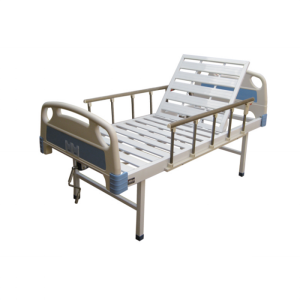
1. Understanding the Cranking Hospital Feature
How the cranking feature works
- Two-crank bed: Features two cranks to adjust the backrest and the knee sections of the bed.
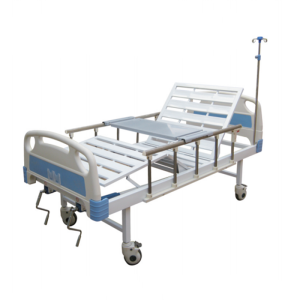
- Three-crank bed: Includes a third crank to control the overall height of the bed, in addition to the backrest and knee adjustments.
- Four-crank bed: A more specialized version that adds a fourth crank for adjusting the Trendelenburg and reverse Trendelenburg positions, used for specific medical conditions or procedures.
Key benefits of manual crank beds
- Cost-effectiveness: Manual beds are significantly cheaper to manufacture and maintain than their electric counterparts. This makes them a more affordable option for hospitals, long-term care facilities, and home healthcare.
- Reliability: Because they do not depend on electrical power, manual crank beds are not affected by power outages or electrical failures. This mechanical reliability ensures that a patient can always be repositioned when needed, which is critical in certain emergencies.
- Ease of use: The cranks are simple to operate and require minimal training for caregivers. This straightforward mechanical design also means less risk of complex malfunctions compared to motorized beds.
- Enhanced patient care: The ability to make manual adjustments allows caregivers to position the patient to reduce pressure ulcers, improve circulation, and facilitate patient transfers.
- Backup function: Even for semi-electric or full-electric beds, a manual crank is often included as an emergency backup in case of power failure or malfunction.
The origin of the cranking feature
The term cranking hospital feature refers to the manual crank mechanism integrated into hospital beds. Each crank controls a specific part of the bed:
-
Backrest Adjustment – Raises or lowers the upper body portion of the bed, allowing patients to sit up, eat, or read comfortably.
-
Knee Section Adjustment – Elevates or lowers the knee area, improving circulation and comfort.
-
Height Adjustment – Raises or lowers the entire bed, enabling safer transfers and ergonomic working height for caregivers.
-
Optional Trendelenburg/Reverse Trendelenburg Positions – Found in 3 or 4-crank beds for therapeutic applications, such as improving circulation or respiratory function.
2. Types of Manual Crank Hospital Beds
2-Crank Hospital Bed
-
Typically controls backrest and knee section.
-
Height adjustment may be absent or manually integrated in some models.
-
Suitable for home care or short-term hospital use.
-
HENYUAN Medical 2-crank beds feature detachable ABS side rails, central locking caster systems, and robust steel frames.
Example: HENYUAN Medical 2-crank bed: Backrest 0°–75°, Knee section 0°–30°, Weight capacity up to 350 lbs.
3-Crank Hospital Bed
-
Controls backrest, knee section, and bed height.
-
Provides more flexibility for patient positioning and caregiver convenience.
-
Supports Trendelenburg and reverse Trendelenburg positions, ideal for rehabilitation or surgical recovery.
-
Often includes detachable head and footboards, ABS side rails, and manual crank handles with ergonomic design.
Technical Table: HENYUAN Medical 3-Crank Bed Specifications
| Feature | Adjustment Range | Notes |
|---|---|---|
| Backrest | 0°–75° | Smooth manual crank operation |
| Knee Section | 0°–30° | Supports leg elevation and circulation |
| Bed Height | 16″–24″ | Optimal for safe patient transfers |
| Trendelenburg | ±15° | Optional, for therapeutic use |
| Max Load | 400 lbs | Reinforced frame |
4-Crank Hospital Bed
-
Controls backrest, knee section, height, and foot section separately.
-
Best suited for clinical facilities and high-dependency care units.
-
Allows precise positioning, particularly for bariatric or long-term patients.
3. Benefits of the Cranking Feature
Affordability and maintenance
- Lower cost: Manual crank beds are significantly more budget-friendly for both initial purchase and long-term expenses compared to electric beds.
- Reduced maintenance: The mechanical system of crank beds is simple and has fewer components that can break down. This results in minimal, low-cost maintenance over its lifespan.
- No energy costs: Since no electricity is required for operation, there are no ongoing energy expenses.
Reliability and safety
- No power needed: The crank mechanism is not affected by power outages, ensuring that the bed can always be adjusted during an emergency or in areas with unreliable electricity.
- Greater durability: With fewer moving parts, manual beds are built to be sturdy and last longer. Their reinforced frames are less prone to bending or twisting.
- Reduces fall risk: Like other hospital beds, crank beds feature adjustable height settings and side rails that can be used to minimize the risk of falls for patients.
Versatility and patient care
- Adjustable positioning: Depending on the model, one to three cranks can be used to manually adjust the bed’s height and raise or lower the head and foot sections. This helps with patient comfort and various medical needs.
- Improved patient independence: Patients who have enough upper body and hand strength can operate the cranks themselves to adjust their position without assistance.
- Assists caregivers: For immobile patients, the height adjustment allows caregivers to reposition, transfer, or provide care with less risk of back strain.
- Enhanced circulation and reduced swelling: Elevating the legs can promote better blood flow and reduce pressure on the lower extremities, which is especially helpful for those with conditions like edema.
Portability and transport
- Easy to move: Manual crank beds often feature a lighter, channel-frame construction and durable, lockable casters (wheels) that make them easy to transport when needed.
- Ideal for home care: The simple functionality and lack of electrical requirements make crank beds a convenient solution for use in a home environment.
Patient Comfort
-
Adjustable backrest and knee sections improve sitting and sleeping comfort.
-
Trendelenburg positions can aid in respiratory support and circulation.
-
HENYUAN Medical beds are designed with smooth crank mechanisms, minimizing jerky movements.
Caregiver Assistance
-
Manual cranks allow quick adjustments without electricity.
-
Height adjustment facilitates ergonomic care, reducing back strain during patient transfers or dressing changes.
-
Side rails enhance patient safety while providing support during repositioning.
Reliability and Maintenance
-
Crank beds are mechanically simple, reducing maintenance compared to electric beds.
-
Durable steel frames, powder-coated surfaces, and ABS headboards make HENYUAN Medical beds long-lasting and hygienic.
4. Practical Use Cases
Case Study 1: Home Care
-
Patient: Elderly female, 72 years old, recovering from hip surgery
-
Bed: HENYUAN Medical 3-crank manual bed
-
Outcome: Adjustable backrest and knee section allowed comfortable rest and safe meals in bed; height adjustment facilitated caregiver transfers.
Case Study 2: Rehabilitation Center
-
Patient: 55-year-old male, post-stroke rehabilitation
-
Bed: HENYUAN Medical 4-crank hospital bed
-
Outcome: Full range of positioning including Trendelenburg; improved therapy outcomes and reduced caregiver fatigue.
5. Selection Guide: Choosing the Right Crank Bed
1. Match the bed to patient and caregiver needs
- Mobility level: For patients who are largely immobile, a caregiver will need to operate the bed’s cranks. If the patient can manage some movement independently, they may be able to use the cranks on their own.
- Duration of use: For temporary, short-term needs, a basic manual bed is often sufficient. For long-term care, a model with more functions may be a better investment, especially if the patient’s condition might change.
- Caregiver health: Caregivers should consider their own physical capabilities. Cranking a bed can require significant strength, so caregivers with back pain or other physical limitations might prefer a semi-electric model.
- Weight capacity: Standard crank beds typically support up to 500 lbs. For bariatric patients, a specialized bariatric bed with reinforced frames and higher weight capacity is necessary.
2. Compare crank bed functionality
| Type of crank bed | Adjustments | Best for… |
|---|---|---|
| Two-crank | Raises and lowers the head and foot sections of the bed. | Patients who need to change their head and leg positions but don’t need to adjust the bed’s height. This is the most basic and affordable manual bed. |
| Three-crank | Raises and lowers the head and foot sections, as well as the overall height of the bed. | Caregivers who need to adjust the bed’s height for patient transfers, wound care, or changing linens. Adjusting the bed height can also reduce caregiver back strain. |
| Four-crank | All the functions of a three-crank bed, plus the ability to place the patient in Trendelenburg (head down) or reverse Trendelenburg (foot down) positions. | Patients who require specific medical positioning to manage circulation issues or other conditions. Your doctor should specify if these positions are necessary. |
3. Evaluate additional bed features
- Safety rails: Choose between full-length rails for complete fall protection and half-length rails, which allow easier access for patients who can get in and out of bed with some assistance.
- Casters and locks: Wheels (casters) are essential for moving the bed. A reliable locking mechanism is crucial for safety during patient transfers and care.
- Detachable head and footboards: These make it easier for caregivers to attend to patients from all angles.
4. Select the right mattress
- Foam mattresses: A common and affordable option that provides firm support.
- Alternating pressure mattresses: These have inflatable air cells that periodically change pressure points, helping to prevent bedsores in patients with limited mobility.
- Low air loss mattresses: Features a constant flow of air to reduce heat and moisture buildup, making it ideal for patients at high risk of skin breakdown.
5. Account for the living space
- Space and placement: Measure your room to ensure you have enough clearance for the bed and for caregivers to move around it freely. Remember that hospital beds are often longer than standard beds.
- Required accessories: Decide if you will need accessories like an overbed table or trapeze bar, and ensure you have space for them.
When selecting a cranking hospital bed, consider the following factors:
-
Number of Cranks:
-
2-crank for basic backrest and knee adjustments
-
3-crank for additional height adjustment and Trendelenburg positions
-
4-crank for full therapeutic positioning
-
-
Patient Weight and Size:
-
Standard beds: up to 400 lbs
-
Bariatric models: up to 600 lbs
-
-
Bed Accessories:
-
Detachable ABS side rails
-
Central locking caster wheels
-
IV stand holders and drainage bag hooks
-
-
Space and Room Layout:
-
Ensure enough clearance for cranking operation and caregiver access
-
HENYUAN Medical offers personalized consultation to help clients select the optimal bed configuration.
6. Technical Parameters and Safety Standards
| Parameter | Recommendation | HENYUAN Medical Notes |
|---|---|---|
| Backrest Angle | 0°–75° | Smooth crank operation |
| Knee Section | 0°–30° | Adjustable independently |
| Bed Height | 16″–24″ | For ergonomic caregiver work |
| Max Load | 400–600 lbs | Reinforced frames for bariatric use |
| Side Rails | ABS, detachable | Prevent falls and provide support |
| Crank Material | Steel, powder-coated | Durable and hygienic |
7. Additional Tips for Using Crank Beds
-
Smooth Operation: Rotate cranks slowly to avoid sudden movements.
-
Safety Check: Ensure side rails are securely attached.
-
Regular Maintenance: Lubricate crank joints periodically for smooth operation.
-
Training: Caregivers should practice crank adjustments for patient safety and comfort.
8. Frequently Asked Questions
Q1: Are manual crank beds suitable for home care?
Yes, HENYUAN Medical manual crank beds are perfect for home care due to ease of use, reliability, and adjustable positioning.
Q2: Can Trendelenburg position be applied on 3-crank beds?
Yes, most 3-crank beds support ±15° Trendelenburg adjustments.
Q3: What is the difference between 2-crank and 3-crank beds?
2-crank beds adjust backrest and knee sections; 3-crank beds additionally adjust bed height, offering greater flexibility for patient care.
9. Summary Table: Crank Type vs Features
| Crank Type | Controls | Recommended Use | Max Load |
|---|---|---|---|
| 2-Crank | Backrest, Knee | Home care, short-term hospital | 350 lbs |
| 3-Crank | Backrest, Knee, Height | Rehabilitation, home care, hospital | 400 lbs |
| 4-Crank | Backrest, Knee, Height, Foot | Clinical facilities, bariatric care | 600 lbs |
10. Key Takeaways
-
Cranking hospital feature is central to manual hospital bed functionality, providing patient comfort and caregiver convenience.
-
HENYUAN Medical offers a full range of 2-crank, 3-crank, and 4-crank beds with ergonomic design, robust materials, and optional Trendelenburg positions.
-
Proper bed selection should consider patient size, weight, care setting, and required adjustments.
-
Maintenance and correct operation ensure long-term performance and safety.
