

The main difference between a 2-crank and a 3-crank manual hospital bed is the number of adjustable functions. A 3-crank bed has a third crank that controls the bed’s overall height, in addition to the head and knee adjustments found on a 2-crank bed.
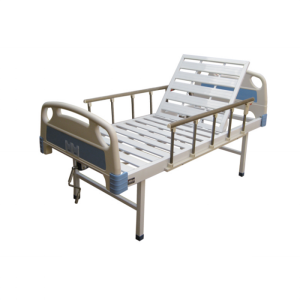
2-crank manual bed
A 2-crank bed has two hand cranks, typically located at the foot of the bed, that allow for two distinct manual adjustments.
- Backrest adjustment: One crank is used to raise or lower the backrest, allowing a patient to sit up or lie flat.
- Knee/foot adjustment: The second crank controls the knee section, which can be raised to elevate the patient’s legs.
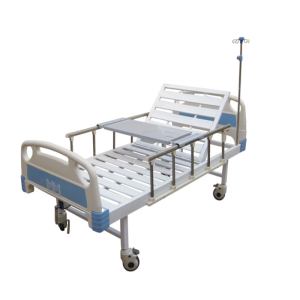
3-crank manual bed
A 3-crank bed includes all the functions of a 2-crank model with one key addition.
- Overall height adjustment: The third crank allows caregivers to raise or lower the entire bed frame to a comfortable working height. This reduces strain when transferring a patient in or out of bed or when performing other care tasks.
Comparison of features
| Feature | 2-Crank Manual Bed | 3-Crank Manual Bed |
|---|---|---|
| Adjustments | Backrest (up/down)Knee section (up/down) | Backrest (up/down)Knee section (up/down)Overall height (up/down) |
| Caregiver use | Caregivers must bend over more frequently when helping the patient, potentially causing back strain. | The adjustable height feature improves caregiver ergonomics and reduces injury risk. |
| Patient use | Primarily for patients who have some mobility and can assist in adjusting their position. | Ideal for patients with severe or complete mobility limitations who require more assistance with positioning and transfers. |
| Cost | Less expensive due to fewer mechanical functions. | More expensive due to the added height adjustment mechanism. |
| Primary setting | Often used in general wards or for home care where budget is a major consideration. | Found in hospitals with diverse patient needs, specialty wards, and where height adjustment is critical. |
