

Healthcare Bed Linens: The Complete Guide
When it comes to patient comfort and hospital efficiency, healthcare bed linens are far more than simple bedding accessories. They play a crucial role in infection control, patient safety, durability, and overall healthcare facility management. In this article, Henyuan Medical provides an in-depth look at hospital bed sheets, pillowcases, blankets, and mattress protectors, offering you professional insights, technical specifications, and buying tips.
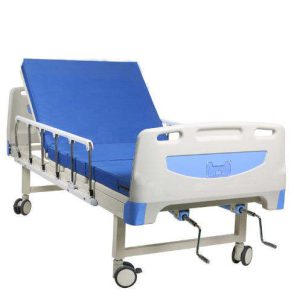
Why Healthcare Bed Linens Matter
Infection control and patient safety
- Preventing pathogen spread: Linens and clothing frequently come into contact with patients, staff, and various surfaces. Soiled textiles, such as bedsheets and gowns, can harbor pathogens like MRSA, C. difficile spores, and E. coli if not disinfected properly.
- Hygienically clean laundering: Commercial healthcare laundry services use specialized, high-temperature washing processes and detergents to kill bacteria and viruses. These industrial systems are equipped with features like thermal disinfection cycles and barrier systems to prevent cross-contamination between clean and dirty linens.
- Specific protocols: The Centers for Disease Control and Prevention (CDC) issues strict guidelines for handling soiled laundry, including placing items in leak-proof bags with minimal agitation and never carrying them against the body. Proper protocols also apply to the transport and storage of clean linens to prevent recontamination.
Patient comfort and recovery
- Reduced anxiety: The presence of crisp, clean, and soft linens can offer a sense of security and peace, helping to ease the stress and anxiety associated with a hospital stay.
- Minimized irritation: Patients, particularly those with sensitive skin or who are bedridden for extended periods, are vulnerable to skin irritation from rough or worn-out fabrics. High-quality, hypoallergenic materials help reduce this risk.
- Improved rest: Breathable fabrics aid in temperature regulation, preventing overheating and excessive sweating. This allows for more restful sleep, which is vital for the healing process.
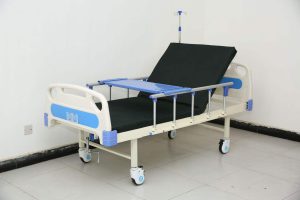
Perception of care and patient experience
- Building trust: Fresh, well-maintained linens—from bedsheets and blankets to scrubs and patient gowns—can boost patient confidence in the facility’s commitment to quality and hygiene.
- Professional image: Clean and well-cared-for linens, and the professional appearance of staff, reflect positively on the institution’s standards and attention to detail.
- Positive feedback: Patient satisfaction scores can be influenced by seemingly minor details. High-quality linens and a focus on comfort are simple, yet effective, ways to enhance the patient experience and generate positive feedback.
Operational efficiency and sustainability
- Durability and cost-efficiency: Healthcare-specific linens are designed to withstand frequent, rigorous, high-temperature washing cycles without deteriorating, which extends their lifespan and reduces replacement costs.
- Operational support: Partnering with a reliable linen service ensures a consistent supply of linens, preventing shortages and allowing staff to focus on patient care rather than linen management.
- Environmental stewardship: Sustainable linen programs help reduce the high energy and water consumption of hospital laundries. By using durable, eco-friendly materials and optimizing their lifecycle, facilities can also significantly reduce waste.
Hospital environments demand linens designed for intensive use. Unlike standard household sheets, healthcare linens must withstand:
-
Frequent laundering at high temperatures (for disinfection).
-
Resistance to stains and fluids.
-
Durability against wear and tear from adjustable hospital beds.
-
Compliance with healthcare regulations for hygiene and safety.
By ensuring the right choice of linens, hospitals and care facilities reduce cross-contamination, enhance patient comfort, and improve operational efficiency.
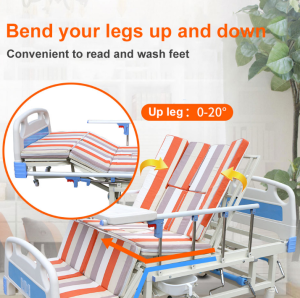
Key Features of Quality Healthcare Bed Linens
- Fabric blends: Medical-grade bedding is often made from a cotton-polyester blend (polycotton) because it offers a balance of durability and comfort. The polyester fibers provide strength, tear resistance, and wrinkle resistance, while the cotton adds softness and breathability. A 50/50 blend is common in institutional settings to maximize the useful life of linens.
- Laundering resilience: Quality linens must endure repetitive, harsh, high-temperature washing cycles designed to eliminate pathogens. The fabric should resist shrinking, fading, and developing holes or pilling.
- Weave and strength: Woven fabrics like muslin and percale are typical for hospital sheets.
- Muslin: Often a low-thread-count polycotton blend, it is a sturdy and inexpensive option common in institutional settings.
- Percale: A higher-quality woven fabric (over 180 thread count) that is softer, more breathable, and more durable than muslin.
- Knit sheets: Knitted sheets, such as jersey, are stretchier and softer than woven fabrics, making them an ideal choice for adjustable beds. However, they are more prone to snagging and are rated by fabric weight rather than thread count.
Infection control and hygiene
- Antimicrobial properties: Quality linens may be treated with an antimicrobial finish that suppresses the growth of bacteria and odors, helping to prevent the spread of healthcare-associated infections (HAIs).
- Stain and odor resistance: Fabrics with odor- and stain-resistant properties are essential for maintaining hygiene. They should also be easy to clean with mild soap and water.
- Hygienically clean certification: Certified laundries follow rigorous industry standards for cleaning, handling, and quality control. This ensures that textiles meet strict microbial safety criteria.
- Flame retardant: Depending on local regulations, some healthcare linens must meet flame resistance requirements to prevent fire hazards.
- Waterproof protection: While most sheets are not waterproof, a waterproof mattress cover is crucial for protecting the mattress from bodily fluids, which helps control infection and extends the mattress’s lifespan.
Patient comfort and safety
- Breathability: Fabrics like cotton and percale are breathable and help regulate body temperature, preventing patients from overheating. This is especially important for patients who are bedridden for extended periods.
- Smoothness: A smooth surface reduces friction against the skin, which helps prevent skin shearing and bedsores (pressure ulcers). Some specialty linens also feature anti-friction panels to aid in repositioning patients.
- Correct sizing: Sheets designed specifically for hospital beds are crucial, as they can prevent bunching, which causes discomfort and friction. Undersized sheets can come loose, while oversized sheets can create a tripping hazard for staff.
- Hypoallergenic: For sensitive patients, hypoallergenic sheets made from organic cotton, wool, or microfiber can help deter dust mites and reduce allergic reactions.
- Softness: Quality linens provide a soft, non-irritant surface, which can greatly improve patient comfort and satisfaction, contributing to better rest and recovery.
Cost-effectiveness
- Balanced thread count: For most institutional use, sheets with a low thread count (around 130) are standard due to their affordability and durability for frequent washing. For at-home or specialized care, higher thread counts (250–350) offer a better balance of softness and longevity.
- Long-term value: Investing in durable, high-quality linens can reduce operational costs over time by extending the product’s lifespan and requiring less frequent replacement.
| Feature | Henyuan Medical Standards | Why It Matters |
|---|---|---|
| Material | Cotton-poly blend, microfiber, premium polyester | Balances softness, breathability, and durability |
| Thread Count | 180–300 TC | Ensures comfort while maintaining strength |
| Sizing | Fitted sheets for adjustable hospital beds, bariatric beds, pediatric beds | Provides secure fit without slipping |
| Color Options | White, blue, green | Supports color coding and hospital aesthetics |
| Fluid Resistance | Available with waterproof backing | Protects mattresses and reduces replacement costs |
| Laundering Durability | 200+ wash cycles | Long-term value and reliability |
Types of Healthcare Bed Linens
Types of Sheets
-
Fitted Sheet:
This is the main bottom sheet, featuring elastic corners to fit snugly over the mattress.
-
Flat Sheet:
Also called a top sheet, this rectangular sheet lies on top of the fitted sheet and is placed between the patient and their blanket.
-
Draw Sheet:
A smaller sheet placed across the middle of the bottom sheet, used by caregivers to assist with patient repositioning and to absorb minor spills.
-
Mattress Cover:
A waterproof protective cover placed directly over the mattress, often with a zipper closure, to shield it from liquids and stains.
Common Materials
-
Cotton:
Known for its breathability and softness, though it can be prone to wrinkling and shrinking.
-
Polyester:
A durable, synthetic fabric that is less prone to wrinkling, shrinking, and staining.
-
Cotton-Polyester Blends:
Offer a balance of comfort, durability, and ease of care by combining the benefits of both fibers.
Other Specialty Linens
-
Bariatric Sheets:
Larger, stronger sheets designed to accommodate larger beds and patients.
-
Disposable Linens:
Single-use sheets made from lightweight materials, ideal for situations requiring high levels of hygiene.
-
Flannel Sheets:
Made from brushed cotton for increased softness and warmth, suitable for colder environments.
-
Jersey Knit Sheets:Stretchy, soft, and hypoallergenic, a good choice for patients with sensitive skin.
-
Hospital Bed Sheets
-
Fitted and flat sheets designed for adjustable and electric hospital beds.
-
Secure elastic edges for bariatric beds and long-term care.
-
-
Pillowcases
-
Hypoallergenic, durable fabrics that maintain softness after frequent washing.
-
-
Blankets and Coverlets
-
Lightweight thermal blankets and breathable coverlets suitable for year-round use.
-
-
Mattress Protectors
-
Waterproof, antimicrobial, and designed to fit standard and specialty hospital mattresses.
-
Application Cases
- Promoting healing and well-being: For patients, especially those with extended hospital stays, high-quality, soft, and breathable bed linens can enhance comfort and reduce anxiety. Quality sleep is also a key component of the healing process, and comfortable linens contribute to a better resting environment.
- Preventing skin irritation and pressure sores: Patients who are bedridden for long periods are at risk for developing pressure ulcers (bedsores). Linens that are soft, smooth, and kept clean and dry reduce friction and irritation, which can help prevent these painful and dangerous skin breakdowns. Specialized linens, such as drawsheets, are used to reposition patients without causing skin shear.
- Regulating temperature: Breathable, high-quality linens help to regulate a patient’s body temperature, preventing overheating and discomfort. This is particularly important for patients recovering from illness or surgery.
- Preserving dignity: Clean, crisp, and properly sized linens, including patient gowns, maintain a patient’s dignity and contribute to a more professional and caring atmosphere.
Infection control and hygiene
- Reducing hospital-acquired infections (HAIs): Healthcare linens can harbor pathogens and act as a fomite for infections if not managed properly. Medical-grade linens are specifically designed to withstand rigorous, high-temperature washing and sanitization processes that kill bacteria and other contaminants.
- Preventing cross-contamination: Strict handling protocols separate clean and soiled linens to prevent cross-contamination. Soiled linens are placed directly into leak-proof bags to minimize the spread of airborne pathogens during transport.
- Use of specialty linens: Specialized items like absorbent underpads (chux) and incontinence pads help contain fluids and protect mattresses, which are difficult to sanitize, from contamination.
- Single-use and disposable options: In response to infection control concerns, especially during surges in demand like the COVID-19 pandemic, some facilities use individually wrapped, laundry-free linens. These disposable products guarantee cleanliness and are particularly beneficial for immunocompromised patients, such as those in bone marrow transplant programs.
Operational efficiency and management
- Surge capacity: Healthcare linen services are vital for managing hospital surge capacity during public health crises. Linens can be rapidly deployed to accommodate a sudden increase in patients, including those in field hospitals.
- Streamlining workflow for staff: When a consistent, reliable supply of clean linen is available, healthcare professionals can focus on patient care instead of spending time searching for supplies. Efficient inventory management and distribution systems ensure linen availability across all departments.
- Inventory management and cost control: Managing linen inventory is a significant operational challenge. Facilities must strike a balance between having enough clean linen and avoiding costly overstocking or wasteful losses. Poor management can lead to significant financial strain for a hospital.
- Durability and sustainability: Healthcare linens are constructed with durable materials, such as cotton-polyester blends, to withstand repeated high-temperature laundering. This increases their lifespan and helps control costs. Many providers are also adopting sustainable practices, such as using eco-friendly fabrics and laundry processes, to reduce their environmental footprint.
-
Hospitals and Clinics: Henyuan Medical linens are used in general wards, intensive care units, and pediatric departments. For example, ICU bedding requires fluid-resistant and quick-dry fabrics to reduce infection risks.
-
Nursing Homes: Long-term care facilities prefer easy-care polyester blends that can handle daily washing.
-
Home Healthcare: Families caring for patients at home benefit from linens that combine comfort, ease of cleaning, and professional quality.
Technical Specifications (Example: Standard Hospital Sheet)
| Specification | Value |
|---|---|
| Fabric | 55% cotton / 45% polyester blend |
| Size | 36” x 80” (standard hospital bed) |
| Weight | 3.5 oz per square yard |
| Colorfastness | Withstands chlorine bleach |
| Laundering | >200 wash cycles |
| Certifications | ISO 13485, OEKO-TEX Standard 100 |
Buying Guide: How to Choose the Right Healthcare Bed Linens
Material Selection
-
Cotton-Poly Blends:
These are a popular choice for their combination of durability, comfort, and ease of cleaning.
-
Breathability:
Choose materials that are breathable to help patients stay cool and regulate their body temperature.
-
Hypoallergenic Properties:
Opt for hypoallergenic fabrics to minimize skin irritation and allergic reactions, especially for patients with sensitive skin.
-
Moisture-Wicking:
Select sheets that can effectively wick away sweat, keeping the patient dry and comfortable.
Fit & Sizing
-
Correct Size:Ensure the sheets are the appropriate size for the hospital bed to prevent them from coming loose.
-
Elasticized Fit:Fitted sheets with strong elastic edges stay securely in place, even when the bed’s position is adjusted.
-
Withstand Frequent Washing:
Healthcare linens must be durable enough to withstand high-temperature washing and frequent laundering without shrinking, tearing, or losing their shape.
-
Ease of Cleaning:
The fabric should be easy to clean and sanitize to maintain high hygiene standards.
-
Fluid Resistance:
For certain applications, look for linens with fluid-resistant properties to protect the mattress.
-
Anti-microbial Properties:
Sheets with anti-microbial features can help prevent the growth of bacteria and other microorganisms.
-
Flame Retardancy:
In some healthcare settings, flame retardancy is a necessary safety feature to meet specific standards.
Other Important Factors
-
Comfort:
The primary goal is to ensure patient comfort, which is influenced by material quality and softness.
-
Budget:
Evaluate the cost-effectiveness of the linens to ensure they are a good value without compromising on essential quality.
-
Supplier Reputation:Choose a reputable supplier that can consistently provide quality products and services, including the potential for flexibility in meeting evolving linen needs.
-
Check Fabric Composition – Cotton blends are softer, polyester offers durability.
-
Look for Wash Durability – Choose linens tested for high-temperature laundering.
-
Match the Bed Type – Bariatric beds, pediatric beds, and adjustable beds require specific sizes.
-
Prioritize Hygiene – Antimicrobial coatings and waterproof options reduce infection risks.
-
Balance Comfort and Cost – Higher thread counts may improve patient satisfaction, but budget-friendly options are available for high-turnover facilities.
Why Choose Henyuan Medical for Healthcare Bed Linens
-
Full Product Range: From hospital sheets to mattress protectors, one supplier for all needs.
-
OEM & Customization: Tailor sizes, colors, and branding for hospitals and clinics.
-
Durability & Safety: Products tested for healthcare environments, meeting international standards.
-
Competitive Pricing: High-quality linens at wholesale prices for bulk buyers.
Conclusion
Investing in the right healthcare bed linens is not just about patient comfort—it’s about safety, durability, and long-term cost efficiency. Henyuan Medical delivers linens that meet the highest standards, offering hospitals, nursing homes, and home caregivers reliable solutions that truly make a difference.
Whether you need fitted sheets for adjustable beds, waterproof mattress protectors, or durable pillowcases, Henyuan Medical is your trusted partner in healthcare bedding solutions.
