

Henyuan Medical Home Hospital Beds: The Ultimate Guide for Home Care
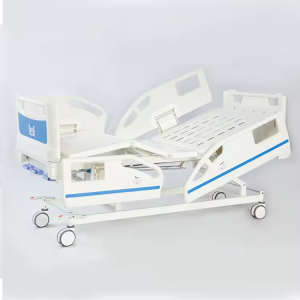
Providing proper care at home for patients with limited mobility, chronic illness, or post-surgery needs requires the right equipment. A home hospital bed is essential for safety, comfort, and convenience. Henyuan Medical offers a range of high-quality hospital beds designed specifically for home use, ensuring both patient well-being and caregiver support.
This guide will help you understand the types of home hospital beds, key features, technical specifications, real-life use cases, and essential tips to choose the right bed for home care.
1. Why Choose a Home Hospital Bed
Benefits for the Patient
-
Enhanced Comfort:Adjustable head and foot sections allow for personalized positioning to alleviate pain, aid breathing, and improve overall sleep quality.
-
Reduced Pressure Sores:Frequent repositioning enabled by the bed’s adjustability helps prevent bedsores and pressure ulcers by shifting body weight.
-
Increased Independence:Features like assist rails and adjustable height make it easier for individuals to get in and out of bed, fostering greater autonomy.
-
Better Respiratory Function:Elevating the head of the bed can significantly ease shortness of breath for individuals with respiratory conditions.
Benefits for the Caregiver
-
Improved Access:Height adjustments to the bed’s waist level reduce strain and back injuries for caregivers during daily tasks and patient transfers.
-
Safer Transfers:The adjustable height and stability of hospital beds make transfers to wheelchairs or walkers safer and more efficient, minimizing the risk of falls.
-
Easier Daily Care:Features like side rails provide added safety during repositioning and can serve as a source of support, lessening the physical demand on the caregiver.
Who Benefits Most
-
Individuals Recovering from Surgery or Injury:Adjustable positioning aids healing and reduces strain during recovery.
-
Those with Chronic Illnesses:Patients with conditions like arthritis, COPD, or other ailments benefit from the customized support and comfort.
-
Elderly Individuals:Safety features and the ability to adjust height help reduce fall risks and promote independence.
-
Patients in Palliative or End-of-Life Care:Hospital beds provide a greater level of comfort and accessibility for both the patient and their caregivers.
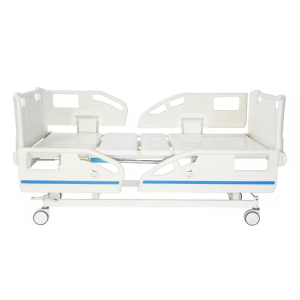
Home hospital beds are more than just furniture; they are critical for safe and effective home healthcare. Whether caring for the elderly, patients recovering from surgery, or individuals with chronic conditions, a well-designed home hospital bed can:
-
Improve patient comfort and posture
-
Reduce risk of falls and injuries
-
Make caregiver tasks easier and safer
-
Provide features for long-term care or temporary recovery
Henyuan Medical’s beds are engineered to support a wide range of patient needs, from basic manual beds to advanced fully electric beds with multiple adjustment options.
Related keywords naturally included: elderly care, chronic illness, limited mobility, home care, patient comfort, post-surgery recovery
2. Types of Home Hospital Beds
Main Types
-
Manual Beds:These are the most basic and budget-friendly option, requiring a hand crank to adjust the bed’s height and positions.
-
Semi-Electric Beds:These beds combine electric and manual features, typically allowing a remote to control the head and foot positions while the bed height is adjusted manually.
-
Fully Electric Beds:Offering the highest level of convenience, these beds provide full, push-button control over height, head, and foot positions via a remote, ideal for users needing independent adjustments.
Specialized Types
-
Bariatric Beds:Designed for individuals with higher weight, these beds offer extra width, a reinforced frame, and greater support to ensure safety and durability.
-
Low Hospital Beds:Positioned closer to the floor, these beds are excellent for patients at risk of falling, as they reduce the impact of a potential fall.
-
Hi-Low Beds:These beds can adjust their height electronically from very low to higher positions, providing versatile functionality for different care needs.
-
Trendelenburg Beds:These beds offer advanced positioning options, including full incline or recline with head and foot elevation, for more complex patient care.
Henyuan Medical provides several types of home hospital beds, each suited for different care scenarios:
| Bed Type | Description | Key Features |
|---|---|---|
| Manual Bed | Basic, cost-effective bed | Head and foot manual adjustment, simple operation, lightweight |
| Semi-Electric Bed | Motorized head and foot adjustment | Electric head/foot control, manual height adjustment, easy-to-use hand control |
| Fully Electric Bed | Motorized head, foot, and height adjustments | Backlit remote control, low-floor safety, whisper-quiet motors, hospital-grade frame |
| Low Bed | Floor-level bed for fall prevention | Reduces injury risk, includes safety rails, adjustable head/foot |
| Bariatric Bed | Designed for heavier patients | Heavy-duty frame, wide mattress, reinforced rails, increased weight capacity |
Each type is designed for home care, long-term care, or post-hospital recovery, ensuring patient safety and comfort.
3. Key Features and Benefits
Key Features
-
Adjustable Positions:The ability to adjust the head, foot, and overall bed height allows patients to find optimal positions for sleeping, sitting up, or getting in and out of bed, which is crucial for comfort, circulation, and managing conditions like swelling and breathing difficulties.
-
Safety Features:Side rails help prevent falls and provide support for movement, while locking casters prevent the bed from rolling unexpectedly, enhancing patient safety and caregiver security.
-
Specialized Mattresses:Beds often come with mattresses designed for pressure relief and support, which help distribute weight evenly, reduce pressure points, and prevent bedsores.
-
Easy to Clean Surfaces:Materials and designs that are easy to clean and disinfect are important for maintaining hygiene in a home care environment.
-
Trendelenburg Positioning (Optional):Some advanced models offer the ability to tilt the entire bed, which can be beneficial for certain medical conditions, such as improving circulation.
-
Brake System:Castors are equipped with brakes to secure the bed in place, ensuring it doesn’t move unintentionally.
Key Benefits
-
Enhanced Comfort:Customizable adjustments allow patients to find comfortable angles for sleeping or sitting, which can improve overall comfort and morale.
-
Improved Safety:Features like side rails and height adjustability reduce the risk of falls, a common concern for people with limited mobility.
-
Better Recovery & Rehabilitation:The ability to adjust positions aids patients in managing pain, swelling, and breathing issues, supporting faster recovery and ongoing rehabilitation at home.
-
Increased Independence:Adjustable features and mobility support can help patients get in and out of bed more easily, fostering greater autonomy and dignity.
-
Support for Caregivers:Beds that adjust in height make it easier for caregivers to administer care, reducing the physical strain and risk of injury on them.
-
Prevention of Complications:Features that help with pressure relief, blood circulation, and proper positioning help prevent serious issues like bedsores (pressure ulcers).
-
Reduced Hospital Visits:By providing a safe and supportive environment at home, hospital beds can help patients avoid the need for prolonged or frequent hospital stays, allowing for care within a familiar setting.
Adjustability & Convenience
Henyuan Medical beds provide adjustable head, foot, and height settings. Fully electric beds include backlit remotes for easy operation, even at night. Low beds reduce fall risk, while semi-electric beds balance affordability and convenience.
Patient Safety & Fall Prevention
-
Side rails support patients during mobility or transfers
-
Low-bed designs minimize fall risk
-
Sturdy frames and anti-slip components ensure stability
Comfort & Ergonomics
-
Adjustable angles promote proper posture
-
Pressure-relieving mattresses for long-term comfort
-
Whisper-quiet motors reduce disturbances
Home & Healthcare Compatibility
-
Suitable for home care, long-term care facilities, and rehabilitation
-
Supports patients with limited mobility, chronic illness, or post-surgical needs
4. Technical Specifications Table
| Feature | Manual Bed | Semi-Electric | Fully Electric | Low Bed | Bariatric Bed |
|---|---|---|---|---|---|
| Head/Foot Adjustment | Crank | Electric | Electric | Electric | Electric |
| Height Adjustment | Manual | Manual | Electric | Electric | Electric |
| Weight Capacity | 250–300 lbs | 300–400 lbs | 300–400 lbs | 300 lbs | 400–600 lbs |
| Safety Rails | Optional | Optional | Optional | Included | Included |
| Motor Noise | None | Low | Whisper-quiet | Whisper-quiet | Whisper-quiet |
| Mattress Included | Optional | Optional | Yes | Yes | Yes |
| Home Use Friendly | ✔ | ✔ | ✔ | ✔ | ✔ |
5. How to Choose the Right Home Hospital Bed
1. Assess Patient Needs
-
Patient Size:Determine the patient’s height and weight to select a bed with the correct width and weight capacity. Bariatric beds are available for patients needing extra width and support.
-
Mobility Level:Evaluate the patient’s ability to get in and out of bed. An electric bed with hand controls and high-low elevation is ideal for those needing assistance.
-
Caregiver Assistance:Consider the caregiver’s needs. An electric bed reduces physical strain, while footboard attendant controls can help when the patient cannot operate the bed themselves.
-
Safety & Health:For patients prone to falls, choose a bed that lowers to a safe height. For those at risk of pressure ulcers, a special alternating pressure mattress can help.
2. Evaluate Room Space
-
Measure the Room:Accurately measure the available space to ensure the bed will fit without restricting movement or caregiver access.
-
Doorway Clearance:If the bed needs to be moved between rooms, confirm its width will fit through all doorways.
-
Clearance Around the Bed:Aim for at least 3 feet of space on three sides of the bed for patient movement and caregiver assistance.
3. Select Appropriate Features
- Adjustable Features: Look for electric beds with adjustable height, head, and foot sections for comfort and to prevent bedsores.
- Safety Features: Bed rails are essential for preventing falls. Locking wheels provide stability during transfers and cleaning.
- Emergency Operation: An emergency hand crank is a valuable backup in case of a power failure.
4. Choose the Right Mattress
-
Support and Pressure Relief:Select a mattress that provides adequate support, like memory foam or gel-infused options, to prevent bedsores.
-
Compatibility:Ensure the mattress is compatible with the bed’s adjustable features and fits the bed frame perfectly.
-
Hygiene:Look for mattresses with waterproof, removable, and washable covers to simplify cleaning.
5. Consider Budget and Consult a Professional
-
Budget:Manual beds are more budget-friendly, while electric and specialized beds are a greater investment.
-
Insurance:Check with your insurance provider or Medicare to see if the cost of a medically necessary hospital bed is covered.
-
Consult Experts:A local mobility expert or healthcare professional can help assess needs and select the most suitable bed.
1. Assess Patient Needs
-
Fully immobile patients: fully electric or low beds
-
Partially mobile patients: semi-electric beds with adjustable rails
2. Bed Size & Home Compatibility
-
Measure space to ensure fit
-
Bariatric beds for heavier patients
3. Safety Features
-
Secure side rails and non-slip frames
-
Low beds for fall prevention
4. Budget & Insurance
-
Costs range from $500 for manual beds to $5,000+ for fully electric beds
-
Rental and pre-owned options available
-
Medicare may cover beds with prescription for medically necessary use
5. Additional Accessories
-
Adjustable mattresses, pressure relief pads
-
Overbed tables, remote-controlled features
6. Real-Life Use Cases
- Safety and fall prevention: Adjustable height settings allow the bed to be lowered closer to the floor, which helps prevent falls for individuals who are unsteady or confused. Side rails offer a sturdy grip for support when getting in and out of bed.
- Independence: Electric controls enable seniors to adjust the head, foot, and height of the bed on their own, reducing their reliance on caregivers. Some models can even turn into a sit-to-stand chair to assist with exiting the bed independently.
- Improved comfort: Adjusting the head and foot sections can help alleviate pain from conditions like arthritis and improve circulation and breathing issues.
- Caregiver assistance: Raising the bed to a comfortable height reduces the physical strain on caregivers during transfers, repositioning, and other personal care tasks.
Chronic illness management
- Respiratory issues: The ability to elevate the head of the bed can help individuals with conditions like COPD, congestive heart failure, or sleep apnea breathe more easily by taking pressure off the lungs.
- Circulation problems: Raising the legs can help improve circulation and reduce swelling (edema), which is beneficial for conditions like deep vein thrombosis (DVT).
- Pain management: Customizable positioning options help patients with conditions like severe arthritis or spinal injuries find the most comfortable and pain-relieving position for rest.
- Gastrointestinal reflux: Elevating the head of the bed helps prevent and manage symptoms of acid reflux by using gravity to keep stomach contents from flowing back into the esophagus.
Post-surgery and injury recovery
- Rehabilitation support: Features like trapeze bars provide individuals recovering from surgery, such as a joint replacement, with greater independence during rehabilitation exercises.
- Pain reduction: Adjustable positioning minimizes stress on incision areas, reducing pain and discomfort and promoting faster healing.
- Enhanced mobility: The adjustable height and angle make it safer and easier for patients with injuries or limited mobility to get in and out of bed.
- Prevents complications: By using features that adjust positioning and relieve pressure, these beds help prevent bedsores and improve blood circulation during prolonged bed rest.
Hospice and palliative care
- Enhanced comfort and dignity: Hospital beds offer adjustable features that are crucial for providing comfort and maintaining dignity for patients nearing the end of life. They enable easy repositioning to manage pain and improve a patient’s overall quality of life.
- Reduced caregiver burden: Electric controls help caregivers with daily tasks, such as bathing, changing linens, and administering care, without causing physical strain.
- Quiet operation: Many home hospital beds use quiet motors to reposition the patient, preventing unnecessary noise that can be distressing for a seriously ill individual.
- Access for medical equipment: These beds can accommodate necessary medical equipment like IV poles, oxygen concentrators, and over-bed tables, making care delivery more efficient and comprehensive.
Case 1: Post-Surgery Recovery
A patient recovering from knee surgery used a Henyuan Medical fully electric bed. Adjustable height and head positioning helped caregivers provide support while ensuring patient comfort.
Case 2: Elderly Care and Fall Prevention
An elderly patient used a low bed with side rails, reducing fall risks while allowing safe mobility within the room.
Case 3: Bariatric Home Care
A bariatric patient benefited from a reinforced wide bed with heavy-duty rails and pressure-relieving mattress for added safety and comfort.
Case 4: Pediatric Home Care
Children with limited mobility used semi-electric beds with padded rails, providing safety without restricting caregiver access.
7. FAQs
Q1: Does Medicare cover home hospital beds?
A: Yes. Medicare Part B may cover beds considered medically necessary. A prescription and qualifying diagnosis are required.
Q2: What is the difference between semi-electric and fully electric beds?
A: Semi-electric beds adjust head/foot manually, while fully electric beds adjust head, foot, and height using motorized controls.
Q3: Are home hospital beds comfortable for long-term use?
A: Henyuan Medical beds provide adjustable mattresses, ergonomic support, and whisper-quiet motors for long-term comfort.
8. Conclusion
Investing in a Henyuan Medical home hospital bed improves patient safety, comfort, and care quality. Whether you need a fully electric adjustable bed, low bed for fall prevention, or a bariatric bed, Henyuan Medical offers options suitable for every home care scenario.
With proper selection, technical features, and attention to patient needs, a home hospital bed becomes an indispensable tool for caregivers and families.
