

What is a 3 crank hospital bed?
First of all, 3 crank hospital bed is a manual bed, it is operated by the crank to drive the movement of the bed to get various positions for patient’s comfort or clinical need.
There are 3 cranks installed under frame near the bed foot panel, the articulated bed surface will move to have fowler or semi fowler positions by rotating the crank.
Normally, one crank is to move the back section from 0~75 degree, second crank is to move the foot section from 0~40 degree, while the third crank is to drive the height of the bed to different heights.
However, the third crank can also be designed to operate the bed trendelenburg or reverse trendelenburg instead of height adjustment.
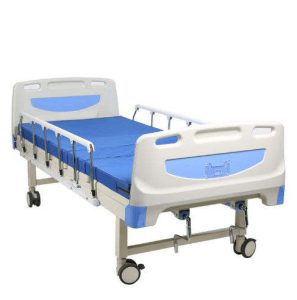
How Does Hospital Bed 3 Cranks works
Manual Cranks: Each crank is connected to a mechanical system that moves a specific section of the bed.
Backrest Adjustment: One crank controls the angle of the backrest, allowing the patient to sit up or recline.
Leg Rest Adjustment: Another crank adjusts the leg section, which can be bent for comfort or to support the patient’s legs.
Height Adjustment: The third crank controls the overall height of the bed, which is useful for transferring patients and for caregivers to work at the correct level.
Key Features of Hospital Bed 3 Cranks
No Electricity Required: This makes it a cost-effective option and suitable for areas without power.
Robust Construction: Typically made with a durable steel frame for longevity and stability.
Safety Features: Often includes side rails for patient safety and central locking castors for easy movement and stability.
Cost-Effective: A budget-friendly choice that still offers versatile patient positioning and functionality.
Versatile Use: Suitable for hospitals, nursing homes, and even home care.
What is a crank in a hospital bed?
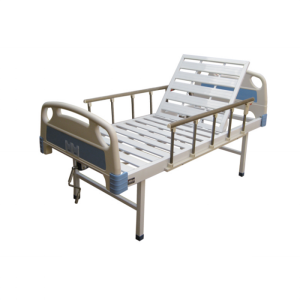
One crank controls the backrest adjustment, allowing the patient to sit up. The other crank adjusts the knee section, helping with leg elevation and comfort. ME 25 MANUAL PATIENT CARE BED, 2 CRANKS. Easy to use, comfortable and stylish design.
What is the difference between a 2 crank and 3 crank hospital bed?
A two-crank hospital bed allows for the backrest and knee sections to be adjusted up and down, while a three-crank hospital bed offers the additional function of integral height adjustment.
In healthcare, patient comfort, mobility, and safety are top priorities. A 3 crank hospital bed is a reliable, manually adjustable bed that allows caregivers to provide excellent care without relying on electricity. Popular in hospitals, nursing homes, rehabilitation centers, and home care settings, these beds offer flexibility, safety, and affordability.
This guide provides an in-depth look at the features, benefits, use cases, and buying tips for 3 crank hospital beds, helping healthcare professionals and caregivers make informed decisions.
What Is a 3 Crank Hospital Bed?
A 3 crank hospital bed is a manually operated bed with three separate cranks that control:
-
Backrest Elevation: Adjusts the upper body for comfort, reading, or eating in bed.
-
Leg Rest Elevation: Supports the legs to reduce swelling and improve circulation.
-
Height Adjustment: Raises or lowers the entire bed for safer patient transfers and easier caregiving.
Unlike electric hospital beds, 3 crank beds do not require power, making them cost-effective and suitable for areas with limited electricity access.
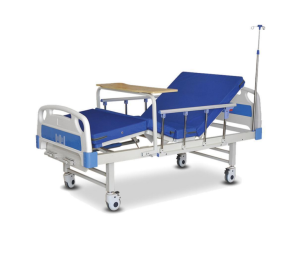
Benefits of a 3 Crank Hospital Bed
-
Enhanced Patient Comfort
Adjustable backrest and leg positions allow patients to sit, sleep, or recline comfortably, reducing strain on muscles and joints. -
Improved Safety
When combined with side rails, these beds prevent falls and provide stable support for patients with limited mobility. -
Caregiver Convenience
Height adjustments allow caregivers to assist patients without bending or straining, reducing the risk of injury. -
Affordability and Durability
Manual beds are generally more affordable than electric models and require minimal maintenance.
Types of 3 Crank Hospital Beds
| Type | Features | Best Use Case |
|---|---|---|
| Standard 3 Crank | Manual back, leg, and height adjustments | Home care and basic hospital use |
| Heavy-Duty 3 Crank | Reinforced frame, higher weight capacity | Bariatric patients or long-term care |
| With Side Rails | Equipped with safety rails | Patients prone to falls or limited mobility |
| Foldable or Portable | Lightweight frame for easy movement | Temporary care or home care with space constraints |
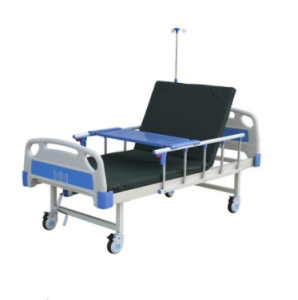
Real-Life Use Cases
1. Home Care: Anna’s Father
Anna was caring for her father after hip surgery. He struggled to sit up in bed and experienced swelling in his legs. By using a 3 crank hospital bed, Anna was able to:
-
Elevate the backrest for comfortable sitting during meals and reading.
-
Adjust the leg rest to reduce swelling and improve circulation.
-
Lower the bed for safer transfers to a wheelchair.
The bed’s simplicity and manual operation made it ideal for home care, giving Anna full control without electricity.
2. Nursing Home: Elderly Residents
In a nursing home, staff care for multiple residents with limited mobility. 3 crank hospital beds are used because:
-
The cranks are easy to operate for both staff and residents.
-
Side rails ensure resident safety while sleeping or moving.
-
The manual adjustment avoids reliance on electricity, reducing maintenance issues.
These beds help staff deliver efficient care while ensuring patient comfort and safety.
3. Hospital Recovery Wards
Post-operative patients benefit from 3 crank hospital beds because they can be positioned in semi-reclined or leg-elevated positions, reducing pressure on surgical sites. Nurses can adjust bed height to perform procedures safely and comfortably.
How to Choose the Right 3 Crank Hospital Bed
-
Patient Needs
Consider mobility, weight, and medical condition. Heavy-duty frames may be necessary for bariatric patients. -
Room Size and Bed Dimensions
Ensure the bed fits the available space and accommodates standard hospital mattresses. -
Ease of Use
Check that cranks are smooth, ergonomic, and require minimal effort to operate. -
Safety Features
Look for secure side rails, anti-slip cranks, and durable frames. -
Budget
Manual 3 crank beds are generally more affordable than electric beds, but investing in quality ensures long-term safety and durability.
Advantages of Manual vs. Electric Beds
| Feature | 3 Crank (Manual) | Electric Bed |
|---|---|---|
| Cost | Lower | Higher |
| Maintenance | Minimal | Requires electricity and occasional motor repair |
| Reliability | Works without power | Dependent on electricity |
| Adjustment Speed | Slower, manual | Faster and effortless |
| Durability | Very durable | Motors may wear out |
FAQs About 3 Crank Hospital Beds
Q: Can these beds be used in home care?
A: Yes, they are perfect for home care due to manual operation, safety features, and affordability.
Q: How heavy are 3 crank hospital beds?
A: Standard models are manageable, while heavy-duty beds are sturdier for bariatric patients.
Q: Are side rails necessary?
A: Side rails improve safety, especially for patients with limited mobility or high fall risk.
Q: Can they replace electric beds in hospitals?
A: While manual beds are cost-effective and reliable, electric beds offer faster adjustments for critical care. Many facilities use a combination of both.
Conclusion
A 3 crank hospital bed is a versatile, reliable, and safe solution for patient care. Whether used in home care, nursing homes, or hospital recovery wards, these beds provide adjustable comfort, support caregivers, and enhance patient safety.
Investing in a 3 crank hospital bed ensures that patients can recover comfortably, caregivers can work efficiently, and facilities can maintain durable, cost-effective equipment.
