

Understanding Hospital Bed Controls: A Complete Guide
In modern healthcare, hospital bed controls play a vital role in improving patient comfort and supporting caregivers. Whether used in hospitals, clinics, or home care environments, a reliable control system ensures that the bed can be adjusted safely, conveniently, and according to medical needs.
At Henyuan Medical, we specialize in manufacturing durable and ergonomic hand control pendants, remotes, and junction control boxes that meet the strict standards of today’s healthcare industry. This article explains how hospital bed controls work, the types available, safety features such as lock/unlock functions, and how to choose the right system for your facility.
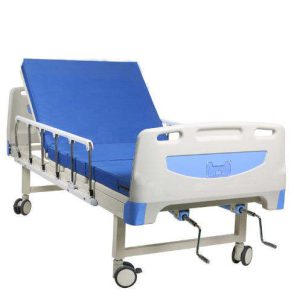
What Are Hospital Bed Controls?
How Hospital Bed Controls Work
-
Electrical Operation:
Hospital beds that are “fully electric” are plugged into a wall outlet, while “semi-electric” beds also have an electrical motor but might require manual adjustment for height.
-
Handset/Pendant:
The controls are usually integrated into a handheld remote or pendant with buttons that correspond to the bed’s functions.
-
Motors & Actuators:
The control sends signals to electric motors or linear actuators that smoothly raise or lower the different parts of the bed frame.
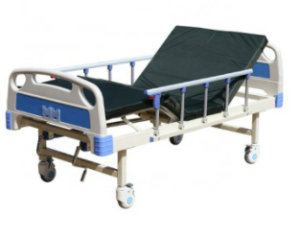
Common Functions of Hospital Bed Controls
-
Head Adjustment:
Allows the patient to sit up in bed or raise their upper body to a comfortable resting position.
-
Foot Adjustment:
Raises and lowers the leg section, including a knee break, which is beneficial for patients with circulation issues.
-
Height Adjustment:
In fully electric beds, this control adjusts the entire bed’s height, improving ergonomics for caregivers and patients.
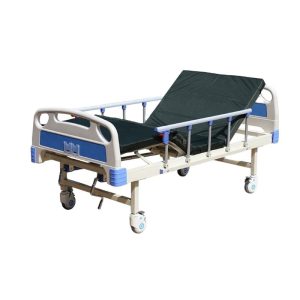
Additional Features of Hospital Bed Controls
-
Backup Battery:
Some controls have a built-in battery that allows the bed to return to a flat position in case of a power failure.
-
Grounded Plug:
A properly grounded or polarized wall outlet is often required for the control and motors to function.
-
CPR Function:
Some hospital beds have a CPR valve or button that quickly flattens the bed in an emergency.
-
Nighttime Indicators:Features like illuminated buttons can make it easier for users to operate the controls in low-light conditions.
Hospital bed controls refer to the electronic or manual devices that adjust a bed’s head, foot, or overall height. The most common type is the hand control pendant or remote, which is easy to operate and allows patients or caregivers to make quick adjustments.
Some control systems are simple, such as 2-button remotes that raise or lower the bed, while others are more advanced with 4-button or 6-button layouts that control multiple sections of the bed.
Types of Hospital Bed Controls
Manual Hospital Beds
- Control Method: Operated entirely by hand cranks.
- Functions Adjusted: Typically control the head and foot sections and the overall height of the bed.
- Pros: More affordable than electric models.
- Cons: Requires physical effort, limiting patient independence and increasing strain for caregivers.
Semi-Electric Hospital Beds
-
Control Method:
A combination of electric motors and manual hand cranks.
-
Functions Adjusted:
Electric motors control the head and foot adjustments, while a hand crank is used to adjust the bed’s height.
-
Pros:
Offers more convenience than a fully manual bed, balancing cost and features.
-
Cons:
Still requires physical effort from a caregiver or patient to change the bed’s height.
Fully-Electric Hospital Beds
-
Control Method:
Uses a motorized system controlled by a handheld remote or buttons on the bed itself.
-
Functions Adjusted:
All functions—height, head, and foot position—are electrically adjustable.
-
Pros:
Provides the greatest ease of use and comfort, allowing for seamless adjustments without physical exertion. Ideal for patients with limited mobility.
-
Cons:More expensive than manual or semi-electric beds.
1. Hand Control Pendants
-
Small, handheld devices with buttons for head, foot, and height adjustments.
-
Available in 2-button, 4-button, or 6-button formats.
-
Often connected via 7-pin plugs or RJ45 connectors.
-
Designed for ease of use by both patients and caregivers.
2. Remote Controls for Electric Hospital Beds
-
More advanced than pendants, these often include 6-button designs for precise control.
-
May feature backlit buttons for night use.
-
Can be locked by caregivers to prevent misuse.
3. Junction Control Boxes
-
Serve as the central hub of the hospital bed’s electrical system.
-
Connects the remote control, actuators, and motors.
-
Ensures that signals from the remote are translated into movement.
4. OEM Replacement Parts
-
Facilities often need replacement remotes, pendants, or control boxes to extend the life of their beds.
-
At Henyuan Medical, we provide OEM-quality parts with full warranty support.
Safety Features: Locking and Unlocking Controls
Types of Locking and Unlocking Controls
-
Mechanical Controls:
Traditional systems that use physical keys, tumblers, and bolts to secure or unlock doors and containers.
-
Electronic and Digital Controls:
Keypads, card readers, and biometric scanners (fingerprints, faces) that use electronic signals to authorize unlocking.
-
Remote Control:
Smart locks and access systems that allow users to lock or unlock doors from anywhere via a smartphone or connected device.
-
Safety Interlocks:
Specialized devices used in industrial settings that ensure machinery is safe by preventing operation unless all access points are locked and secured.
Key Safety Features
-
Prevention of Unauthorized Access:
Locks physically prevent entry by unauthorized individuals.
-
User Management:
Systems can grant and revoke access for different users, creating temporary access codes or digital credentials.
-
Tamper Alerts and Alarms:
Some systems can detect unauthorized attempts to break in and sound an alert.
-
Remote Monitoring:
Smart locks and integrated systems can provide activity logs and real-time status updates, allowing users to monitor who is coming and going.
-
Power-Fail Safety:
Safety interlocks in industrial machinery often use “power-to-release” designs, which remain locked even during a power failure, ensuring worker safety by preventing the machine from restarting unexpectedly.
Applications
-
Home Security:
Smart locks offer keyless entry, remote control, and user management for enhanced home protection.
-
Commercial Access Control:
Keypads, card readers, and biometrics control access to offices and other commercial properties.
-
Industrial Safety:
Interlock switches prevent machinery from being operated until a door or gate is properly secured, protecting workers from dangerous moving parts.
-
Automotive:Modern vehicles use remote control systems and keyless entry for locking and unlocking doors, often with child safety locks to prevent accidental openings by children.
A growing concern in patient care is preventing misuse of hospital bed controls. Some patients may accidentally press buttons, leading to unsafe positions.
-
Lock Function: Caregivers can disable certain buttons to prevent accidental adjustments.
-
Unlock Function: When the patient needs more independence, controls can be reactivated.
-
Caregiver Override: Some advanced systems give caregivers full control while limiting patient access.
This balance between safety and independence is especially important in long-term care and pediatric use.
Technical Specifications of Hospital Bed Controls
| Feature | Options Available | Application |
|---|---|---|
| Buttons | 2-button, 4-button, 6-button | Simple to advanced adjustments |
| Connector Type | 7-pin, RJ45 | Universal compatibility |
| Control Type | Hand pendant, remote, junction control box | Different care settings |
| Functions | Head up/down, foot up/down, bed height, Trendelenburg | Patient positioning |
| Safety | Lock/unlock, caregiver control, emergency manual crank | Prevent misuse, emergency use |
| Replacement | OEM parts, universal fit, brand-compatible | Easy maintenance |
Case Study: Hospital Chair Bed with Integrated Controls
One example of practical use is in hospital sleeper chairs that convert into beds. By integrating hand control pendants, visitors can adjust the backrest or leg section, making overnight stays more comfortable.
In rehabilitation centers, caregivers rely on 6-button remotes to reposition patients, reducing the risk of pressure ulcers and improving recovery outcomes.
Buying Guide: How to Choose the Right Hospital Bed Controls
To choose the right hospital bed controls, consider the patient’s mobility and physical condition to determine whether a manual, semi-electric, or full-electric bed with a user-friendly hand remote is most appropriate. Also, assess the need for safety features like alarms and bed-exit detection, along with ergonomic considerations for both the user and caregiver, such as motor noise and easy-to-use controls for comfort and independence.
-
Manual Beds:
Use hand cranks to adjust head, foot, and height. Best for patients with good mobility who can operate the cranks or when budget is a primary concern.
-
Semi-Electric Beds:
Offer electronic adjustments for head and foot sections, but still require a hand crank for height adjustments. Good for users who need help with repositioning but can manage height.
-
Full Electric Beds:
Provide motorized adjustments for head, foot, and height, controlled by a hand pendant or remote. Ideal for patients who are completely immobile or need constant, easy repositioning.
-
Adjustability:
Look for adjustable head, foot, and height settings for optimal comfort and to help prevent bedsores.
-
User-Friendly Controls:
Intuitive hand controls or one-touch buttons make adjustments easier and enhance the user’s independence.
-
Quiet Motors:
Quieter motors minimize disturbances for the user and others in the room, supporting better sleep.
-
Safety Features:
Consider features like:
- Side rails: For fall protection.
- Locking mechanisms/casters: For stability.
- Bed-exit alarms: To alert caregivers to a patient trying to get out of bed.
- Emergency stop buttons: For immediate control in emergencies.
- Side rails: For fall protection.
-
Battery Backup:
Essential for electronic beds to ensure they remain functional during power outages.
-
Caregiver Accessibility:
Consider how easily the bed can be adjusted by a caregiver, as well as its height and maneuverability for transfers and cleaning.
-
Patient’s Medical Condition:
The severity of immobility, need for specific positioning, or risk of falls dictates the level of adjustability and safety features required.
-
Space Requirements:
Measure your room to ensure the bed will fit comfortably.
-
Long-Term vs. Short-Term Use:
For extended use, prioritize durability and features that support long-term comfort and care.
-
Budget:Manual beds are most affordable, while full-electric and high-low models are a greater investment, but check for insurance or Medicare coverage.
When selecting a hospital bed control system, consider the following:
-
Compatibility – Ensure the control matches the bed’s brand, plug type, and actuator system. Henyuan Medical provides universal-fit remotes for most models.
-
Ease of Use – Patients with limited mobility benefit from large-button pendants with simple layouts.
-
Safety Features – Look for lock/unlock functions to prevent accidents.
-
Durability – Heavy-duty cables and waterproof casings extend lifespan.
-
After-Sales Support – OEM-quality replacement parts and warranty services guarantee long-term reliability.
Conclusion
Hospital bed controls may seem like a small part of the hospital furniture system, but they are essential for patient safety, caregiver efficiency, and overall comfort. From hand control pendants and 6-button remotes to junction control boxes and lock/unlock safety functions, these devices form the backbone of modern hospital beds.
At Henyuan Medical, we are committed to delivering high-quality hospital bed controls and replacement parts that ensure reliability in every healthcare setting.
