

Henyuan Medical Hospital Bed Crank: Comprehensive Guide
In healthcare and home care settings, the simplicity and reliability of a hospital bed crank system are invaluable. Henyuan Medical hospital beds with crank mechanisms provide manual control for height, head, foot, and overall bed positioning, ensuring comfort, safety, and ease of use for patients and caregivers. This guide explores different types of crank hospital beds, their features, technical specifications, replacement parts, and buying advice.
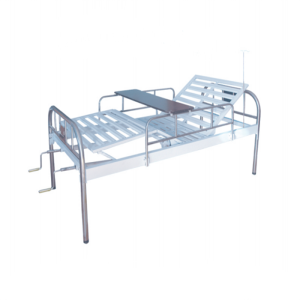
1. Introduction to Crank Hospital Beds
Crank hospital beds are adjustable medical beds that use a manual crank to control the height and position of the backrest and legs. They are a versatile and reliable option for patient care, offering adjustable features to enhance patient comfort and aid in medical procedures. Some models have a single crank for one function, while others, like the three-crank version, have separate cranks for the backrest, leg rest, and overall bed height.
Key features and functions
- Adjustable positions: Cranks control the backrest, leg rest, and/or entire bed height.
- Versatility: Can be used for a variety of purposes, such as resting, eating, or medical procedures.
- Backrest adjustment: A crank can be used to adjust the back support, often to a semi-Fowler or Fowler position.
- Leg rest adjustment: A separate crank adjusts the position of the leg rest.
- Height adjustment: A crank can raise or lower the entire bed, which is useful for caregivers and patients.
- Manual operation: Unlike fully electric beds, crank beds rely on manual effort to make adjustments.
- Emergency function: Some models can be operated manually with a crank during a power outage.
- Easy to store: Cranks can often be folded away when not in use.
Common types of crank beds
- Single-Crank: Features a single crank, usually to adjust the backrest.
- Three-Crank: Features three separate cranks for backrest, leg rest, and height adjustments.
- Four-Crank: Includes the three functions of a three-crank bed plus a fourth crank for Trendelenburg and reverse Trendelenburg positions.
Manual crank hospital beds remain popular for their reliability, cost-effectiveness, and independence from electrical power. Whether in hospitals, nursing homes, or home care, Henyuan Medical crank beds provide:
-
Precise manual adjustment of head, foot, and height
-
Options for 2-crank, 3-crank, and 4-crank designs
-
Ergonomic design for patient comfort and caregiver convenience
-
Optional CPR function for emergencies
Example: A patient recovering from surgery can adjust the headrest or knee section manually using the crank handle, providing comfort and aiding in mobility without requiring electricity.
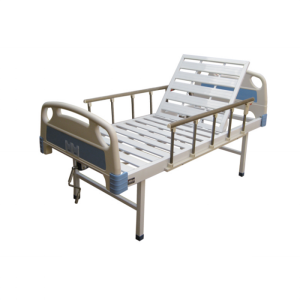
2. Types of Henyuan Medical Crank Beds
Types of manual crank beds
-
One-crank:
Adjusts the height of the head of the bed only. It’s suitable for basic needs and requires only minimal adjustments.
-
Two-crank:
Adjusts both the head section (backrest) and the foot section (knee lift) using two separate cranks.
-
Three-crank:
Adds a third crank to adjust the overall height of the bed, which is useful for caregivers to assist the patient.
-
Four-crank:
Offers the most versatility among manual beds by adding a fourth crank for specialized functions, most commonly the Trendelenburg and reverse Trendelenburg positions, which are used for specific medical treatments or to improve circulation.
Other considerations
-
Semi-electric beds:
These beds use electric motors for head and foot adjustments but require a manual crank for height adjustment, offering a middle ground between fully manual and fully electric beds.
-
Manual vs. electric:
While manual beds are the most economical, they require physical effort to operate. Semi-electric and fully electric beds offer more convenience, especially for patients who need frequent repositioning, but they are more expensive.
-
Purpose:The type of crank bed you need depends on the patient’s specific medical needs, mobility level, and the frequency of bed adjustments required.
Henyuan Medical offers various manual hospital beds tailored to different clinical and home care needs:
| Bed Type | Features | Applications |
|---|---|---|
| 2-Crank Manual Bed | Head and foot adjustment | Basic hospital care, short-term recovery |
| 3-Crank Manual Bed | Head, foot, and height adjustment, optional CPR function | ICU, rehabilitation, advanced care |
| 4-Crank Manual Bed | Head, foot, height, and Trendelenburg/Reverse Trendelenburg positions | Surgical recovery, specialized care |
| Semi-Electric Single Crank Bed | Electric height adjustment + manual head/foot crank | Home care, semi-electric convenience |
3. Key Features and Technical Specifications
Henyuan Medical crank beds are designed for safety, functionality, and durability. Below is a summary of standard specifications:
| Feature | Specification |
|---|---|
| Crank System | Manual 2/3/4-crank operation |
| Materials | Powder-coated steel frame, ABS or stainless steel rails |
| Weight Capacity | Up to 250 kg / 550 lbs |
| Height Range | 40 cm – 80 cm (adjustable with crank) |
| Mattress Compatibility | Standard hospital mattress (36” x 80”) |
| Special Features | CPR function (3 or 4-crank beds), Trendelenburg adjustment |
| Replacement Parts | Hand crank assembly, footboard crank, drive mechanisms |
4. Advantages of Using Henyuan Medical Crank Beds
Cost and reliability
-
Cost-effective:
Manual beds are typically more affordable upfront than electric models, and they have no ongoing electricity costs.
-
No power dependency:
They continue to function during power outages, ensuring uninterrupted patient care, which is critical in emergencies.
Maintenance and durability
-
Low maintenance:With fewer mechanical and electronic parts, they are simpler to maintain and less likely to malfunction, notes Vitality Medical.
-
Durable:
Manual beds are often built with heavy-duty frames, making them a reliable, long-term care solution.
Ease of use and adjustability
-
Simple operation:
The manual cranks are intuitive to use, requiring minimal training for caregivers.
-
Patient positioning:
They allow caregivers to adjust the bed’s height and the head and foot sections to optimize comfort and aid in circulation and pressure ulcer prevention.
-
Supports transfers:
They can be adjusted to a lower height to help patients get in and out of bed, or to a wheelchair.
-
Portability:Some models can be lighter and easier to move than their electric counterparts.
4.1 Reliability and Independence
Manual crank beds do not rely on electricity, making them reliable during power outages and in remote areas.
4.2 Ease of Maintenance
Crank mechanisms are simple to maintain. Replacement cranks and assemblies are easily available, ensuring long-term usability.
4.3 Patient and Caregiver Comfort
With ergonomic designs, patients can adjust bed positions effortlessly. Caregivers benefit from adjustable height settings, reducing strain during patient care.
4.4 Safety
Optional safety rails prevent falls, and the CPR function allows for rapid flattening of the bed in emergencies.
5. Buying Guide: Choosing the Right Crank Hospital Bed
Key factors to consider
-
Adjustability:
Manual beds use cranks, with a 2-crank model typically adjusting the head and leg sections, while a 3-crank model also includes height adjustment. Ensure the range of motion is sufficient for the user’s comfort and the caregiver’s needs.
-
Safety:
- Side rails: Essential for preventing falls. Look for adjustable or removable options if needed.
- Locking mechanisms: Ensure the wheels or casters have locks to keep the bed stable when stationary.
- Side rails: Essential for preventing falls. Look for adjustable or removable options if needed.
-
Patient needs:
- Weight capacity: Choose a bed with a capacity that can safely support the patient’s weight. Bariatric models are available for heavier individuals.
- Mobility: Consider the patient’s current and future mobility to determine the level of assistance needed and the type of bed controls required.
- Long-term use: If the bed is for long-term use, focus on durability and comfort to ensure it can withstand continuous use.
- Weight capacity: Choose a bed with a capacity that can safely support the patient’s weight. Bariatric models are available for heavier individuals.
-
Comfort:
Select a mattress that provides adequate comfort and is compatible with the bed frame. Some beds are designed for use with specialized pressure-relief mattresses.
-
Size:
Measure your room to ensure the bed will fit comfortably and that the user has enough space to move around.
-
Durability:
Choose a bed made from durable materials that can withstand frequent use and cleaning, especially for long-term care situations.
-
Budget:Manual beds can vary in price depending on features and quality. Set a budget and prioritize the most important features for your situation.
When selecting a Henyuan Medical hospital bed crank, consider these factors:
-
Number of Cranks
-
2-crank beds: Basic head and foot adjustments
-
3-crank beds: Add height adjustment and CPR functionality
-
4-crank beds: Include Trendelenburg and reverse Trendelenburg positions
-
-
Patient Needs
-
ICU vs. general care
-
Rehabilitation vs. short-term use
-
-
Safety Features
-
Full-length rails
-
Locking casters
-
Emergency CPR function
-
-
Maintenance and Replacement
-
Availability of replacement cranks and assemblies
-
Ease of installation for parts
-
-
Space and Compatibility
-
Bed dimensions suitable for room layout
-
Mattress size compatibility
-
Pro Tip: Always check the replacement crank parts availability, such as Henyuan Medical’s single or dual crank assemblies, to ensure longevity and uninterrupted functionality.
6. Real-Life Case Studies
Caregiver strain from manual adjustment
- Physical demands: Manual hospital beds require physical strength from caregivers to operate hand cranks and levers for adjusting bed height and sections. This effort can be a particular challenge for home caregivers, who are often elderly themselves or may have physical limitations.
- Case study on design evaluation: A 2015 study evaluated hospital bed design features during patient transport tasks. Researchers assessed features like a steering lock and adjustable push handles, finding that design improvements could reduce the physical demands on healthcare workers. However, it also noted that assessing the direct effects of a specific feature, such as a bed’s manual contour feature, requires further investigation.
- Comparison to electric beds: A review of bed types notes that manual beds can contribute to caregiver injuries, while full-electric beds significantly minimize the physical effort required for adjustments.
Patient safety risks with older or defective models
- Entrapment and strangulation: A critical case study from 2011 involved a patient at Lehigh Valley Hospital who died after being trapped between the mattress and a side rail of a defective specialty bed. The hospital called the bed “defective,” and the incident highlighted the risk of entrapment, especially for confused or agitated patients.
- Strangulation from a malfunctioning bed: A case study reported a 75-year-old nursing home resident’s strangulation death, resulting in a $1 million settlement. The patient was in a “facility bed” with a broken side rail and an insufficient mattress that could slide off. The case illustrates the danger of using and failing to repair malfunctioning or inappropriate beds.
- Pediatric deaths from automatic beds: A 1983 CDC report highlighted three pediatric deaths involving automatic, electrically operated hospital beds. The children were crushed by the bed’s pincer-like action after crawling underneath. Following the alert, the FDA recommended removing such beds from high-risk areas like pediatric wards. While not involving manual cranks, the case demonstrates how a bed’s mechanisms can pose fatal dangers when not used properly in a vulnerable population.
Limitations and patient experience
- Limited independence: Unlike electric beds, manual beds prevent patients from independently adjusting their position. This can lead to delays in receiving assistance and decreased patient autonomy.
- Desire for normalcy: Some case studies on “alternative” adjustable beds show that patients may prefer them over standard hospital beds for comfort and to maintain a greater sense of normalcy. These case studies, although not strictly about manual crank beds, illustrate general patient preferences away from traditional hospital equipment.
- Challenges with mobility: A 2022 study examined the experience of patients using alternative adjustable beds, who noted some challenges with use, although they had positive overall experiences. The study did not specify whether the beds were manual or electric, but it does highlight the importance of intuitive controls and addressing user-reported problems.
Regulatory and design considerations
- National Patient Safety Alert: Triggered by multiple reports of deaths and serious injuries, a 2023 UK National Patient Safety Alert addressed issues with medical beds and rails, including those involving wear, inadequate maintenance, and incorrect use. While not specific to crank beds, the alert reinforces the need for effective maintenance and risk assessment of all bed types.
- Patient safety features: Features like bed rails, while useful for mobility, also present risks like entrapment. Manual beds often have fixed-height frames, which can increase fall risks when transferring patients.
- Ergonomics for design: A 2019 journal article detailed the human-centered design process for a new hospital bed model, Centrella. By observing caregivers and patients, the company Hill-Rom identified issues like tangled electrical cords and hard-to-reach controls. While designing for an electric bed, this process highlights the need for ergonomic features that are often missing from basic crank bed designs.
Case Study 1: ICU Application
A hospital in Ankara introduced Henyuan Medical 3-crank manual beds in the ICU. Nurses reported easier patient handling, while patients appreciated the simple and intuitive adjustment system. The CPR function proved critical during emergency simulations.
Case Study 2: Home Care Setup
An elderly patient using a 2-crank manual bed at home found it simple to adjust the head and foot sections independently. The ergonomic design minimized strain and improved comfort for both the patient and family caregivers.
7. Maintenance and Replacement Tips
Daily maintenance
- Wipe down high-touch areas: Clean side rails, the remote control, and the crank handle to prevent germ buildup.
- Check components: Visually inspect the bed frame and other parts for any immediate damage.
- Clean the mattress: Disinfect the mattress according to manufacturer instructions, often with soap and water followed by a hospital-grade disinfectant.
Weekly maintenance
- Disinfect the frame: Thoroughly disinfect the bed frame, focusing on areas that are frequently touched.
- Change bedding: Change and launder all bedding to maintain hygiene.
Monthly maintenance
- Lubricate the crank mechanism: Apply lubricant to the gears and moving parts of the crank to ensure smooth operation and reduce wear.
- Tighten screws and bolts: Check and tighten any loose screws or bolts on the bed frame.
Replacement tips
-
Inspect for wear:
Regularly check the crank mechanism for signs of wear or corrosion.
-
Watch for mattress damage:
Inspect the mattress for tears, stains, or other signs of damage that could compromise its integrity. A visual inspection should be performed after each patient use.
-
Replace as needed:
Replace any broken or worn-out parts immediately to ensure the bed remains safe and functional.
-
Mattress lifespan:
A hospital mattress may need to be replaced every 5-7 years, depending on usage and wear and tear. The American Hospital Association recommends a 5-year replacement cycle for mattresses.
-
Use a mattress cover:Protect the mattress from stains and fluids with a mattress cover to extend its life.
-
Lubricate crank mechanisms periodically to ensure smooth operation
-
Inspect bolts and safety rails regularly
-
Replace worn or bent crank handles promptly
-
Clean frames with hospital-grade disinfectants
-
Verify mattress fit after any height adjustment
8. Conclusion
A Henyuan Medical hospital bed crank combines reliability, durability, and practical functionality. With options ranging from 2-crank to 4-crank beds, semi-electric hybrid designs, ergonomic layouts, and optional CPR functions, these beds cater to diverse clinical and home care environments. Proper selection, maintenance, and understanding of the available features ensure safety, comfort, and optimal patient care.
