

The Complete Guide to Hospital Bed Handrails: Safety, Comfort, and Smart Selection
Introduction: Why Hospital Bed Handrails Matter
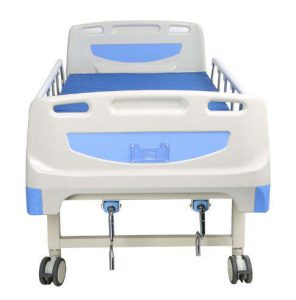
In hospital and homecare environments, hospital bed handrails—also called bed rails, side rails, or safety rails—play a vital role in ensuring patient safety and comfort. These accessories help prevent falls, assist mobility, and provide stability when patients get in or out of bed.
At Henyuan Medical, we specialize in advanced hospital furniture and patient safety solutions, offering high-quality hospital bed handrails designed for various medical and homecare applications.
1. Understanding the Function of Bed Handrails
Safety and fall prevention
-
Prevents falls:Raising the side rails creates a physical barrier to prevent patients, especially those with limited mobility or cognitive impairment, from falling out of bed.
-
Provides stability:The rails give a firm handhold, reducing the risk of slipping or losing balance when moving or attempting to get up.
-
Helps confused patients:For disoriented individuals, rails can provide a sense of guidance and a physical boundary, helping to keep them in a secure area.
Mobility and independence
-
Assists with repositioning:The handholds make it easier for patients to turn, adjust their position, and pull themselves up in bed.
-
Aids in getting in and out of bed:They provide a stable point to hold onto for support when transferring from the bed to a chair or standing up, which can reduce strain on caregivers.
-
Supports self-adjustment:Patients can use the rails to help them sit up or adjust their body without assistance, promoting a degree of independence.
Comfort and support
-
Increases comfort and security:Having a handrail can provide patients with a feeling of stability and safety, which can lead to a greater sense of comfort.
-
Can hold personal items:Many bed rails include pouches or storage options for items like a call button, phone, or water bottle, keeping them within easy reach.
Hospital bed handrails serve multiple purposes:
-
Fall prevention: Protect patients from accidentally rolling or falling out of bed.
-
Mobility support: Help users reposition or sit up with less strain.
-
Safety assistance: Provide a steady grip during transfers or standing.
-
Comfort and confidence: Reduce anxiety for elderly or post-surgery patients.
Types of Bed Handrails
Full-length rails
- Cover the entire length of the bed to prevent the patient from rolling out.
- Ideal for individuals at a higher risk of falling, especially those with cognitive decline, and are often used when caregivers are needed.
- Some can have their foot-end reduced to allow for independent exiting.
Half-length rails
- Provide support for only half the length of the bed, typically at the head end.
- They help with sitting up and adjusting position but don’t prevent a patient from sliding out the foot end.
- A good balance between safety and the ease of getting in and out of bed.
Transfer handles / Assist bars
- Smaller, sturdier bars that attach to the bed frame.
- Designed to provide a handhold for support when moving into or out of bed.
- They do not provide protection from falling out of bed and are easily removable.
Other features and types
-
Adjustable:Many rails are adjustable in length, height, or position to suit different needs.
-
Split rails:Rails that can be split, with some sections designed to be removed or lowered more easily.
-
Flip-down:Some designs can flip down for easier caregiver access to the patient.
-
With a pouch:Some half-length or head rails include an attached pouch to hold personal items.
| Type | Description | Typical Application |
|---|---|---|
| Full-Length Bed Rails | Extend the entire length of the bed, providing maximum protection. | ICU beds, hospital wards |
| Half-Length Bed Rails | Cover part of the bed, allowing easier access while maintaining safety. | Rehabilitation and homecare |
| Telescoping Rails | Adjustable in length for flexibility in patient positioning. | Multi-function hospital beds |
| Adjustable Bed Rail | Can be raised or lowered as needed, compatible with various bed frames. | Electric and manual beds |
| Assist Rails | Smaller, grip-style rails for patient support during movement. | Homecare or recovery settings |
All Henyuan Medical bed rails are made of durable powder-coated steel or stainless steel, ensuring long-term corrosion resistance and easy disinfection—crucial in clinical environments.
2. Key Features of Henyuan Medical Hospital Bed Handrails
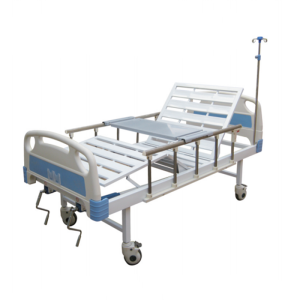
When selecting a handrail, several design and safety aspects matter most. Henyuan Medical incorporates all these in its product range:
| Feature | Specification | Benefit |
|---|---|---|
| Material | High-strength steel / aluminum alloy | Strong, lightweight, rust-resistant |
| Finish | Powder-coated, antimicrobial coating | Easy to clean, infection control |
| Adjustability | 3–5 level locking mechanism | Custom height and angle |
| Compatibility | Fits standard electric or manual beds | Universal installation |
| Safety Certification | ISO 13485 / CE Certified | Meets international hospital standards |
Our handrails also include quick-release mechanisms for emergency access—allowing caregivers to lower the rail immediately when needed.
3. Hospital vs. Homecare: Choosing the Right Bed Rail
Hospital bed rails
-
Integrated systems:Hospital beds often have built-in, full-length side rails that are raised and lowered as needed.
-
Support:They can provide support for repositioning and for getting in and out of bed.
-
Risk of entrapment:Full-length rails can pose an entrapment risk if a patient’s body gets caught between the rail and the mattress.
-
Risk of falls:They are not recommended for patients who may try to climb over them, as this can result in a more serious fall from a greater height.
Homecare bed rails
-
Compatibility:Ensure the rail is designed for the specific bed type (e.g., home beds, adjustable beds, platform beds).
-
Individual needs:A risk assessment should be performed to determine the most appropriate type of rail for the individual’s age, size, weight, and medical condition.
-
Types:Look for options like half-length rails, bedside handles, or crossbar rails.
-
Safety features:Choose rails with features like non-slip grips and locking mechanisms to prevent accidental movement.
-
Adjustability:Adjustable height and length offer customization, while swing-away or removable options provide flexibility.
-
Alternative safety measures:Consider beds that lower to the floor or use floor pads as a safer alternative to high side rails for confused patients who may climb.
Key considerations for both
-
Always follow manufacturer specifications:It is crucial to follow the manufacturer’s guidelines for installation and maintenance to prevent injuries like entrapment.
-
Consider the purpose:Bed rails are primarily for support, not to prevent a confused patient from getting out of bed.
-
Ask a professional:A competent person should conduct a risk assessment before selecting and installing bed rails.
Different environments require different solutions.
In hospital settings, full-length rails are often preferred for maximum safety, especially in ICU beds or acute care units.
For homecare, however, flexibility and aesthetics are key. Half-length or EZ adjustable bed rails are ideal for elderly patients who need freedom of movement but still require protection.
Example Case Study:
Mrs. Li, a 78-year-old recovering from hip surgery, needed a safe yet accessible bed setup. Henyuan Medical provided an adjustable half-length handrail, allowing her to reposition herself independently without caregiver assistance.
The result: improved mobility confidence, fewer nighttime falls, and better sleep quality.
4. Installation and Safety Guidelines
Installation guidelines
-
Read the manufacturer’s instructions:Always refer to the specific instructions provided with the bed rails for the most accurate installation method.
-
Align with attachment points:Securely attach the rails to the designated points on the bed frame.
-
Tighten fasteners:Ensure all fasteners and straps are tight and properly secured according to the manufacturer’s directions.
-
Position correctly:If the rails are adjustable, set them to the appropriate height for the user. The top of the rail should be high enough to prevent falls but low enough to allow comfortable egress.
-
How To Install Bed Rails: A Quick Guide – Transfer MasterJul 12, 2023 — Step 4: adjusting the rail — Once attached, adjust the rail to your preferred height. It should be high enough to prov…
-
Hospital Bed Safety GuideBed rails can significantly enhance patient safety by preventing falls, but they must be used correctly. * Installation and Adjus…The Hospital Bed Store

Safety guidelines
-
Check for gaps:Regularly inspect the bed rails and mattress to ensure there are no gaps that could cause entrapment. The FDA recommends spaces be less than4344 and three-fourths
434
inches in most areas and less than
2382 and three-eighths238
inches in others, such as under the rail at the ends.
-
Inspect for damage:Check for any visible damage, such as cracks or bends, and ensure all latches are secure.
-
Verify user compatibility:Confirm that the age, size, and weight of the person using the bed rails are appropriate for the product.
-
Avoid overreliance:Bed rails should not be the only fall prevention measure. Consider using other safety equipment like fall mats or alarms.
-
Monitor the user:Check on patients regularly, especially those with cognitive impairments, to ensure they are not at risk of falling.
-
Train caregivers:Ensure all caregivers are trained in the proper use of the bed rails.
-
Seek help if needed:If you have any doubts or are unsure about any part of the process, contact the manufacturer for assistance.

Proper installation ensures both safety and durability.
Follow these essential steps recommended by Henyuan Medical engineers:
-
Confirm compatibility: Ensure the rail fits your hospital or homecare bed frame type.
-
Secure fasteners tightly: Loose bolts increase movement risk during use.
-
Check height alignment: The top of the rail should align slightly above mattress level.
-
Perform safety checks weekly: Tighten joints, inspect wear points, and ensure locking levers engage correctly.
-
Provide caregiver training: Improper use is the leading cause of rail-related incidents.
⚠️ Safety Note: Avoid using handrails as physical restraints. The FDA emphasizes they should enhance mobility, not limit it. Always assess the patient’s cognitive and physical condition before use.
5. Comparison Table: Full-Length vs. Half-Length vs. Adjustable Rails
| Model Type | Length (mm) | Foldable | Adjustable Height | Typical Use |
|---|---|---|---|---|
| Full-Length Bed Rail | 1800 | No | Fixed | Intensive Care Units |
| Half-Length Bed Rail | 900 | Yes | Optional | Rehabilitation, homecare |
| Adjustable Bed Rail | 800–1600 | Yes | Yes | Electric beds, multi-function beds |
| Assist Handle Rail | 600 | Yes | Yes | Transfer support, mobility assist |
All Henyuan Medical hospital bed handrails comply with FDA and CE safety standards, minimizing entrapment risk and maximizing comfort.
6. How to Choose the Best Hospital Bed Handrail
Before you buy
-
Assess the user’s needs:The rail’s design depends on the individual’s mobility and fall risk.
- Length: Full-length rails offer maximum protection for those with very limited mobility, while half-length rails can be better for those who are more independent.
- Type: Consider specific features like ergonomic grips for better holding, padded surfaces for comfort, or a trapeze bar for users with limited upper body strength.
- Weight: Ensure the rail has a sufficient weight capacity to support the user safely.
- Length: Full-length rails offer maximum protection for those with very limited mobility, while half-length rails can be better for those who are more independent.
-
Check for compatibility:
- Bed: Not all rails fit all beds. Check the manufacturer’s guidelines to ensure the rail is compatible with your specific bed model.
- Mattress: The rail must be compatible with the mattress type and thickness. Using the wrong combination can create a dangerous gap where a user could become trapped.
- Bed: Not all rails fit all beds. Check the manufacturer’s guidelines to ensure the rail is compatible with your specific bed model.
-
Evaluate safety features:
- Look for a secure locking mechanism to prevent accidental movement.
- Check for non-slip grips and padding to reduce the risk of injury.
- Ensure the product meets current FDA safety standards.
- Look for a secure locking mechanism to prevent accidental movement.
Installation and use
-
Prioritize caregiver access:Choose a rail that allows for easy lowering and adjustment to facilitate patient care and transfers.
-
Inspect the installation:After setup, perform a safety check to make sure the rails are sturdy and there are no gaps where entrapment could occur.
-
Consider accessories:Think about additional accessories like storage pouches or rail covers for extra comfort and convenience.
-
Get professional help if needed:If you are uncertain about installation or selection, consult with a healthcare professional or the manufacturer.
When purchasing a hospital bed handrail, consider:
-
Bed type compatibility (manual, electric, ICU, pediatric)
-
Patient mobility level
-
Room space and caregiver access
-
Material durability
-
Ease of cleaning
-
Safety certifications
If you’re unsure which model suits your needs, Henyuan Medical’s technical team provides free consultation and installation support to ensure your setup meets international safety requirements.
7. Frequently Asked Questions (FAQ)
Purpose and function
- Preventing falls: The primary purpose is to reduce the risk of a person falling out of bed.
- Aiding mobility: They assist with repositioning, or getting into and out of bed.
- Types: They can be full-length, half-length, or a single bar, and are sometimes used to help a person stand up or brace themselves.
Safety risks and concerns
- Entrapment: A person can become trapped between the mattress and the rail, or within the rail structure itself.
- Falls: Patients may attempt to climb over the rails, which can lead to falls.
- Restraint: Using all four side rails to prevent a patient from getting out of bed can be considered a restraint.
- Limited mobility: Rails can limit a person’s ability to move freely.
Safe usage and maintenance
- Risk assessment: A competent person should perform a risk assessment that considers the user, bed, mattress, and rails to determine if rails are the right solution.
- Proper fit: Ensure the rail is suitable for the specific bed and mattress. The top of the rail should be at least 4 inches higher than the mattress surface.
- Regular inspection: Routinely check for any wear and damage, and tighten any loose parts.
- Cleaning and maintenance: Clean the rails regularly and lubricate any moving parts.
- Testing: Test all locking mechanisms regularly.
- Alternatives: Consider alternatives like netting, inflatable bumpers, or ultra-low beds to mitigate risks.
Regulations and guidelines
- Regulations and guidelines, such as those from the FDA, provide information and dimensional guidance to prevent entrapment.
- Some facilities, like assisted living facilities in California, have strict regulations on the use of bed rails, allowing them only for mobility assistance.
Q1: Can hospital bed handrails be used on homecare beds?
Yes. Most Henyuan Medical rails are compatible with both hospital-grade and homecare beds.
Q2: Are bed rails safe for dementia or Alzheimer’s patients?
Use with caution. Always assess the risk of entrapment and provide constant supervision.
Q3: How do I clean and maintain hospital bed handrails?
Use mild disinfectant wipes daily and inspect the locking mechanism weekly for smooth operation.
8. Why Choose Henyuan Medical
With over 15 years of experience in hospital furniture manufacturing, Henyuan Medical integrates precision engineering, ergonomic design, and safety-first principles in every product.
From electric hospital beds to side rails, our equipment supports global hospitals, clinics, and homecare facilities with certified quality and reliable performance.
Whether you need bed safety rails, adjustable handrails, or ICU-grade full-length rails, Henyuan Medical provides a complete line of hospital bed accessories to ensure patient comfort and caregiver convenience.
Conclusion
A hospital bed handrail is more than just a metal bar—it’s a critical safety component that protects lives and promotes independence.
By understanding the different types, installation methods, and safety standards, you can make informed choices that improve patient care.
Choose Henyuan Medical for dependable, certified, and user-friendly hospital bed handrails—designed to make every bed a safer place to heal.
