

The Ultimate Guide to Hospital Bed Rails by Henyuan Medical
Hospital bed rails are essential accessories for both hospital and home care settings. They provide patient safety, assist mobility, and improve overall comfort. At Henyuan Medical, we specialize in premium hospital bed rails designed for a wide range of bed types, including standard, bariatric, pediatric, ICU, and home care beds.
In this guide, we will explore different types of bed rails, their features, technical specifications, selection criteria, and practical use cases to help caregivers, healthcare providers, and families make informed decisions.
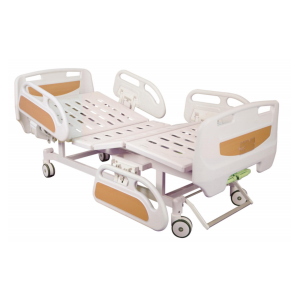
1. Types of Hospital Bed Rails
Full-Length Bed Rails
- Description: These rails extend along the entire length of one or both sides of the bed.
- Purpose: They provide continuous support and are designed to prevent patients from falling out of bed or rolling out, especially those at high risk of falls or with cognitive impairment.
- Considerations: Some may need to be dropped from outside the bed for patient access.
Half-Length Bed Rails
- Description: These rails cover only a portion of the bed, typically the top half.
- Purpose: They offer a balance between safety and independence, helping individuals sit up or adjust their position in bed, and preventing them from sliding out the top end.
- Considerations: They do not prevent patients from falling out of the bottom end of the bed.
Adjustable (Quarter) Length Bed Rails
- Description: These are a versatile type that can be adjusted in height or length to suit specific needs.
- Purpose: They can offer support for sitting up and movement while also allowing for easier patient access when lowered.
- Considerations: Their adjustability makes them adaptable to various caregiving needs.
Bed Assist Handles
- Description: These are sturdy bars or handles that attach to the bed frame.
- Purpose: They provide a secure handhold for individuals to grab as they get in or out of bed, or when moving around on the mattress.
- Considerations: They are a space-saving option and are not designed to prevent falls.
Henyuan Medical offers a variety of hospital bed rails to meet diverse patient and bed requirements:
| Type | Description | Key Features |
|---|---|---|
| Half Rails | Cover half the side of the bed | Easy access, swing-down design, adjustable height |
| Full Rails | Extend the full length of the bed | Maximum safety, falls prevention, durable materials |
| Bariatric Bed Rails | Designed for wider/heavier patients | Reinforced frame, heavy-duty construction, deep rails |
| Pediatric Bed Rails | For children’s hospital beds | Soft padding, low height, removable panels |
| Home Care Adjustable Rails | For domestic use | Lightweight, easy installation, ergonomic design |
Each type is designed with both patient comfort and caregiver convenience in mind. Henyuan Medical ensures all rails comply with safety standards and are compatible with a variety of hospital and home care beds.
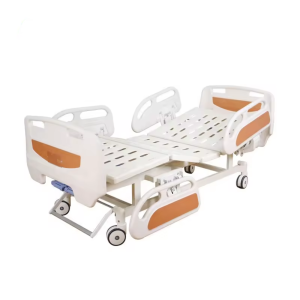
2. Key Features and Benefits
Key Features
-
Variety of Types:Rails come in different lengths and configurations, such as full-length, half-length, mesh, or transparent designs, to suit different patient needs.
-
Rigid Support:They provide a stable, rigid surface that doesn’t compress like a mattress edge, offering crucial stability for getting up or moving.
-
Secure Attachment:Rails are designed to securely attach to the hospital bed frame, ensuring they remain stable during use.
-
Accessory Points:Some rails feature hooks or other attachments for hanging items like bed controls, medical equipment, or storage pockets.
-
Padded Options:Rails can be padded or include plastic inserts to prevent injuries and reduce the risk of arms or legs becoming entrapped.
Benefits
-
Fall Prevention:The most crucial benefit is preventing falls, especially for patients who are unconscious, have limited mobility, are disoriented (e.g., dementia), or sleep restlessly.
-
Assistance with Repositioning:Patients can use the rails to hold onto and help themselves turn over or adjust their position in bed to get comfortable.
-
Safe Transfers:Rails offer a stable hand-hold and leverage points, making it safer and easier for patients to get into or out of bed without risk of falling.
-
Enhanced Comfort and Security:The presence of bed rails can provide a feeling of security and comfort for the patient, reducing anxiety.
-
Reduced Caregiver Strain:By providing a stable point for patients to push up or hold onto, bed rails can decrease the physical effort required from caregivers when assisting with transfers or repositioning.
-
A Reminder to Wait:For weak or unsteady patients, the side rail can serve as a reminder to call for assistance and wait for help rather than attempting to get out of bed unsupervised.
-
Storage and Convenience:Rails can be used to keep essential items, like remote controls or personal belongings, within easy reach, preventing them from falling or getting lost.
Choosing the right hospital bed rails is crucial. Here are the main features you can expect from Henyuan Medical rails:
-
Adjustable and Swing-Down Options
Most Henyuan Medical bed rails feature adjustable heights and swing-down mechanisms, providing flexibility for patients and caregivers. Half rails allow easy access for transferring patients, while full rails offer maximum safety. -
Fall Prevention and Safety
-
Protects patients from accidental falls, especially in ICU or home care beds.
-
Provides stable support for mobility-impaired patients.
-
Includes safety latches to prevent unintended lowering.
-
-
Material and Build Quality
-
High-grade stainless steel or durable alloy for strength and long-lasting use.
-
Smooth finishes to prevent injury or snagging of clothing.
-
Optional padding for enhanced comfort.
-
-
Patient Comfort and Usability
-
Rounded edges and ergonomic design reduce pressure points.
-
Rails can double as assist bars for patient repositioning and sitting up.
-
Easy-to-clean surfaces suitable for hospital infection control protocols.
-
3. Technical Specifications Table
| Feature | Half Rails | Full Rails | Bariatric Rails | Pediatric Rails |
|---|---|---|---|---|
| Material | Steel/Alloy | Steel/Alloy | Heavy-Duty Steel | Steel with Padding |
| Length | 36″–42″ | 72″ | 72″+ | 36″ |
| Height Adjustment | Yes | Yes | Yes | Limited |
| Swing-Down | Optional | Optional | Optional | Optional |
| Weight Capacity | 250–300 lbs | 300–400 lbs | 400–600 lbs | 150 lbs |
| Safety Features | Latches, Locking Pins | Latches, Locking Pins | Reinforced, Latches | Removable Panels |
| Installation | Tool-Free / Screw | Screw | Screw | Tool-Free / Screw |
4. How to Choose the Right Hospital Bed Rails
1. Assess the User’s Needs
-
Mobility Level:Patients needing full support for safety should use full-length rails, while more independent users may prefer half-length rails for easier movement in and out of bed.
-
Fall Risk:The user’s specific risk of falls will determine the level of protection needed.
2. Ensure Compatibility
-
Bed Type:Verify that the rails are compatible with your specific hospital bed, as not all rails fit all beds, including adjustable beds.
-
Mattress & Bed Frame:Check that the bed, mattress, and rails are designed to work together to prevent gaps where a patient’s body could become trapped.
3. Evaluate Safety & Features
-
Safety Mechanisms:Look for rails with secure locking mechanisms to prevent accidental movement and padded surfaces to minimize injury.
-
Ergonomic Design:Choose rails with features like non-slip grips or multiple ergonomic handholds for secure support.
-
Adjustability:Select rails that offer height and length adjustability for a customized fit and improved comfort.
4. Confirm Weight Capacity
- Sufficient Support: Ensure the bed rail can adequately support the user’s weight, especially if the rail will be used for repositioning.
5. Consider Caregiver Access
- Ease of Use: Select rails that can be easily lowered by caregivers to facilitate patient care and transfers.
6. Check for Regulatory Compliance
- FDA Standards: Purchase rails that meet the Food and Drug Administration’s (FDA) safety standards for effective patient protection and safe use.
Selecting the right bed rails depends on bed type, patient needs, and care environment:
-
Bed Size and Type
Measure the mattress width, length, and thickness to choose compatible half, full, or bariatric rails. -
Patient Mobility
-
Low-mobility patients benefit from full rails for fall prevention.
-
Partially mobile patients may prefer half rails or swing-down designs for easy access.
-
-
Home vs Hospital Use
-
Home care rails are often lighter and easier to install.
-
Hospital rails prioritize durability, weight capacity, and compliance with healthcare safety standards.
-
-
Safety Features
-
Look for locking mechanisms, reinforced structures, and smooth edges.
-
Optional padded rails provide added comfort for sensitive patients.
-
-
Special Needs
-
Bariatric Beds: Heavy-duty, wide rails.
-
Pediatric Beds: Low height, padded, removable.
-
5. Real-Life Use Cases
- Preventing falls during sleep: Bed rails create a physical barrier that prevents patients who are restless, disoriented, or on certain medications from accidentally rolling or falling out of bed while sleeping. This is especially common among people with dementia or neurological conditions.
- Reducing fall risk during transfers: For individuals who have difficulty getting in and out of bed, the rails can act as a sturdy handhold, providing stability and balance to reduce the risk of a fall during the transition.
Mobility and repositioning
- Assisting with movement: Patients with limited strength can use the rails to pull themselves up, turn over, or change their sleeping position in bed. This ability helps prevent bedsores and discomfort from prolonged immobility.
- Aiding rehabilitation: For patients recovering from a stroke or surgery, bed rails can provide the leverage and support needed to practice controlled movements. For example, a person with one-sided paralysis can use the rail to pull themselves into a sitting or standing position.
Patient comfort and security
- Providing a sense of security: Many patients feel a greater sense of comfort and security when bed rails are in place, particularly those who are frail, elderly, or confused. The rails provide a safe enclosure, which can help promote a more restful sleep.
- Providing access to controls: Some hospital beds are designed with integrated controls for patient comfort and positioning. Bed rails can act as a stable surface to keep remote controls or personal care items within easy reach.
Caregiver assistance
- Facilitating patient transport: When a bed is being moved, bed rails can be used to securely transport the patient, reducing the risk of a fall.
- Supporting hospital equipment: Bed rails offer a place to hang or attach necessary medical equipment, such as IV poles, drainage systems, and oxygen tubing.
Specialized applications
- Infection control: Some modern hospital bed rails are made from antimicrobial materials, such as copper, to help reduce the risk of hospital-acquired infections like MRSA.
- Smart technology: Advanced bed rail systems may include integrated sensors that can monitor a patient’s movement and alert staff if they attempt to leave the bed. This is particularly useful in intensive care units and long-term care facilities where constant monitoring is critical.
Case 1: ICU Bed in City Hospital
Henyuan Medical installed full-length adjustable rails in ICU beds. These rails prevented accidental falls, improved patient safety, and allowed staff to reposition patients easily.
Case 2: Home Care for Elderly Patients
Families using swing-down half rails for home hospital beds found it easier to assist patients during transfers and maintain independence while ensuring safety.
Case 3: Pediatric Rehabilitation Facility
Pediatric beds equipped with padded Henyuan Medical rails protected children from falling while allowing caregivers easy access for therapy and monitoring.
Case 4: Bariatric Care Center
Bariatric bed rails were reinforced to accommodate larger patients, ensuring safety during repositioning and transfers, while maintaining comfort and ease of use.
6. Frequently Asked Questions (FAQ)
What are the Risks of Hospital Bed Rails?
-
Entrapment and Strangulation:A person can become trapped between the rail and the mattress or in gaps within the rail itself, which can lead to suffocating deaths.
-
Falls and Severe Injuries:When a patient tries to climb over a bed rail, they are more likely to fall from a higher point, resulting in more severe injuries, according to Harmony Home Medical Supply and SA Health.
-
Agitated Behavior:Bed rails can make patients feel trapped and isolated, which can induce agitated behavior and confusion, especially in individuals with cognitive impairments.
-
Skin Injuries:Falling over bed rails can also cause bruising, cuts, and scrapes.
When Should Bed Rails Be Used?
-
After a Risk Assessment:A competent professional must perform a risk assessment considering the patient’s condition, the specific bed, and the mattress to determine if bed rails are appropriate and safe.
-
As a Last Resort:Bed rails should only be provided when they are proven to be the right solution to prevent falls, according to SA Health.
-
With Proper Documentation:Healthcare providers should document that the patient was offered the option of bed rails and was informed of the risks and alternatives.
What Are Alternatives to Bed Rails?
- Low-Height Beds: Using ultra-low beds minimizes the risk of serious fall injuries.
- Bed Rail Pads: These can provide added comfort and protection.
- Positioning Devices: Positional wedges can help reduce a person’s movement across the bed.
- Other Restraints: Alternatives like netting or inflatable bed sides can also be considered, but they also come with their own risks.
- Patient and Family Education: In many situations, a patient can sleep safely without bed rails. Patients and families should discuss their concerns with their healthcare team.
Q1: Can half rails prevent falls?
A: Half rails reduce the risk of falls but may not provide full protection. Full-length rails are recommended for high-risk patients.
Q2: Are adjustable rails safe for home use?
A: Yes, Henyuan Medical adjustable rails are designed for both home and hospital environments, with secure locking mechanisms.
Q3: How do I clean and maintain bed rails?
A: Use hospital-grade disinfectants or mild soap. Rails are corrosion-resistant and designed for frequent cleaning.
7. Buying Henyuan Medical Hospital Bed Rails
When purchasing hospital bed rails, consider:
-
Bed type (standard, bariatric, pediatric, ICU)
-
Patient mobility and safety needs
-
Material quality, weight capacity, and durability
-
Adjustable and swing-down features
-
Safety features like latches, padding, and smooth edges
Henyuan Medical offers a full range of rails for hospitals, home care, and specialized settings, ensuring patient safety, comfort, and durability.
Conclusion
Hospital bed rails are indispensable for patient safety, comfort, and mobility. Henyuan Medical provides a complete solution with adjustable, durable, and ergonomic rails for all types of beds. From ICU and bariatric beds to pediatric and home care settings, our rails ensure safety, assist patient mobility, and offer caregiver convenience.
Invest in Henyuan Medical hospital bed rails today to enhance safety, comfort, and overall patient care experience.
