

? The Complete Guide to Choosing the Right Hospital Bed Table – by Henyuan Medical
In modern healthcare and home care environments, hospital bed tables—also known as overbed tables—have become indispensable for both patients and caregivers. Whether it’s for enjoying a meal, reading, using a laptop, or supporting medical devices, a hospital bed table enhances comfort, accessibility, and safety.
At Henyuan Medical, we design ergonomic and adjustable hospital bed tables engineered to meet professional hospital standards while offering convenience for home care settings. This article will guide you through every aspect of selecting the perfect table — from structure and features to pricing and maintenance.
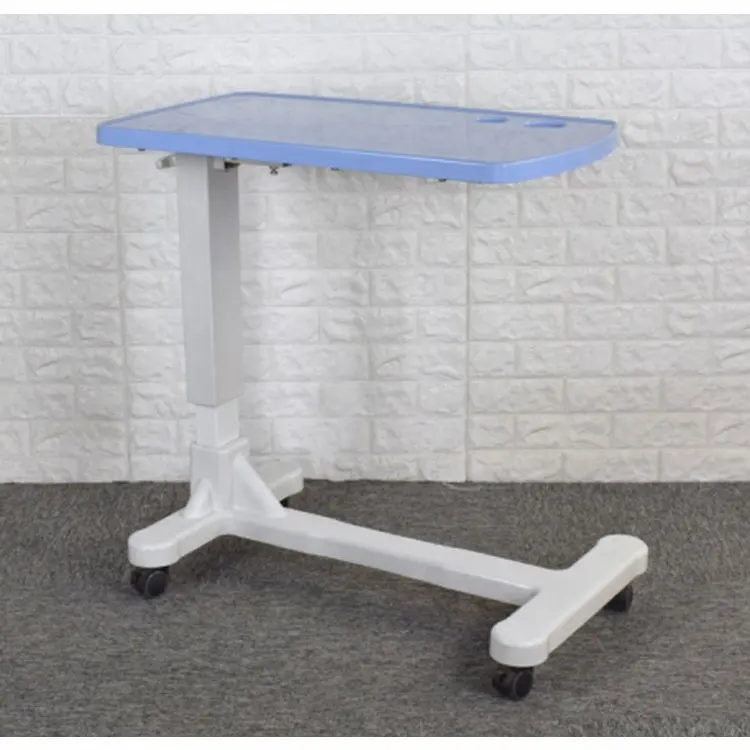
? What Is a Hospital Bed Table?
Key Features and Uses:
-
Adjustable Height:The table’s height can be customized to suit the user, whether they are in a hospital bed, a wheelchair, or a chair.
-
Mobility:A base with wheels allows for effortless movement and positioning of the table where it’s most needed.
-
Stable Surface:The tabletop offers a flat, stable platform for activities like eating meals, reading books, writing, or using a laptop.
-
Convenient Storage:Some tables come with drawers for storing personal items, books, or other essentials.
-
Versatility:They are used in hospitals, nursing homes, and home care settings for patients on bed rest or for general convenience.
How It Works:
A hospital bed table (also called an overbed table or bedside rolling table) is a movable surface designed to slide over a hospital or home-care bed. It serves multiple functions:
-
Supporting meals, reading, writing, or computer use.
-
Holding medical supplies, monitoring devices, or mobility aids.
-
Providing a stable and hygienic work surface for caregivers.
Unlike ordinary tables, Henyuan Medical’s hospital overbed tables feature height-adjustable mechanisms, smooth-rolling casters, and easy-clean surfaces to ensure convenience and infection control.
⚙️ Types of Hospital Bed Tables
Based on Tabletop Design
-
Tilt-Top Overbed Tables:These are designed with a tilting surface to provide a comfortable angle for reading books or using a laptop.
-
Non-Tilt Overbed Tables:These offer a flat, stable surface, which is ideal for activities like eating meals or playing tabletop games.
Based on Functionality & Technology
-
Heavy-Duty (Bariatric) Overbed Tables:Built for patients with higher weight needs, these tables have larger, stronger frames to support heavier loads, up to 500 pounds.
-
Auto-Touch Overbed Tables:These tables allow for effortless height adjustment with a light touch, making them very easy to use for patients or caregivers.
-
Manual Height Adjustment:Standard tables are adjusted using a spring-loaded mechanism or a simple twist knob, locking into place to provide a stable surface.
Specialized Overbed Tables
-
Pediatric Overbed Tables:Designed with smaller features and potentially colorful options to meet the needs of younger patients.
-
Cardiac Overbed Tables:Specialized tables designed to support patients with cardiac or respiratory conditions, often with features like increased convenience for treatment supplies.
Key Considerations for All Types
-
Height Adjustability:Ensures the table can be positioned at the optimal level for the patient’s activities.
-
Mobility:Most overbed tables are on wheels, allowing for easy movement around the room or home. Look for wheels with locks to prevent the table from sliding away.
-
Tabletop Shape:Overbed tables can have different base shapes, such as U-shape, H-shape, or C-shape, which affects how well it fits with different bed types.
Different environments require different types of overbed tables. Below is a quick comparison table covering the main categories found across leading hospitals and home care suppliers:
| Type | Description | Key Features | Suitable For | Keywords Covered |
|---|---|---|---|---|
| Standard Overbed Table | Simple height-adjustable tabletop with fixed base | Height adjustment, tiltable surface, casters | Hospitals, clinics | hospital bed table, overbed table |
| Adjustable Tilt Table | Allows angle adjustment for reading or writing | Tilting mechanism, safety lock, steel frame | Home recovery, rehabilitation | adjustable hospital table |
| Split-Top Overbed Table | Two-part top: one fixed, one movable | Dual-function use, convenience for meals | Hospitals and home users | split-top overbed table |
| Rolling Bedside Table | Mobile table on wheels with height control | 4-wheel casters, sturdy frame | Elderly home care | rolling table for patients |
| Electric Overbed Table | Motorized lift and tilt | Touch control, smooth motor, high-end design | ICU or advanced home care | electric overbed table |
| Foldable Bed Table | Compact, portable design | Foldable legs, lightweight | Limited spaces or travel use | foldable hospital bed table |
? Why the Hospital Bed Table Is Essential for Patient Care
Benefits for Patients
-
Enhanced Comfort and Convenience:Patients can use the table to hold meals, water, personal belongings, books, or devices, making their hospital stay more comfortable and less reliant on others.
-
Increased Independence:Overbed tables give patients the ability to manage their own activities, such as eating or using a laptop, which fosters a sense of independence during their recovery.
-
Ergonomic Support:The height adjustability allows patients to position the table for optimal comfort while eating, reading, or doing other activities, reducing muscle strain and discomfort.
-
Improved Well-being:The ability to engage in hobbies and connect with loved ones via devices on the table can alleviate boredom and mental strain, contributing to a positive healing environment.
Benefits for Clinicians and Caregivers
-
Support for Medical Tasks:The table provides a clean, stable surface for caregivers to place essential tools, medications, and even lightweight medical equipment like IV pumps or monitors during procedures.
-
Facilitates Rehabilitation:Overbed tables serve as a critical tool in rehabilitation settings, supporting patients during therapy exercises and helping them regain mobility and strength.
-
Promotes Infection Control:The easy-to-clean surfaces of overbed tables, when properly maintained, help in controlling the spread of infection by providing a sterile or easily sanitized surface for patient care.
-
Ergonomic Workspace:Adjusting the table’s height allows caregivers to work at a comfortable and safe level, reducing the risk of strain and injury while providing care.
Key Features
-
Adjustable Height:The ability to adjust the table’s height is crucial for accommodating the specific needs of individual patients and providing ergonomic support for both patients and staff.
-
Mobility:Most tables are equipped with casters, allowing them to be easily moved where needed for cleaning, patient repositioning, or to accommodate a different patient.
-
Stability and Durability:Sturdy construction ensures the table can reliably support the weight of meals, equipment, and personal items, providing a secure surface for all uses.
A hospital bed table is much more than an accessory — it is a vital component of patient-centered care.
According to healthcare research and infection control experts, surfaces like overbed tables are among the most frequently touched in patient rooms. Clean design, antimicrobial surfaces, and easy disinfection help reduce contamination risks.
At Henyuan Medical, our tables are designed with:
-
Seamless edges for hygiene control.
-
Powder-coated steel frames resistant to corrosion.
-
High-density laminated tops for durability and cleanliness.
-
Silent casters for smooth and quiet mobility.
These design details ensure safety and convenience for both patients and caregivers — in hospitals, nursing homes, and private homes alike.
? Technical Specifications – Henyuan Medical Adjustable Overbed Table HY-402
| Feature | Specification |
|---|---|
| Frame Material | Powder-coated steel |
| Tabletop Material | ABS or laminated wood, rounded corners |
| Height Adjustment Range | 700–1000 mm |
| Tilt Range | 0–45° |
| Lock Mechanism | Hydraulic assist with safety lock |
| Casters | 4 smooth-rolling 2-inch wheels (2 lockable) |
| Surface Size | 800 × 400 mm |
| Load Capacity | 30 kg |
| Disinfection Compatibility | Alcohol & UV safe |
| Optional Accessories | Cup holder, laptop groove, drawer unit |
This model combines durability, hygiene, and ergonomic comfort, making it a best choice for hospitals and home caregivers.
? Use Cases: From Hospitals to Home Care
Use Cases in Hospitals
-
Patient Dining:A stable surface to place food trays for easy access and comfortable eating while in bed.
-
Medical Equipment:Used by healthcare staff to hold medical supplies, instruments, or equipment during procedures or patient care.
-
Patient Comfort:Provides a stable platform for personal items such as books, laptops, phones, or tablets, enhancing patient engagement and comfort.
Use Cases in Home Care
-
Enhanced Independence:Patients with limited mobility can use the table for dining, working, reading, or engaging in hobbies like sketching or crocheting from their bed.
-
Caregiver Assistance:Helps caregivers by providing an ergonomic surface to serve meals, distribute medications, and manage other daily tasks, reducing the need for constant bending and strain.
-
Workstation Alternative:Offers a portable, adjustable workstation for tasks like paying bills, using a laptop, or reading.
-
Versatile Platform:A stable, adjustable surface for various activities and personal items, improving the patient’s quality of life and comfort at home.
Key Features & Benefits
-
Adjustable Height:Flexibility to suit individual patient needs and preferences, enhancing comfort.
-
Mobility:Lockable swivel casters allow for easy maneuverability and relocation from one room to another.
-
Multifunctionality:Designed to accommodate diverse uses, making them adaptable to various situations.
-
Ergonomic Design:Reduces physical strain on both patients and caregivers by providing a stable and comfortable working surface.
? Hospital Use
In hospitals, Henyuan Medical overbed tables are commonly paired with electric hospital beds. Their stable surface supports meals, charts, medical tools, and laptops — keeping everything within patient reach.
? Home Care for the Elderly
For families caring for elderly relatives, hospital bed tables for home use bring independence and comfort.
For instance, a caregiver in California shared:
“My mother uses the Henyuan adjustable hospital bed table every day. She can eat, read, and even video call her friends without needing help. It gives her dignity and convenience.”
? Rehabilitation & Nursing Facilities
Nursing homes use these tables alongside manual and electric hospital beds to assist daily living and improve workflow efficiency.
? Cost Comparison & Buying Guide
| Table Type | Price Range | Key Features | Best For |
|---|---|---|---|
| Basic, Non-Tilt | $50–$100 | Height-adjustable, non-tilting top, and simple H-shaped or C-shaped bases on rolling casters. | Users with basic needs for eating, storing items, or working on a flat surface. |
| Deluxe, Tilting | $100–$250 | Features a tilting top, often with a raised lip to prevent items from sliding off. May include a split-top design with one fixed and one tilting surface. | Reading, writing, or using a laptop in bed. |
| Specialty Tables | $150–$400+ | Designed for a specific use, such as fitting under a seat lift chair or offering a wider, bariatric capacity. | Users with a seat lift chair or those who need a heavy-duty table. |
| Executive / High-End | $500–$1,500+ | Built from high-quality wood or metal with advanced ergonomics. Features may include automatic height adjustment, dual surfaces, vanity storage, and other conveniences. | Extended home-office use or for those who prioritize durability and premium features. |
- Adjustability: A height-adjustable table is essential for comfort and versatility. If you plan on using the table for reading or writing, look for a model with a tilting top.
- Stability: Ensure the base is sturdy enough to prevent wobbling, especially if you will use the table for eating or working on a laptop.
- Mobility: Look for a table with smooth-rolling, locking wheels. This allows you to easily move the table and lock it securely in place.
- Tabletop: A tabletop with a raised rim can prevent spills. A split top offers both a tilting and a flat surface, while a built-in cup holder can be a useful convenience.
- Base style: Choose a base shape (H, C, or U) that fits your bed frame or chair. C- and U-shaped bases are particularly useful for sliding closer to a user in a wheelchair.
- Weight capacity: Check the manufacturer’s weight limit, which can range from 20 to over 100 pounds. Choose a table with an appropriate capacity for how you intend to use it.
Materials and construction
- Top material: Tops are typically made of wood-grain laminate or molded ABS plastic. Laminate has a more traditional look, while ABS is highly resistant to moisture and easier to clean.
- Frame material: The frames are generally made of durable, chrome-plated steel or aluminum. Welded steel construction provides superior strength and longevity.
Purpose
- Basic use: For simple tasks like eating meals in bed, a standard, non-tilting model is a budget-friendly option.
- Work or reading: A deluxe table with a tilting top and a stable base is the best choice for holding books, tablets, or a laptop.
- Convenience and aesthetics: High-end tables offer advanced functionality and premium finishes for a more comfortable and appealing experience.
The price of hospital bed tables depends on materials, functions, and brand specifications.
Below is a reference price chart based on current market data:
| Type | Average Price (USD) | Features | Ideal Use |
|---|---|---|---|
| Standard Manual Table | $80 – $150 | Manual height control, wheels | Hospitals & clinics |
| Tilt-Adjustable Table | $120 – $200 | Tilting top, easy lock | Home use |
| Split-Top Overbed Table | $150 – $250 | Dual surface | Multifunctional home setup |
| Electric Overbed Table | $300 – $600 | Motorized lift | ICU / advanced care |
| Premium Medical Table | $500+ | Chrome finish, drawers | Private hospital suites |
? Tip: Henyuan Medical offers OEM/ODM services and global export solutions, ensuring top-tier performance at competitive pricing.
? How to Choose the Right Hospital Bed Table
Key Features to Consider
-
Adjustable Height and Angle:This is crucial for patient comfort and usability. The ability to adjust the height and angle allows the table to be positioned at a comfortable level for eating, reading, or other activities, whether the patient is sitting up or lying down.
-
Sturdy Construction:A well-built, sturdy table with a durable frame and surface is essential for safety and longevity, ensuring it can withstand the weight of medical equipment or food.
-
Wheels:Look for tables with swivel and lockable castors (wheels) to allow for easy maneuverability around a room but also to ensure stability when in use.
-
Storage Options:Integrated drawers or compartments help keep personal items, medications, and other necessities organized and within the patient’s reach, reducing clutter.
-
Easy-to-Clean Surfaces:Hospital environments require high levels of hygiene, so choose a table with surfaces that are easy to clean and sanitize.
-
Ergonomic Design:An ergonomic design considers the patient’s comfort and ease of use, making activities easier and less stressful.
-
Compatibility:Ensure the table’s base is designed to slide easily under the specific type of bed the patient is using.
Factors to Personalize Your Choice
-
Patient’s Needs and Mobility:Consider how much time the patient spends in bed and their level of mobility to determine the features most beneficial for their daily activities.
-
Intended Use:For a patient who spends most of their day in bed, an adjustable table is a must.
-
Budget:Overbed tables vary in price; budget models offer basic functionality, while more expensive options provide additional features like built-in lighting or charging ports.
When selecting your hospital bed table, consider these critical factors:
-
Adjustability:
Choose adjustable height and tilt angles to adapt to various activities. -
Base Compatibility:
Ensure the table fits under hospital beds, recliners, or wheelchairs. -
Safety Locks:
Tables should include wheel locks and tilt locks to prevent sliding. -
Cleaning and Infection Control:
Opt for smooth, waterproof surfaces that can be sanitized easily. -
Mobility:
Choose rolling tables with casters for effortless movement between rooms. -
Weight Capacity:
Check load ratings to safely support laptops, meals, or medical devices.
? Maintenance & Hygiene Tips
Hygiene Tips
-
Daily Cleaning:After each patient use or at the end of the day, wipe down the table surfaces with a damp microfiber cloth to remove visible dirt.
-
Disinfection:Apply an EPA-approved disinfectant, ensuring it covers all surfaces. Allow the disinfectant to sit for the manufacturer-recommended contact time and then let the surface air dry before the next use.
-
High-Touch Areas:Pay special attention to frequently touched surfaces, such as the table’s edges, height adjustment controls, and the remote for bed adjustments.
-
Dispose of Linens:If linens are on the table, remove and dispose of soiled linens before cleaning.
-
Prevent Contamination:Use a separate, clean cloth for each cleaning task to prevent cross-contamination.
Maintenance Tips
-
Clean and Lubricate Wheels:Regularly clean and lubricate the casters to ensure the table moves smoothly.
-
Check Height Adjustment:Test and lubricate the height adjustment feature as needed to ensure it functions properly.
-
Inspect for Damage:Conduct a monthly inspection to check for any loose parts, signs of wear, or damage to the table.
-
Protect the Surface:Use pads on the table to protect the surface from direct heat or sharp objects.
-
Deep Cleaning:Schedule a deep clean quarterly or monthly to address areas not covered by daily cleaning routines and prevent the buildup of dust and contaminants.
-
Clean daily with hospital-grade disinfectants.
-
Avoid harsh solvents to preserve coating.
-
Check caster mobility monthly.
-
Replace hydraulic locks every 2–3 years.
Henyuan Medical also provides replacement parts and accessories to extend product life and reduce long-term costs.
? Conclusion: Why Choose Henyuan Medical Hospital Bed Tables
A hospital bed table may seem simple — but it’s a cornerstone of patient comfort, caregiver efficiency, and hygiene safety.
At Henyuan Medical, every table is built with precision engineering, infection-resistant materials, and ergonomic functionality to serve hospitals, clinics, and homes worldwide.
Our mission:
To make every patient’s daily life more comfortable, convenient, and dignified.
? Contact Henyuan Medical
For product catalogs, bulk orders, or customization inquiries:
? Website: https://medfurni.com
? Email: [email protected]
? WhatsApp: +86 19112802244
