

In healthcare settings, patient safety and comfort are top priorities. A hospital bed with rails is an essential solution for hospitals, nursing homes, and home care, providing both protection and support for patients who are bedridden or have limited mobility.
This article explores the benefits, types, use cases, and buying tips for hospital beds with rails, helping caregivers and healthcare professionals make informed decisions.
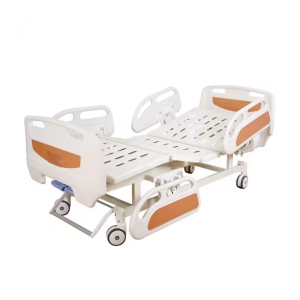
What Is a Hospital Bed with Rails?
A hospital bed with rails is an adjustable bed, also known as a medical or homecare bed, that features side rails designed to provide safety and support for individuals with limited mobility or chronic conditions. The rails serve to prevent falls, assist with repositioning, and help with transfers in and out of the bed.
Purpose of Bed Rails
Fall Prevention: The primary purpose is to reduce the risk of patients falling out of bed.
Mobility Assistance: Rails provide a stable surface for patients to hold onto when changing positions in bed or transferring to a wheelchair or walker.
Support for Transfers: They offer support for getting into and out of bed.
Sense of Security: Rails can offer a feeling of security and comfort for users and their caregivers.
Key Features
Adjustability: Rails can often be raised or lowered to suit different needs and patient sizes.
Varied Designs: They come in various lengths, including full-length or half-length designs, depending on the patient’s condition and bed type.
Compatibility: Rails are designed to attach to specific bed frames, and it is important to ensure a proper fit to prevent patient entrapment.
Accessories: Protective pads can be added to the rails for cushioning and safety.
Safety Considerations
Appropriate Mattress: Use a mattress that fits the bed frame and does not create a gap between the mattress and the rail, which could trap the patient.
Ongoing Assessment: Regularly assess the patient’s physical and mental status when bed rails are in use.
Alternative Measures: If bed rails are not suitable, consider alternatives like lowering the bed, placing mats on the floor, or using cushion bumpers.
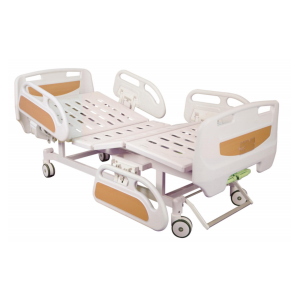
What is the purpose of using a bed rail on a hospital bed?
The Benefits and Risks of Bed Rails
Providing a hand-hold for getting into or out of bed. Providing a feeling of comfort and security. Reducing the risk of patients falling out of bed when being transported. Providing easy access to bed controls and personal care items.
Benefits of Hospital Beds with Rails
Hospital beds with rails provide significant benefits, including enhanced safety, improved independence, and easier caregiving. However, they also carry risks and must be used judiciously after a proper assessment of the patient’s individual needs.
Benefits for patient safety and independence
Preventing falls: Rails serve as a physical barrier to prevent a person from accidentally rolling or falling out of bed, which is especially important for the elderly, individuals with dementia, or those with uncontrolled body movements.
Assisting with mobility: They provide a sturdy handhold for individuals with mobility issues or weakness to use when repositioning themselves in bed, or when getting in and out of bed. This allows the patient to maintain a degree of independence.
Providing comfort and security: For some, bed rails offer a sense of security and a feeling of being protected while in bed.
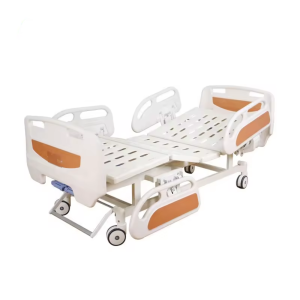
Benefits for caregivers
Assisting with repositioning: Bed rails provide leverage for caregivers and patients when repositioning in bed, which helps prevent bedsores and other complications from immobility.
Reducing physical strain: The rails and the bed’s adjustable height reduce the need for caregivers to bend or strain their backs when assisting a patient.
Organizing equipment: Rails can be used to attach storage pockets for remotes, medical devices, or other personal items, keeping them within easy reach.
Creating a safer environment: Hospital beds with rails, along with other features like lockable wheels and adjustable height, create a more secure environment for both the patient and the caregiver.
Risks and safety concerns
Entrapment: A serious risk is the potential for the patient to get trapped between the bed rails and the mattress, which can lead to strangulation, suffocation, or serious injury. This risk is especially high for patients who are frail, elderly, or confused.
Increased fall severity: For patients who try to climb over the rails, a fall from a greater height can lead to more serious injuries than a fall from a low bed.
Psychological distress: Bed rails can make some patients feel isolated or confined, particularly those with dementia, which can lead to agitation and an increased risk of injury.
Loss of independence: Using rails as a restraint, or for patients who could get out of bed on their own, can limit their independence and discourage safe mobility.
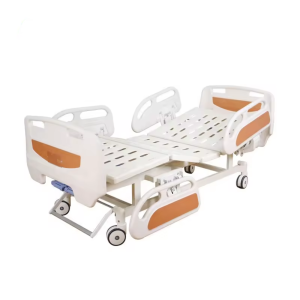
Important considerations
Due to the risks, bed rails should not be used as a restraint or as a substitute for proper monitoring. When using bed rails, it is critical to follow FDA safety guidelines, including these steps:
Perform a patient assessment: Evaluate the individual’s mental and physical condition to ensure bed rails are appropriate for their needs.
Check compatibility: Ensure the bed frame, mattress, and rails are compatible with each other to prevent dangerous gaps.
Use properly: Make sure all parts are securely installed and in good working condition. Regularly check for any hazards.
Use judiciously: Consider lowering one or more sections of the rails, or using half-length rails, to allow for more freedom of movement while still providing support.
Alternatives to bed rails
For some individuals, alternative safety measures may be more appropriate:
Low beds: Adjustable beds that can be lowered closer to the floor minimize the distance of a fall.
Bedside mats: Cushioned mats placed on the floor next to the bed can soften a fall.
Assist poles: Vertical, floor-to-ceiling poles can provide a grab bar for assistance when getting in and out of bed.
Bed exit alarms: These alert caregivers if a person gets out of bed, allowing for a quicker response.
Positioning aids: Wedges or foam bolsters can be used to help with repositioning and to prevent rolling.
Types of Hospital Beds with Rails
| Type | Features | Ideal Use Case |
|---|---|---|
| Full-Length Rails | Extend along the bed’s entire side | Patients needing maximum fall protection |
| Half-Length Rails | Cover half the bed side | Patients who need support but not full restraint |
| Adjustable Rails | Can be raised or lowered | Flexible use for different patient needs |
| Detachable Rails | Easily removed | Convenient for transport or home care |
Real-Life Use Cases
1. Home Care: Elderly Safety
Mary, a caregiver for her 78-year-old father, noticed he struggled to get out of bed safely after surgery. By using a hospital bed with rails, Mary provided her father with support and fall protection. The adjustable rails allowed him to sit up independently, reducing anxiety and improving recovery comfort.
2. Hospital Ward: Post-Surgery Recovery
In a post-operative ward, patients recovering from orthopedic surgery require additional support. Nurses use hospital beds with rails to ensure patients do not accidentally fall while sleeping or moving. Rails also assist in safely transferring patients from the bed to wheelchairs.
How to Choose the Right Hospital Bed with Rails
To choose the right hospital bed with rails, first assess the user’s health and safety needs, such as mobility, risk of falls, and any specific medical conditions requiring features like adjustable rails or pressure relief mattresses. Next, consider the bed’s adjustability, including height, head, and foot elevation, and ensure its weight capacity and dimensions fit the user and room. Evaluate safety features, such as locking wheels, bed exit alarms, and the type and length of side rails. Finally, determine caregiver needs, such as ease of cleaning, maneuverability, and the need for add-ons like IV poles or trapeze bars.
1. Assess Patient Needs
Mobility Level: Determine if the user has limited mobility, falls frequently, or needs assistance adjusting in bed.
Fall Risk: High-risk patients may require more extensive side rail coverage or safety alarms.
Medical Conditions: Some conditions necessitate special features, like adjustable head and footrests, or particular mattress types to prevent bedsores.
Short-Term vs. Long-Term: This helps determine the level of durability and advanced features needed.
2. Consider Bed Features
Side Rails: Choose between half-length, full-length, or adjustable rails based on the user’s support needs, ensuring they securely lock.
Adjustability: Look for beds with adjustable height, backrest, and knee elevation to improve comfort and aid transfers.
Weight Capacity: Ensure the bed can safely support the user’s weight, considering bariatric options for heavier patients.
Mattress Compatibility: Select a mattress—foam, air, or gel—that fits the bed frame and meets the user’s specific needs, such as pressure redistribution.
Power Backup: For electronic beds, a battery backup is crucial to ensure continued functionality during power outages.
3. Evaluate Space and Maneuverability
Room Size: Measure the available room space to ensure the bed will fit and allow for caregiver access and movement.
Mobility and Locking Wheels: Check for sturdy casters with locking mechanisms to secure the bed during use but allow for easy repositioning for cleaning or emergencies.
4. Factor in Caregiver Needs
Ease of Operation: Choose beds with simple, user-friendly controls for caregivers to operate the bed’s features.
Caregiver Ergonomics: An electrically adjustable bed can reduce strain on caregivers.
Add-ons: Consider if accessories like overbed tables, trapeze bars, or IV poles are necessary for care.
FAQs About Hospital Beds with Rails
Q: Can rails cause injury if used improperly?
A: Yes, incorrect use may lead to entrapment or bruising. Always follow manufacturer instructions and adjust rails based on patient needs.
Q: Are hospital beds with rails suitable for home use?
A: Absolutely. Adjustable and detachable rails make them safe and convenient for home care.
Q: Can rails be added to any hospital bed?
A: Most beds support rail attachments, but it is essential to check compatibility and weight limits.
Conclusion
A hospital bed with rails is an essential investment for patient safety and comfort. Whether in hospitals, nursing homes, or home care, these beds help prevent falls, provide support, and enhance overall care.
By choosing the right type of rails, caregivers can improve mobility, reduce stress, and create a safer environment for patients of all ages.
