

Henyuan Medical Hospital Bed with Remote Control: Complete Guide
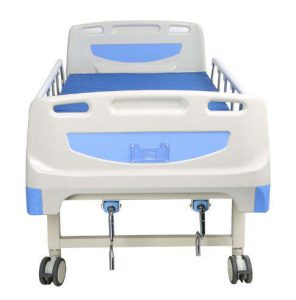
In modern healthcare, the comfort and functionality of a hospital bed are paramount. Henyuan Medical hospital beds with remote control offer advanced features to improve patient care, facilitate nursing tasks, and enhance the overall hospital experience. This guide covers everything you need to know about these innovative beds, including adjustable electric beds, ergonomic designs, safety features, technical specifications, and practical buying tips.
1. Why Choose a Hospital Bed with Remote Control?
For the user
-
Independence and empowerment:
Users can adjust their own position for comfort without relying on another person, which is especially helpful for those who are alone or have limited assistance.
-
Customizable comfort:
A remote control allows for frequent, small adjustments to find the most comfortable position for activities like eating, reading, or sleeping.
-
Improved health:
The ability to easily reposition helps reduce pressure on the body, which can prevent bedsores and improve circulation.
For caregivers
-
Reduced physical strain:
Caregivers do not need to manually crank or lift the bed, which significantly reduces the risk of back and muscle strain associated with heavy lifting.
-
Easier transfers:
Adjusting the bed height makes it much easier and safer to help a person move from the bed to a wheelchair or another surface.
-
More efficient care:
Caregivers can spend less time on manual adjustments and more time on other essential tasks, leading to a more efficient care routine.
For safety and convenience
-
Safety features:
Many beds have built-in safety features like side rails and a lock-out function on the remote to prevent the user from accidentally adjusting the bed into a dangerous position.
-
Convenient adjustments:
The remote control allows for smooth, quiet adjustments without disturbing the user, especially for features like the backrest.
-
Programmable options:Some models offer programmable settings to save a user’s preferred position, allowing them to return to it with the push of a single button.
Remote-controlled hospital beds are a game-changer in patient care. With Henyuan Medical’s full electric beds, patients can easily adjust the head, foot, and height positions of their beds without needing to call for assistance. This flexibility supports mobility, reduces pressure ulcers, and improves overall comfort.
Key Benefits:
-
Easy adjustment with wireless or corded hand control pendant
-
Ergonomic positions for sleeping, reading, and recovery
-
Enhanced safety with full-length safety rails
-
Suitable for hospitals, nursing homes, and home care
Example Use Case:
A patient recovering from surgery can elevate their head to 45° for eating or reading, while a nurse can adjust the bed height to a comfortable level for treatment, all with a simple click on the remote control.
2. Types of Henyuan Medical Remote-Controlled Hospital Beds
Fully electric hospital beds
-
Functionality:
A single remote control is used to adjust the head and foot sections electronically, as well as the overall height of the bed.
-
Best for:
Patients who need assistance with all bed adjustments, including height, and can operate a remote.
-
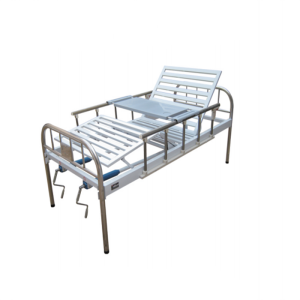
Functionality:An electric remote controls the head and foot sections, but the height of the bed is adjusted manually using a hand crank.
-
Best for:
Patients who can independently adjust their position with the remote but still need help with bed height, or for users who are more mobile.
Specialized beds with remote controls
-
Hi-low beds:
These are fully adjustable beds that can move up and down via a remote control, making them ideal for home healthcare and assisted living environments.
-
Bariatric beds:
These beds are designed for larger individuals and can have fully electric remote controls for features like height and width adjustments.
-
Low-profile beds:These beds are designed to be closer to the ground and are often controllable with a remote for height adjustment, which is helpful for fall prevention.
Henyuan Medical offers a range of hospital beds with remote control, designed to meet different care requirements:
| Bed Type | Features | Applications |
|---|---|---|
| Full Electric Bed | Adjustable head & foot, height adjustment, hand/remote control | Hospitals, long-term care |
| 5-Function Electric Bed | Head, foot, height, knee, and Trendelenburg positions | Surgery recovery, advanced care |
| 3-Function Quiet Bed | Head, foot, height adjustments, whisper-quiet motor | Home care, elderly patients |
| Nursing Bed Base | Ergonomic incline support, safety rails, IV pole compatibility | Professional care facilities |
3. Key Features and Technical Specifications
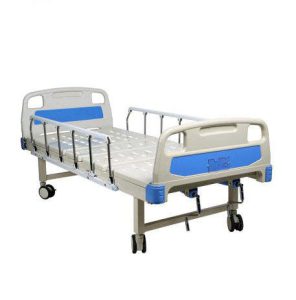
Henyuan Medical hospital beds with remote control are designed with both patients and caregivers in mind. Here’s a summary of standard specifications:
| Feature | Specification |
|---|---|
| Motor Type | Electric powered, low-noise DC motor |
| Control | Wireless remote / Corded hand control pendant |
| Adjustments | Head, foot, height, Trendelenburg / Reverse Trendelenburg |
| Safety | Full-length ABS or stainless steel safety rails |
| Mattress Compatibility | Standard hospital mattress (36” x 80”) |
| Weight Capacity | Up to 250 kg / 550 lbs |
| Dimensions | Standard single bed: 36” x 80”; adjustable width options available |
4. How Henyuan Medical Beds Improve Patient Care
Benefits for patients
-
Increased comfort and independence:
Patients can adjust their bed to a preferred position, promoting a sense of control and dignity.
-
Enhanced safety:
Features like built-in sensors help prevent falls and entrapment. Adjusting the bed to the right height makes it safer for patients to get in and out.
-
Improved health outcomes:
Precise positioning helps prevent bedsores by redistributing weight and supports better circulation, breathing, and healing processes.
Benefits for caregivers
-
Reduced physical strain:Electric controls eliminate the need for manual lifting and heavy repositioning, which lowers the risk of injury to staff.
-
Increased efficiency:Caregivers can quickly and easily adjust the bed for tasks like feeding, bathing, or medical procedures, saving time and improving workflow.
-
Better access to patients:
Adjustable height and positioning allow for easier and safer patient transfers and more efficient medical exams.
Advanced benefits and future applications
-
Integrated technology:
Modern hospital beds often include integrated sensors to monitor patient vital signs and weight, providing real-time data to medical staff.
-
Remote monitoring:
Some advanced systems can allow medical staff to monitor bed positions and patient status remotely, which is especially useful for reducing cross-infection during pandemics.
-
Therapeutic positioning:Beds can be pre-programmed with therapeutic positions to support specific medical needs, such as aiding respiration or supporting rehabilitation exercises.
4.1 Comfort and Ergonomics
Remote-controlled beds allow patients to find the perfect position for relaxation, recovery, and mobility. With ergonomic positions, patients can avoid discomfort and support proper posture during long hospital stays.
4.2 Safety and Stability
Safety rails prevent accidental falls, while height-adjustable beds help caregivers perform tasks like wound dressing, medication administration, and physical therapy with minimal strain.
4.3 Ease of Operation
Whether it’s a corded or wireless hand control, patients and caregivers can quickly adjust bed positions. The intuitive interface reduces learning time and increases overall satisfaction.
5. Buying Guide: How to Choose the Right Remote-Controlled Hospital Bed
Types of remote-controlled beds
- Fully electric: The most versatile option, a fully electric bed allows for the remote-controlled adjustment of all bed sections, including the head, feet, and overall height. These are ideal for individuals with limited mobility who need to make frequent adjustments themselves or for caregivers who want to reduce physical strain.
- Semi-electric: In these models, a remote controls the positioning of the head and feet, while a manual hand crank is used to adjust the overall bed height. They are more affordable than fully electric beds but require a caregiver to operate the height adjustment.
- Low beds: Specifically designed for individuals at high risk of falling, these beds can be lowered closer to the floor than standard models. Some can be lowered to within a few inches of the ground to minimize fall height.
- Bariatric beds: These beds are wider and have reinforced frames to accommodate patients who weigh more than a standard bed can support, with some models designed for over 1,000 pounds.
- Smart beds: More advanced remote-controlled beds may include additional technology, such as wireless connectivity, automated positioning, integrated weight scales, and sensor systems to monitor vital signs and patient movement.
Key factors to consider before buying
Patient needs
- Mobility level: For patients who are fully bedridden or have significant mobility issues, a fully electric bed provides the greatest ease of use and independence.
- Medical condition: Certain conditions may require special bed positioning, such as the Trendelenburg (feet elevated) or Reverse Trendelenburg (head elevated) functions, which some fully electric models offer.
- Height and weight: Measure the patient to ensure the bed’s length and width are appropriate. For heavier individuals, a bariatric bed is a safer and more durable choice.
Bed features
- Adjustability: Look for a bed that offers independent adjustment of the head, foot, and overall height. The ability to adjust height is crucial for caregivers to work at a safe and comfortable level.
- Remote control: Choose a remote that is intuitive and easy to use for both the patient and the caregiver, with clearly labeled buttons.
- Quiet operation: The noise level of the motors is an important consideration, especially for nighttime adjustments that could disturb the patient’s sleep.
Mattress selection
- Pressure-relieving: For patients who are immobile for long periods, consider an advanced mattress designed to prevent pressure sores. Options include:
- Air mattresses: Use a pump to cycle air and shift pressure points.
- Low-air-loss mattresses: Circulate air to keep the skin dry and reduce heat buildup.
- Gel or foam mattresses: Provide good support and pressure distribution for those at moderate risk.
Safety and durability
- Side rails: These are essential for preventing falls, and many beds have half- or full-length rails that are removable.
- Locking casters: These ensure the bed stays securely in place during patient transfers and care.
- Emergency hand crank or battery backup: These features allow for manual operation or continued use during a power outage.
- Entrapment prevention: Ensure the bed’s design minimizes gaps where a patient could get limbs stuck.
- Construction: Look for durable materials like reinforced steel or aluminum, which ensure longevity.
Cost and logistics
- Budget: Fully electric and specialty beds will be more expensive. Consider whether a semi-electric bed meets your needs at a lower cost.
- Insurance coverage: Check if the bed is considered medically necessary and covered by your insurance plan, such as Medicare Part B.
- Rental vs. purchase: For short-term use, renting a bed is often more cost-effective. For long-term care, purchasing may be a better investment.
- Room size: Measure the space to ensure the bed and any necessary equipment, such as mobility aids or a caregiver, can be easily accommodated.
When selecting a hospital bed with remote control, consider the following:
-
Purpose of Use
-
Home care vs. hospital care
-
Short-term recovery vs. long-term care
-
-
Number of Functions
-
3-function beds: basic height, head, foot adjustments
-
5-function beds: additional Trendelenburg and knee adjustments
-
-
Safety Features
-
Full-length rails
-
Locking casters
-
Emergency power-off capability
-
-
Comfort Features
-
Mattress compatibility
-
Ergonomic incline for head and foot
-
Quiet electric motor
-
-
Control Type
-
Corded hand control for reliability
-
Wireless remote for flexibility and convenience
-
-
Technical Specs
-
Maximum load capacity
-
Dimensions
-
Material and build quality
-
Practical Tip: Always test the Henyuan Medical electric hospital bed in person if possible, to check ease of adjustment, mattress fit, and overall comfort.
6. Real-Life Case Studies
Improved patient independence in home care
Douglas Hill, a retired entrepreneur from London, used the Orbit 235 Rotating Bed from Theraposture to maintain his independence.
- The remote-controlled bed rotates to a chair position, allowing him to get in and out of bed safely on his own.
- This feature provided peace of mind and eliminated his need to rely on a caregiver for every transfer.
A study on individuals with spinal cord injuries found that using adjustable beds at home gave them a greater sense of normalcy.
- Participants could use remote controls to adjust the bed’s head and height for comfort and function.
- The adjustable beds were also comfortable and resulted in no reports of pressure sores.
Enhanced patient safety in hospital settings
In 2022, Sutter’s Novato Community Hospital added 36 new smart beds to its intensive care and medical-surgical units to improve patient monitoring and safety.
- Built-in monitoring: Sensors in the mattresses monitor a patient’s heart and respiratory rates, transmitting the data to a cloud server for real-time tracking.
- Fall prevention: The beds use verbal commands to tell a patient, “Please don’t get up” if they attempt to leave the bed unattended.
- Pressure ulcer prevention: Integrated pressure redistribution functions and “microclimate” technology manage moisture and heat, preventing bedsores in immobile patients.
During the pandemic, hospitals relied on smart beds to remotely monitor patients with highly communicable diseases. This technology was critical for reducing contact between staff and patients and preventing cross-infection.
A home care provider highlighted how electric beds with remote controls significantly ease the burden on caregivers, particularly when assisting individuals with mobility limitations.
- Instead of manually lifting or repositioning a patient multiple times a day, the caregiver can use the remote to adjust the bed’s height and position.
- This automation reduces physical strain, prevents caregiver injuries, and allows them to spend more energy on direct patient care.
Limitations and potential for improvement
- Control accessibility: Seniors with vision, movement, or cognitive impairments may find standard remote controls difficult to operate.
- Workload issues: Nurses in a study reported that smart beds sometimes led to frequent false alarms, increasing their workload.
- Technology adoption: For some, learning new technology can be a burden, and a preference for direct human interaction over a device was also noted.
- Solution example: In response, companies like Transfer Master offer accessible remote options, such as “Big Button” and “Joystick” controls, to improve usability for seniors.
Case Study 1: Post-Surgery Recovery
A hospital in London introduced Henyuan Medical 5-function electric beds for orthopedic patients. Nurses reported a 30% reduction in back strain during patient care, and patients noted improved comfort and mobility.
Case Study 2: Home Care for Elderly Patients
An elderly patient using a 3-function quiet full-electric bed at home benefited from adjustable head and foot positions for reading and sleeping, and a wireless remote allowed independent adjustments without assistance.
7. Maintenance Tips for Longevity
-
Regularly inspect electric motors and wiring
-
Clean bed surfaces with hospital-grade disinfectants
-
Check and tighten safety rails and bolts
-
Replace worn-out mattresses to maintain comfort
To ensure a remote-controlled hospital bed lasts longer, perform daily checks on high-touch surfaces and electrical functions, weekly maintenance like cleaning and lubricating moving parts, and monthly inspections of the mattress, cords, and bolts. Regular professional servicing and keeping the area clutter-free will also contribute to longevity.
Daily maintenance
- Wipe high-touch areas: Clean side rails, the remote control, and other frequently touched surfaces.
- Inspect bed components: Check the mattress, frame, and any moving parts for immediate issues.
- Test electrical functions: For electric beds, test the remote functions to ensure they are working correctly.
Weekly maintenance
- Change bedding: Wash and replace all bedding.
- Clean the bed frame: Disinfect the bed frame to maintain a hygienic environment.
- Lubricate moving parts: Apply a manufacturer-recommended lubricant to hinges and other moving parts to ensure smooth operation. Before lubricating, clean the areas to remove dust and debris.
- Inspect electrical cords and plugs: Look for fraying or damage and ensure all connections are secure.
- Check screws and bolts: Tighten any loose screws and bolts to maintain stability.
- Rotate and inspect the mattress: Turn the mattress to prevent uneven wear.
- Test emergency backup: If the bed has an emergency backup, test it to make sure it is functioning properly.
8. Conclusion
Investing in a Henyuan Medical hospital bed with remote control means choosing comfort, safety, and convenience. With features like full electric adjustment, ergonomic positions, safety rails, and hand or wireless control, these beds cater to the needs of both patients and caregivers. Whether for hospitals, nursing homes, or home care, selecting the right bed enhances care quality and improves recovery outcomes.
