

Table of Contents
Toggle?️ Best Hospital Bed for Elderly at Home: A Complete Guide by Henyuan Medical
As the global population ages, more families are choosing home care for their loved ones. One essential part of a comfortable and safe home care setup is a hospital bed for elderly at home.
At Henyuan Medical, we specialize in home hospital beds designed for comfort, safety, and independence — combining medical-grade performance with home-friendly design.
? Why Elderly Patients Need a Hospital Bed at Home
For the Patient’s Comfort & Safety
-
Improved Body Positioning:Adjustable head and foot sections allow for positions that relieve shortness of breath, reduce joint stiffness, and help prevent bedsores by shifting body weight.
-
Enhanced Mobility:The ability to adjust the bed height and use side rails helps the elderly get in and out of bed more independently and safely, supporting autonomy.
-
Fall Prevention:Bed rails act as a supportive grip for transfers and a barrier against accidentally rolling out of bed, while a low bed height reduces the risk of falls.
-
Pressure Sore Prevention:Hospital beds, especially those with special mattresses, help distribute body weight evenly and can provide alternating pressure to keep pressure ulcers at bay.
For the Caregiver
-
Safer Transfers:Adjustable height allows caregivers to raise or lower the bed to a comfortable working height, reducing strain and preventing back injuries during transfers.
-
Easier Care:The ease of adjusting the bed position can simplify aspects of daily care and ensure the patient is in the best possible position for comfort and healing.
Medical and Health Needs
-
Support for Chronic Conditions:Hospital beds are beneficial for individuals with conditions like COPD, severe arthritis, or other ailments that require special positioning for rest and treatment.
-
Post-Discharge Recovery:Patients recently discharged from a hospital may require the specific features of a hospital bed to support their recovery at home.
-
Specialized Support:Some conditions require bed traction or other specialized attachments that can only be used on a hospital bed frame, not a standard one.
A home hospital bed offers much more than just sleeping comfort — it provides mobility assistance, safety, and ease of caregiving.
For elderly individuals with limited mobility, chronic illnesses, or post-surgery recovery needs, these beds:
-
Reduce the risk of falls with adjustable height and side rails
-
Improve circulation with tilt and positioning functions
-
Support caregivers with electric motorized controls
-
Provide pressure relief for patients with long-term bed rest
Unlike standard beds, Henyuan Medical hospital beds are designed to meet medical-grade durability while fitting aesthetically into home environments.
⚙️ Types of Hospital Beds for Elderly at Home
Main Types of Hospital Beds
-
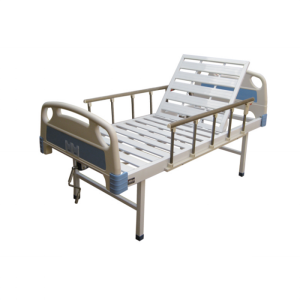
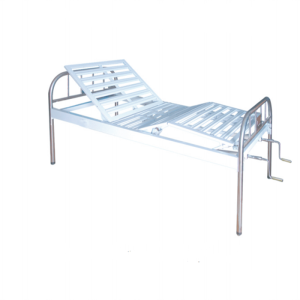
Manual Hospital Beds:These are the most affordable option but require hand cranks for all adjustments, which can be difficult for caregivers and may not be suitable if frequent repositioning is needed.
-
Semi-Electric Hospital Beds:A blend of manual and electric features, these beds typically use a remote to adjust the head and foot sections while the bed’s overall height is controlled manually.
-
Full-Electric Hospital Beds:The “gold standard” for home care, full-electric beds allow for all adjustments—including head, foot, and bed height—to be controlled by a remote, making them ideal for patients requiring frequent position changes and for caregivers’ convenience.
Specialized Types
-
Bariatric Beds:Designed for larger individuals, these beds have a reinforced frame and a wider surface for comfort and durability.
-
Low Hospital Beds:Also known as ultra-low or low-profile beds, these can be lowered closer to the floor to significantly reduce the risk of injury from falls, making them a good choice for patients with mobility issues.
Considerations When Choosing
-
Caregiver Effort:Consider how much physical effort is required for adjustments, especially if a patient needs frequent repositioning.
-
Patient Independence:Electric controls can provide more independence and comfort for the patient.
-
Fall Risk:Low-height beds are crucial for patients at high risk of falling.
-
Budget:Manual beds are the most affordable, while full-electric models come with a higher cost but offer more convenience and features.
Below are the main categories of home hospital beds that cover every level of need — from basic to advanced models.
| Type | Key Features | Suitable For | Keywords Covered |
|---|---|---|---|
| Manual Hospital Bed | Hand-crank height and back adjustment | Budget-friendly users, basic home care | manual hospital bed, home medical equipment |
| Semi-Electric Hospital Bed | Electric back/lower body control + manual height | Moderate home care use | semi electric hospital bed |
| Full Electric Hospital Bed | Fully motorized height, back, and leg adjustment | Long-term elderly care, advanced comfort | full electric hospital bed, adjustable hospital bed |
| Bariatric Hospital Bed | Heavy-duty steel frame for larger patients | Bariatric or long-term users | bariatric hospital bed |
| Low Hospital Bed | Low height to prevent falls | Alzheimer’s or dementia patients | low hospital bed for elderly |
| Adjustable Home Care Bed | Stylish home design, whisper-quiet motors | Home comfort + medical function | adjustable hospital bed for home use |
Each Henyuan Medical hospital bed combines reliability and aesthetics — making them ideal for elderly home care and rehabilitation use.
? How to Choose the Right Hospital Bed for Home Use
1. Assess Patient Needs
-
Patient Size:Consider the user’s height and weight to determine if a standard bed is sufficient or if a wider, sturdier bariatric bed is necessary for comfort and safety.
-
Mobility and Comfort:Evaluate the patient’s ability to move in and out of bed. Full-electric beds offer the most adjustability for comfort and frequent position changes, which can be crucial for users with limited mobility.
2. Measure Your Space
-
Room Dimensions:Measure the available space in the room, ensuring there is enough clearance on all sides for the bed’s footprint and for caregivers to move comfortably.
-
Accessibility:Verify that there’s enough room for the bed to be adjusted and for any necessary mobility aids or medical equipment to be used safely.
3. Determine Safety Features
-
Sturdy Frame and Rails:Look for beds with sturdy frames and secure, lockable side rails for patient safety during adjustments and transfers.
-
Emergency Features:Consider features like emergency hand cranks for manual operation during power outages and automatic stop mechanisms to prevent entrapment.
-
Lockable Casters:Ensure the bed has lockable casters to keep it stable during patient transfers and caregiver assistance.
4. Consider Bed Type and Adjustability
- Full-Electric Beds: These offer the highest level of adjustability for head and foot positions, benefiting both the user and caregivers during daily care.
- Bariatric Beds: Necessary for heavier patients, these beds offer wider dimensions and increased weight capacity for proper support.
- Low-Height Beds: A low-height option can be the safest choice for fall prevention.
5. Consult with Healthcare Professionals
- Doctor’s Advice: Always involve the patient’s healthcare provider to ensure the chosen bed meets specific medical needs and provides the required support and comfort.
6. Set Your Budget
-
Manual vs. Electric:Manual beds are the most budget-friendly, while full-electric models are a greater investment.
-
Insurance Coverage:Check with Medicare and your insurance provider, as they may cover part of the cost for medically necessary hospital beds.
Choosing the right hospital bed for elderly at home involves balancing comfort, features, and cost.
Here’s a quick buying guide based on real user needs:
-
Assess Mobility Level
-
Can the elderly move independently or need full assistance?
-
Choose electric hospital beds for those with limited mobility.
-
-
Space and Room Layout
-
Measure available room width and doorways.
-
Consider foldable or portable frames for smaller rooms.
-
-
Safety and Side Rails
-
Side rails prevent falls and support movement in/out of bed.
-
Henyuan Medical beds offer tool-free rail adjustment.
-
-
Comfort & Pressure Relief
-
Opt for memory foam or air mattresses to reduce pressure sores.
-
Adjustable head and leg sections promote better circulation.
-
-
Power Source & Maintenance
-
Full electric beds are convenient but require a stable power source.
-
Our models include battery backup for power outages.
-
? Cost and Medicare Coverage for Hospital Beds
How Medicare Covers Hospital Beds
-
Part B Coverage:Medicare Part B covers hospital beds as durable medical equipment (DME).
-
Medical Necessity:A doctor must order the bed and document that it is medically necessary to manage a specific condition, alleviate pain, or help with breathing.
-
Rental or Purchase:Medicare covers both rental and purchase of the bed under a capped rental program. After 13 months of renting, you typically own the bed.
-
Your Costs:After meeting your annual Medicare Part B deductible (which was $257 in 2025), you pay 20% of the Medicare-approved cost, and Medicare pays the remaining 80%.
-
Supplier Acceptance:To keep costs down, choose a supplier who accepts assignment, meaning they accept the Medicare-approved amount as full payment for their services.
How to Qualify for Coverage
- Consult a Doctor: Get a doctor’s prescription for the hospital bed, specifying your medical condition.
- Meet Criteria: Your doctor must provide documentation showing the bed is needed to:
- Help manage conditions like severe arthritis or heart disease.
- Provide body positioning not feasible with a standard bed to relieve pain or prevent pressure sores.
- Elevate your head or feet for conditions like congestive heart failure, chronic lung disease, or aspiration issues.
- Help manage conditions like severe arthritis or heart disease.
- Use a Participating Supplier: Work with a DME supplier enrolled in Medicare who accepts assignment.
Estimated Costs
- Monthly Rental: Expect to pay between $200 and $500 per month for a standard electric hospital bed, depending on the features.
- Purchase: A hospital bed can cost anywhere from $500 into the thousands of dollars.
- Your 20% Co-payment: This is 20% of the Medicare-approved amount for the bed.
Many families are concerned about the cost of hospital beds for home use. Prices depend on the type and features:
| Bed Type | Average Price (USD) | Covered by Medicare | Notes |
|---|---|---|---|
| Manual Bed | $400–$700 | ✅ Yes | Basic coverage under DME (Durable Medical Equipment) |
| Semi-Electric Bed | $800–$1,200 | ✅ Partial | Some models require medical necessity proof |
| Full Electric Bed | $1,200–$2,000+ | ⚠️ Limited | Often not fully covered |
| Adjustable Luxury Bed | $2,000–$3,500+ | ❌ No | Considered home comfort, not medical necessity |
Tip: Henyuan Medical provides supporting documents for insurance claims and offers global shipping for families caring for elderly loved ones at home.
? Real-Life Application: Comfort & Dignity at Home
- Customized positioning: Full-electric beds allow users to adjust the head, feet, and overall height with a remote control, enabling them to find the most comfortable position for sleeping, reading, or watching television. Some advanced models even feature a “cardiac chair” position that moves the bed into a seated position to help relieve pressure on the lungs and support circulation.
- Pressure-relieving mattresses: Standard mattresses can cause painful pressure ulcers (bedsores) for people who spend long periods in bed. Specialized mattresses made of foam, gel, or alternating air pressure reduce this risk by evenly distributing the patient’s weight.
- Fall prevention: Many beds can be lowered to a height of just a few inches off the floor, dramatically reducing the risk of injury from accidental falls. Side rails offer additional security while also providing a stable handhold for getting in and out of bed.
- Enhanced mobility: Some models, like the ActiveCare Bed, feature an automated “SafeTurn” function that can rotate the mattress surface to help a person transition smoothly from a lying to a seated position. This allows for greater independence and reduces the need for physical assistance.
Improved quality of life for the elderly
- Increased independence: The ability to adjust the bed’s position using an easy-to-use remote gives users a greater sense of autonomy and control over their environment, which is crucial for maintaining dignity.
- Reduced caregiver burden: Height-adjustable beds help caregivers perform routine tasks like changing linens, bathing, and repositioning the patient without the back strain and injury risk associated with manual lifting. This, in turn, can help prevent caregiver burnout.
- A more home-like feel: Many home hospital beds come with stylish headboards and a residential design, which helps the bed blend in with a home environment rather than making a bedroom feel like a hospital room. This sense of normalcy is a significant emotional benefit.
- Better health outcomes: The combination of adjustable positioning, pressure-relieving mattresses, and built-in safety features can help prevent health complications associated with long-term bed rest, such as bedsores, poor circulation, and respiratory issues.
A real-life application example
- Before the home hospital bed: The person struggles to get out of a traditional bed, creating a high risk of another fall. Their back and hips are sore from lying in the same position, and their caregiver is constantly straining their back to help with repositioning and transfers.
- With a new full-electric home hospital bed:
- The low-height setting allows them to get their feet securely on the floor before standing, significantly reducing the risk of falls.
- The motorized “chair” function allows them to transition to a seated position without assistance, preserving their privacy and independence.
- The pressure-redistributing mattress relieves discomfort and prevents the development of painful bedsores.
- The caregiver can raise the bed to a comfortable working height when needed, eliminating the physical strain of bending over.
Case Study:
Mr. Chen, aged 84, required long-term care after hip surgery. His family purchased a Henyuan Medical full electric hospital bed for home use.
-
Caregivers could adjust his position with one touch.
-
Side rails prevented falls.
-
The low-profile frame fit seamlessly into their bedroom.
Result: Mr. Chen reported improved sleep quality and reduced back pain, while caregivers found daily routines much easier.
?️ Technical Specifications (Example: Henyuan Electric Home Bed Model HY-503)
| Feature | Specification |
|---|---|
| Frame Material | Powder-coated steel |
| Control System | 3-function electric motor with remote |
| Back/Leg Adjustment | 0–70° / 0–40° |
| Height Range | 400–750 mm |
| Load Capacity | 250 kg |
| Side Rails | Aluminum, foldable |
| Wheels | 5-inch central lock |
| Mattress | Waterproof medical-grade PU foam |
| Power Supply | 110–240V, battery backup option |
This model is optimized for elderly care at home, balancing safety, hygiene, and comfort.
? Additional Equipment for Home Medical Care
To enhance overall safety and independence, Henyuan Medical also provides:
-
Overbed tables for reading or meals
-
IV stands and lifting poles
-
Mattresses with pressure relief systems
-
Adjustable bedside cabinets
All designed for seamless integration with home hospital beds.
? Conclusion: Why Choose Henyuan Medical
When it comes to hospital beds for elderly at home, Henyuan Medical combines medical precision, user-friendly comfort, and affordable quality.
Our mission is to help every family create a safe, comfortable, and dignified home care environment — because caring for the elderly should never be a struggle.
? Contact Us
For professional recommendations, product catalogs, or custom configurations:
? Website: https://medfurni.com
? Email: [email protected]
? WhatsApp: +86 19112802244
