

Ultimate Guide to Hospital Chair Beds: Comfort, Functionality, and Smart Design
In modern healthcare environments, comfort and functionality are equally important for patients, caregivers, and family members. One essential piece of furniture that bridges these needs is the hospital chair bed — a multifunctional seating and sleeping solution that transforms seamlessly from a recliner into a bed.
At HENYUAN Medical, we specialize in designing convertible hospital chair beds, sleeper chairs, and medical recliners that optimize space, improve patient comfort, and enhance caregiver efficiency.
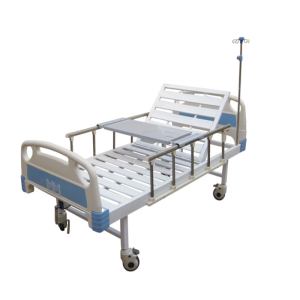
?️ 1. What Is a Hospital Chair Bed?
Types of hospital chair beds
- Sleeper chairs: Often used in hospital rooms for family members and caregivers, these chairs can be easily pulled out into a single bed for overnight stays.
- Recliner chair beds: For extended patient use, these combine the comfort of a lounge chair with the function of a medical bed. They offer adjustable reclining angles, footrests, and comfortable cushioning.
- ICU/intensive care chair beds: These are specialized for critical care and include advanced features like multi-position tilt and integrated control panels.
- Rotating hospital beds: Some models feature a rotating function that moves the user from a lying to a seated or standing position with the push of a button, promoting mobility and independence.
Key features
- Adjustable positions: Most chair beds offer a range of positions, including upright, semi-reclined, and fully flat. Electric models use a handheld remote for easy adjustments, while manual versions use levers.
- Mobility: Equipped with locking casters, these chairs can be easily moved within a room and then secured in place for patient safety.
- Durable construction: The frames are built from high-strength steel or durable aluminum to withstand frequent use in a demanding medical environment.
- Easy to clean: Medical-grade, fluid-resistant, and antimicrobial upholstery is used to maintain strict hygiene standards.
- Optional features: Many chair beds include accessories like side rails, adjustable height settings, and USB charging ports for added convenience.
Common uses and benefits
- Hospitals and clinics: Provide comfortable seating for patients during long treatments, such as dialysis or chemotherapy, and for use in examination and recovery rooms.
- Homecare and assisted living: Allow individuals with limited mobility to transition between sitting and lying down with minimal effort, promoting independence and reducing the risk of falls.
- Caregiver support: Adjustable height and automated controls reduce the physical strain on caregivers during patient transfers and care routines.
- Patient recovery: Proper positioning, such as the “cardiac chair” or “Fowler’s position,” can improve circulation, breathing, and comfort, which aids in a faster recovery.
- Family accommodation: Sleeper chair versions offer a practical and space-saving solution for family members needing to stay overnight to provide support.
A hospital chair bed—also known as a sleeper chair or convertible recliner—is a versatile piece of medical furniture designed to serve both as a chair during the day and as a bed at night.
It’s commonly used in hospital wards, family zones, nursing homes, and home care settings where space is limited but comfort is essential.
Unlike standard hospital recliners, these chairs can pull out, fold, or slide into a full sleeping surface, offering support for overnight stays or extended patient care.
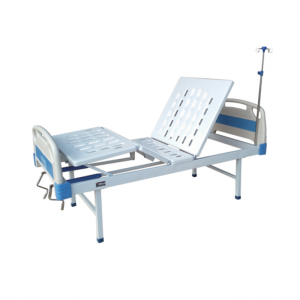
⚙️ 2. Key Features and Design Overview
The engineering behind HENYUAN Medical’s hospital chair beds focuses on three critical areas: comfort, safety, and flexibility. Below is a technical specification table for reference:
| Feature | Description |
|---|---|
| Structure | Heavy-duty steel or aluminum frame |
| Surface Material | Waterproof PU leather or medical-grade vinyl |
| Transformation Mechanism | Pull-out, fold-down, or sliding extension |
| Mattress Cushion | High-density foam with pressure redistribution zones |
| Backrest Angle | 110°–160° adjustable recline |
| Weight Capacity | 200–250 kg |
| Wheels & Locks | Swivel casters with central brake system |
| Usage Scenarios | Hospitals, clinics, recovery centers, family rooms |
Each model by HENYUAN Medical is built to provide long-lasting durability, easy sanitation, and ergonomic comfort for both patients and visitors.
? 3. Types of Hospital Chair Beds
Sleeper chairs for attendants
- Convertible sleeper chairs: These models offer a space-saving design that can be used as a chair during the day and easily converted into a flat, full-length single bed for overnight stays. Some feature multiple positions, such as a seated chair, chaise lounge, and bed.
- Sleeper sofa beds: Similar to sleeper chairs, these provide a seating area that pulls out into a bed, offering a wider sleeping area.
- Recliner chair beds: These chairs recline into a lay-flat position for sleeping, but unlike sleeper chairs, they do not pull out into a full-sized bed.
Geri chairs for patients
- Three-position geri chairs: These are a healthcare standard that can easily adjust between upright, TV (leg rest elevated), and full recline positions.
- Infinite-position geri chairs: These offer greater flexibility, with backrests and footrests that move independently to achieve a wide range of positions, including the Trendelenburg position (feet elevated above the head).
- Bariatric geri chairs: These are heavy-duty models designed with a wider frame and higher weight capacity to accommodate larger patients.
Medical and clinical recliners
- Treatment recliners: These chairs are used for oncology and dialysis patients, offering comfort and adjustable positioning during long treatment sessions.
- Drop-arm recliners: Featuring one or more armrests that can be lowered, these chairs allow for easier patient transfers from beds or wheelchairs.
- Cardiac chairs: Designed to support patients with cardiovascular conditions, these recliners have a sliding seat and adjustable leg rest to optimize positioning.
Folding and portable chair beds
- Folding hospital bed chair: Available in manual or electric versions, these can fold into a compact size for easy storage and transportation.
- Folding hospital cot chair: This basic, highly portable option offers a compact fold for temporary sleeping arrangements.
Specialty and advanced features
- Electric/motorized operation: Some models use a motor for automatic adjustment of positions, providing more independence for patients with limited mobility.
- High-density cushioning: Many hospital-grade chairs and sleepers are made with advanced materials like memory foam or high-density foam for superior comfort and pressure relief.
- Infection control materials: Medical chairs often have easy-to-clean, antimicrobial vinyl or synthetic fabric upholstery to prevent the spread of germs.
Depending on application and design, hospital chair beds come in various configurations. Here’s an overview of the most popular types on the market:
| Type | Description | Ideal For |
|---|---|---|
| Sleeper Chair | Converts into a flat sleeping surface via pull-out or fold-down design | Family visitors and caregivers |
| Clinical Recliner Chair | Features adjustable backrest and leg support for patient therapy or rest | Patient use in hospital rooms |
| Convertible Chair Bed | Combines recliner and sleeping bed with smooth sliding conversion | Multi-purpose medical rooms |
| Medical Recliner | Focused on posture correction and comfort for long sitting durations | Dialysis or recovery patients |
| Compact Pull-Out Chair Bed | Space-saving solution for small wards or private patient rooms | Hospitals and clinics with limited space |
HENYUAN Medical manufactures all these types, ensuring functionality across medical, residential, and hospitality environments.
? 4. Why Choose a Hospital Chair Bed?
Advantages for patients
- Improved comfort and independence. Patients can use a handheld remote to adjust the bed, allowing them to find the most comfortable position for sleeping, eating, or reading. For those with limited mobility, this allows for greater independence.
- Reduced risk of falls and pressure sores. With an adjustable height and a seated position that aids transfers, chair beds significantly lower the risk of patient falls. Repositioning also helps prevent painful pressure ulcers (bedsores) that can develop from staying in one position for too long.
- Faster recovery. Studies show that early mobilization, such as moving from a lying to a seated position, can speed up recovery time. It strengthens muscles, increases circulation, and promotes overall healing.
- Improved respiratory function. The upright “cardiac chair” position can help patients with respiratory issues like COPD or heart conditions to breathe more easily. It opens up the chest airways without requiring strenuous movement.
- Better circulation. Elevating the legs can reduce swelling and improve blood flow, which is especially important for patients recovering from surgery or injury.
- Enhanced psychological well-being. Being able to sit up, get dressed, and socialize in a more natural seated position can reduce feelings of boredom and isolation.
Advantages for caregivers and facilities
- Improved staff efficiency. A single chair bed can optimize space and simplify the tasks of caregivers, who can easily reposition the patient for procedures, hygiene, and transfers.
- Reduced strain. The bed’s electric controls reduce the physical strain on nurses and caregivers, making their work safer and more efficient.
- Dual function for visitors. In a hospital setting, sleeper chairs provide a comfortable, space-saving bed for family members staying overnight to support a loved one.
- Optimized space. In a home setting, a chair bed can eliminate the need for additional seating devices like a recliner, saving space.
Who should choose a hospital chair bed?
- Elderly and those with limited mobility: For individuals who are bed-bound or have difficulty transitioning from lying down to standing, a chair bed offers a safer and more independent way to move.
- People recovering from surgery: The adjustable positions can aid recovery by reducing swelling, minimizing strain on incisions, and supporting a range of rehabilitation exercises.
- Patients with specific medical conditions: Individuals with cardiac, respiratory, or musculoskeletal conditions can greatly benefit from the specialized positioning a chair bed offers.
- Home care patients: For those recovering at home, a chair bed promotes comfort and independence within a familiar environment, and can be more aesthetically integrated into home décor than traditional hospital equipment.
a. Enhanced Patient Comfort
The design supports both upright sitting and full recline, allowing patients to rest comfortably without transferring to a separate bed.
b. Space Optimization
Hospital rooms and nursing stations are often tight on space. A foldable or pull-out chair bed maximizes utility while minimizing clutter.
c. Support for Family Members
Visitors can stay overnight comfortably beside their loved ones, improving emotional support and overall care experience.
d. Easy Maintenance
All HENYUAN Medical models feature removable, waterproof covers and smooth surfaces for quick disinfection—critical in healthcare settings.
? 5. Comparison of HENYUAN Medical Chair Bed Models
| Model | Type | Mechanism | Weight Capacity | Backrest Angle | Application |
|---|---|---|---|---|---|
| HC-200 | Sleeper Chair | Pull-out | 200 kg | 160° | Hospital family zones |
| HC-350R | Clinical Recliner | Electric recline | 250 kg | 110°–155° | Patient therapy / recovery |
| HC-420C | Convertible Chair Bed | Sliding mechanism | 230 kg | 120°–160° | ICU / private wards |
All models are equipped with medical-grade casters, anti-bacterial upholstery, and pressure relief cushioning to reduce fatigue and enhance circulation.
?️ 6. How Does a Sleeper Chair Work?
A sleeper chair works by using a folding or pull-out mechanism to transform a standard armchair into a single-size bed, often with a hidden mattress. To convert it, a hidden mattress and support system is pulled or folded out from the chair’s frame, creating a flat sleeping surface.
How to convert the chair to a bed
-
Access the mattress:
Look for a pull tab, handle, or a part of the seat that can be lifted.
-
Pull out the frame:
Pull the handle or tab to extend the bed frame outwards from the chair. This can involve pulling out a section and then leveling it.
-
Lay the mattress:
Once the frame is extended, it will have a mattress or sections of a mattress that unfold or lie flat to create the bed.
-
Combine the pieces:
Some mechanisms may require you to fold down the seat back to meet the extended mattress, creating a single flat surface.
How to return it to a chair
-
Fold the parts:Lift the seat back up and fold the extended mattress back into the chair’s frame.
-
Push the sections:
Push the lower section back into the chair until it is fully concealed and the seat and back are in their correct positions.
Types of mechanisms
-
Pull-out:
The most common type, where a mattress is pulled out from the chair’s frame.
-
Nest:
A type where one side of the chair is pulled out and the headrest nests in the back, making it a good option for those who want to form a chaise lounge first.
-
Level:This mechanism allows each section to pull out level, making it easier to create a consistent sleeping surface.
The transformation mechanism depends on model type:
-
Pull-out design: Seat extends forward while backrest folds flat.
-
Fold-down design: Backrest reclines backward while seat base supports the mattress.
-
Sliding conversion: Entire frame glides into a full-length bed in one smooth motion.
These designs are engineered with gas-spring assistance or electric motors for silent, one-hand operation—perfect for healthcare professionals or visitors unfamiliar with hospital furniture.
? 7. Use Cases: From Hospitals to Home Care
HENYUAN Medical hospital chair beds have been successfully installed in:
-
Public hospitals: To provide visitor sleeping accommodations in patient wards.
-
Private clinics: For outpatient rest and patient observation rooms.
-
Nursing homes: Offering dual-function comfort for residents and caregivers.
-
Home care setups: Ideal for post-surgery recovery or elderly support.
Case Study – Beijing Medical Center (2024):
After introducing 50 HENYUAN HC-350R clinical recliners, patient satisfaction increased by 36%, and caregiver fatigue reduced by 42% due to ergonomic support and easy mobility.
? 8. Choosing the Right Hospital Chair Bed
Patient needs and safety
-
Weight capacity:
Ensure the bed can safely support the patient’s weight. Bariatric models are available for heavier patients.
-
Mobility and transfers:
Assess how the patient will get in and out of bed. Look for features like a low-height setting for easier egress or height-adjustable models to assist with transfers and patient care.
-
Safety features:
Include side rails to prevent falls, and consider options like bed exit alarms or emergency stop buttons for patients prone to wandering.
-
Adjustability:
Choose features like adjustable head and footrests to ensure comfort during different activities and treatments. Electronic beds often offer more flexibility and programmable positions.
Functionality and maintenance
-
Materials and hygiene:
Select breathable, moisture-wicking, and easy-to-clean materials to prevent skin irritation and maintain hygiene.
-
Mobility and maneuverability:
Check if the bed needs to be moved frequently and ensure it has reliable brakes and easy-to-use casters.
-
Ease of use:
Controls should be simple and intuitive for both the patient and caregivers.
-
Maintenance:
Consider a chair bed with simple, durable mechanisms to minimize repairs and maintenance costs over time.
Additional features
-
Accessories:
Look for beds compatible with add-ons like overbed tables, IV poles, or oxygen tank holders if needed.
-
Power backup:
For electric models, a battery backup is crucial to ensure functionality during a power outage.
-
Mattress compatibility:Make sure the bed can accommodate pressure-relief or specialized mattresses for patients at risk of pressure sores.
When selecting the best hospital chair bed, consider these factors:
-
Usage Scenario: Is it for patients, visitors, or both?
-
Mechanism Type: Pull-out vs. fold-down vs. sliding conversion.
-
Weight Capacity: Ensure the chair supports a wide user range.
-
Ease of Cleaning: Medical vinyl or PU leather for hygiene.
-
Mobility: Casters for easy relocation between rooms.
-
Budget vs. Durability: Balance price with long-term use requirements.
Pro Tip: For high-traffic areas like ICUs or recovery rooms, choose a convertible recliner with electric adjustment to reduce caregiver workload.
? 9. Buying Guide: Where to Find HENYUAN Medical Chair Beds
HENYUAN Medical offers its complete line of sleeper chairs, recliners, and convertible chair beds directly through distributors and official sales partners.
Each product includes:
-
Detailed technical manuals
-
Warranty and maintenance guides
-
Replacement cushion and caster kits
Customers can also request custom upholstery colors, USB charging ports, and side storage trays for enhanced convenience.
? 10. Maintenance & Safety Tips
Cleaning and maintenance
- Wipe down surfaces: Use a mild soap and warm water or hospital-grade, EPA-approved disinfectant wipes to clean the bed frame and high-contact areas, such as side rails, armrests, and control panels.
- Change bedding: Wash bed sheets at least once a week or immediately if they become soiled.
- Inspect components: Do a quick visual check for any signs of damage or wear, including frayed electrical cords, loose screws, or a torn mattress.
- Lubricate moving parts: Apply a silicone-based lubricant as recommended by the manufacturer to moving parts like wheels and hinges to ensure smooth operation and prevent squeaking.
- Tighten hardware: Check and tighten any loose screws or bolts on the frame to maintain stability.
- Inspect and rotate the mattress: Check the mattress for tears, cracks, or sagging. Rotate it every few months to ensure even wear and extend its lifespan.
- Schedule a professional servicing to ensure the bed is compliant with safety regulations and to inspect for issues that may not be apparent during routine checks.
General safety tips
- Use bed rails safely: Bed rails can prevent falls but also pose an entrapment risk.
- Assess the patient’s physical and mental state to determine if bed rails are appropriate.
- Ensure the mattress is sized correctly to prevent gaps between the mattress and rails.
- Do not thread cords through the bed rails where they could become a strangulation hazard.
- Lock the wheels: Always ensure the wheels are in the locked position unless you are actively moving the bed.
- Keep the bed low: Whenever possible, keep the bed in its lowest position to decrease the chance of injury from a fall.
- Use proper transfer techniques: When transferring a patient, adjust the bed to the proper height and ensure the patient’s feet can be flat on the floor. Use transfer or mobility aids as needed.
- Manage electrical components:
- Unplug the bed from the power source when cleaning to avoid electrical hazards.
- Inspect electrical cords and plugs for damage monthly. If any damage is found, replace the cord immediately.
- Test any emergency battery backup systems monthly to ensure they work during a power outage.
- Ensure children and pets cannot access or play with the controls.
- Minimize fall risks:
- Keep frequently used items within the patient’s easy reach.
- Use floor safety mats next to the bed for patients at high risk of falling.
- Consider a fall alarm for patients who may attempt to get out of bed unassisted.
To ensure long-lasting performance of your hospital chair bed:
-
Clean upholstery with mild disinfectants weekly.
-
Lock casters before reclining or converting.
-
Lubricate sliding rails every six months.
-
Avoid overloading weight capacity.
-
Inspect recline joints and frame connections regularly.
HENYUAN Medical provides technical support and spare parts for all models, ensuring years of safe and reliable operation.
? 11. Conclusion: Redefining Comfort and Care
A hospital chair bed is more than a piece of furniture—it’s an extension of patient care, family connection, and space efficiency.
With continuous innovation, ergonomic design, and strict quality control, HENYUAN Medical delivers versatile sleeper chairs and convertible recliners that meet global healthcare standards.
Whether for hospitals, clinics, or home care, choosing the right HENYUAN Medical hospital chair bed ensures comfort, safety, and peace of mind—for both patients and caregivers.
