

How to Use a Hospital Chair Bed: A Complete Guide
When it comes to patient care and caregiver convenience, a hospital chair bed is one of the most versatile pieces of hospital furniture. Designed to function as both a comfortable chair and a fully extended bed, it plays a vital role in hospitals, clinics, and even home care environments. If you are wondering how to use a hospital chair bed properly, this guide will walk you through everything you need to know.
What Is a Hospital Chair Bed?
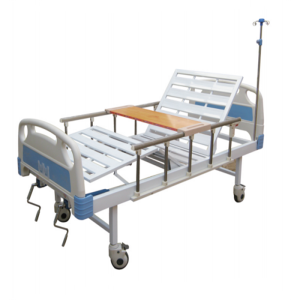
A hospital chair bed, also known as a sleeper chair or accompanying chair, is a versatile piece of furniture that functions as a comfortable chair during the day and transforms into a flat bed for overnight use, providing space-saving, multi-functional seating and sleeping for patients or visitors in hospital rooms and homes. It can be a full-length bed for resting or a comfortable chair for socializing, making it ideal for small spaces.
-
Converts to a Bed:
The primary function is the ability to easily convert from an upright chair to a full-length sleeping surface.
-
Space-Saving:
The compact design of the chair when in its upright position makes it perfect for rooms where space is limited.
-
Multi-Functional:
Serves as a chair for seating, a place for naps, and a bed for overnight guests or companions.
-
Comfort and Support:
Designed with high-resilience foam and supportive backrests for comfort in both sitting and sleeping positions.
-
Ease of Use:
Many models feature simple mechanisms, like a pull-tab or easy movements, to transform from chair to bed.
-
Durable and Stable:
Constructed with durable materials and often includes features like non-slip feet or lockable wheels for stability and safety.
-
Overnight Visitors:
Provides a convenient sleeping spot for family or friends staying with a patient.
-
Patient Comfort:
Allows patients in hospital or hospice rooms to move from a bed to a more upright, social position for activities like watching TV or eating.
-
Caregiver Convenience:
Offers a comfortable place for a caregiver to rest in the patient’s room when needed.
-
Small Living Spaces:A practical solution for homes or apartments needing flexible furniture that can serve multiple purposes.
A hospital chair bed, sometimes called a sleeper chair or recliner bed, is a multifunctional piece of medical furniture. It allows caregivers, visitors, or even patients to switch between sitting and sleeping positions without needing multiple pieces of furniture. Most models feature ergonomic design, adjustable backrests, and durable upholstery, making them ideal for long-term use in healthcare settings.
Step-by-Step: How to Use a Hospital Chair Bed
To use a hospital chair bed, convert it to a chair by folding the backrest up and securing it in place. To convert to a bed, locate the tab under the seat, lift the seat up and forward to unfold the sleeper, and then pull the seat all the way out to create a flat sleeping surface. To return to the chair, flip the seat back up, pull the tab, and push the lower section under the seat until it locks into the chair position.
- Lock the casters: to ensure stability while converting the chair bed.
- Locate the tab: under the seat of the chair.
- Lift the seat: up and forward, pulling the tab.
- Extend the cushions: out to their full length to form a flat sleeping surface.
- Flip the seat back down: to create the bed.
- Flip the seat back up: to the original upright position.
- Pull the tab: on the seat, lift the cushion up, and angle it down.
- Push the lower section: of the seat under the main seat cushion.
- Ensure the mechanism locks: into place, securing the chair in its upright position.
-
Positioning:
The patient’s lower legs should be against the leg rest to help control the operation.
-
Mobility:
To move the chair, tilt it backward using the wheels on the backrest or roll it on its larger, smooth-rolling wheels.
-
Safety:
Always engage the locking casters when the chair bed is stationary.
-
Patient Comfort:Allow the patient to lean back to find their most comfortable recline position.
-
Start in Chair Position
Place the hospital chair bed in its upright position. This is perfect for visitors sitting by the patient’s bedside or for patients who need to sit upright for recovery. -
Adjust the Backrest
Most hospital chair beds come with a reclining function. Gently pull the lever or press the button (depending on the model) to recline the backrest. This is ideal for resting or watching TV. -
Extend to Bed Mode
To turn the chair into a bed, pull out the hidden frame or extend the seat forward. The backrest will flatten, creating a sleeping surface. -
Lock for Stability
Ensure that the bed is locked into place to prevent movement. This provides extra safety, especially in hospital rooms. -
Add Bedding
Place a thin mattress, blanket, or bedsheet for added comfort. Some hospital chair beds already include built-in padding suitable for short-term sleep.
When to Use a Hospital Chair Bed
Use a hospital chair bed for patients needing a versatile option for sitting up, reclining, and sleeping, especially during recovery from surgery or for those in respiratory distress, to prevent muscle deconditioning and promote earlier discharge. These multi-functional chairs provide comfort and support in various configurations, allowing for therapeutic positioning, facilitating early ambulation, and accommodating overnight visitors in a compact footprint.
-
Respiratory Distress:
A hospital chair position can help patients with breathing difficulties, promoting better chest expansion and gas exchange.
-
Post-Surgical Recovery:
Recliner chairs are often used during Phase II recovery, as they can lead to faster home readiness by enabling patients to ambulate and void sooner.
-
Preventing Deconditioning:
For elderly patients or those at risk, sitting in a chair instead of a bed helps prevent muscle loss and weakness caused by prolonged immobility.
-
Comfort and Body Alignment:
The chair can offer specialized positioning to alleviate pain, promote proper body alignment, and prevent conditions like pressure ulcers or contractures.
-
Overnight Stays:
A hospital sleeper chair serves as a comfortable, full-length bed for family members or partners during an overnight hospital stay.
-
Space Efficiency:
When not in use as a bed, the chair’s compact footprint provides efficient seating in a patient’s room.
- Height and Recline Adjustability: Allows for personalized comfort and optimal positioning.
- Mobility: Rubber casters make it easy to move the chair to different locations or for patient transfers.
- Comfortable Cushioning: Foam or padded cushioning provides comfort in all configurations (chair, recliner, or bed).
-
For Visitors – Family members staying overnight in hospital rooms.
-
For Patients – Recovery periods where switching between sitting and lying down is necessary.
-
For Home Care – Ideal for caregivers who need to stay close to patients.
-
In Clinics and Waiting Areas – Provides flexible seating and resting solutions.
Safety and Maintenance Tips
To ensure safety and maintenance for a hospital chair bed, regularly clean it with disinfectant, especially high-touch areas, to prevent infection. Inspect for damage to the frame, fabric, and components like wheels and controls daily and monthly. Check that the wheels are locked when not in use and that the patient can reach the call button. Lubricate moving parts as needed and follow the manufacturer’s instructions for all cleaning and maintenance procedures.
-
Read the Manual:
Always refer to the manufacturer’s instructions for proper use and maintenance.
-
Use Side Rails:
Keep side rails up for patients to prevent falls, but ensure they are up only when the patient is in bed.
-
Lock the Wheels:
Lock the casters unless the bed needs to be moved to prevent accidental rolling.
-
Position the Control:
Place the hand control within easy reach but keep the cord tidy and out of the way.
-
Ensure Communication:
Provide the patient with easy access to a call button or phone.
-
Maintain a Low Position:
Whenever possible, keep the chair bed in its lowest position to minimize injury if the patient falls.
- Daily Cleaning: Wipe down the side rails, control panel, and other frequently touched surfaces with a hospital-grade disinfectant.
- Weekly Cleaning: Change and wash bedding, and give the bed frame a more thorough cleaning.
- Monthly Inspections: Check the bed’s frame, fabric, and components for signs of wear or damage.
- Lubricate Moving Parts: Periodically lubricate hinges, joints, and casters to ensure smooth operation and prevent squeaking.
- Inspect Electrical Components: Check electrical cords, motors, and control panels for any signs of damage or malfunction.
- Protect the Mattress: Use a protective mattress cover to shield it from stains and spills.
- Clear the Surroundings: Keep the area around the bed free of clutter to prevent accidents and allow for easy cleaning.
- Seek Professional Help: For major repairs, consult a certified technician.
-
Always check the locking mechanism before use.
-
Do not overload the chair bed with more weight than recommended.
-
Keep the wheels (if included) locked when sleeping mode is used.
-
Clean and disinfect regularly to maintain hygiene in medical environments.
FAQs About Hospital Chair Beds
1. Are hospital chair beds comfortable for overnight sleep?
Yes, they are designed for comfort, but for long-term use, adding an extra mattress topper can improve sleep quality.
2. Can patients use hospital chair beds themselves?
Most models are easy to operate, but patients with limited mobility should ask caregivers for assistance.
3. What is the difference between a hospital chair bed and a recliner chair?
A recliner only offers partial reclining, while a hospital chair bed can fully extend into a flat bed.
Conclusion
Learning how to use a hospital chair bed is simple, but doing it properly ensures both safety and comfort. Whether it’s for patient care, caregiver support, or visitor accommodation, hospital chair beds are a practical and space-saving solution for healthcare environments.
If you are considering adding high-quality hospital furniture to your facility, HENYUAN Medical offers reliable and durable hospital chair beds designed to meet modern healthcare needs.
