

Hospital Chairs That Require Body Weight to Recline Flat — The Ultimate Guide by Henyuan Medical
In modern healthcare, comfort and mobility are as crucial as treatment. Among the essential pieces of hospital furniture, hospital recliner chairs that allow patients to recline flat using body weight have become a key innovation. These chairs support natural patient movement, reduce caregiver strain, and provide enhanced comfort during recovery or long-term care.
Henyuan Medical, a global leader in hospital furniture design, has developed a series of body-weight reclining hospital chairs engineered for durability, ergonomics, and patient well-being.
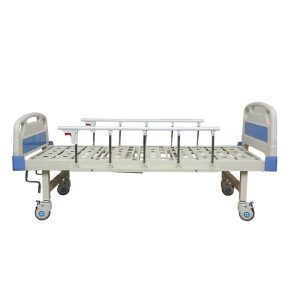
? 1. What Are Hospital Chairs That Require Body Weight to Recline Flat?
Key features
-
Manual operation:
Instead of a power button, these recline through the user’s own movement and body weight, typically by pushing back against the chair.
-
Geri chairs:
A common term for medical recliners, particularly those designed for long-term sitting and for seniors with limited mobility.
-
Medical recliners:
A broader category that includes chairs like geri chairs and others designed for medical use, offering features like extra width, durable upholstery, and various positioning options.
-
Lay-flat position:
Some models can recline to a nearly flat position, which is beneficial for patient comfort during long treatments like dialysis.
-
Adjustable features:
Many include an adjustable footrest and armrests to support different user needs.
How they work
- First, the patient must position their legs against the leg rest to help control the reclining function.
- To initiate the recline, the patient leans back, and their body weight shifts the center of gravity, causing the chair to recline.
- To return to the upright position, the user shifts their weight forward and may need to pull on the armrests.
Unlike motorized or lever-controlled recliners, these chairs use the patient’s own body weight to transition smoothly into a reclined or flat position. This design eliminates complex electronics, reduces maintenance, and offers a quiet, intuitive motion for patients and caregivers alike.
Key advantages:
-
Effortless reclining via natural body movement
-
Quiet, smooth mechanical design (no motor noise)
-
Reduced caregiver assistance
-
Ideal for patient rooms, infusion therapy, and recovery zones
? 2. The Design Philosophy Behind Henyuan Medical Recliners
Henyuan Medical’s engineering team combines ergonomic design, bariatric strength, and infection-control materials to produce hospital recliners that can withstand intensive daily use in clinical environments.
| Feature | Specification | Description |
|---|---|---|
| Recline Mechanism | Manual body-weight assisted | Smooth reclining to 45°–180° flat positions |
| Backrest & Legrest | Independent movement | Adjusts with user’s natural pressure |
| Weight Capacity | 550–880 lbs | Suitable for bariatric patients |
| Upholstery Material | Antimicrobial, easy-clean vinyl | Hospital-grade durability |
| Frame Structure | Reinforced steel + hardwood hybrid | Long-term stability |
| Mobility | Locking medical casters | Easy repositioning & patient transfer |
| Optional Features | IV pole, side trays, removable arm panels | Modular for different treatments |
? 3. How Body-Weight Recliners Improve Patient Care
Body-weight recliners improve patient care by promoting comfort and health through better support and pressure distribution, while also enhancing staff efficiency and safety by reducing the physical strain of patient handling and repositioning. These chairs improve outcomes by minimizing pressure sores, improving circulation, and allowing for easier, more stable access for medical procedures, which can lead to better adherence to treatment plans and faster recovery.
-
Reduces pressure sores:
Specialized cushioning and adjustable positioning help distribute weight evenly, reducing pressure on vulnerable areas and lowering the risk of skin breakdown.
-
Improves circulation:
Reclining and leg elevation features help promote better blood flow, which is beneficial for patients with swelling or those undergoing certain treatments.
-
Offers customizable support:
Adjustable backrests, leg rests, and angles allow for personalized positioning, which improves comfort and posture for patients with specific needs, such as those recovering from surgery or dealing with back pain.
-
Aids in treatment adherence:
When patients are more comfortable, they are less likely to skip appointments or endure treatments due to pain or fatigue.
Staff efficiency and safety
-
Reduces physical strain:
The chairs’ design and features, such as electric or hydraulic lift systems, minimize the need for healthcare workers to perform manual lifting and awkward repositioning, which decreases the risk of injury to staff.
-
Streamlines workflow:
By making transfers and positioning easier, staff can spend less time struggling with patient handling and more time focusing on direct patient care.
-
Enhances procedural access:
Features like retractable arms and variable height make it easier for clinicians to perform procedures such as blood draws or physical exams.
-
Increases safety:
Sturdy construction and stable support help reduce patient falls and provide a safer environment for both the patient and caregiver.
Other benefits
-
Improves diagnostic accuracy:
Stable positioning during exams and imaging procedures can reduce movement artifacts and lead to more accurate results.
-
Boosts facility reputation:Providing inclusive and patient-centered care by investing in specialized equipment demonstrates a commitment to all patients and can enhance the facility’s reputation.
The use of body-weight recliners in hospitals provides a new level of autonomy for patients. Rather than relying on motors or attendants, patients can control their comfort independently.
Benefits in different healthcare settings:
-
Intensive Care Units (ICU): Allows partial recline for respiratory therapy and resting positions.
-
Oncology Wards: Enables patients to shift weight and recline during infusion sessions.
-
Rehabilitation Centers: Promotes mobility and gradual muscle engagement.
-
Bariatric Departments: Heavy-duty support with stable reclining mechanisms for large patients.
These ergonomic benefits align with modern healthcare ergonomics and infection control standards, reducing nurse workload and promoting recovery comfort.
⚙️ 4. Comparing Types of Henyuan Medical Recliners
| Model | Type | Recline Angle | Capacity | Use Case |
|---|---|---|---|---|
| HM-300 Series | Manual body-weight recliner | 0°–170° flat | 550 lbs | General wards, clinics |
| HM-Bariatric 500 | Heavy-duty bariatric recliner | 0°–160° lay-flat | 880 lbs | Bariatric & long-stay units |
| HM-ComfortLift Dual Motor | Power lift & manual hybrid | 0°–175° | 650 lbs | Elderly care & rehabilitation |
| HM-ZeroG | Zero-gravity recliner | 120°–180° | 600 lbs | Cardiac & post-surgery patients |
Each chair combines adjustable independent backrest and ottoman movement, similar to advanced systems used in top-tier hospitals but redesigned for simplicity and longevity.
? 5. Related Technologies and Terms You Should Know
In your search for the best hospital recliner, you might encounter several related terms that describe specialized functions or categories. Here’s what they mean:
| Keyword | Explanation |
|---|---|
| Bariatric Recliner | Heavy-duty chair designed for high-weight patients (500–880 lbs). |
| Lay-Flat Recliner | Chair capable of reclining fully to 180°, ideal for overnight use. |
| Tilt-in-Space | Reclining mechanism that maintains body alignment to prevent sliding. |
| Riser Recliner | Power lift chair that helps users stand up safely. |
| Orthopaedic Recliner | Designed for postural support and rehabilitation comfort. |
| Medical Recliner Chair | General term for healthcare-grade reclining seating. |
All these features are integrated or available in Henyuan Medical’s modular recliner series.
?️ 6. Choosing the Right Hospital Recliner: A Buyer’s Guide
Key features to consider
-
Adjustable positions:Look for a recliner that offers multiple recline angles, including upright, semi-recline, and full recline. Features like Trendelenburg positioning (elevating legs above the heart) or tilt-in-space functionality can be crucial for specific medical needs.
-
Ergonomic and supportive design:High-density foam cushions that contour to the body can reduce pressure points. Proper lumbar and neck support are essential for comfort during long periods of use.
-
Adjustable footrests:An independent and adjustable footrest helps reduce swelling and improve circulation by elevating the legs. The footrest should support the entire length of the legs to prevent your heels from hanging off the edge.
-
Swing-away or removable arms:These make it easier to transfer a patient from a wheelchair or bed, and can simplify caregiving. Ensure they lock securely when in use.
-
Hygiene and cleanability:Materials should be durable, water-resistant, and easy to sanitize to prevent the spread of infection. Look for hygiene-friendly materials designed for cleaning and disinfection.
-
Mobility:Lockable casters can be beneficial in a medical setting, ensuring the chair remains stable when needed but can still be moved easily for cleaning or repositioning.
Additional important considerations
-
Weight capacity:Make sure the recliner’s weight capacity is sufficient for the patient’s needs.
-
Size:The recliner should be the right size to provide proper back and leg support. The height of the chair affects how easily a person can get in and out.
-
Lift mechanism:If mobility is a concern, a sturdy and smooth lift mechanism can be a critical feature for helping a person stand up safely.
-
Warranty:A good warranty provides peace of mind and covers potential repairs, which is important for a piece of medical equipment.
-
Budget:Balance the desired features with a realistic budget, remembering that quality and functionality often come at a higher price.
When selecting medical recliners for hospitals, consider these criteria to ensure both comfort and clinical efficiency:
-
Recline Type: Manual (body-weight) vs. Power recline — body-weight types are quieter and easier to maintain.
-
Patient Weight Capacity: Ensure models support at least 550 lbs for bariatric safety.
-
Infection Control: Choose seamless vinyl or PU leather with antimicrobial coating.
-
Mobility: Locking casters allow easy patient transfer.
-
Accessories: IV pole, tray table, removable armrest improve versatility.
-
Warranty & Certification: Look for ISO, CE, or FDA compliance for medical furniture.
Example Scenario:
In an oncology day-care center, patients may spend hours seated during infusion. A body-weight recliner allows them to shift naturally, recline, and rest without calling for nurse assistance—enhancing comfort and workflow efficiency.
? 7. Why Choose Henyuan Medical Recliners
Henyuan Medical integrates decades of hospital furniture expertise with modern ergonomic research. Their body-weight reclining technology is designed not only for patient comfort but also for clinical reliability.
Key Benefits:
-
Natural reclining without motors
-
Smooth, quiet operation
-
Robust frame for bariatric use
-
Easily cleanable and infection-resistant materials
-
Cost-effective maintenance-free design
Hospitals in over 30 countries now use Henyuan Medical recliners in wards, dialysis centers, and rehabilitation clinics, citing improved patient satisfaction and reduced caregiver fatigue.
? 8. Real-World Application Cases
| Facility | Model Used | Key Benefit |
|---|---|---|
| City General Hospital, Singapore | HM-300 Manual Recliner | Enabled self-adjustable comfort during IV therapy |
| Sunshine Rehabilitation Center, UK | HM-ZeroG Series | Provided zero-gravity posture for spinal recovery |
| Henyuan Medical Demo Ward | HM-Bariatric 500 | Supported patients up to 850 lbs safely during extended care |
? 9. Technical Summary
| Parameter | Value |
|---|---|
| Overall Dimensions | 890 × 870 × 1180 mm |
| Seat Width | 550 mm (Standard) / 680 mm (Bariatric) |
| Recline Range | 0°–180° (Lay-flat) |
| Max Load | Up to 880 lbs |
| Upholstery | Hospital-grade antibacterial vinyl |
| Mobility | 4 medical-grade casters with brakes |
| Operation | Body-weight recline with manual assist handle (optional) |
? 10. Conclusion
As hospitals evolve toward more patient-centered environments, choosing recliners that blend comfort, functionality, and hygiene is essential.
Henyuan Medical hospital chairs that require body weight to recline flat represent a perfect fusion of ergonomic innovation and clinical practicality.
They deliver comfort, independence, and safety — redefining the future of hospital seating solutions.
